



















30kWh Wheeled Home Energy Storage Battery has Been Installed in Croatia:BLOO POWER Residential Solar System
Nov 18, 2026
Leave a message

Project Overview
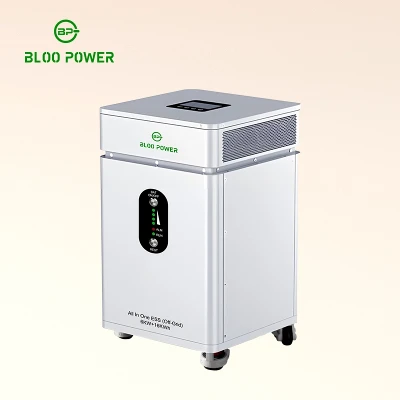
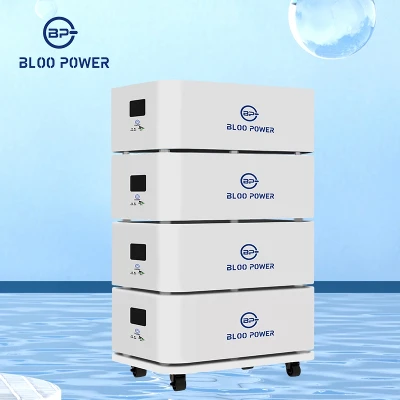
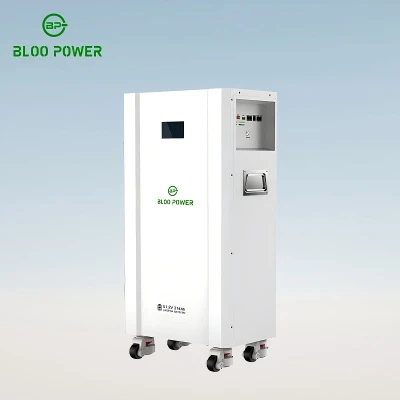
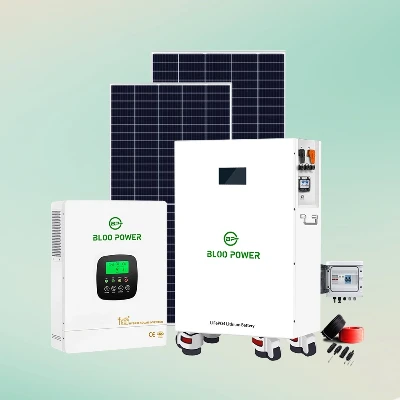
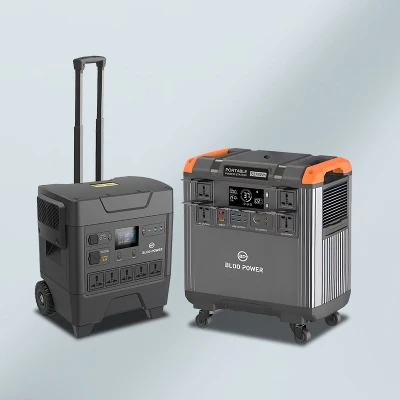
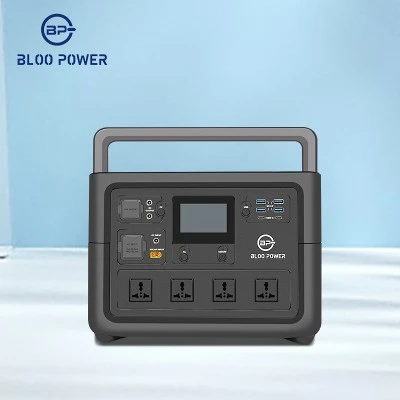
BLOO POWER has successfully installed and commissioned a mobile, wheel-mounted residential energy storage system with a total capacity of 30 kWh for a residential project in Croatia. The system consists of three 10 kWh modular, wheel-mounted battery units connected in parallel, offering the advantages of easy mobility, simple installation, and plug-and-play functionality. Integrated with a rooftop photovoltaic (PV) system, the setup stores solar energy generated during the day for use at night or during grid fluctuations, while also serving as a reliable backup power source. As Croatia continues to actively promote the adoption of renewable energy and energy storage-a sector seeing growing demand in the residential market-this project serves as a practical example of achieving household energy independence and enhancing grid flexibility.
|
Project Details |
Installation Information |
|
Location |
Croatia |
|
Installation Date |
August 2026 |
|
Battery Supplier |
BLOO POWER |
|
Battery Capacity |
30kWh Battery |
|
Product Type |
Solar battery with wheels |
Why Choose Three 10kWh Energy Storage Batteries?
Opting for three 10kWh units rather than a single 30kWh high-capacity battery is based on the following considerations:
- Modularity and Scalability: 10kWh units facilitate phased installation and future capacity expansion. Users can add modules flexibly as their electricity consumption grows, avoiding the need for a large, one-time capital investment.
- Ease of Installation and Transport: A wheeled design makes individual units easier to move and position-ideal for residential garages, basements, or confined spaces. Using multiple units in parallel distributes weight and volume, placing less demand on the building's structural integrity.
- Reliability and Redundancy: When multiple units operate in parallel, the failure of one does not compromise the entire system, thereby increasing overall availability. It also simplifies individual maintenance or replacement.
- Matching Household Loads: The average daily electricity consumption for a typical household in Croatia generally falls between 10kWh and 25kWh. A 3×10kWh configuration can cover daily self-consumption, nighttime loads, and some peak-demand periods, while providing sufficient backup duration for critical loads (such as refrigerators, lighting, and internet equipment).
- Balance of Cost and Efficiency: A modular approach offers advantages in terms of initial investment, transportation costs, and system efficiency; it is also compatible with mainstream inverters and energy management systems.
How long can three 10kWh energy storage batteries last?
The total system capacity is approximately 30kWh (the actual usable capacity is limited by the depth of discharge; typically, 80%–90% is considered usable, amounting to about 24–27kWh). The duration of use depends on the household load:
- Light load (basic lighting, refrigerator, router, TV, etc.; approx. 0.5–1kW): Can last for 20–40 hours or more.
- Moderate load (typical daily household consumption, averaging 1.5–2.5kW; includes some air conditioning or heat pumps): Can support 10–18 hours.
- High load (multiple air conditioners, water heaters, electric vehicle charging, etc.; 3–5kW): Approximately 5–10 hours.
- Critical load backup mode (powering only essential equipment): Can extend the duration significantly.
When integrated with a photovoltaic (PV) system, the batteries can be charged while simultaneously powering the home during the day, with the system relying primarily on stored energy at night. In actual operation, an intelligent energy management system optimizes charge/discharge strategies to extend the effective runtime and preserve battery lifespan. Lithium iron phosphate (LiFePO₄) batteries typically offer a cycle life of over 8,000 cycles (at 80% depth of discharge) and are designed to last for more than 10 years.
Benefits of Installing a 30kWh Energy Storage System
- Increased Self-Consumption of Solar Energy: Store excess solar power generated during the day for use at night or on cloudy days, significantly reducing reliance on grid electricity and lowering electricity costs.
- Resilience Against Price Volatility and Power Outages: In regions like Croatia, where high penetration of renewable energy can lead to grid instability, an energy storage system provides near-instantaneous switching (typically within milliseconds) to ensure an uninterrupted power supply for critical loads.
- Energy Autonomy and Emergency Backup: Serves as a reliable backup power source during extreme weather events or grid failures, enhancing household energy security.
- Practical Advantages of a Wheeled Design: Eliminates the need for complex wall-mounting or foundation construction; allows for quick installation, flexible positioning, and easy maintenance or relocation.
- Long-Term Economic and Environmental Benefits: Reduces dependence on fossil fuels and contributes to carbon emission reductions. Through strategies like peak-shaving (arbitrage) or optimizing self-consumption, the investment typically reaches its break-even point within a reasonable timeframe.
- System Flexibility: Supports grid-tied, off-grid, or hybrid operating modes, and can be integrated with smart home equipment such as heat pumps and electric vehicle (EV) charging stations.
Project Outcomes
Following the successful installation and commissioning of the project, the system has been operating stably. Initial monitoring indicates the following:
- The self-consumption rate of solar energy has increased significantly, leading to a reduction in electricity purchased from the grid.
- During power outages or voltage fluctuations, the system ensures a seamless transition for critical loads, providing a positive user experience.
- The modular, wheeled design facilitates an efficient installation process and allows for convenient on-site adjustments.
- Through remote monitoring and a dedicated mobile app, users can track charging/discharging status, state of charge (SOC), and financial returns in real time.
- The project serves as a replicable model for similar residential developments, demonstrating the suitability of 30kWh-class mobile (wheeled) energy storage systems for households in Croatia.
This project highlights the convenience and practicality of modular, wheeled energy storage in residential settings, contributing to the further advancement of distributed energy storage integrated with solar PV in Croatia. As local policy support grows and technology continues to mature, such systems are expected to be adopted by more households, supporting the energy transition while enhancing economic benefits for end-users.
Send Inquiry