




















How Brazil Is Addressing The Growing Demand For Lithium-Ion Energy Storage Solutions?
Oct 18, 2026
Leave a message

Cost Pass-Through Risks Despite Legal Provisions Assigning Expenses to Generators
Markus Vlasits, president of the Brazilian association Absae, stated that although Law 15,269 stipulates that costs associated with battery storage auctions should be borne by power generators rather than consumers, these generators are likely to pass the expenses on to end-users. Speaking at a seminar hosted by Auren Energia, Vlasits noted that the mechanism for this cost pass-through depends on the type of electricity contract. In the regulated market, power purchase agreements (PPAs) contain provisions that allow for the inclusion of new charges; for self-generators, these additional costs are ultimately absorbed by the entities acting as both generators and consumers; and in the liberalized (free) market, contractual adjustment or economic rebalancing clauses can lead to similar outcomes. Simulations conducted by Absae-based on Technical Note 101/2026 from Brazil's National Electric Energy Agency (ANEEL)-indicate that consumers in the regulated market would bear 40% to 46% of the costs, while those in the liberalized market would shoulder 30% to 35%, with the remainder falling on self-generators.
This dynamic highlights broader challenges in financing large-scale deployments of lithium ion battery for large scale energy storage, where the economic benefits of flexibility often accrue system-wide while initial costs face concentrated allocation debates. Industry observers note that similar cost-recovery mechanisms appear in other markets adopting capacity-style procurements for storage, underscoring the need for transparent regulatory frameworks to maintain investor confidence.

System Benefits of Storage in Reducing Curtailment and Enhancing Project Bankability
Absae points out that battery storage can also reduce curtailment of renewable energy-benefiting wind and solar power producers as well as the broader power system-while helping to lower the perceived risk of new projects and improve investment predictability. Vlasits questioned the rationale behind assigning the full cost of battery auctions to wind and solar generators, arguing that the concept of "inflexible" (non-dispatchable) generation should not be applied exclusively to wind and solar; thermal power plants and distributed generation resources are also not subject to centralized dispatch. Brazil currently has approximately 100 GW of non-dispatchable renewable energy capacity-encompassing both centralized and distributed sources-in addition to inflexible thermal power capacity.
Independent analyses reinforce these system-level advantages. A study by Volt Robotics for Absae estimates that deploying around 4.5 GW of battery energy storage systems could generate annual benefits of approximately R$ 8.9 billion for consumers, compared with roughly R$ 550 million for generators, illustrating how lithium batteries energy storage deliver outsized value through avoided thermal generation, reduced curtailment, and improved grid efficiency.
Call to Maintain Auction Timelines Separate from Cost-Allocation Discussions
Vlasits urged that the battery auctions proceed as scheduled. While there have been proposals to delay the auctions due to the unresolved issue of cost allocation, he maintains that the two matters should be addressed separately. According to Absae, the procurement of energy storage is intended to meet the capacity and flexibility requirements of Brazil's power system, particularly during evening peak demand periods. The auctions are expected to procure approximately 4 GW to 5 GW of capacity, corresponding to 16 GWh to 20 GWh of energy storage. The first auction will be restricted to projects that meet local content requirements, while the second auction will be technology-neutral. The project has a minimum capacity of 30 megawatts, has secured a 15-year contract, and is scheduled to begin operations in August 2028. Vlasits noted that, given the procurement volume of only 5 gigawatts, a substantial pipeline of projects supports the auctions proceeding as planned.
Recent regulatory updates confirm the schedule remains on track. ANEEL is expected to review the auction notices around 27 October 2026 with publication targeted for 29 October, ahead of the December 2 and 4 tender dates. Bid guarantees have been indicated at approximately R$ 98,000 per MW of installed storage capacity.
Auction Structure and Local-Content Provisions Supporting Domestic Industry Development
The two capacity-reserve auctions (LRCAP) are structured to balance technology neutrality with industrial policy goals. The first tender prioritizes systems meeting local-content criteria aligned with BNDES financing rules, while the second remains open to all eligible technologies. Both offer 15-year capacity contracts commencing 1 August 2028 (or earlier if approved by the Electricity Sector Monitoring Committee). Minimum project size is set at 30 MW with at least four hours of storage duration, grid-forming capability, and use of new battery cells.
These parameters create a clear pathway for suppliers of energy storage system lithium battery solutions to participate, including international manufacturers and domestic integrators. The substantial project pipeline-EPE recorded more than 6,000 registrations totaling nearly 297 GW of potential capacity-ensures competitive pricing pressure that should benefit end consumers.
|
Auction Feature |
First Auction (National Content) |
Second Auction (Technology-Neutral) |
|
Scheduled Date |
2 December 2026 |
4 December 2026 |
|
Local Content Requirement |
Yes (BNDES-aligned) |
No |
|
Contract Duration |
15 years |
15 years |
|
Supply Start |
August 2028 |
August 2028 |
|
Minimum Project Size |
30 MW |
30 MW |
|
Expected Total Procurement |
Part of 4–5 GW / 16–20 GWh overall |
Part of 4–5 GW / 16–20 GWh overall |
Grid Connection Headroom and Investment Potential Underpin Strong Market Interest
Brazil's transmission system currently offers approximately 56 GW of remaining connection capacity for battery projects, equivalent to 5.6 to 12.5 times the projected power shortfall of 4.5–10 GW for 2028–2030. Preferential substations alone provide about 13.7 GW of headroom, concentrated in states such as Bahia, Piauí, and Ceará. This ample margin significantly reduces interconnection risk for bidders and supports the rapid deployment of BESS battery energy storage system MW MWh installations.
Industry estimates suggest that contracting 5 GW could mobilize R$ 20–30 billion in investment. Additional public funding streams, including BRL 4.55 billion earmarked for batteries and storage under the Eco Invest program, further strengthen the financing environment.
Global Context: Surging Demand for Lithium-Ion Battery Energy Storage Systems
The Brazilian auctions occur against a backdrop of accelerating worldwide adoption of lithium-ion technology for stationary storage. Global Li-ion BESS deployments rose from 92 GWh in 2023 to approximately 318 GWh in 2025, with forecasts for more than 450 GWh of new capacity in 2026. Shipments of ESS batteries reached 461 GWh in the first half of 2026 alone, a 71 percent year-on-year increase. Market projections indicate the global lithium-ion BESS sector could reach US$135 billion by 2037, with cumulative installations exceeding 10.5 TWh.
Four-hour energy storage systems have already become cost-competitive with gas-fired peak capacity across numerous markets, driven by declining battery pack prices (averaging around US$66–110/kWh depending on system configuration) and rising gas-turbine costs. This cost trajectory reinforces the attractiveness of large scale lithium ion battery energy storage systems for sale in capacity markets worldwide.
|
Metric |
2025 Value |
2026 Forecast / H1 Actual |
Source Context |
|
Global New BESS Deployments |
~108–112 GW / 275–318 GWh |
>450 GWh (full year); 461 GWh shipments H1 |
IEA, Benchmark, SNE Research |
|
China Share of Deployments |
~58% |
Continues to lead |
IDTechEx |
|
Global Li-ion BESS Market Outlook |
- |
US$135 billion by 2037 |
IDTechEx |
|
Average System Cost Trend |
~US$110–117/kWh (4-hour) |
Further declines expected |
Wood Mackenzie / BNEF |
Role of Specialized Suppliers in Meeting Utility-Scale Requirements
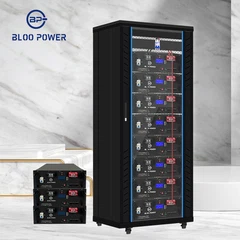
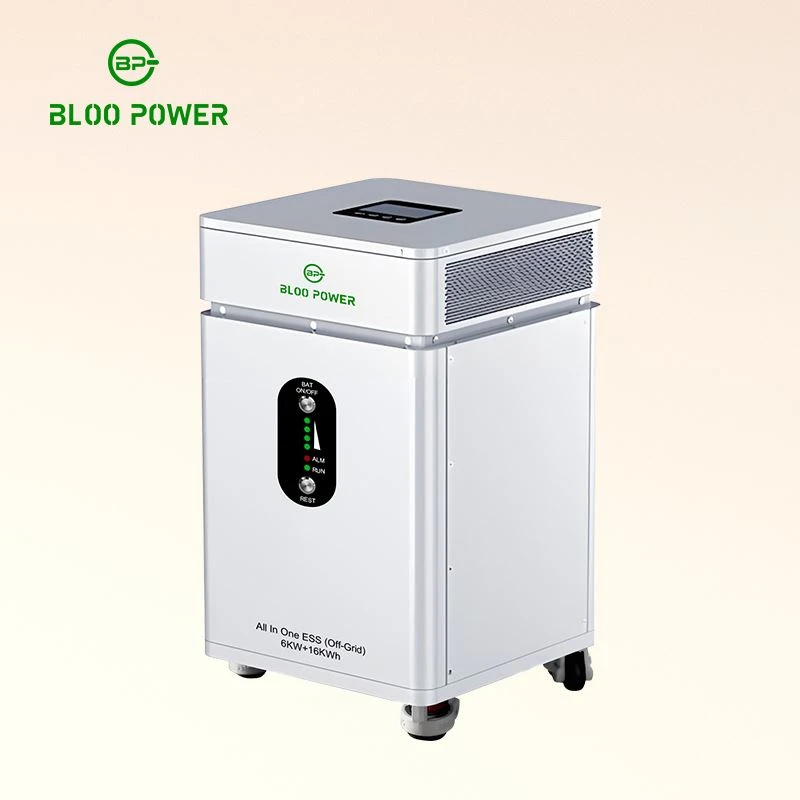
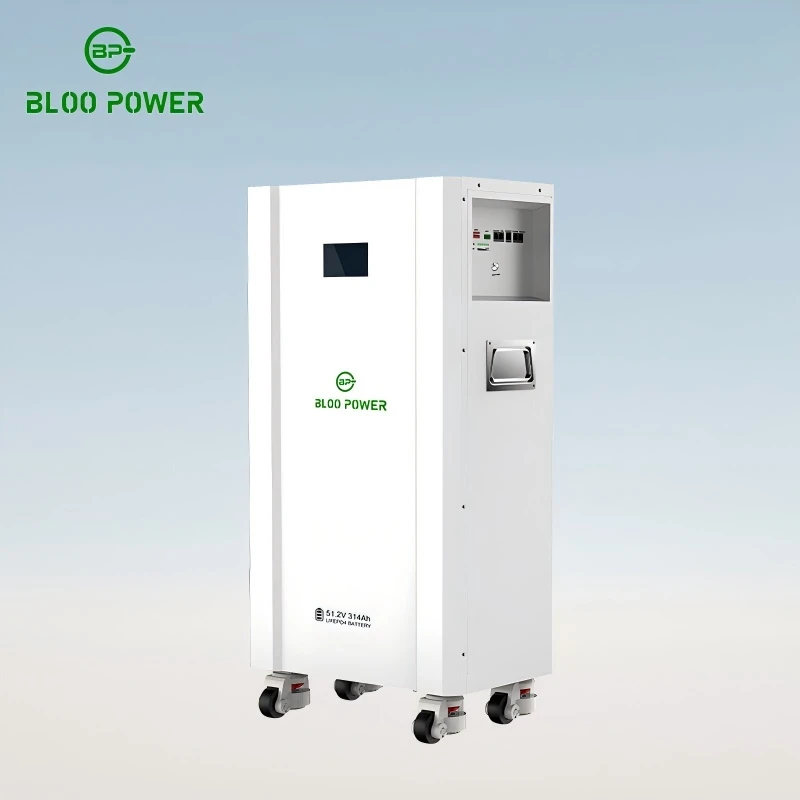
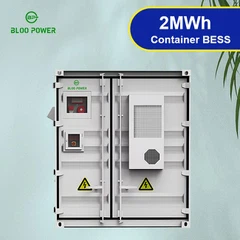
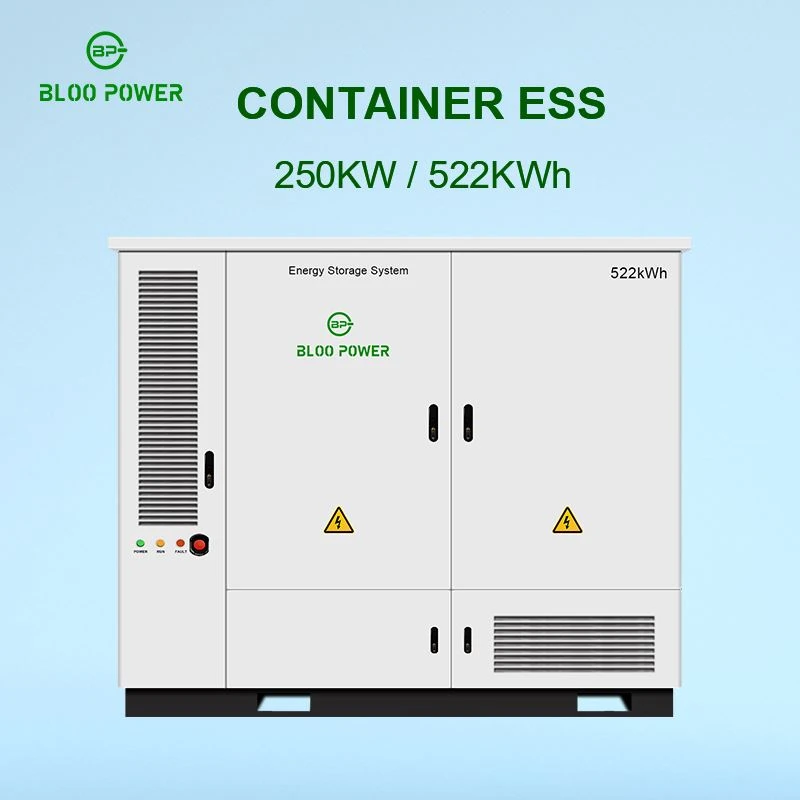
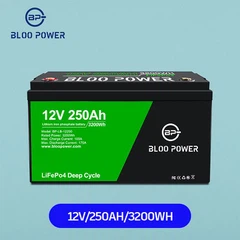
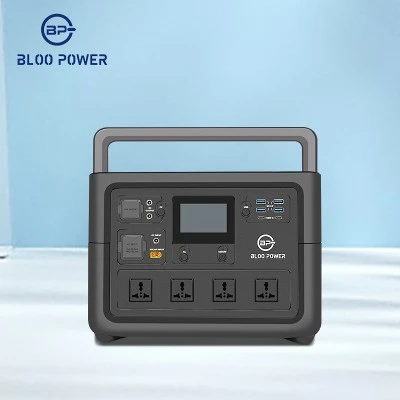
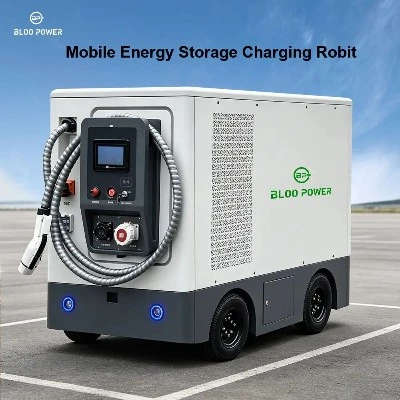
As Brazil and other markets scale procurement, specialized manufacturers play a critical role in supplying reliable, certified systems. Companies such as BLOO POWER offer a broad portfolio of LiFePO4-based solutions ranging from residential wall-mounted and stackable units to commercial and industrial containerized systems (for example, 250 kW/522 kWh and 500 kW/1 MWh configurations). These products emphasize high cycle life (often exceeding 8,000 cycles), comprehensive certifications (UL, IEC, CE, UN38.3), and modular designs suitable for both behind-the-meter and front-of-the-meter applications.
Such offerings align with the technical specifications of Brazil's auctions-minimum 30 MW scale, multi-hour duration, and grid-forming capability-while also serving the broader commercial BESS lithium battery solutions MW MWh segment. Suppliers capable of delivering high capacity energy storage system lithium battery packs with proven safety and performance records are well positioned to support the transition toward more flexible, renewable-heavy grids.
Comparative Cost Allocation Outcomes Across Market Segments
The following table summarizes Absae's modeling of how auction-related charges are expected to be distributed under current legal and contractual frameworks:
|
Market Segment |
Estimated Share of Auction Costs |
Primary Mechanism |
|
Regulated Market Consumers |
40–46% |
PPA pass-through clauses |
|
Liberalized (Free) Market Consumers |
30–35% |
Contract adjustment / rebalancing |
|
Self-Generators |
Remainder |
Direct absorption as dual generator-consumer |
These figures illustrate that, irrespective of the formal assignment of costs to generators under Law 15,269, a significant portion ultimately reaches end-users through existing contractual pathways.
Broader Implications for Renewable Integration and Future Procurement
Beyond the immediate 4–5 GW procurement, Brazil's emerging storage framework is expected to influence subsequent capacity auctions planned for 2027–2029, which may incorporate multiple technologies including batteries, pumped hydro, and thermal resources. The ability of lithium batteries energy storage to provide rapid-response capacity, frequency regulation, and energy shifting during evening peaks positions them as a core flexibility resource. By reducing curtailment and improving the bankability of new wind and solar projects, these systems contribute to lower long-term system costs and enhanced energy security.
In parallel, the global expansion of utility scale lithium batteries energy storage projects continues to drive manufacturing scale, technological refinement, and cost reductions that will further improve the economics of future Brazilian tenders. Market participants seeking energy storage lithium battery for sale solutions-whether for utility-scale auctions or commercial applications-benefit from an increasingly mature supply chain that includes both established international players and specialized providers such as BLOO POWER.
Outlook and Policy Recommendations
Maintaining the December 2026 auction schedule while concurrently refining cost-allocation rules offers the most pragmatic path forward. Clear fiscal incentives (including clarification of Reidi eligibility), transparent connection processes, and technology-neutral competition will maximize the value delivered by the first wave of BESS deployments. As global installations accelerate and costs continue their downward trajectory, Brazil's pioneering capacity auctions for storage stand to set an important regional precedent for integrating high volumes of lithium ion battery for large scale energy storage into modern power systems.
Send Inquiry