




















How Intelligent Battery Storage Enables Massive Solar Expansion in Germany And Beyond?
Oct 14, 2026
Leave a message

Study Highlights Untapped Transformer Capacity Through Smart Storage
A study commissioned by the German Solar Association (BSW-Solar) and conducted by the Fraunhofer Institute for Energy Economics and Energy System Technology (IEE) indicates that if battery storage systems absorb peak generation, significantly more photovoltaic (PV) capacity can be connected between medium- and high-voltage substations, thereby increasing the utilization rate of existing transformers. Modeling 1,313 substations in rural Germany that rely heavily on renewable energy, the study calculated a theoretical expansion potential of approximately 150 GW of new PV capacity and 60 GW of battery storage capacity. The study used actual operational data from 20 transformers across 13 substations as a baseline and extrapolated the findings to a broader group of substations through similarity analysis.

Intelligent Control Reduces Curtailment to Near-Zero Levels
The study focuses on transformer capacity that has hitherto been underutilized. Since transformers only reach their power limits temporarily, intelligently controlled battery storage systems can absorb generation peaks and release the energy at a later time. In the reference scenario, researchers assumed that the installed capacity of existing renewable energy plants and new PV systems could reach 200% of the respective transformer capacity. When a transformer approaches its load limit, a sufficiently sized battery storage system absorbs the power peak. Calculations show that the average curtailment rate for the studied transformers could be reduced to approximately 1%. This approach requires an integrated view of substations, battery storage, and PV systems, along with dynamic monitoring and limitation; storage systems must adjust their operating modes in response to actual power flows at the substation.
Broader Implications for Grid Expansion Delays
The 150 GW potential identified in the study is not currently matched by a corresponding, proven grid connection capacity. Rather than performing detailed calculations on grid bottlenecks or conditions in upstream and downstream networks, the study examines the additional potential gained by better utilizing existing transformers around the clock. The authors believe this approach could reduce or delay the need for grid expansion measures. The study was previewed at a recent conference in Berlin. Linking its research findings to the German federal government's planned grid package, the German Solar Association opposes the long-term designation of extensive areas as grid bottleneck zones-a practice used to restrict the expansion of renewable energy-and instead advocates for prioritizing the better utilization of existing grid capacity. It calls for accelerating the digitalization of medium- and high-voltage grids and deploying grid-supporting energy storage systems at bottleneck points, while also noting that the charging of storage systems with photovoltaic power downstream of grid connection points should not be obstructed during periods of temporary bottlenecks.
Global Context: Record Battery Storage Deployments Drive the Transition
This German finding aligns with a worldwide surge in battery energy storage. According to the International Energy Agency (IEA), global battery storage capacity additions reached a record 108 GW in 2025, representing a 40% increase over 2024 and exceeding historical peaks for gas-fired power capacity additions. Lithium-iron phosphate (LFP) batteries accounted for around 90% of these deployments, favored for their cost-effectiveness, safety, and suitability for frequent cycling. China led with approximately 63 GW of new capacity, underscoring the central role of Chinese manufacturing in the global supply chain for lithium battery energy storage system china solutions. BloombergNEF data further confirms that annual energy storage additions (excluding pumped hydro) hit 112 GW in 2025, with projections reaching 158 GW in 2026.
Key Findings from the Fraunhofer IEE Study
|
Parameter |
Value |
Notes |
|
Substations modeled |
1,313 rural sites |
High renewable penetration |
|
Additional PV potential |
~150 GW |
Theoretical expansion |
|
Battery storage potential |
~60 GW |
Paired with PV |
|
Reference scenario |
200% of transformer capacity |
Existing RE + new PV |
|
Average curtailment rate |
~1% |
With intelligent control |
|
Baseline data |
20 transformers / 13 substations |
Real operational data |
Rising Demand for Cost-Effective and Scalable Solutions
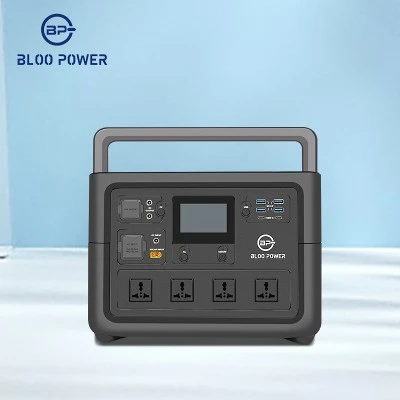
As markets seek affordable ways to integrate more renewables, demand for cheap energy storage lithium battery systems has intensified. Energy storage lithium ion battery suppliers from China dominate production, offering competitive pricing driven by scaled manufacturing of LFP cells. Wholesale lithium battery energy storage options enable project developers to deploy large volumes efficiently, supporting both utility-scale projects and distributed applications. For instance, portable lithium-ion battery energy storage system units ranging from a few hundred watt-hours to multi-kilowatt-hours address off-grid, emergency, and residential needs, while containerized systems handle industrial and grid-scale requirements.
Global Battery Storage Capacity Additions (Selected Years)
|
Year |
Global Additions (GW) |
China Share (approx.) |
Key Driver |
|
2024 |
~77 |
Majority |
Policy mandates |
|
2025 |
108–112 |
~60% |
Cost declines & flexibility needs |
|
2026 (proj.) |
158 |
Continued leadership |
Utility-scale growth |
Sources: IEA and BloombergNEF estimates.
Chinese Manufacturers and Specialized Providers Meet Market Needs
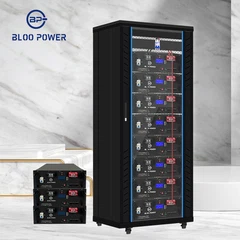
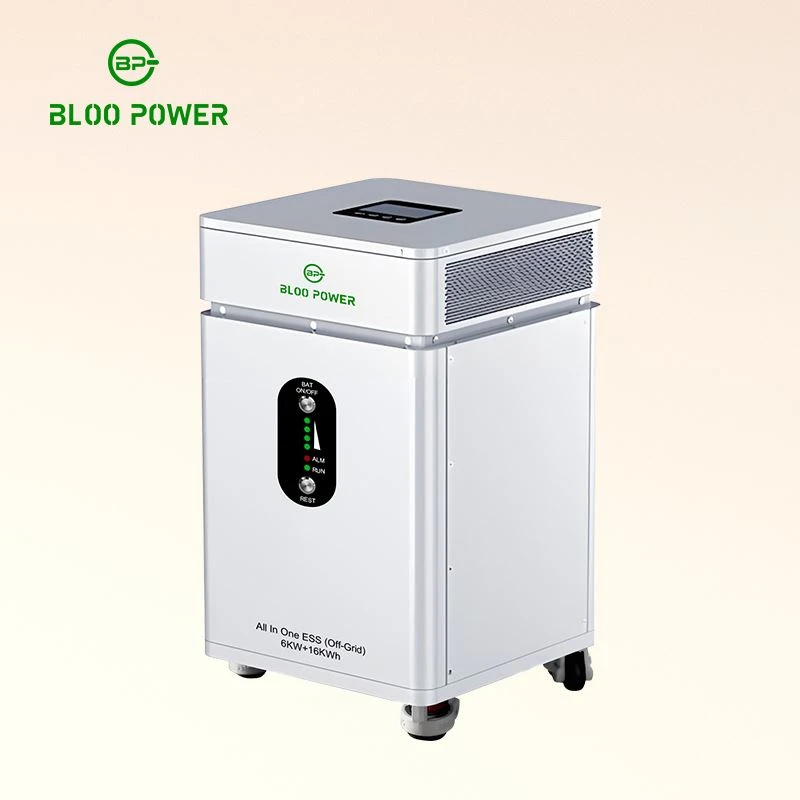
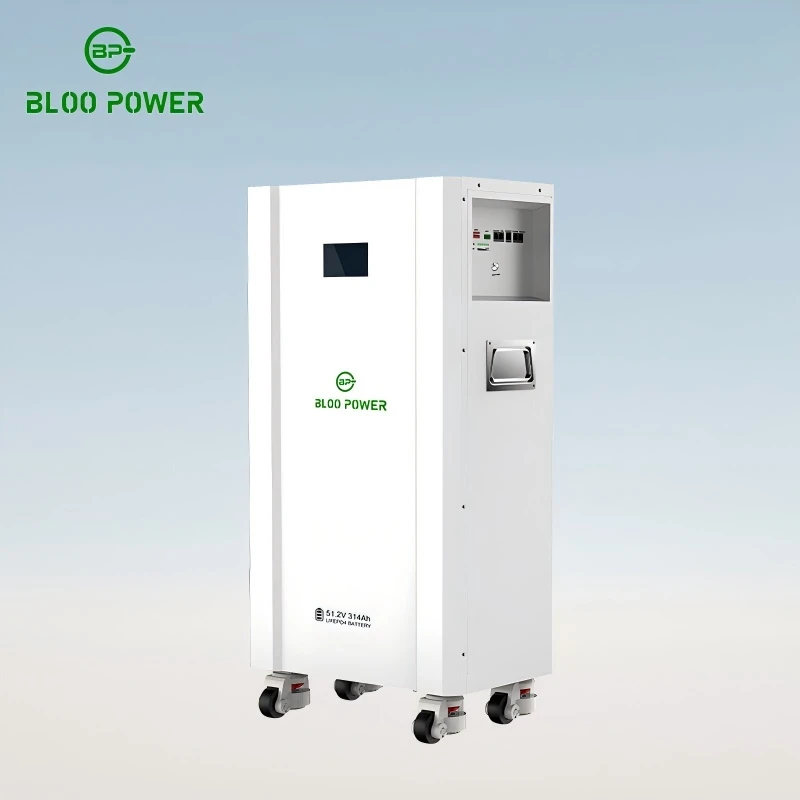
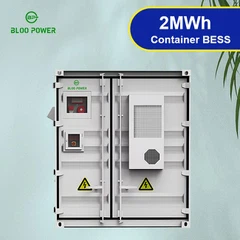
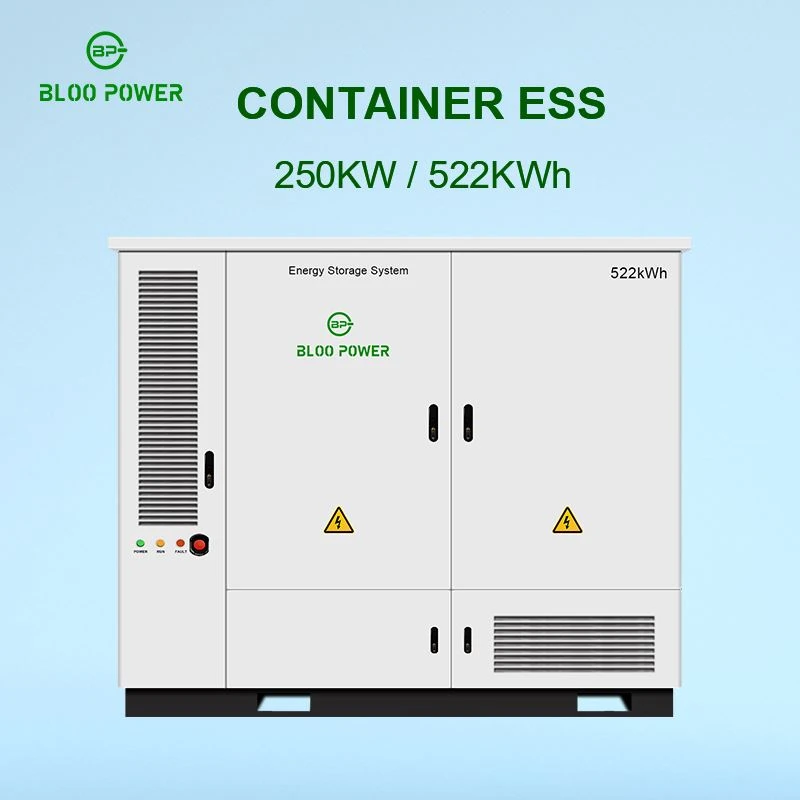
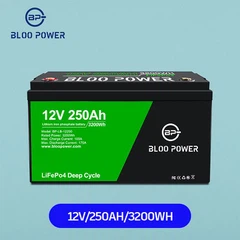
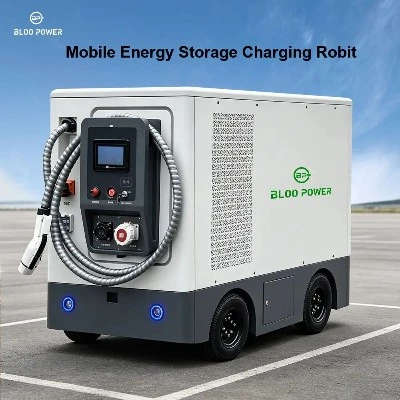
Leading energy storage lithium ion battery suppliers emphasize modular designs, long cycle life (often 6,000–8,000 cycles at 80% depth of discharge), and comprehensive certifications such as UL, IEC, CE, UN38.3, and MSDS. Companies specializing in lithium battery energy storage system china production provide end-to-end solutions-from residential wall-mounted units to commercial and industrial cabinets and containerized BESS. One notable provider, BLOO POWER (Zhengde Hanyuan Technology, Shenzhen), offers a full portfolio including LiFePO4 home storage systems (5–40 kWh range), rack-mounted modules, all-in-one ESS, and larger commercial solutions with annual production capacity around 2 GWh. Their products support both grid-tied and off-grid configurations, with features like intelligent BMS, parallel expandability, and compatibility with major inverters-ideal for projects seeking reliable wholesale lithium battery energy storage and portable lithium-ion battery energy storage system options.
Long-Tail Opportunities in Specialized Applications
Beyond the core study insights, several practical long-tail applications emerge: best lithium battery energy storage system for solar farms can leverage the German model of peak absorption to maximize transformer utilization; affordable LiFePO4 energy storage solutions from China deliver the cost reductions needed for widespread adoption; scalable wholesale lithium-ion battery packs for grid storage support the 60 GW battery potential identified; high-capacity portable lithium-ion battery energy storage for off-grid use extends resilience to remote sites; and reliable energy storage lithium ion battery suppliers for European markets help accelerate digitalization and grid-supporting deployments as advocated by BSW-Solar.
Example Product Categories from Leading Chinese Suppliers (Illustrative)
|
Category |
Typical Capacity Range |
Key Features |
Primary Use Cases |
|
Residential wall/rack-mounted |
5–20 kWh |
8,000+ cycles, modular parallel |
Home solar self-consumption, backup |
|
Portable power stations |
0.5–5 kWh |
Lightweight, multi-output, fast charge |
Outdoor, emergency, mobile |
|
Commercial/industrial cabinets |
50–500 kWh |
Liquid/air cooling, EMS integration |
Peak shaving, microgrids |
|
Containerized utility-scale BESS |
1 MWh+ |
Modular, fire protection, grid codes |
Substation support, large PV pairing |
Policy and Technical Recommendations for Accelerated Deployment
Experts emphasize that realizing the full potential requires coordinated action: digital monitoring of power flows, dynamic limitation protocols, and removal of barriers to storage charging behind connection points during temporary constraints. Combining these measures with access to competitively priced systems from established energy storage lithium ion battery suppliers can significantly defer costly grid upgrades while accelerating renewable integration. The Fraunhofer findings, set against the backdrop of record global deployments, demonstrate that intelligent lithium-based storage is no longer optional-it is a practical, high-impact tool for maximizing existing infrastructure.
Conclusion: Storage as the Key Enabler of Higher Utilization
By pairing additional PV with appropriately sized and controlled battery systems, countries can unlock substantial capacity on existing transformers while keeping curtailment minimal. Continued innovation from Chinese manufacturers in cheap energy storage lithium battery and portable lithium-ion battery energy storage system segments, together with wholesale lithium battery energy storage channels and specialized providers such as BLOO POWER, will be essential to translating technical potential into deployed capacity worldwide.
Send Inquiry