




















What Impact Does Finland's Grid Connection Priority Mechanism Have On Battery Energy Storage Systems?
Oct 11, 2026
Leave a message

Introduction to Finland's Draft Electricity Market Act Amendment
The Finnish government intends to introduce a grid connection priority mechanism in the draft amendment to the Electricity Market Act, requiring grid operators to process connection applications for electricity-consuming sites and energy storage facilities based on priority levels. This mechanism applies to situations where grid capacity is constrained; it classifies applications into four priority groups, while electricity generation is excluded from the system. The proposal, published for public consultation on 18 September 2026 with comments due by 9 October 2026, seeks to manage growing competition for limited grid capacity driven by electrification, data centers, and rapid expansion of battery energy storage systems BESS.

Detailed Breakdown of the Four Priority Groups
The first priority group includes consumers, small and medium-sized enterprises (SMEs), and charging points with a connection capacity of less than 3 MW; data centers with a capacity of up to 1 MW; and facilities performing critical societal functions. Small electricity storage facilities up to 100 kVA and storage facilities connected to a power plant complex that are not charged from the grid also fall into this highest-priority category and continue to be processed on a first-come, first-served basis. The second priority group covers electricity-consuming sites with capacities between 3 MW and 100 MW and data centers between 1 MW and 10 MW; large facilities that commit to flexibility measures covering at least 80% of their peak electricity demand may also be included in this group. The third priority group consists of large electricity-consuming sites and data centers exceeding the capacity limits of the second group, while the fourth group comprises standalone energy storage facilities that charge from the grid and are not part of a power plant complex.
|
Priority Group |
Scope of Projects |
Key Characteristics |
|
Group 1 (Highest) |
Consumption sites ≤ 3 MW; data centers ≤ 1 MW; critical societal facilities; storage ≤ 100 kVA; plant-connected storage not grid-charged |
Processed continuously on first-come, first-served basis; capacity reserved for expected growth |
|
Group 2 |
Consumption sites 3–100 MW; data centers 1–10 MW; large facilities with ≥80% flexibility commitment |
Batch processing; flexibility or production commitments can improve ranking |
|
Group 3 |
Consumption sites > 100 MW; data centers > 10 MW without flexibility commitments |
Lower priority; batch reviews twice yearly |
|
Group 4 (Lowest) |
Standalone grid-charged energy storage facilities not in Group 1 |
Lowest ranking; prioritization based mainly on available local capacity |
Objectives and Official Statements on the Priority Mechanism
The Finnish government stated that the mechanism aims to guide large electricity consumers and energy storage facilities to locate in areas with less grid congestion rather than to restrict grid access; grid operators' obligations to connect customers and the rules regarding the right to connect remain unchanged. Finland's Minister of Climate and the Environment noted that the system would encourage large electricity consumers to adopt measures to lower electricity prices and reduce the risk of shortages. Officials have emphasized that the changes create incentives for flexibility while avoiding unnecessary transmission investments that would raise costs for all users.
Timeline for Implementation and Application to Existing Projects
The proposed amendment is scheduled to take effect on January 1, 2027, and will apply to existing applications for which no formal connection agreement has been signed by that date; public consultation runs until October 9. Network operators will be required to process the first group-specific batches for lower-priority applications by 31 December 2027. This retrospective application means developers of standalone battery energy storage systems BESS must carefully assess their current status and consider flexibility commitments or co-location strategies to improve ranking.
Finland's Rapid Growth in Utility-Scale Solar PV Capacity
Finland added 478 MW of utility-scale solar PV capacity in the first half of 2026, bringing the cumulative total to 842 MW, followed by the commissioning of a 101 MW solar project. This rapid expansion more than doubled the country's large-scale solar fleet in six months and forms part of a broader pipeline exceeding 26 GW across approximately 300 projects, of which 77 projects totaling around 4.6–4.67 GW already hold building permits. The surge in solar generation increases the need for complementary lithium-ion battery for solar energy storage to manage intermittency and provide grid services.
Expanding Role of Battery Energy Storage Systems in the Finnish Market
Finland has emerged as one of the most active Nordic markets for battery energy storage systems BESS, with significant project activity including acquisitions and construction of multi-hundred-MWh assets. Grid operator Fingrid has noted substantial volumes of confirmed and under-construction storage capacity, reflecting strong interest in ancillary services and energy arbitrage despite recent pressure on short-duration revenues. The new priority rules place pure standalone storage in the lowest group, prompting developers to explore hybrid solar-plus-storage configurations or flexibility commitments to improve connection prospects.
Global Energy Storage Lithium Battery Market Dynamics in 2025–2026
The energy storage lithium battery market has entered a phase of exceptional growth. According to the International Energy Agency, global battery storage additions reached 108 GW in 2025-approximately 40% higher than the previous year-with installed capacity now eleven times the 2021 level. Lithium-iron-phosphate (LFP) chemistry accounts for around 90% of new deployments due to its cost, safety, and cycle-life advantages for stationary applications. Global lithium-ion ESS shipments hit 461.3 GWh in the first half of 2026 alone, up 71% year-on-year, with non-China markets collectively surpassing China's share for the first time.
|
Metric |
2025 Value |
H1 2026 / Outlook |
Source Insight |
|
Global battery storage additions |
108–112 GW |
Expected further strong growth |
IEA / BloombergNEF |
|
Global ESS lithium-ion shipments |
~315 GWh (full year estimate) |
461.3 GWh (H1) |
SNE Research |
|
LFP share of new deployments |
~90% |
Dominant |
IEA |
|
China share of H1 2026 shipments |
- |
43.9% (down from prior year) |
SNE Research |
Importance of CE Certification for Lithium Ion Battery for Solar Energy Storage
For any lithium ion battery for solar energy storage or complete BESS intended for the European market, CE certification is a legal prerequisite. It demonstrates conformity with the Low Voltage Directive, Electromagnetic Compatibility Directive, relevant battery safety standards such as IEC 62619, and the evolving EU Batteries Regulation. CE-marked systems provide assurance on electrical safety, thermal management, and environmental compliance, which is increasingly scrutinized by grid operators and project financiers when evaluating connection applications under constrained capacity conditions.
Chinese Manufacturers and the BESS Battery Energy Storage System China Supply Landscape
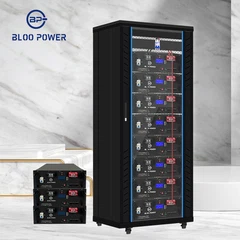
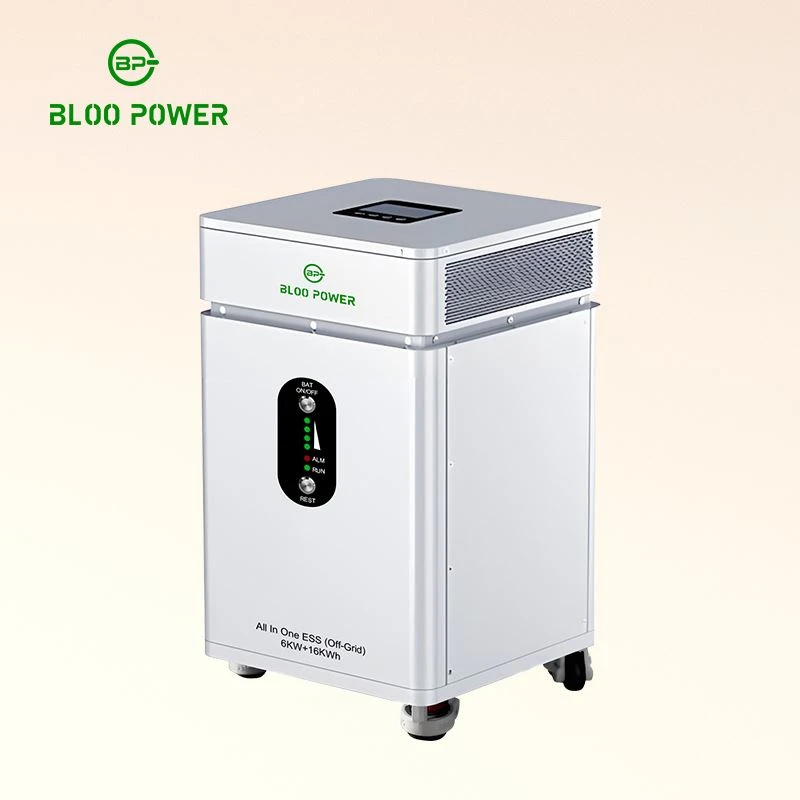
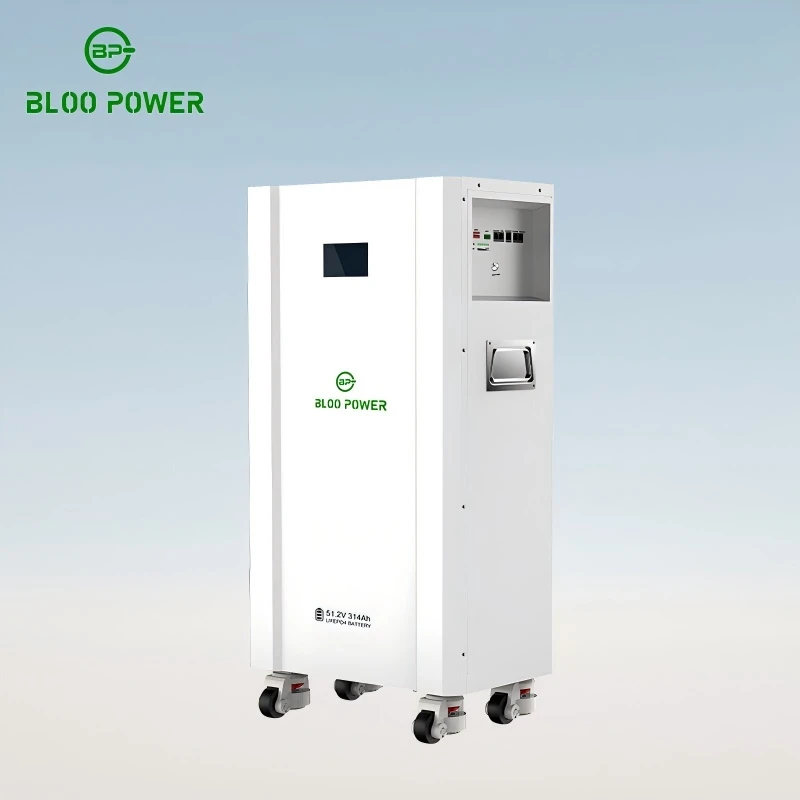
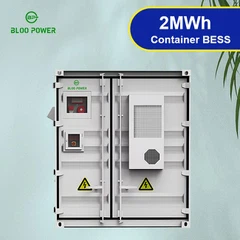
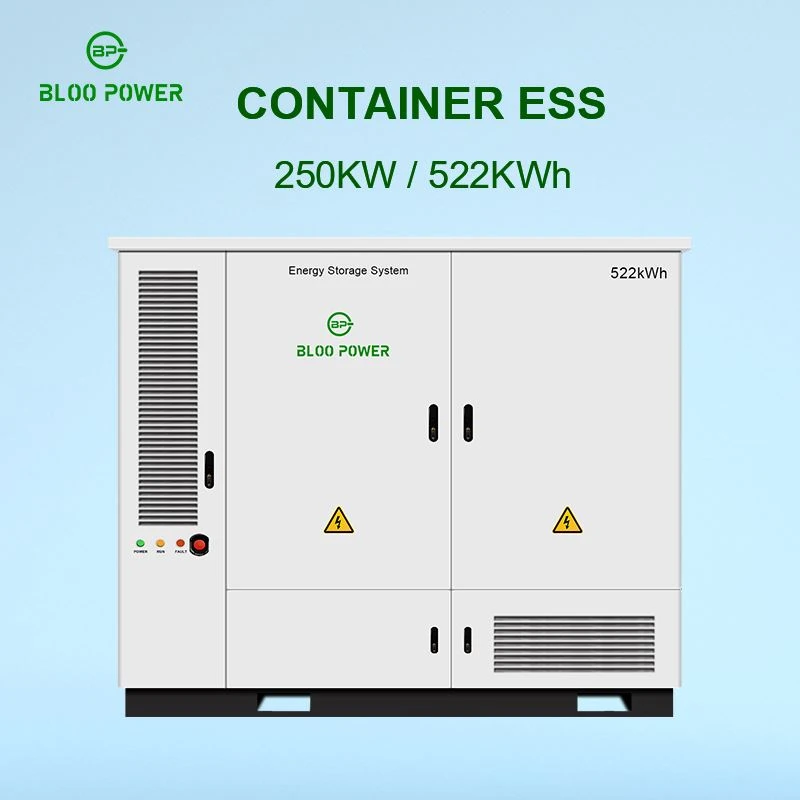
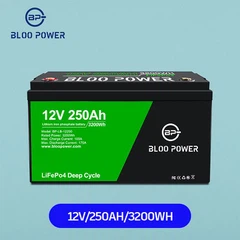
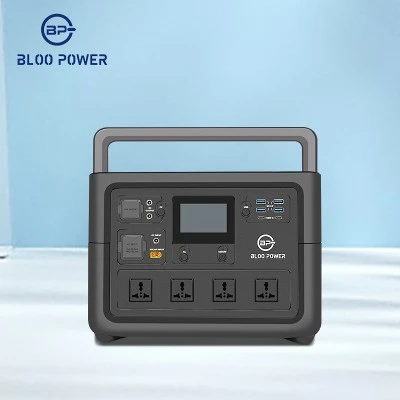
China remains the dominant manufacturing base for BESS battery energy storage system China solutions, supplying the majority of LFP cells and containerized systems used worldwide. Leading Chinese suppliers continue to capture large global market shares while expanding production capacity and improving certification portfolios to meet European requirements. Companies such as BLOO POWER, with more than 17 years of experience in battery technology, offer modular LiFePO4 systems, commercial and industrial BESS, and containerized solutions that carry CE, UN38.3, and other relevant certifications, making them suitable candidates for European solar-plus-storage and grid-support projects seeking cost-effective, high-quality lithium-ion battery for solar energy storage options.
Strategic Considerations for Developers of Standalone and Hybrid Storage Projects
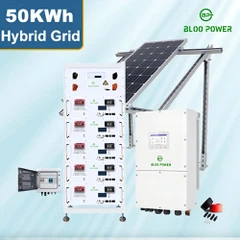
Under the new Finnish rules, developers of standalone grid-charged storage face the lowest priority, increasing the attractiveness of co-locating lithium-ion battery for solar energy storage with generation assets or committing to significant demand flexibility. Hybrid projects that pair solar PV with high capacity lithium ion battery for solar energy storage systems can potentially improve ranking by aligning with higher-priority consumption or plant-connected categories. Market participants are also monitoring how batch processing timelines and location-based capacity assessments will affect project bankability in congested regions.
Broader European Context and Market Outlook for Energy Storage Lithium Battery Solutions
Finland's policy forms part of a wider European trend in which grid congestion is prompting more sophisticated allocation mechanisms for new connections. At the same time, the energy storage lithium battery market continues to expand rapidly, supported by falling LFP costs, rising renewable penetration, and demand from data centers and electrification. Manufacturers offering CE certified lithium-ion batteries for grid-scale solar storage and flexible BESS architectures are well positioned to serve both priority and non-priority connection pathways as European capacity targets tighten through 2030 and beyond.
Long-Term Implications for Project Siting and Technology Selection
The combination of Finland's priority rules, accelerating solar deployment, and global growth in battery energy storage systems BESS underscores the need for careful technology and location choices. Developers evaluating Chinese-sourced systems such as those from BLOO POWER must verify full CE certification packages, cycle-life performance under Nordic climate conditions, and the ability to support flexibility services that can elevate a project's priority ranking. As the energy storage lithium battery market matures, integrated solar-plus-storage designs and certified, modular lithium-ion solutions are likely to gain competitive advantage in capacity-constrained grids.
Send Inquiry