

















How California Is Advancing Balcony-Mounted PV And Energy Storage?
Sep 12, 2026
Leave a message

California Clean Energy Legislation Advances Amid Rising Focus on Lithium-Ion Battery Storage Solutions
Legislative Momentum Builds for Distributed Clean Energy in California
As the legislative session nears its final votes, the California legislature is advancing several clean energy bills through key fiscal committees. With state electricity prices having doubled over the past decade, there is growing momentum for distributed generation, virtual power plants, and small-scale portable hardware. These measures aim to accelerate adoption of behind-the-meter resources, including battery systems that pair with solar to enhance grid resilience and lower consumer costs. Senate Bill 868, introduced by Senator Scott Wiener, has cleared the Assembly Appropriations Committee and is headed to the Assembly floor. The bill removes regulatory hurdles for plug-in balcony solar systems with capacities up to 1,200 watts, allowing residents to connect small systems to standard household outlets without the need for traditional grid interconnection applications or local permits.

Balcony Solar Systems Offer Immediate Household Savings Potential
An analysis by the Environmental Working Group indicates that a single 400-watt balcony system can meet approximately 14% of an average apartment's electricity needs, resulting in annual savings of about $250. The bill underwent several amendments in committee, and advocates are currently analyzing its impact. Pairing such systems with compact battery storage further multiplies benefits by enabling time-shifting of solar generation to evening peak periods, when electricity rates are highest. This aligns with broader trends where the energy storage capacity of lithium-ion batteries typically ranges from 90–300 Wh/kg depending on chemistry, with practical home systems delivering 5–20 kWh usable capacity for daily cycling.
Community Solar and Storage Valuation Reforms Gain Traction
Assembly Bill 1813, introduced by Assemblymember Christopher Ward, has passed the Senate Appropriations Committee and is proceeding to a Senate vote. The bill aims to break the deadlock in community solar development by directing regulators to use the California Public Utilities Commission's (CPUC) "Avoided Cost Calculator" to assess the value of community solar and storage projects. Under the bill, solar-plus-storage projects could discharge power during evening peak hours to capture the higher value defined by the calculator, thereby making community solar economically viable. Research from UCLA shows that while this calculation tool was developed a decade ago, regulators had previously refused to use it for valuing community solar. Grid modeling by Aurora Energy Research suggests that deploying 5.4 gigawatts of community solar and storage over 20 years under this model could yield $6.5 billion in system-level electricity cost savings. San Diego Community Power and Peninsula Clean Energy support the bill, countering arguments regarding "cost-shifting" raised by investor-owned utilities.
Virtual Power Plant Frameworks Advance Through Key Committees
Two bills concerning virtual power plants, introduced by Senator Josh Becker, have also passed the Assembly Appropriations Committee. Senate Bill 913 requires the CPUC to establish a valuation framework for behind-the-meter battery storage systems that export power to the grid during peak periods, complementing a pending CAISO proposal that would allow customer-side batteries to qualify for resource adequacy based on their full export potential. Senate Bill 905 establishes a grid utilization metric to measure distribution line load factors, identifying areas where existing capacity can accommodate additional load. State lawmakers had previously secured additional funding for demand-side grid support programs, extending participation through 2026. Meanwhile, Assembly Bill 1787-which would require utilities to provide consumers with access to real-time smart meter data-failed to advance out of the Senate Appropriations Committee. The active bills will undergo final votes in their respective chambers before being sent to the governor for signature.
Lithium-Ion Battery Technologies Underpin Expanding Distributed Storage Markets
These policy advances create strong demand for reliable storage hardware. The best type of lithium battery for home energy storage is widely recognized as lithium iron phosphate (LFP or LiFePO4) chemistry due to its superior thermal stability, longer cycle life of 3,000–8,000+ cycles at 80% depth of discharge, and lower fire risk compared with nickel-manganese-cobalt (NMC) alternatives. LFP systems typically achieve 90–160 Wh/kg energy density while offering 90–100% usable capacity and excellent high-temperature performance, making them ideal for residential solar pairing. In contrast, NMC provides higher density (150–300 Wh/kg) but shorter cycle life and elevated thermal runaway thresholds around 150–210°C versus LFP's 270–300°C.
Custom Solutions and Chinese Manufacturing Scale Support Home and Commercial Adoption
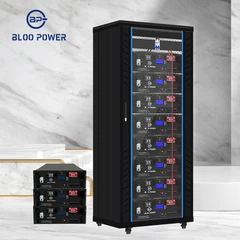
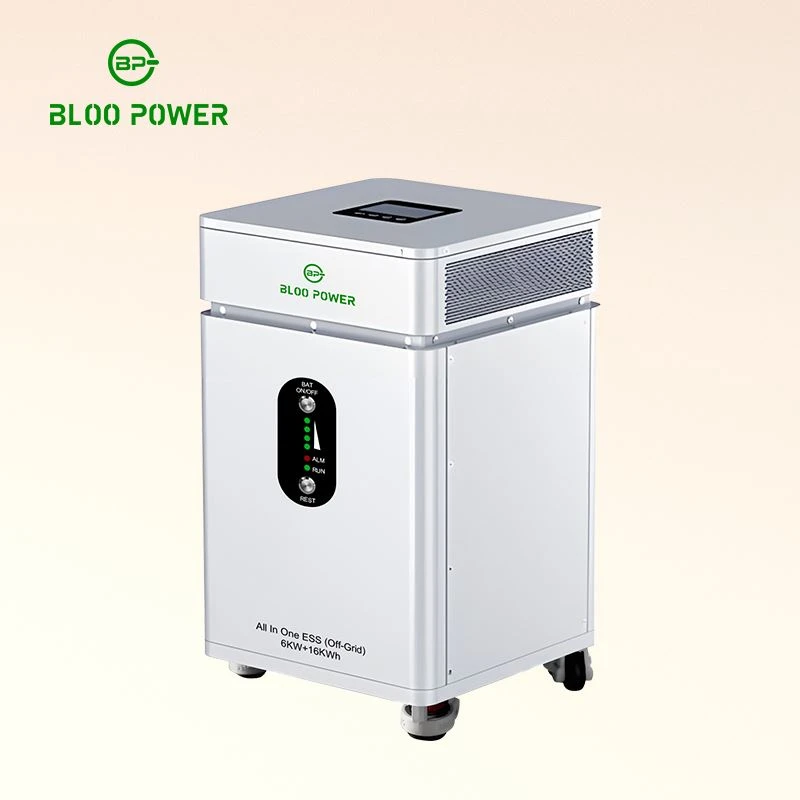
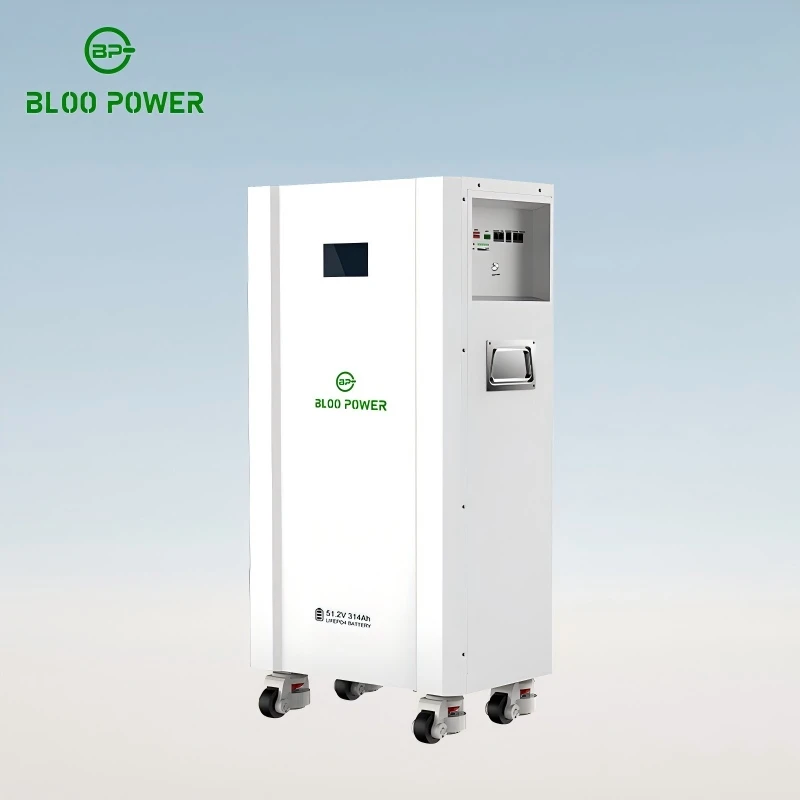
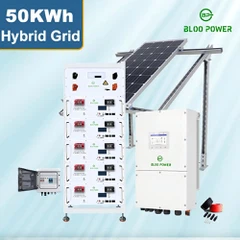
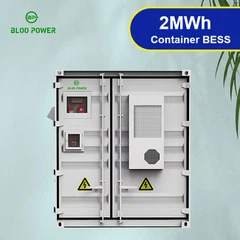
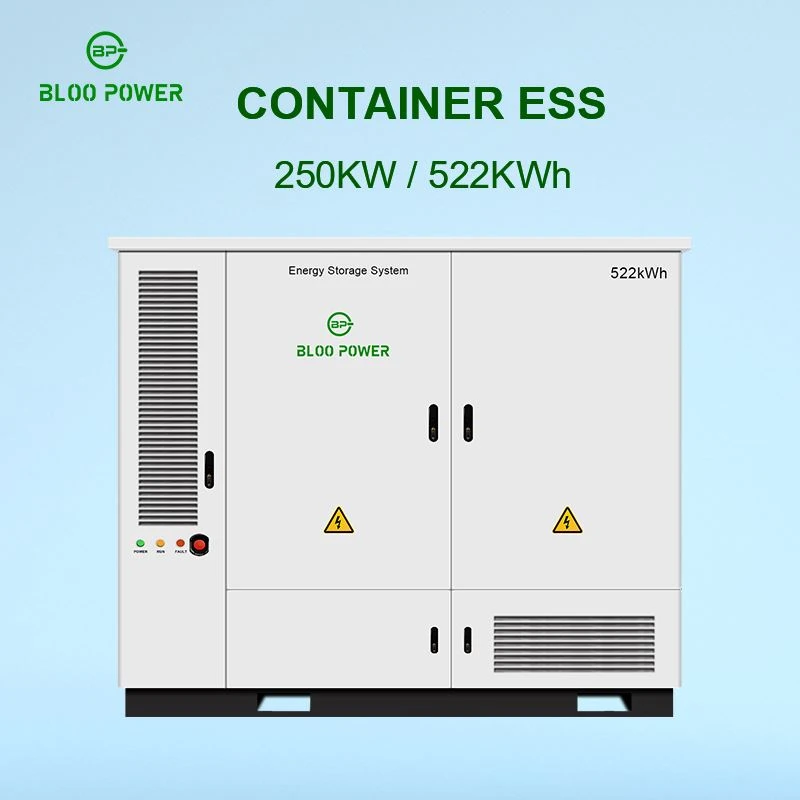
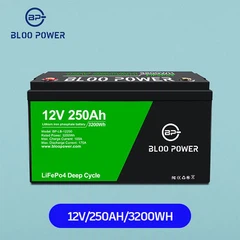
Market growth has accelerated demand for customized lithium ion batteries for solar energy storage, including modular rack-mounted, wall-mounted, and all-in-one units ranging from a few kWh for apartments to multi-hundred kWh commercial systems. BLOO POWER, a Shenzhen-based manufacturer, exemplifies this segment by offering LFP-based home energy batteries, portable stations, and commercial BESS with capacities such as 5–16 kWh residential packs and larger 100–215 kWh containerized systems. Their products feature cycle lives exceeding 6,500–8,000 cycles, IP65 ratings, and compatibility with major inverters, supporting OEM/ODM customization. China lithium ion battery energy storage system for sale options from producers like BLOO POWER provide competitive pricing and high-volume capacity, with annual production scales reaching multi-GWh levels to meet global residential and C&I needs.
Comparative Performance of Leading Lithium Chemistries for Stationary Storage
The following table summarizes key attributes relevant to home and community solar applications:
|
Feature |
LFP (LiFePO4) |
NMC |
Typical Home Use Preference |
|
Specific Energy |
90–160 Wh/kg |
150–300 Wh/kg |
LFP (safety & longevity) |
|
Cycle Life (80% DoD) |
3,000–8,000+ |
1,000–3,500 |
LFP |
|
Thermal Runaway Threshold |
~270–300°C |
~150–210°C |
LFP |
|
Usable DoD |
90–100% |
80–90% |
LFP |
|
Cobalt Content |
None |
Present |
LFP |
|
Round-Trip Efficiency |
92–96% |
90–95% |
Comparable |
Data drawn from industry analyses of stationary storage performance.
Recycling Economics Shape Long-Term Sustainability of Battery Deployment
As deployment scales under these California bills, attention turns to end-of-life management. The cost of recycling lithium ion batteries for energy storage varies significantly by process and chemistry: direct recycling often ranges $0.9–4.1/kg, hydrometallurgy $2.4–6.2/kg, and pyrometallurgy $2–6.3/kg of processed material. For LFP packs, recycling can sometimes incur gate fees of $1.50–2.00/kg due to lower recoverable metal value, while NMC may yield positive returns from nickel and cobalt recovery. Overall process costs frequently fall between $1.64–22.4/kg depending on scale, feedstock, and recovery rates, with modern facilities achieving high lithium, nickel, and cobalt yields. These economics influence total cost of ownership for solar-plus-storage projects and support circular-economy goals tied to virtual power plant participation.
Illustrative Capacity and Cost Ranges for Residential and Community Systems
To illustrate practical deployment options enabled by the pending legislation:
|
System Type |
Typical Capacity |
Chemistry |
Approximate Cycle Life |
Example Applications |
|
Balcony / Portable |
0.5–5 kWh |
LFP |
6,000+ |
Apartment solar self-consumption |
|
Wall-Mounted Home |
5–16 kWh |
LFP |
6,500–8,000 |
Daily solar time-shifting |
|
Rack / Stackable Residential |
10–80 kWh |
LFP |
6,500+ |
Whole-home backup + VPP |
|
Community / C&I Container |
100–215+ kWh |
LFP |
8,000 |
Shared solar + evening peak discharge |
These ranges reflect commercially available modular designs suitable for California's distributed generation push.
Policy and Technology Convergence Supports Broader Grid Benefits
The combination of simplified interconnection rules, improved community solar valuation, and virtual power plant frameworks positions California to integrate larger volumes of lithium-ion storage. Lithium iron phosphate batteries for residential solar storage and modular lithium ion battery energy storage solutions from Chinese manufacturers help lower barriers for households and community projects. High-capacity lithium battery systems from Chinese manufacturers, including those offering affordable LFP battery packs for home energy systems, further accelerate adoption. Recycling costs of lithium-ion batteries in energy storage applications remain a critical consideration for long-term project economics, while LFP vs NMC for home solar energy storage consistently favors LFP on safety, longevity, and total ownership cost metrics. Final legislative votes will determine how quickly these complementary hardware and policy pathways deliver measurable ratepayer and system benefits.
Send Inquiry