




















How Germany Reached A Record High in Renewable Energy Generation?
Sep 23, 2026
Leave a message

Germany Achieves Peak Renewable Share Amid Evolving Price Dynamics
Renewable energy generation in Germany reached a record high in July, accounting for 71.5% of total generation-the highest monthly share of the year. Although periods of negative electricity prices increased to 79 hours (up from 52 hours in June), market price volatility was notably more subdued compared to previous months. The average intraday auction price fell to approximately €104/MWh-a drop of about €6/MWh from June; midday prices frequently approached zero, while average prices during morning and evening peak periods remained between €110 and €120/MWh, creating a characteristic "bat-ear" price curve. The spread between the highest and lowest 15-minute prices in the second quarter reached €218.30/MWh, the second-highest quarterly value since 2020.
Shift in Battery Operator Revenue Structures Across Market Segments
For battery operators, the revenue structure shifted in July. Based on a benchmark 10 MW/20 MWh standalone storage plant in Germany, revenue from continuous intraday trading fell from €17,700/MW/month in June to €14,300/MW/month, a decline of approximately 19%; revenue from day-ahead and intraday auctions remained stable at €12,300/MW/month; and revenue from combined wholesale strategies dropped from €20,300 to €17,200/MW/month. Ancillary service capacity revenues remained largely flat: FCR held steady at €14,900/MW/month, while aFRR (positive, negative, and combined strategies) remained stable at €11,000, €13,000, and €12,000/MW/month, respectively. aFRR energy revenue was the exception, falling from approximately €1,400 to less than €1,000/MW/month. Total revenue from cross-market optimization strategies stood at €23,100/MW/month-down about 8% from June-yet remained approximately 33% higher than combined wholesale strategies and between 55% and nearly 2,400% higher than single-market trading strategies.
Transition from Scarcity Peaks to Structural Solar Surplus Patterns
Market dynamics in July differed from those in June: while June saw a scarcity-driven evening peak due to high temperatures, July reverted to a pattern of solar surplus, characterized by deep midday price troughs, a moderated evening peak, and a narrower intraday price spread. For battery operators, this shift means that revenue generation no longer relies on a handful of extreme price events but instead stems from arbitrage opportunities captured through consistent intraday structural price spreads. Cross-market portfolio strategies effectively absorbed these market changes, resulting in only a modest decline in overall returns. As renewable energy penetration rises, battery revenue models must adapt to diverse market mechanisms-ranging from scarcity-driven conditions to solar surplus scenarios-making the integration of energy markets with the relative stability of ancillary services a critical factor.
Rising Demand for Grid-Scale Lithium-Ion Solutions in High-Renewable Systems
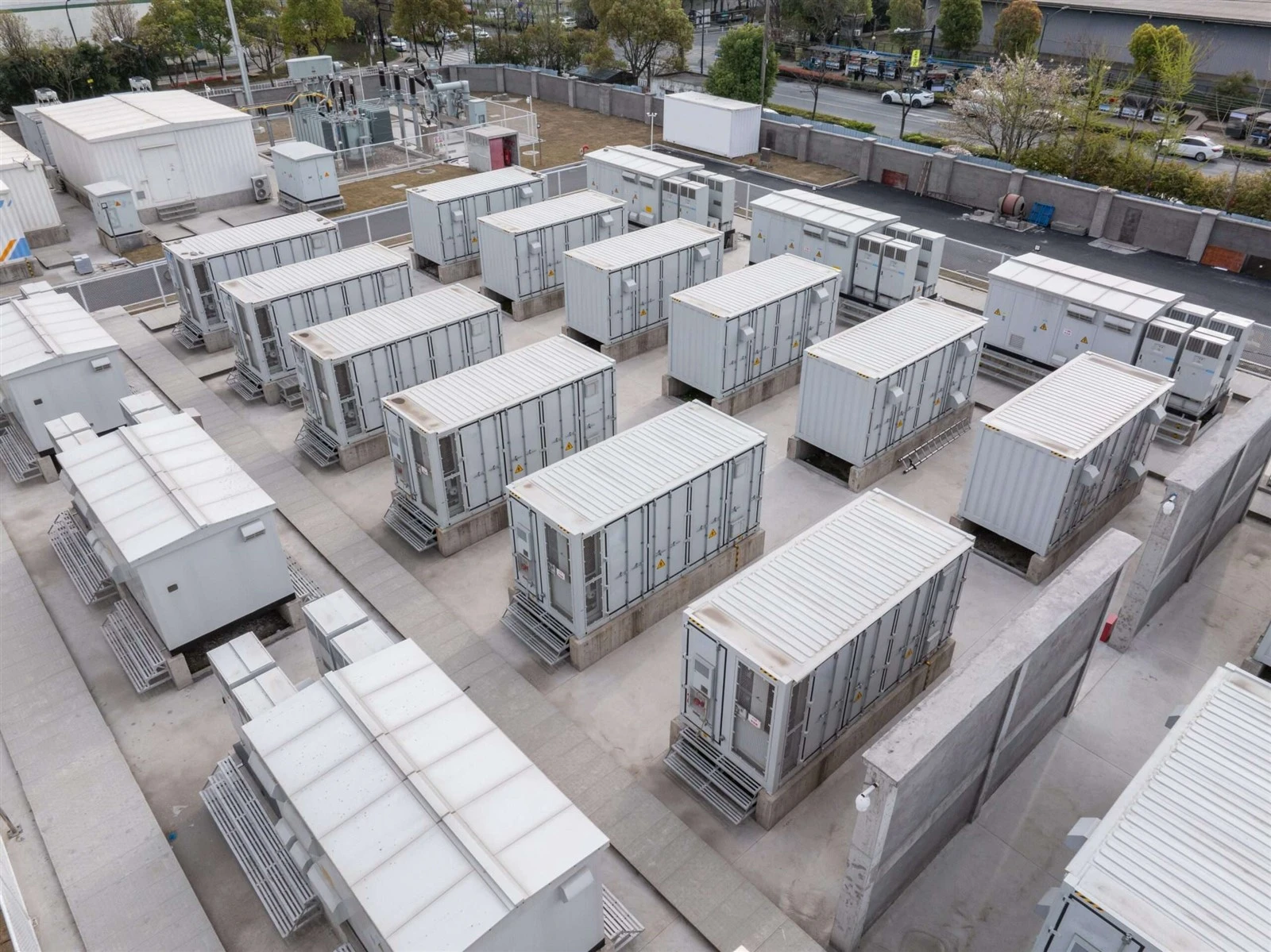
This evolving landscape underscores the accelerating need for lithium-ion battery energy storage systems for grid applications. Germany's grid-scale battery fleet reached approximately 2.4 GW by the end of 2025, with strong additions continuing into 2026, driven by the requirement to balance high solar and wind penetration. Operators increasingly turn to wholesale lithium ion battery energy storage system deployments that enable multi-market participation, capturing both energy arbitrage and frequency regulation revenues. High-capacity LFP battery storage for renewable integration has become particularly relevant, as these systems deliver the cycle life and safety needed for daily cycling under solar-surplus conditions.
LFP Technology Dominance and Manufacturing Advances Supporting Solar Pairing
LFP cell lithium batteries for solar energy storage systems continue to gain market share due to their superior thermal stability, longer cycle life (often exceeding 6,000 cycles), and lower cost compared with earlier NMC chemistries. Industry data indicate that LFP chemistry now accounts for the majority of new stationary storage installations in Europe, with cell prices having declined substantially in recent years. An energy storage lithium battery factory capable of producing high-volume LFP modules at competitive costs is essential for meeting the projected growth in co-located solar-plus-storage projects across Germany and the wider EU. Providers offering oem energy storage lithium battery solutions allow project developers to customize system configurations for specific grid-connection and duration requirements.
Cross-Market Optimization Remains Key to Resilient Returns
Analysis of July performance shows that while pure wholesale revenues softened, portfolios combining energy trading with ancillary services maintained stronger overall returns. Grid-scale lithium-ion energy storage solutions Germany operators who employed forecast-based optimization across day-ahead, intraday, FCR, and aFRR markets limited the month-on-month decline to roughly 8%. This resilience highlights the value of advanced battery energy storage systems for frequency regulation, which continue to provide relatively stable capacity payments even when energy market spreads narrow.
Industry Expansion and Supply-Chain Developments
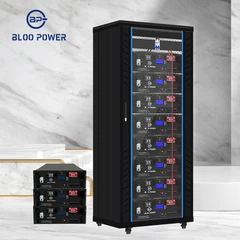
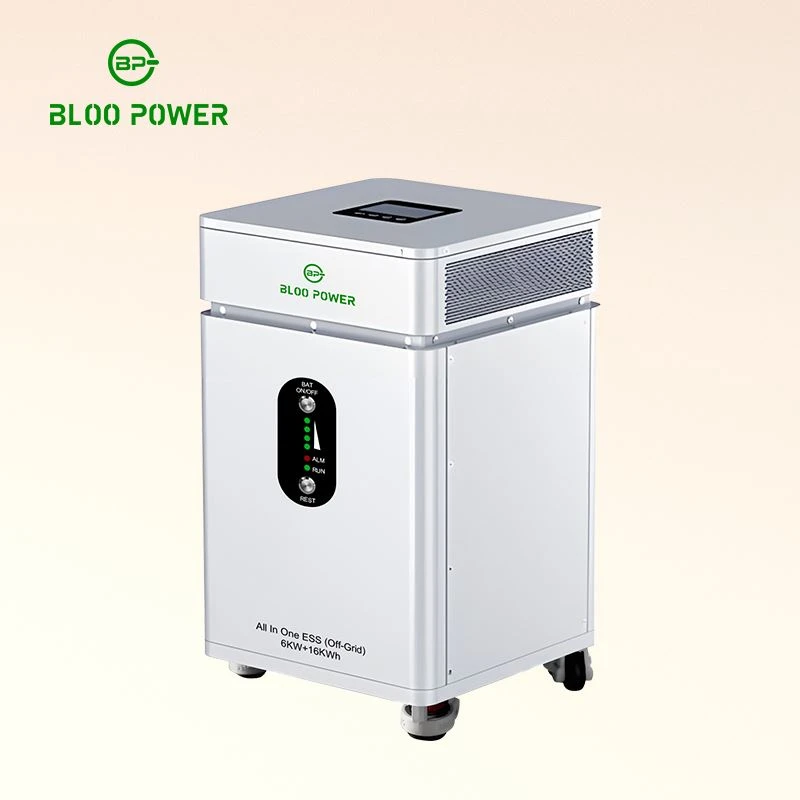
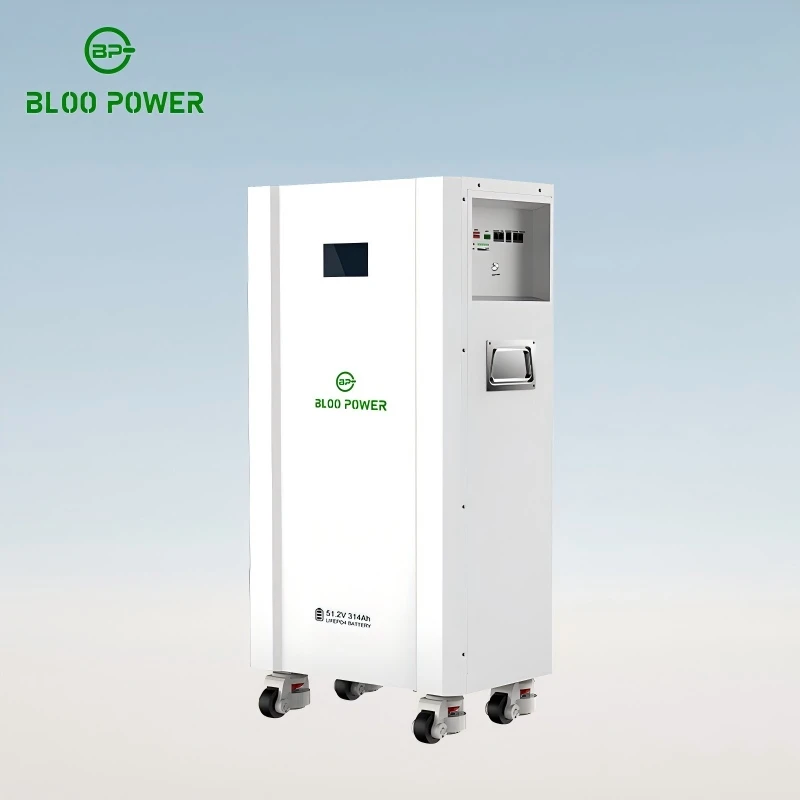
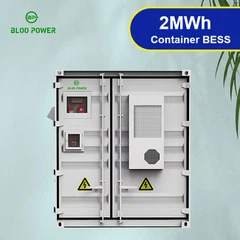
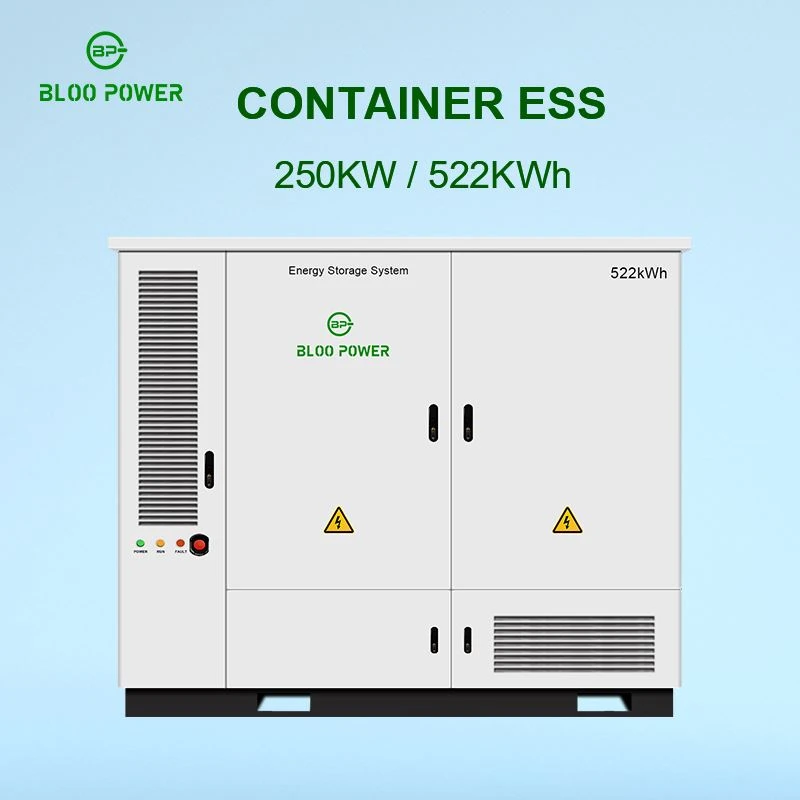
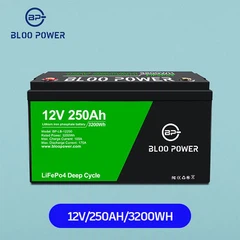
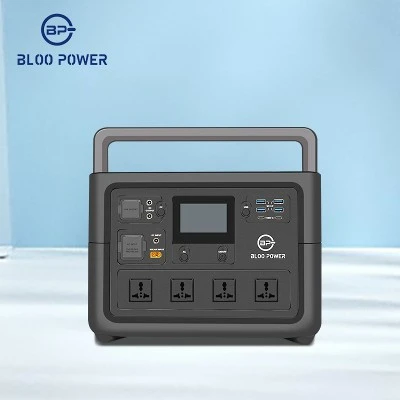
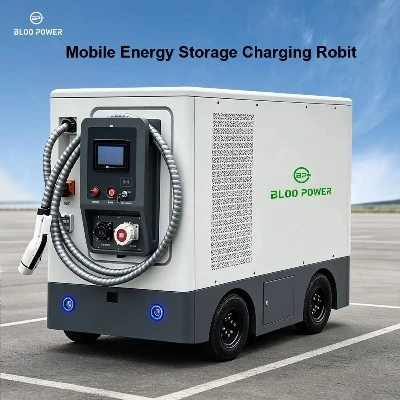
Recent market reports confirm rapid capacity growth: Germany added hundreds of megawatts of large-scale storage in 2025 alone, with a substantial pipeline of projects aiming for multi-gigawatt additions through 2026–2027. Factory-direct lithium iron phosphate cells for ESS are increasingly sourced from specialized manufacturers that combine OEM/ODM capabilities with rigorous certification standards (CE, UL, IEC). One such provider, BLOO POWER, has positioned itself as a supplier of modular LiFePO4 systems suitable for both residential/commercial and larger grid-support applications, emphasizing long warranties and scalable production. Wholesale OEM lithium battery systems for solar farms from such factories help reduce lead times and system costs for developers responding to Germany's record renewable shares.
Comparative Revenue Performance of Storage Strategies (July Benchmark)
|
Strategy |
Approximate Revenue (€/MW/month) |
Change vs. June |
Key Revenue Drivers |
|
Continuous Intraday Trading |
14,300 |
–19% |
Structural midday-to-peak spreads |
|
Day-Ahead + Intraday Auctions |
12,300 |
Stable |
Auction clearing prices |
|
Combined Wholesale |
17,200 |
–15% approx. |
Multi-market energy arbitrage |
|
FCR Capacity |
14,900 |
Flat |
Frequency containment reserves |
|
aFRR Combined Capacity |
12,000 |
Flat |
Automatic frequency restoration |
|
Cross-Market Optimization |
23,100 |
–8% |
Energy + ancillary services |
Data based on simulated 10 MW/20 MWh standalone plant performance.
Negative Price Hours and Intraday Spreads – Recent Context
|
Period |
Negative Price Hours |
Notes on Market Conditions |
|
June 2026 |
52 |
Heat-driven scarcity evening peaks |
|
July 2026 |
79 |
Solar surplus, deeper midday troughs |
|
Q2 2026 (highest–lowest 15-min spread) |
€218.30/MWh |
Second-highest quarterly value since 2020 |
These figures illustrate the transition from scarcity-driven volatility to more predictable structural spreads that favor consistent cycling of lithium-ion systems.
Outlook for Storage Deployment and Technology Selection
As Germany continues to push renewable penetration well above 60–70% in high-generation months, the economic case for lithium-ion battery energy storage systems for grid applications strengthens. Project developers and utilities are prioritizing systems built around LFP cell lithium batteries for solar energy storage systems that can withstand high cycle counts while maintaining safety and calendar life. Access to reliable wholesale lithium ion battery energy storage system supply, combined with flexible OEM arrangements, will be decisive for meeting both near-term grid-balancing needs and longer-term flexibility targets. Manufacturers such as BLOO POWER, operating as an energy storage lithium battery factory with OEM capabilities, illustrate the type of specialized supply chain now supporting European deployment of these technologies.
Send Inquiry