




















South Korea Deploys 85 Energy Storage Systems To Support 485 MW Of Solar PV Grid Connection.
Mar 02, 2026
Leave a message
South Korea is investing $223 million to develop a new generation of distributed grids, deploying 85 energy storage systems to support 485 MW of solar PV grid integration
South Korea's Ministry of Climate, Energy, and Environment recently announced its new generation distributed grid strategy, planning to invest 223 billion won to support regional electricity production and consumption. This strategy will upgrade regional distribution networks to better accommodate fluctuating renewable energy sources, while flow batteries for renewable energy storage offer promising long-duration solutions for managing intermittency in such systems. To alleviate congestion, the plan includes deploying 85 energy storage systems by 2030, with the first 20 installed in 2026, expected to add 485 MW of solar PV capacity. Small-scale energy storage devices will also support solar income village projects. For small- to medium-sized load scenarios such as industrial parks and university towns, microgrids will be developed to smooth demand and improve distribution network utilization. The authorities also plan to reform grid connection rules, expanding the conditional renewable energy capacity per distribution line to 16 MW.

Korea Electric Power Corporation (KEPCO) will act as the distribution system operator, employing an advanced distribution management system to predict solar output and dynamically control energy storage charging to prevent overload. For deeper insights into these technologies, resources like the Handbook on Battery Energy Storage System from the Asian Development Bank provide comprehensive guidance on applications, technologies, business models, and regulations for BESS projects.The ministry announced the launch of a non-grid substitution compensation mechanism, offering rewards to operators when energy storage systems replace grid construction needs, with Jeju Island as the first pilot site. The government also indicated that market reforms will begin in Jeju Island, including the introduction of an electricity demand bidding system to shift consumption towards electric heating and electric vehicle charging when renewable energy generation lowers prices. The renewable energy bidding system piloted in Jeju Island will be extended to the rest of the country this year.
Battery energy storage systems (BESS) work by storing excess electricity-often from renewables-in rechargeable batteries during periods of high generation and releasing it during peak demand or low output. Electrochemical batteries convert electrical energy to chemical energy for storage and reverse the process for discharge, with components like battery management systems ensuring safety and efficiency. Global grid investment is projected to reach $372 billion by 2030, and South Korea plans to build a domestic next-generation distributed grid industry ecosystem. In this context, the Li-ion battery for energy storage systems ESS market continues to expand rapidly, driven by cost reductions and widespread adoption in grid-scale and distributed applications, though alternatives like flow batteries are gaining traction for longer-duration needs.Universities, public power companies, and private enterprises will collaborate through the K-Grid talent and startup cluster, including building technology demonstration and testing platforms. The government will also host the K-Grid Future Festival to support investment and research in virtual testing platforms and AI-based multi-microgrid platforms. Two cooperation agreements were signed during the forum, one between the Ministry of Climate, Energy and Environment, the Korea Energy Agency, Korea Electric Power Corporation, and the Korea Electric Power Exchange to strengthen information sharing and energy storage system operation, and another agreement was signed with four universities to support talent development. Project operators for distribution network energy storage and microgrid installations are expected to be selected in the second quarter after soliciting proposals in the first quarter.
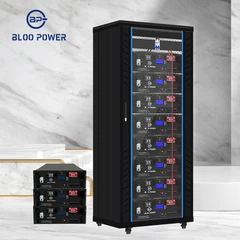
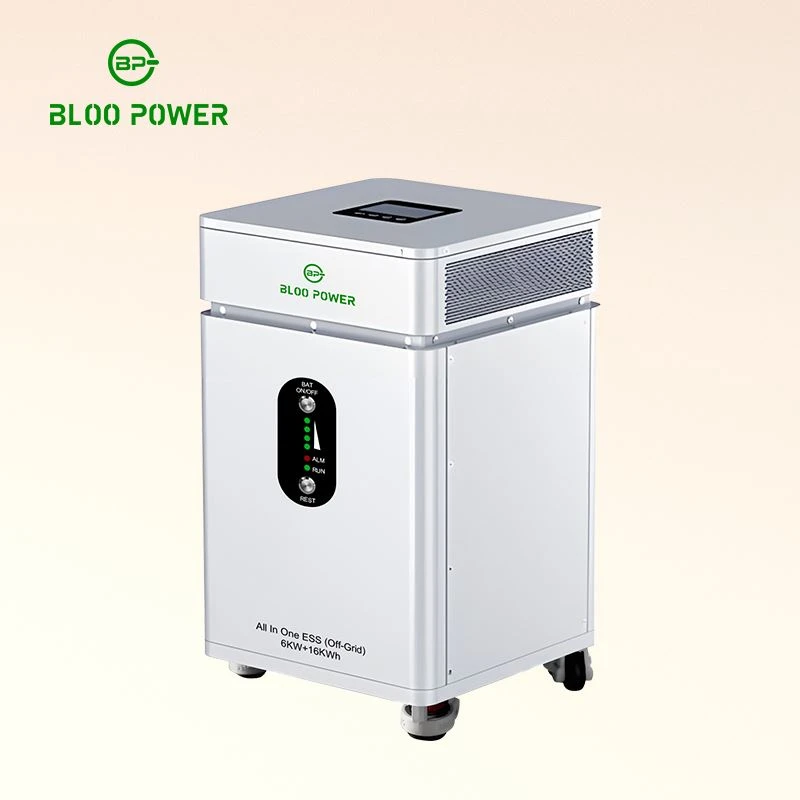
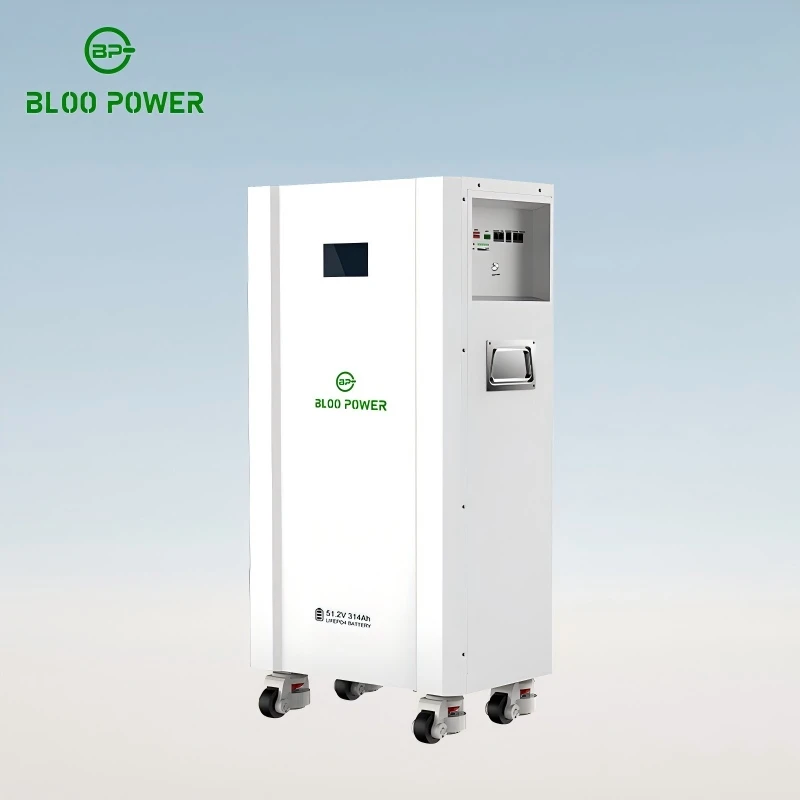
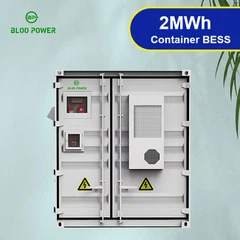
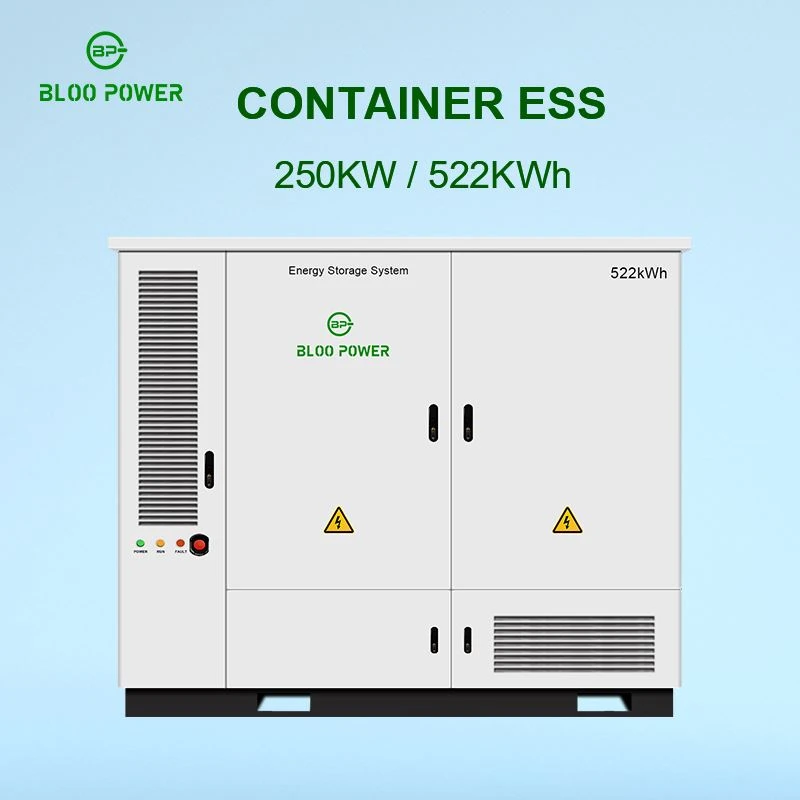
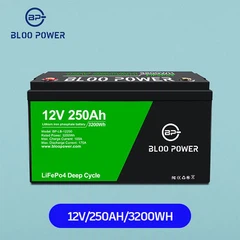
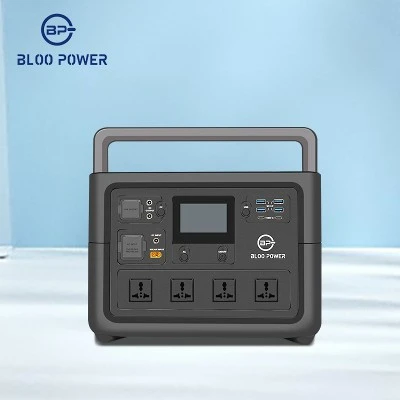
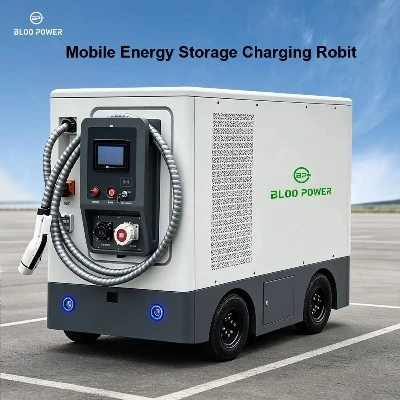
Companies like BLOOPOWER, a provider specializing in lithium-based home and industrial/commercial energy storage solutions, highlight the growing ecosystem of players supporting scalable BESS deployments worldwide, aligning with initiatives like South Korea's push for enhanced grid flexibility and renewable integration.

Send Inquiry