


























Spain’s Ministry For The Ecological Transition Advances Planning For Renewable Energy Acceleration Zones
May 04, 2026
Leave a message
Spain's Ministry for the Ecological Transition Advances Planning for Renewable Energy Acceleration Zones, Mandating Benefit-Sharing with Neighboring Regions
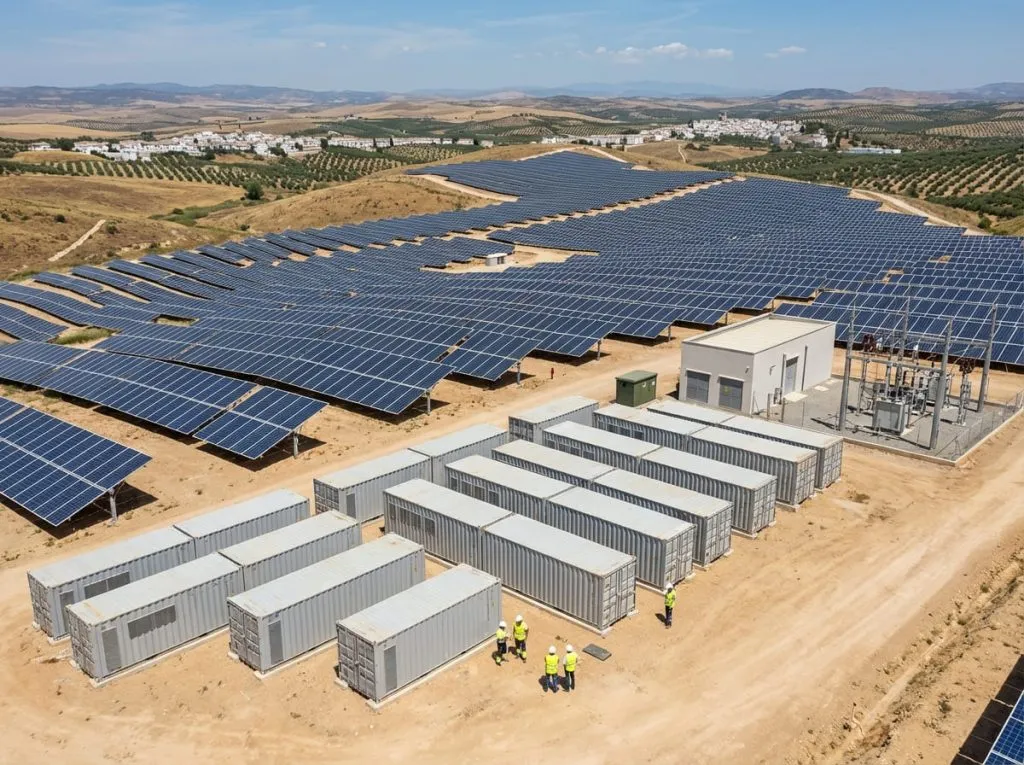
Spain's Ministry for the Ecological Transition and the Demographic Challenge recently launched four preliminary public consultations to formulate new regulations based on Royal Decree-Law 7/2026. This decree-law, which approved a comprehensive response plan to the crisis in the Middle East, aims to reduce dependence on imported fossil fuels through structural measures, accelerate the energy transition, and enhance overall societal benefits-particularly for communities located near renewable energy generation facilities.
Royal Decree-Law 7/2026 transposes Directive (EU) 2023/2413, establishing a regulatory framework for "renewable energy acceleration zones." These zones are designated as areas particularly suitable for the construction of renewable energy power plants-along with associated grid connection or energy storage infrastructure-where such development is not expected to result in significant environmental impacts. Priority is given to industrial sites, urbanized land, and degraded lands that have already undergone significant alteration-such as landfills, mines, and quarries.
The decree-law also mandates that large-scale power plants, in addition to fulfilling their standard tax or quota obligations, must provide benefits back to neighboring regions. A separate consultation will be dedicated to drafting the relevant ministerial order, which will define the specific forms of benefit-sharing, the geographical scope of beneficiary areas, the parameters for measuring, certifying, and verifying these benefits, and the requirements for public participation processes. Furthermore, a voluntary "Social and Territorial Excellence Standard" will be introduced for renewable energy, energy storage, and grid infrastructure projects; projects that meet this standard will gain advantages when securing grid connection permits, participating in competitive auctions for renewable energy economic mechanisms, or seeking designation as strategic projects. The final consultation focuses specifically on biogas projects-a technology with the potential to displace more than 10% of imported fossil natural gas. All four public consultations will remain open until May 15 to gather input from relevant stakeholders.
Send Inquiry