




















How Much Economic Value Can A Residential energy storage system Bring?
Jul 01, 2026
Leave a message

With rising electricity prices, the increasing prevalence of solar power generation, and growing demand for home energy management, more and more families are installing home energy storage systems. One of the most pressing questions for many when purchasing energy storage is:
How much economic value can a residential energy storage system actually create? How long does it take to recoup the investment?
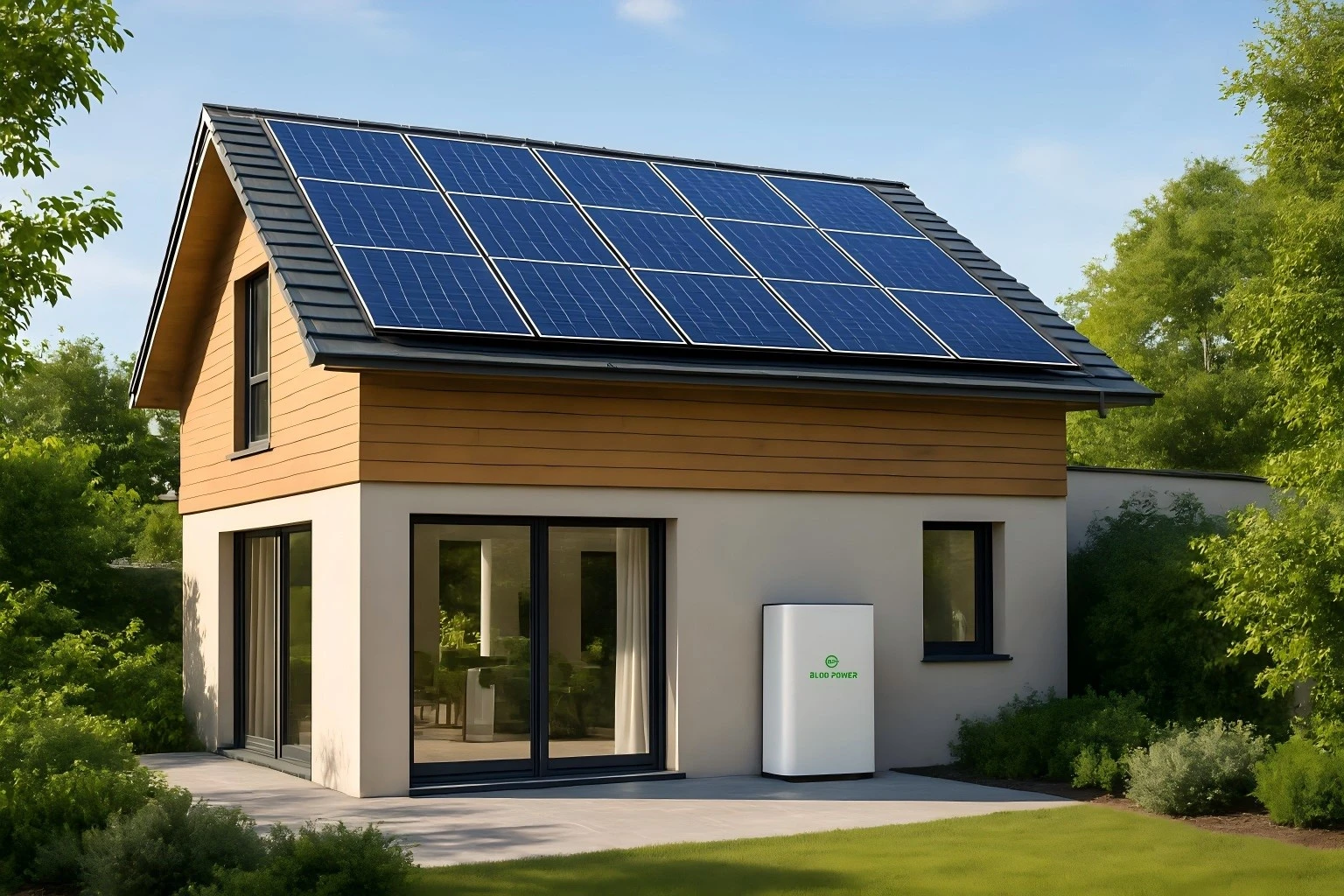
In fact, residential energy storage is more than just a battery; it's more like a home's "energy bank," capable of continuously generating value through various means such as peak shaving, self-consumption, backup power, and grid revenue sharing.
Below, we analyze in detail the economic benefits of a residential energy storage system from seven aspects.
1. Increase self-consumption rate of photovoltaic power and reduce electricity purchase costs.
For households that have already installed solar systems, daytime power generation is often higher than household electricity consumption.
Without energy storage:
● Excess electricity is sold to the grid.
● Electricity prices are usually low.
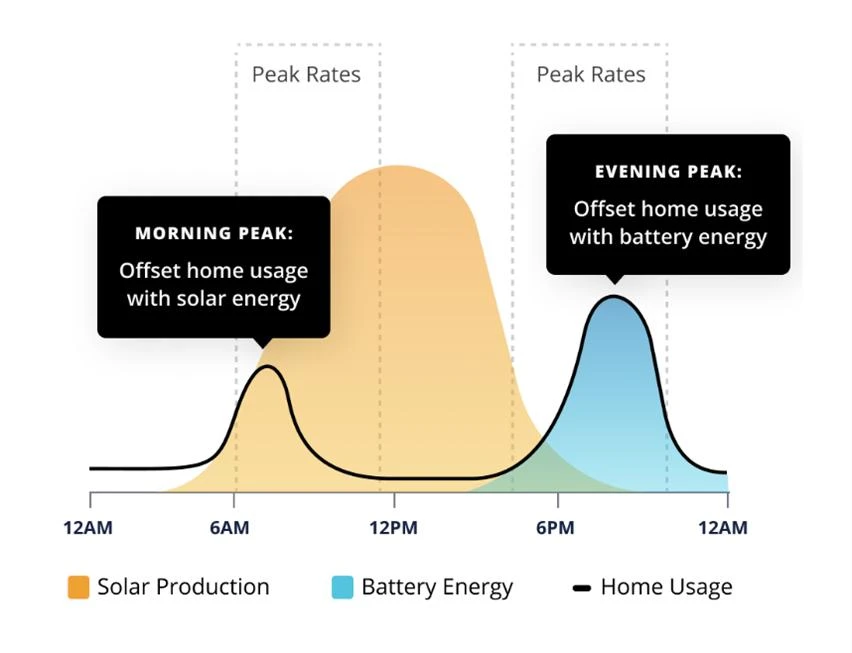
With energy storage:
● Excess daytime electricity is stored in batteries.
● Stored energy at night.
● Significantly reduces electricity purchases from the grid.
Example
Assumptions:
● Daily solar power generation: 40 kWh
● Daytime household use: 15 kWh
● Excess 25 kWh stored
Nighttime: Direct use of 25 kWh of stored energy
Local electricity price: $0.30/kWh
Daily savings: 25 × 0.30 = $7.50
Annual savings:
Approximately $2,700
Comparison with and without energy storage
|
Comparison Projects |
without energy storage |
with energy storage |
|
Excess electricity generation during the day |
Selling electricity grid |
Store battery |
|
Electricity at night |
Electricity purchase |
Battery powered |
|
Photovoltaic utilization rate |
30%~50% |
70%~95% |
|
Electricity expenses |
high |
Significantly reduced |
2. Utilize peak-valley electricity pricing arbitrage to save on daily electricity costs.
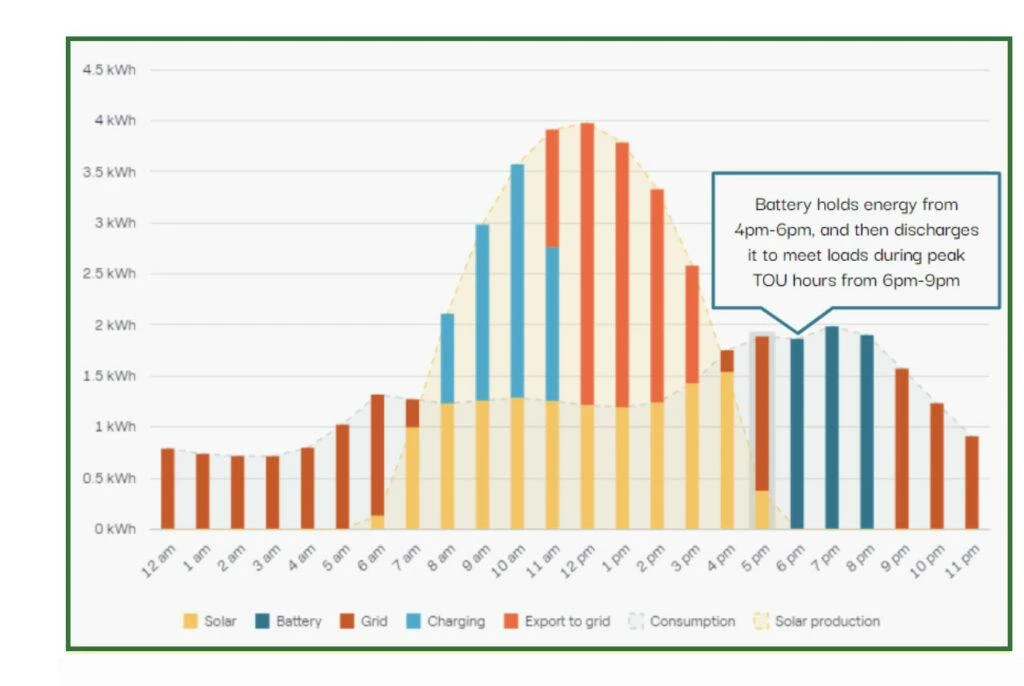
Many countries implement time-of-use pricing for electricity, for example:
|
Time period |
electricity price |
|
Off-peak electricity |
$0.10/kWh |
|
Normal electricity |
$0.20/kWh |
|
Peak Electricity |
$0.40/kWh |
Energy storage can:
● Charge at low prices overnight
● Discharge at high prices during the day
Daily savings:
For example, 20kWh: (0.40-0.10)×20= $6/day
Annual savings: Approximately $2,190
The benefits are even greater if combined with solar energy.
3. Ensure uninterrupted power supply during power outages to avoid economic losses.
Happens every year in many areas:
● Typhoon
● Heavy rain
● Mountain fire
● Grid failure
A power outage may cause:
● Food damaged in refrigerator
● Network outage
● Home office stopped
● Medical equipment power outage
Security equipment failure
After installing energy storage:
It can provide continuous power for:
● 5 hours
● 10 hours
● 24 hours or more (depending on capacity)
Although these benefits are difficult to quantify, they are of extremely high value to households.
4. Extend the return on photovoltaic investment and improve the overall rate of return on investment.
Without energy storage: Large amounts of electricity generated can only be sold at low prices.
With energy storage: More electricity can be retained for personal use.
Because: The price of electricity for personal consumption is usually much higher than the price for electricity sold.
For example: Selling electricity: $0.08/kWh Buying electricity: $0.30/kWh For every kWh utilized:
Equivalent to an increase in revenue of: $0.22.
In the long run: The ROI of the entire photovoltaic system significantly improves.
Comparison of revenue from different models
|
model |
Electricity price revenue |
|
Selling electricity grid |
$0.06~$0.10/kWh |
|
Self-use |
$0.20~$0.40/kWh |
|
Peak-valley arbitrage |
$0.20~$0.35/kWh |
|
PV + Energy Storage |
Highest overall return |
5. Increase property value and enhance residential competitiveness.
More and more homebuyers are focusing on:
● Whether it has solar power
● Whether it has energy storage installed
● Whether it supports smart energy management
Homes with complete energy systems typically offer:
● Lower energy costs
● Greater energy independence
● Higher market appeal
In some mature markets, homes with solar PV + energy storage are easier to sell and often command higher prices.
6. Participate in Virtual Power Plants (VPPs) to generate additional income.
In the future, more and more countries will support: Residential energy storage participation:
● Virtual power plant (VPP)
● Grid frequency regulation
● Demand response
When the grid needs electricity:
Residential energy storage:
● Discharging to the grid
● Receiving subsidies
● Earning revenue
Currently: Countries such as Australia, Germany, the United States, and Japan have already launched related projects.
This revenue stream is expected to continue to grow in the future.
7. Reduce the long-term risks brought about by rising energy prices.
Global electricity prices have generally been rising in recent years.
With the installation of energy storage:
Households can reduce their dependence on the power grid.
Even in the future:
● Electricity prices rise
● Energy crisis
● Power shortage
Households can still:
● Use solar energy
● Use energy storage batteries
Achieve energy independence.
This provides long-term economic security.
Summary of the economic value of residential energy storage systems
|
Source of value |
Whether it directly benefits |
Long-term value |
|
Increase the self-consumption rate of photovoltaic power |
✔ |
★★★★★ |
|
Peak-valley electricity price arbitrage |
✔ |
★★★★★ |
|
Reduce electricity expenses |
✔ |
★★★★★ |
|
Backup power supply during power outage |
indirect |
★★★★☆ |
|
Improve the return on photovoltaic investment |
✔ |
★★★★★ |
|
Increase property value |
indirect |
★★★★☆ |
|
Virtual power plant revenue |
✔(Some areas) |
★★★★☆ |
|
To resist future electricity price increases |
indirect |
★★★★★ |
How long does it take to recoup the cost of a residential energy storage system?
The actual payback period will be affected by the following factors:
● Local electricity price level
● Whether solar power is installed
● Peak-valley electricity price difference
● Government subsidy policies
● Energy storage system capacity
● Household electricity consumption habits
Under normal circumstances:
|
Use cases |
Expected investment payback period |
|
PV + Energy Storage + Peak-Valley Electricity Pricing |
5~8years |
|
PV + Energy Storage (No Peak-Valley Arbitrage) |
6~10years |
|
Energy storage only (no photovoltaic) |
8~12years |
|
Regions enjoying subsidies |
4~7years |
In summary
the value of residential energy storage systems lies not only in saving on electricity bills, but also in improving energy efficiency, enhancing home power supply reliability, and creating more revenue opportunities in the future energy market. Through various means such as increasing solar self-consumption rates, utilizing peak-valley electricity pricing arbitrage, reducing power outage losses, increasing property value, and participating in virtual power plants, a well-configured residential energy storage system can continuously generate substantial economic benefits throughout its entire lifecycle. For households with solar power systems or planning to install solar energy, energy storage is gradually transforming from an "optional feature" into a crucial component for enhancing the return on their home energy investment.
Send Inquiry