




















Greece’s Energy Storage Demand Rises, Yet Deployment Faces Obstacles
Mar 14, 2026
Leave a message
Greek solar producers face rising curtailment rates, while demand for energy storage grows but deployment is hampered
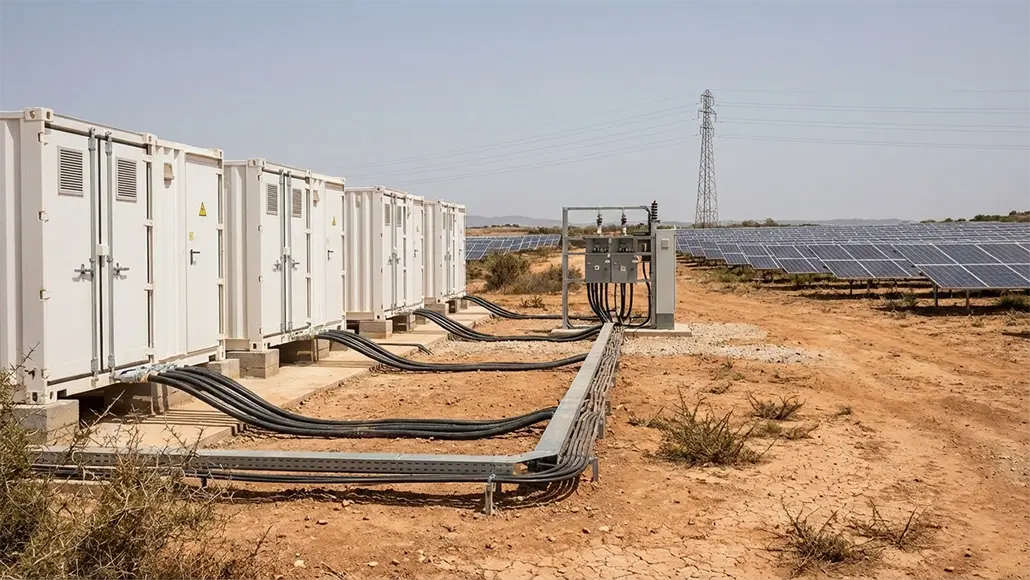
Greek solar producers are facing increasingly severe power curtailment problems, which are cutting their revenues and driving interest in energy storage, although regulatory and financing challenges are slowing deployment. The country's renewable energy generation is projected to reach approximately 51 terawatt-hours (TWh) in 2025, with solar and wind contributing about 25 TWh, meeting 56% of its electricity demand. However, curtailment is a significant issue, with 900 GWh curtailed in 2024, increasing to approximately 2 TWh in 2025, and an estimated 3.3 to 3.7 TWh of renewable energy curtailment expected in 2026, representing a roughly 75% increase from 2025.
The curtailment primarily occurs between 9:00 AM and 4:00 PM Eastern Time, directly impacting photovoltaic (PV) plants. Giannis Panages, president of the Hellenic Solar Producers Association, pointed out that 184 GWh of curtailment has occurred so far this year, significantly higher than the 3 GWh curtailed during the same period last year. Curtailment accounted for approximately 7.5% of total renewable energy generation last year, and is projected to rise to 12% by 2026. Talia Varkouma, president of Faria Renewable Energy, stated that curtailment last year resulted in a revenue loss of about 20% for Greek photovoltaic (PV) producers. Many investors and some banks are attempting to pair PV projects with energy storage to create new revenue streams, but few domestic banks are willing to finance energy storage projects.
Greece conducted three battery storage tenders in 2023, 2024, and 2025, awarding a total capacity of 900 MW with subsidies, but no projects are currently operational. Meanwhile, local investors are focusing on a 4.7 GW utility-scale independent project plan, which will enjoy priority grid access and operate on an unsubsidized business model. Energy storage is seen as a solution to curtailment and declining revenue, but market risks persist. Domestic energy demand has stagnated for years, and electric vehicle penetration is low, with no significant growth expected in the next five years. Despite the existence of a policy framework, grid operators, the Ministry of Energy, and regulators have made slow progress in coordinating and implementing common policy objectives; current regulations even prohibit aggregators from representing batteries in the energy market.

Send Inquiry