



















How Australia Is Driving Renewable Energy And Battery Storage?
Sep 19, 2026
Leave a message

Sharp Decline in Australian NEM Wholesale Prices Driven by Renewables and Battery Storage
Average wholesale electricity prices in Australia's National Electricity Market (NEM) fell by 40% to 65% year-on-year in the second quarter. BNEF reports that increased renewable energy generation and higher battery discharge volumes during evening peak periods were the primary drivers behind the sharp decline in electricity prices and intraday price volatility. The average intraday arbitrage price in the NEM for the quarter was A$103 (US$73)/MWh-a 79% year-on-year drop-largely due to a mild winter and reduced evening demand. Intensifying competition among utility-scale batteries caused arbitrage revenue to slide 84% year-on-year to A$60/MWh; BNEF suggests this may signal a growing "cannibalization" effect on revenue as new capacity comes online.

Expanding Role of Energy Storage Lithium Batteries in Grid Balancing
BNEF projects that actual battery prices and returns will remain under pressure as renewable energy and storage capacities expand. Utility-scale battery arbitrage revenue for the second quarter totaled A$53 million (€32.5 million), down 57% year-on-year, while revenue from Frequency Control Ancillary Services (FCAS) fell 51% to A$4.8 million (€2.9 million) as rapid capacity growth saturated the market. Vena Energy's Tailem Bend 2 hybrid battery project in South Australia recorded the highest average FCAS market value among NEM batteries during the quarter, at A$27/MWh per day. This evolution underscores the rising importance of high-performance energy storage lithium battery systems capable of rapid response, including those designed for the lithium battery for 1c energy storage system market, where 1C-rate batteries enable full charge or discharge within one hour to capture fleeting price differentials.
Batteries Overtake Gas as Primary Intraday Balancing Technology
BNEF notes that utility-scale batteries have surpassed gas-fired generation to become the primary technology for balancing intraday renewable energy fluctuations. At 6:00 PM during the second quarter, batteries met an average of 8.4% of electricity demand-a 270% increase from 3.1% in the same period last year-while the share of gas-fired generation dropped from 12.6% to 6.8%. Batteries set the wholesale electricity price in 39% of the quarter's trading intervals, up from 19% a year earlier. Wind and solar power combined to supply 35% of total generation, up from 31% the previous year, further squeezing coal, gas, and liquid-fuel power plants. Writing for ESS News, EORA Energy CEO James Costello stated that while the Australian market still requires years to mature, the era of "easy revenue" is over, and he emphasized the importance of long-duration energy storage. Parallel developments in residential applications highlight growing demand for home energy storage solar lithium ion battery solutions that allow households to store daytime solar output and discharge during evening peaks, mirroring utility-scale arbitrage strategies at a smaller scale.
Global Context: China's Dominance in Energy Storage Lithium Battery Supply
Beyond Australia, the global energy storage lithium battery sector continues rapid expansion, with China maintaining overwhelming leadership in manufacturing and deployment. China's energy storage lithium battery shipments have grown substantially, supported by policy-driven domestic installations and strong export demand. Industry data indicate that global lithium-ion battery shipments for energy storage reached hundreds of GWh annually in recent years, with China accounting for the large majority of production capacity and shipments. Affordable, high-cycle-life lithium iron phosphate (LFP) chemistries from Chinese producers have become the standard for both utility-scale and distributed applications. Products such as the widely adopted 48v 100ah energy storage lithium ion battery (typically delivering approximately 4.8–5.12 kWh) are particularly popular for residential and small commercial solar systems due to their modularity, compatibility with common inverters, and suitability for daily cycling.
Key Metrics from Australia's NEM Battery Performance (Illustrative Q2 Comparison Based on Reported Trends)
|
Metric |
Recent Quarter Value |
Year-on-Year Change |
Primary Driver |
|
Average wholesale price decline |
40–65% |
Sharp drop |
Renewables + battery discharge |
|
Intraday arbitrage price |
A$103/MWh |
–79% |
Mild weather, lower peak demand |
|
Utility-scale arbitrage revenue |
A$53 million |
–57% |
Capacity growth & competition |
|
FCAS revenue |
A$4.8 million |
–51% |
Market saturation |
|
Battery share of 6 PM demand |
8.4% |
+270% |
New capacity additions |
|
Battery price-setting intervals |
39% |
From 19% |
Increased discharge capability |
Growing Demand for Modular Residential and Commercial Solutions
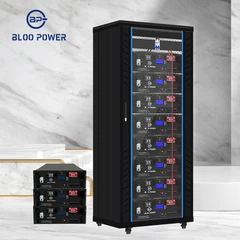
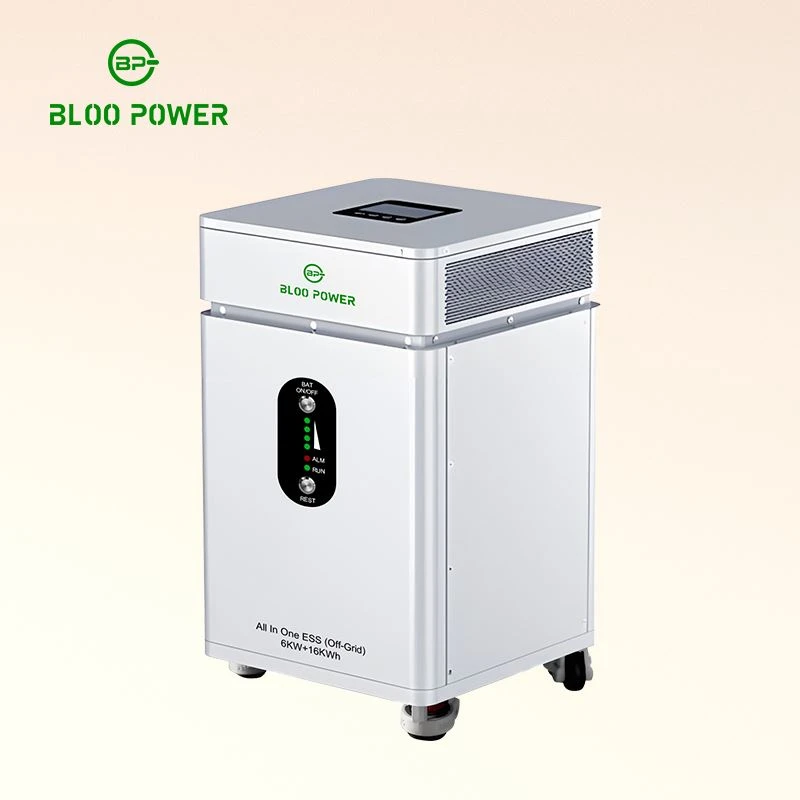
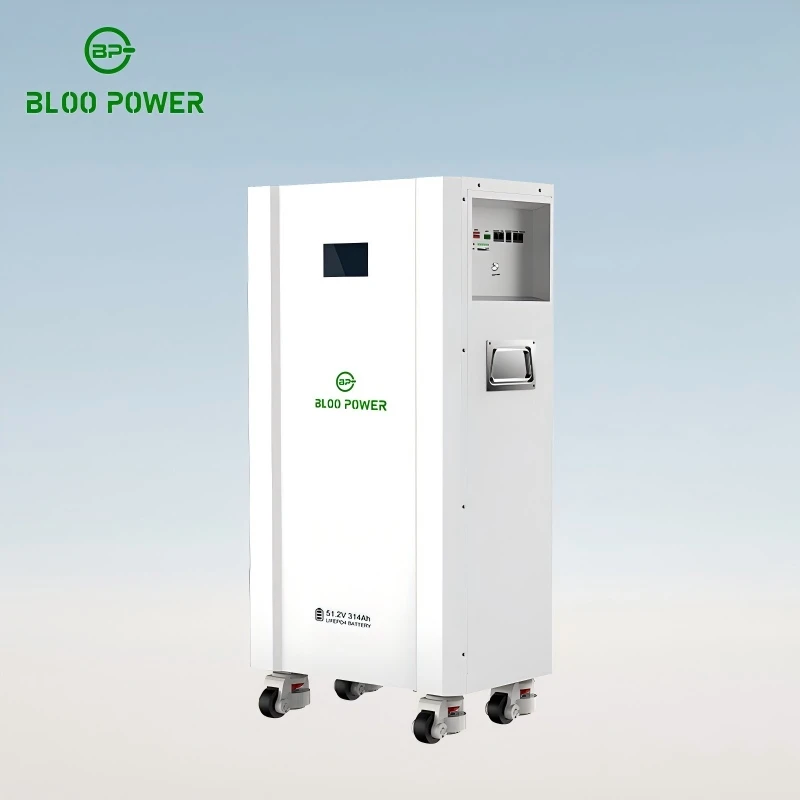
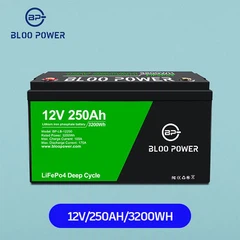
The shift toward greater self-consumption and resilience has accelerated adoption of home energy storage solar lithium ion battery systems. A typical 48v 100ah energy storage lithium ion battery offers sufficient capacity for essential household loads or partial home backup while supporting solar self-consumption and time-of-use optimization. Manufacturers specializing in these products, including BLOO POWER, a China-based producer with extensive experience in LiFePO4 energy storage systems, supply wall-mounted, rack-mounted, and all-in-one solutions designed for both on-grid and off-grid applications. These systems often feature long cycle lives (commonly 6,000–8,000 cycles at 80% depth of discharge), integrated battery management systems (BMS), and compatibility with major hybrid inverters, making them attractive for residential users seeking to reduce reliance on the grid during high-price periods.
Market Pressures and the Rise of 1C-Rate Systems
As more capacity enters the market, returns from pure energy arbitrage face downward pressure, prompting operators and developers to seek batteries optimized for higher power rates and multi-service participation. The lithium battery for 1c energy storage system market has gained attention because 1C-capable systems can respond quickly to frequency events and short-duration price spikes while still providing meaningful energy shifting. In parallel, Chinese producers continue to scale production of cost-competitive energy storage lithium battery packs, helping drive down system prices globally and supporting broader deployment in emerging markets as well as mature ones like Australia. BLOO POWER and similar suppliers emphasize safety certifications, modular expandability, and long warranties to meet international standards for both residential and commercial installations.
Typical Specifications of a 48V 100Ah Energy Storage Lithium Ion Battery
|
Parameter |
Typical Value |
Notes |
|
Nominal Voltage |
48 V / 51.2 V |
Compatible with common solar inverters |
|
Capacity |
100 Ah |
≈ 4.8–5.12 kWh usable |
|
Chemistry |
LiFePO4 (LFP) |
High safety and cycle life |
|
Cycle Life |
6,000–8,000+ @ 80% DoD |
Suitable for daily solar cycling |
|
Max Continuous Charge/Discharge |
Often 0.5C–1C |
Supports 1C-rate applications |
|
Communication |
CAN / RS485 |
Integrates with hybrid inverters |
|
Typical Applications |
Home solar storage, backup, peak shaving |
Modular parallel expansion possible |
Long-Duration Storage and Future Market Maturity
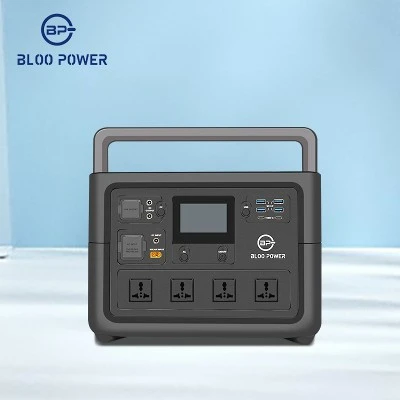
Industry observers, including EORA Energy's James Costello, stress that while short-duration batteries have delivered rapid value in the NEM by flattening evening peaks and reducing volatility, longer-duration energy storage will become increasingly important as renewable penetration deepens. China energy storage lithium battery manufacturers are responding by offering scalable systems that can be configured for different durations and power ratings. BLOO POWER, for example, produces a range of home and commercial energy storage solutions, including 48V series products suitable for residential solar pairing and higher-capacity systems for commercial or small utility applications. These developments align with the broader transition in which energy storage lithium battery technology moves from opportunistic arbitrage toward essential grid infrastructure.
Global Energy Storage Lithium Battery Context (Recent Industry Trends)
|
Region / Segment |
Key Trend |
Approximate Scale / Growth Insight |
|
China (manufacturing & shipments) |
Dominant global supplier of ESS lithium batteries |
Majority share of global ESS battery production |
|
Australia (NEM utility-scale) |
Rapid capacity growth; rising price-setting role |
Batteries now primary intraday balancer |
|
Residential / Distributed |
Rising adoption of home energy storage solar lithium ion battery systems |
Driven by solar self-consumption and resilience |
|
1C-rate systems |
Growing interest for multi-service operation |
Supports both energy shifting and ancillary services |
Outlook: From Easy Revenue to Sustainable Value
The Australian experience illustrates both the transformative potential and the competitive pressures facing the energy storage sector. As renewable generation continues to expand and battery fleets grow, pure arbitrage margins are expected to tighten further, reinforcing the need for diversified revenue streams, longer-duration assets, and high-quality, cost-effective hardware. In this environment, reliable suppliers of energy storage lithium battery products-including specialized offerings such as the 48v 100ah energy storage lithium ion battery and systems tailored to the lithium battery for 1c energy storage system market-play a critical enabling role. Chinese manufacturers like BLOO POWER contribute to global supply chains by delivering certified, long-life home energy storage solar lithium ion battery solutions that help households and businesses capture the benefits of solar generation while supporting overall system flexibility. The transition underway in markets such as the NEM signals that energy storage has moved beyond early "easy revenue" phases into a more mature, competitive, and essential component of modern power systems.
Send Inquiry