



















How The EU Is Paving The Way For Investments in Battery Energy Storage And Energy Security?
Sep 16, 2026
Leave a message

European Commission Guidance on Fiscal Flexibility for Energy Security
The European Commission has adopted a communication providing guidance on budgetary flexibility for Member States to support energy security measures, including photovoltaics, heat pumps, and battery energy storage systems. This guidance aims to extend the scope of the national derogation clause (also known as the National Escape Clause or NEC) to include energy security measures for the 2026–2028 period-initiatives announced on June 3, 2026, as part of the European Semester Spring Package in response to ongoing conflicts in the Middle East. The EU executive stated that Member States may utilize the budgetary flexibility available under the national derogation clause framework to fund new measures designed to strengthen energy security and support the transition away from fossil fuels.

Key Criteria and Eligibility Requirements Under Communication C/2026/4514
The new guidance document (reference C/2026/4514) stipulates that accessing this flexibility requires meeting criteria regarding additionality, effectiveness, and public finance sustainability. The Commission noted that the communication clarifies the procedures for requesting budgetary flexibility, the handling of such requests within the EU fiscal surveillance framework, and the mechanisms for tracking usage. Only fiscal measures adopted after February 28, 2026, are eligible, with the aim of enhancing the structural resilience of Europe's energy system. The communication includes a non-exhaustive list of potentially eligible measures, and the Commission will assess eligibility on a case-by-case basis.
Fiscal Ceilings and Limits for Energy Security Spending
The overall ceiling for deviations from the recommended net expenditure path-permitted under the national derogation clause framework-remains unchanged at 1.5% of Gross Domestic Product (GDP). Specific limits have been set for energy security measures at 0.3% of annual GDP and a cumulative 0.6% of GDP, both falling within the overall 1.5% limit. Expenditure exceeding these applicable limits will continue to be subject to standard compliance assessments under the EU fiscal framework. When applying, Member States must submit a preliminary list of energy security measures intended to benefit from this flexibility, along with estimated budgetary costs. The Commission will assess the request in accordance with Article 26 of Regulation (EU) 2024/1263 and may recommend that the Council approve it.
Categories of Eligible Energy Security Measures
The communication identifies five categories of eligible measures for households, two for the public sector, three for businesses, three for transport infrastructure, and nine for the energy sector; the latter includes investments in renewable energy projects, battery technology, energy storage, and nuclear power plants. Potentially eligible measures also include incentives for heat pumps, electric vehicle charging infrastructure, and energy-efficient building renovations. This framework directly supports the rapid scaling of battery energy storage systems (BESS), which are critical for integrating variable renewable energy sources and enhancing grid flexibility across the European Union.
|
Category |
Number of Measure Types |
Key Examples |
|
Households |
5 |
Incentives for heat pumps, residential batteries, energy-efficient renovations |
|
Public Sector |
2 |
Public building retrofits, public energy storage projects |
|
Businesses |
3 |
Industrial electrification, commercial BESS, clean energy incentives |
|
Transport Infrastructure |
3 |
EV charging networks, clean urban transport, railway electrification |
|
Energy Sector |
9 |
Renewable projects, battery and energy storage technologies, nuclear, grid upgrades |
Accelerating Growth in the Europe Lithium-Ion Battery Energy Storage Market
The Europe lithium-ion battery energy storage market is entering a phase of rapid expansion, driven by policy support such as the new fiscal flexibility and falling technology costs. According to SolarPower Europe's European Battery Market Outlook 2026-2030, Europe installed a record 36 GWh of new battery energy storage systems in 2025, pushing total operational capacity beyond 100 GWh for the first time. Utility-scale batteries accounted for more than half of annual installations. Under the medium scenario, annual installations are projected to exceed 50 GWh in 2026 and reach nearly 138 GWh by 2030, representing a compound annual growth rate (CAGR) of approximately 28% from 2026 to 2030. Cumulative capacity could rise to around 582 GWh by 2030.
EUPD Research forecasts even stronger near-term growth, estimating 57 GWh of installations in 2026-a 78% increase from 32 GWh in the prior year-led by markets such as Germany, Italy, Spain, the UK, and Bulgaria. Residential storage remains a key driver, with Chinese suppliers dominating supply chains. The European Commission estimates that the EU currently has around 55 GW of storage capacity and needs to expand significantly toward 200 GW by 2030 (and 500 GW by 2040) to meet flexibility requirements.
Role of Chinese Manufacturers and Global Supply Chains
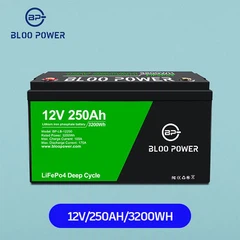
China remains the dominant global producer of lithium-ion batteries for energy storage, offering competitive pricing and high-volume manufacturing capacity. Many European projects rely on imports of high-quality cells and systems, including popular configurations such as the 48V 100Ah 50Ah energy storage lithium ion battery, which is widely used in residential, commercial, and small-scale industrial applications due to its balance of voltage, capacity, safety, and modularity. Leading energy storage lithium battery manufacturer options from China provide systems with long cycle life (often 8,000+ cycles at 80% depth of discharge), high round-trip efficiency (95%+), and advanced battery management systems (BMS).
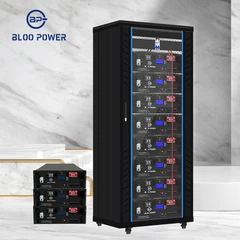
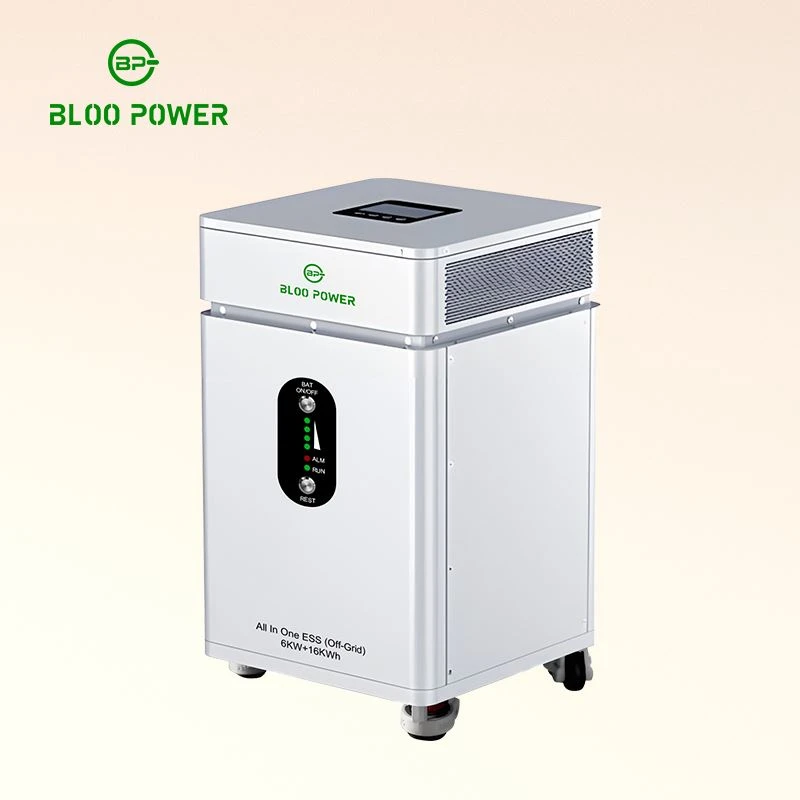
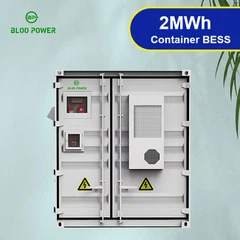
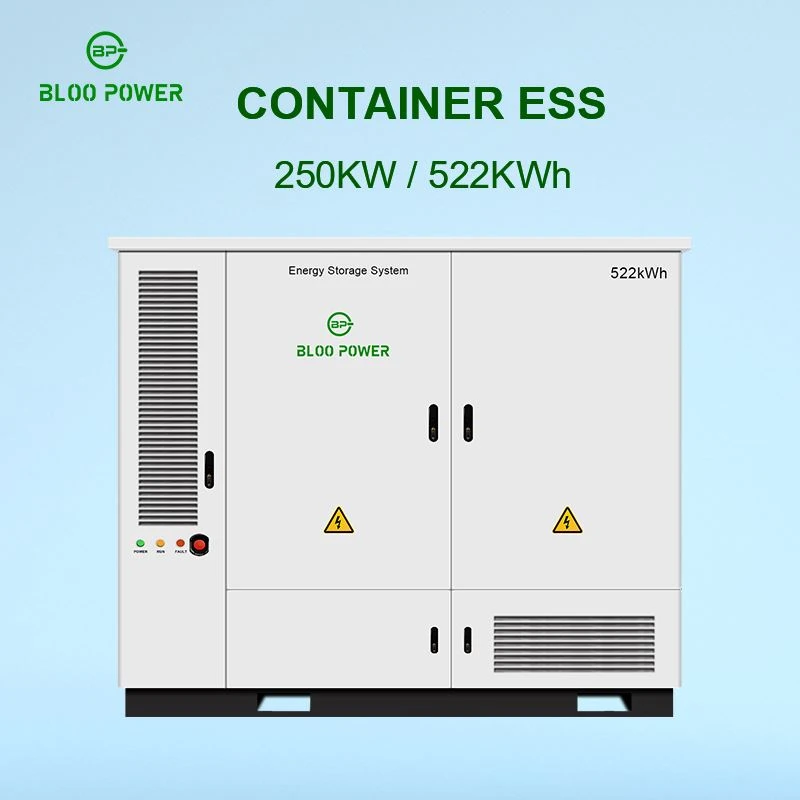
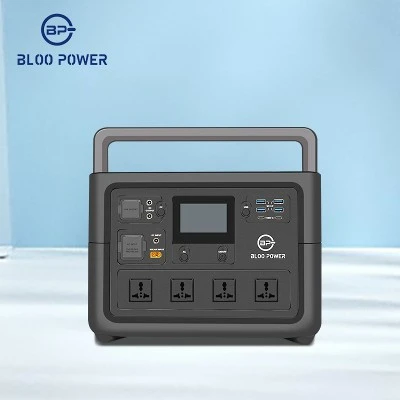
BLOO POWER, a specialized energy storage lithium battery manufacturer based in Shenzhen, China, exemplifies this capability. With over 17 years of experience, an annual production capacity of approximately 2 GWh, and more than 90,000 global customers, BLOO POWER offers a range of LiFePO4 (lithium iron phosphate) solutions, including 48V series batteries suitable for home and commercial energy storage. Their products, available as China lithium ion battery energy storage for sale through OEM/ODM channels, feature certifications such as CE, UL1973, IEC62619, and UN38.3, along with options for liquid-cooled systems that enhance thermal management and longevity.
Advantages of Liquid Energy Storage Lithium-Ion Batteries and Emerging Technologies
Liquid energy storage lithium-ion batteries, particularly liquid-cooled designs, are gaining traction for larger-scale applications because they provide superior temperature control compared to air-cooled systems. This results in more uniform cell temperatures, extended cycle life, higher energy density, and improved safety under high-power or high-ambient-temperature conditions. These systems are increasingly specified for commercial and industrial (C&I) and utility-scale projects supported by the new EU fiscal measures. Growth prospects of the Europe lithium-ion battery energy storage market 2026-2030 will depend heavily on such advanced thermal management solutions to support higher power densities and longer operational lifetimes.
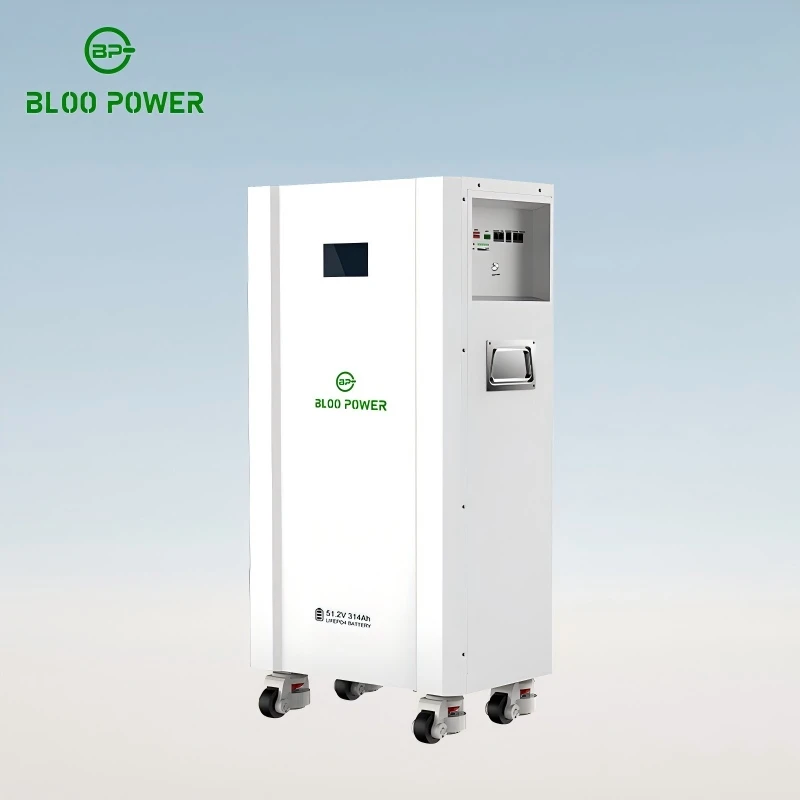
Best 48V 100Ah lithium ion battery for home energy storage configurations typically deliver around 5.12 kWh of usable energy (at 51.2 V nominal), with continuous discharge rates of 100 A and cycle lives exceeding 5,000–6,000 cycles. Affordable China lithium ion battery energy storage systems for sale in Europe often combine these modular units with inverters and energy management software, enabling self-consumption optimization, peak shaving, and backup power. Leading energy storage lithium battery manufacturer offerings frequently include stackable rack-mounted or wall-mounted designs that can scale from 5 kWh residential systems to multi-hundred kWh commercial installations.
Broader Policy Context and Complementary Initiatives
Complementing the fiscal flexibility, the European Commission has established the Battery Booster Facility with up to €1.5 billion from Innovation Fund revenues to support battery cell manufacturing ramp-up in Europe through interest-free loans (maximum €500 million per project, minimum 10 GWh capacity). A public-private agreement has also secured commitments from 22 Member States for 30–35 GW of stationary storage capacity additions in the near term. State aid schemes, such as Slovenia's €59 million program for 370 MWh of battery storage and Romania's larger scheme for over 2,000 MWh, further illustrate national-level implementation.
|
Year / Metric |
Annual Installations (GWh, Medium Scenario) |
Cumulative Capacity Outlook |
Key Drivers |
|
2025 (actual) |
36 |
>100 GWh |
Utility-scale surge |
|
2026 (forecast) |
>50 (SPE) / 57 (EUPD) |
~150 GWh |
Policy support, cost declines |
|
2030 (forecast) |
~138 |
~582 GWh |
Grid needs, renewables growth |
|
EU Target Context |
- |
200 GW by 2030 (power capacity equivalent) |
Flexibility & security |
Practical Implications for Investors and Manufacturers
Member States seeking flexibility must demonstrate that measures are additional (new decisions after 28 February 2026), effective in reducing fossil fuel dependence, and compatible with sustainable public finances. Investments in battery technology and energy storage rank high among eligible energy-sector measures. For project developers, this creates opportunities to pair European incentives with cost-competitive supply from established Chinese producers. Configurations such as the 48V 100Ah 50Ah energy storage lithium ion battery remain highly relevant for distributed applications, while liquid energy storage lithium-ion batteries address the thermal challenges of larger front-of-the-meter systems.
Advantages of liquid cooled energy storage lithium-ion batteries include reduced degradation rates and higher allowable charge/discharge rates, supporting the higher utilization factors expected as renewable penetration increases. The combination of EU budgetary flexibility, national support schemes, and a maturing Europe lithium-ion battery energy storage market positions the region for accelerated deployment through 2028 and beyond.
Outlook and Strategic Considerations
The 2026–2028 window of enhanced fiscal space is designed to accelerate structural resilience rather than provide open-ended stimulus. By keeping energy security measures within tight GDP-linked ceilings, the Commission balances immediate security needs with long-term fiscal discipline. Continued progress will depend on rapid permitting, grid connection reforms, technology-neutral market design, and sustained private investment. Manufacturers capable of delivering reliable, certified systems-whether European producers scaling via the Battery Booster Facility or competitive global suppliers offering China lithium ion battery energy storage for sale-will play central roles in realizing the projected multi-fold capacity growth.
In summary, the Commission's guidance on budgetary flexibility represents a targeted policy instrument that directly strengthens the business case for battery energy storage across residential, commercial, and utility scales, while reinforcing Europe's broader energy transition and security objectives.
Send Inquiry