

















How Austria Is Transitioning To A Battery Energy Storage Strategy?
Sep 13, 2026
Leave a message

Austria's Strategic Shift Toward Battery Storage: Integrating Advanced Lithium-Ion Solutions for Grid Resilience and Self-Consumption
Austria's New Policy Direction on Energy Storage and Photovoltaic Subsidies
Austria's Ministry of Economic Affairs and Energy has unveiled a comprehensive energy storage development plan that fundamentally redirects the focus of photovoltaic (PV) subsidies. Previous funding rounds were exhausted in as little as 33 seconds, leaving thousands of applications for PV and battery storage investments unfunded. The third and final round of subsidy applications opened in October, with the new framework expected to take effect next year. Future PV subsidies will prioritize energy storage infrastructure, which will carry greater weight in grid planning. Approval processes for battery storage are expected to accelerate, and dedicated support is planned for residential and commercial smart energy management systems.
Under the Renewable Energy Expansion Act (EAG), investment subsidies will move away from the "first-come, first-served" model starting in 2027, shifting instead to a system where applications are submitted after installation and invoicing. Broad subsidies for small, standard PV systems will be phased out, with funds redirected to energy management systems and smart storage to boost self-consumption rates and alleviate grid congestion. Subsidies will remain available for retrofitting existing PV systems with battery storage and energy management systems (EMS), while specialized applications-such as building-integrated PV, agrivoltaics, PV carports, floating PV, and noise-barrier PV-will continue to receive support. The "Made in Europe" bonus will also be retained. The Minister of Economic Affairs emphasized the goal of shifting surplus solar generation to evening peak hours, thereby reducing imports of high-priced electricity.

Projected Storage Capacity Requirements and Economic Benefits
Studies indicate that Austria needs to add up to 8 gigawatts of market-driven storage capacity by 2030, which could lower wholesale electricity prices by up to €2 per megawatt-hour. Currently, the country has approximately 3.2 gigawatt-hours of installed battery storage capacity and 6.2 gigawatts of pumped-hydro storage capacity. Independent analyses project an even stronger long-term need: battery energy storage demand is expected to reach around 5.1 GW by 2030 (roughly 3.7 GW small-scale and 1.4 GW large-scale) and 8.7 GW by 2040. This expansion is essential as electricity demand is forecast to rise significantly and renewable capacity-particularly solar-grows from current levels toward 21 GW by 2030 and 41 GW by 2040. Without adequate storage, midday solar surpluses risk curtailment while evening peaks continue to drive expensive imports.
Comparative Overview of Austria's Storage Landscape
|
Metric |
Current (approx.) |
2030 Target / Need |
2040 Projection |
|
Battery storage capacity |
~3.2 GWh / ~1.1 GW |
Up to 5.1–8 GW |
~8.7 GW |
|
Of which small-scale |
Majority |
~3.7 GW |
~6 GW |
|
Of which large-scale |
Limited |
~1.4 GW |
~2.7 GW |
|
Pumped-hydro storage |
6.2–8.9 GW |
Additional needed |
+3.5 GW |
|
Potential wholesale price impact |
- |
Up to –€2/MWh |
- |
Regulatory Framework and Grid Integration Priorities
The regulator E-Control is drafting a new framework for grid charges and establishing standards for storage systems that provide grid services. Storage infrastructure will receive greater weight in national grid planning documents, and permitting is expected to accelerate under complementary legislation aimed at speeding renewable and storage projects. Industry association PV Austria welcomed the policy shift but stressed that adjusting PV subsidies alone is insufficient; it called for rapid concrete measures, including discussions on tax relief, and urged grid operators to fully incorporate storage into development plans. Some installers have criticized the overall subsidy volume as inadequate and advocated broader climate investment tax incentives instead. The policy explicitly supports retrofitting existing PV systems with batteries and EMS to raise self-consumption and reduce grid stress.
Illustrative Subsidy Parameters under Current and Transitioning Frameworks
|
Category |
Typical PV Support (recent rounds) |
Storage Support |
Notes |
|
Small PV (≤10–20 kW) |
€140–160/kW |
€150/kWh (with new PV) |
Broad small-system support to be phased out |
|
Larger PV |
€120–140/kW (capped) |
Same |
Competitive elements increasing |
|
Retrofit storage + EMS |
Limited previously |
To be expanded from 2027 |
Key policy priority |
|
Specialized PV (BIPV, agri-PV, etc.) |
Continues |
Eligible |
"Made in Europe" bonus retained |
Role of Lithium-Ion Battery Technology in Austria's Storage Ambitions
Central to meeting these targets is the deployment of advanced lithium-ion battery for large-scale energy storage alongside distributed residential and commercial systems. High-performance energy storage system lithium ion battery solutions enable rapid response, high cycle life, and precise control needed for both behind-the-meter self-consumption and front-of-the-meter grid services. In particular, the 48v energy storage lithium ion battery architecture has become a preferred platform for residential and light commercial applications because of its safety profile, modularity, and compatibility with hybrid inverters and EMS platforms. These systems allow households and businesses to store midday solar surplus and discharge it during evening peaks, directly supporting the Ministry's stated objective of reducing high-priced electricity imports.
Contribution of Chinese Manufacturing Capacity and Specialized Markets
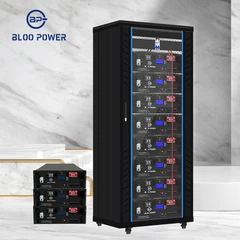
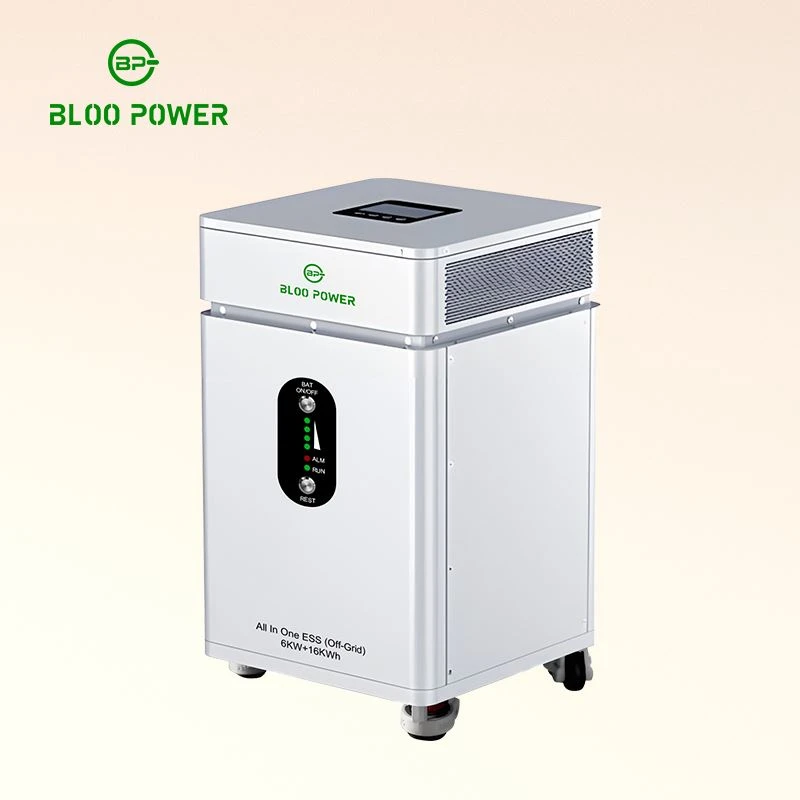
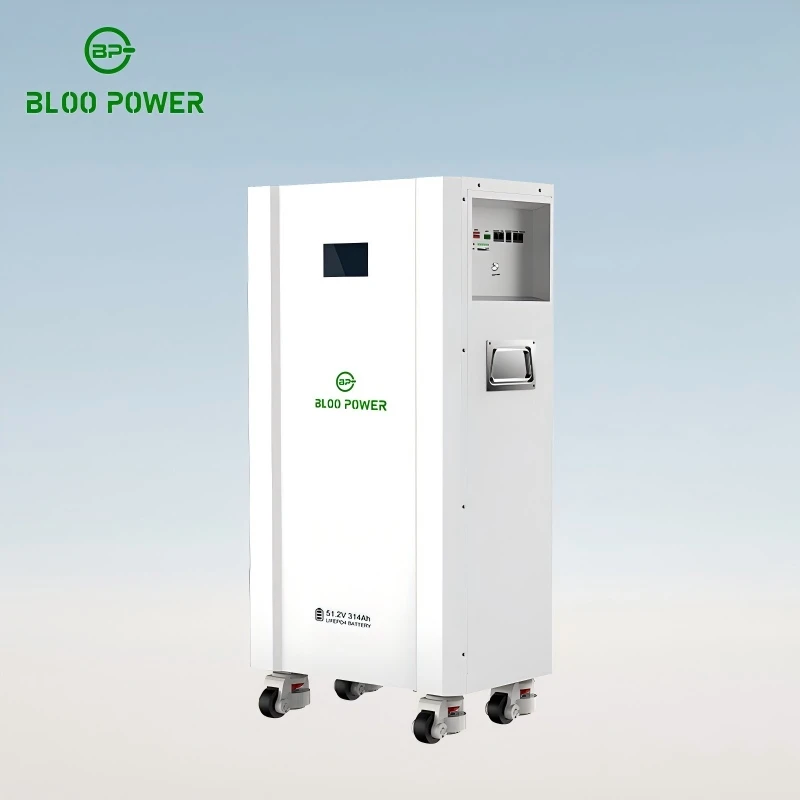
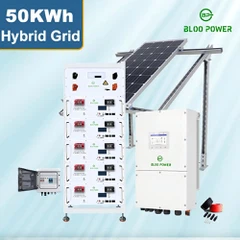
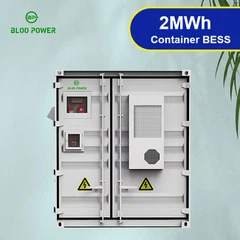
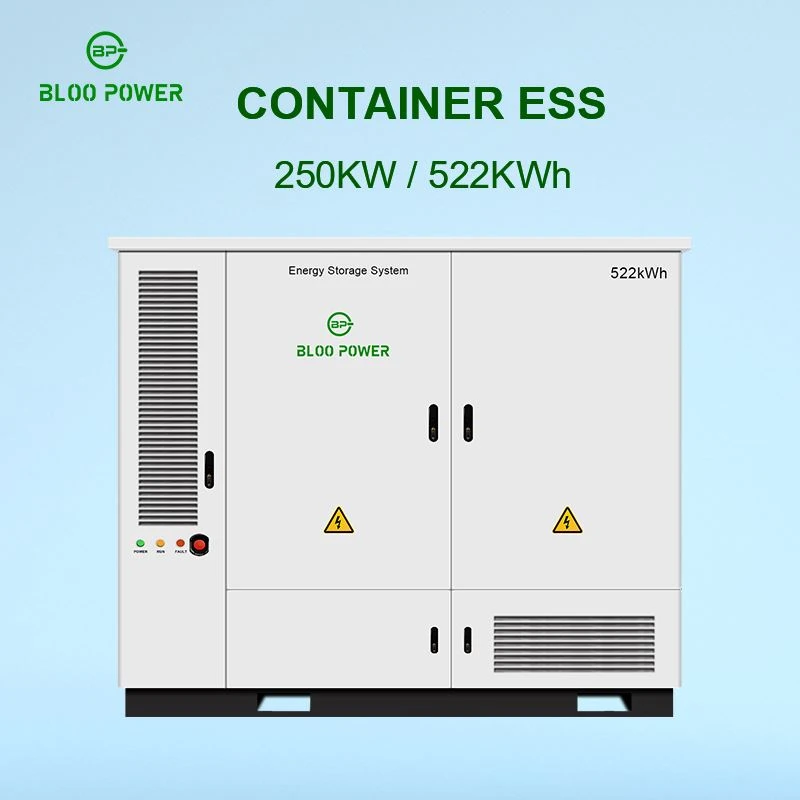
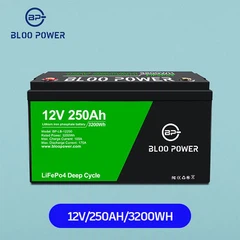
Global supply chains remain critical. A leading china energy storage lithium battery factory such as BLOO POWER produces a full range of LiFePO4-based solutions, including rack-mounted and wall-mounted 48V modules, commercial containerized systems, and all-in-one residential units. BLOO POWER's manufacturing base supports high-volume output of energy storage system lithium ion battery products with cycle lives typically exceeding 6,000–8,000 cycles at high depth of discharge, making them suitable for both daily cycling and longer-duration applications. Parallel demand growth is visible in the communication base station energy storage lithium battery market, where 48V lithium systems increasingly replace older lead-acid batteries for reliable backup power. The same modular 48V platforms used in telecom can be adapted for residential and commercial solar-plus-storage projects in Europe, creating economies of scale that benefit markets such as Austria.
Long-Tail Opportunities in Residential, Commercial and Grid-Scale Segments
Five closely related long-tail opportunities are emerging. Residential 48v lithium ion battery storage systems paired with EMS can maximize self-consumption under the new subsidy rules. Large scale lithium ion battery energy storage solutions for grid applications will be essential to reach the 8 GW market-driven target. China based energy storage system lithium ion battery manufacturers continue to supply cost-competitive, high-quality cells and complete systems. The 48v communication base station lithium battery backup segment demonstrates proven reliability that transfers to stationary storage. Commercial energy storage lithium ion battery with smart EMS solutions align directly with planned dedicated subsidies for intelligent energy management in businesses.
Market Context for 48V and Larger Systems
|
Application Segment |
Typical Voltage / Technology |
Key Drivers in Austria Context |
|
Residential / light commercial |
48V LiFePO4 |
Self-consumption, EMS subsidies |
|
Communication base stations |
48V lithium |
Reliability, replacement of lead-acid |
|
Commercial & industrial / large-scale |
Higher-voltage or modular 48V stacks |
Grid services, peak shaving, 8 GW target |
Industry Response and Path Forward
While the policy direction is widely supported as necessary for grid stability, stakeholders emphasize the need for timely implementing regulations, clearer tax treatment, and active incorporation of storage into grid development plans. The combination of redirected subsidies, accelerated permitting, and growing availability of high-quality lithium-ion products-including those from established China energy storage lithium battery factory operations such as BLOO POWER-positions Austria to expand both distributed 48v energy storage lithium ion battery installations and larger energy storage system lithium ion battery projects. Success will depend on rapid translation of the announced framework into operational funding windows and grid connection standards that fully value the flexibility services these systems provide.
Send Inquiry