



















How Does South Korea Classify Outdoor Energy Storage Systems (ESS) To Accelerate The Grid Integration Of Renewable Energy?
Nov 17, 2026
Leave a message

New National Guidelines Resolve Inconsistent Local Permitting
South Korea's Ministry of Climate, Energy and Environment has issued unified guidelines for the building classification of outdoor energy storage systems (ESS). Developed with the Office for Government Policy Coordination and input from the Ministry of Land, Infrastructure and Transport, the guidelines were distributed to local governments nationwide starting in mid-October 2026. They are expected to shorten project permitting timelines by up to three months and reduce costs by as much as 70 million KRW (approximately 52,600 USD).
Previous Classification Inconsistencies Created Barriers
Previously, local governments classified similar energy storage facilities inconsistently-as permanent buildings, temporary structures, or general "structures"-producing disparate permitting procedures, timelines, and costs depending on project location. This regulatory fragmentation had long been a primary concern for the battery industry, according to Kim Min-sung, deputy head of the government's public-private regulatory task force.
Clear Criteria Based on Accessibility and Structure
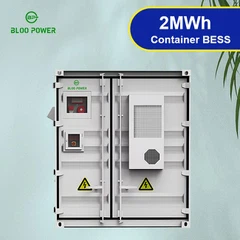
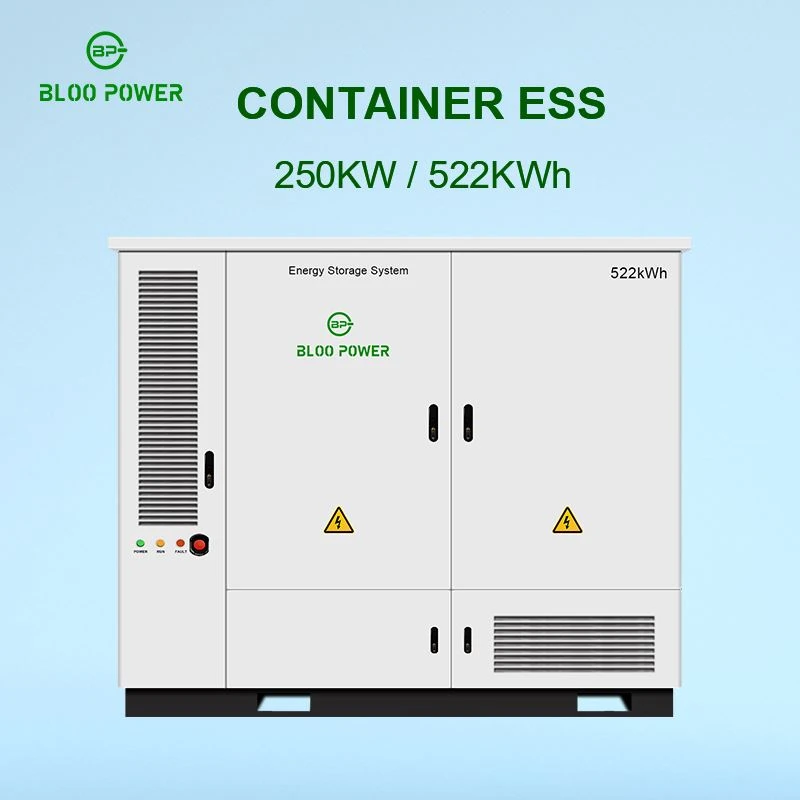
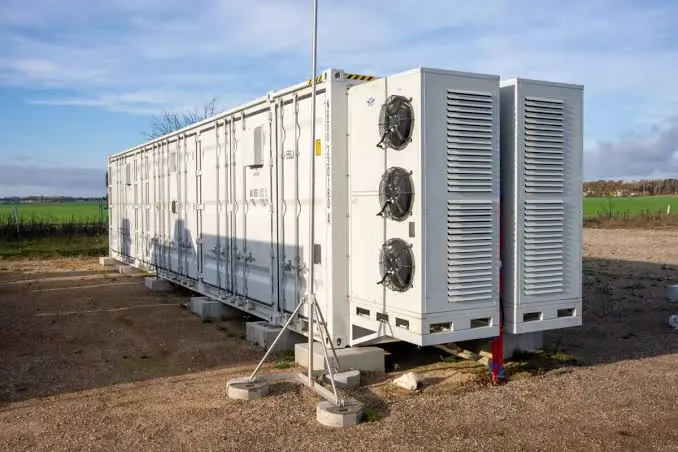
Under the new guidelines and Article 2 of South Korea's Building Act, classification now depends on accessibility for personnel, facility structure, and intended use. ESS units housed within inaccessible, specialized protective enclosures are classified as "structures"; containerized units that allow limited access for inspection and maintenance are classified as "temporary structures"; and non-containerized facilities requiring regular human entry are treated as "buildings." Local permitting officials receive a decision-making matrix to ensure consistent application.
Significant Time and Cost Savings by Classification Type
Permitting an ESS as a "building" typically takes 2 to 4 months and costs between 30 million and 80 million KRW. Classification as a "structure" requires only 0.5 to 1.5 months at a cost of 2 million to 10 million KRW and grants exemptions from building coverage ratios and floor area ratios.
|
Classification Type |
Typical Timeline |
Typical Cost (KRW) |
Key Exemptions |
|
Building |
2–4 months |
30–80 million |
None |
|
Temporary Structure |
Intermediate |
Intermediate |
Partial |
|
Structure |
0.5–1.5 months |
2–10 million |
Coverage & FAR ratios |
Official Commitment to Grid Stability and Renewable Expansion
Lee Jae-sik, Director General of the Grid Policy Bureau at the Ministry, stated that energy storage serves as core infrastructure for supporting the expansion of renewable energy and ensuring grid stability. The Ministry remains committed to addressing regulatory and administrative uncertainties encountered in the field. No changes to safety or fire-protection requirements for energy storage systems have been announced; the Ministry will monitor implementation and continue collaborating with other government bodies to eliminate unreasonable regulations.
Alignment with Major ESS Procurement Tender
The guidelines coincide with the third round of South Korea's centralized contract market tender for standalone energy storage systems conducted by grid operator KPX. This round seeks to procure 1.1 GW/6.6 GWh of capacity for the mainland and 80 MW/480 MWh for Jeju Island, with projects due by February 2029 and six-hour duration. A previous tender-the second of its kind-concluded with procurement of 540 MW/3,240 MWh of six-hour duration storage, following an earlier 2024 round that awarded 65 MW/260 MWh of four-hour duration capacity. Evaluation weights price and non-price factors (including fire safety, grid-forming capability, and supply-chain resilience) equally at 50 percent each.
|
Tender Round |
Mainland Capacity |
Jeju Capacity |
Duration |
Status/Notes |
|
Early (2024) |
- |
65 MW/260 MWh |
4-hour |
Awarded |
|
Second |
~500 MW |
40 MW |
6-hour |
~540 MW/3,240 MWh total awarded |
|
Third (2026) |
1.1 GW/6.6 GWh |
80 MW/480 MWh |
6-hour |
Ongoing; completion by Feb 2029 |
Complementary Policy Cap on Solar Setback Distances
Additionally, the South Korean cabinet has approved a policy-effective as of September 2026-that caps the "setback distance" (minimum required distance from certain features) that local governments can impose on solar photovoltaic projects at 200 meters from residential areas (defined as at least five houses). Road setbacks for solar are prohibited. This national upper limit replaces widely varying local rules that previously ranged from 100 to 1,000 meters and is expected to improve project predictability while supporting renewable deployment.
Broader Context: Rising Role of Lithium Battery Storage
These regulatory clarifications arrive as demand grows for industrial energy storage and AC battery storage solutions that pair effectively with solar generation. LiFePO4 solar systems have become particularly attractive because of their safety profile, long cycle life, and declining prices. The global average turnkey battery energy storage system price fell to approximately 117 USD/kWh in 2025 (a 31 percent decline year-over-year), while stationary lithium-ion packs averaged around 70 USD/kWh, driven largely by lithium iron phosphate chemistry.
Cost Trends Supporting Solar-Plus-Storage Projects
The cost of lithium batteries for solar applications has declined sharply. LiFePO4 cell prices that peaked near 130 USD/kWh in 2022 fell to roughly 36–50 USD/kWh range by 2025–2026 estimates for stationary-grade product, enabling more economical solar panel for lithium battery configurations. Residential and commercial systems now commonly achieve installed costs in the 120–190 USD/kWh range depending on region and scale, with further potential savings from simplified permitting.
|
Metric (approx. 2025–2026) |
Value |
Notes |
|
Global turnkey BESS average |
~117 USD/kWh |
31% YoY decline |
|
Stationary Li-ion pack average |
~70 USD/kWh |
Lowest segment |
|
LFP pack average (broader) |
~81 USD/kWh |
Superior safety & cycle life vs NMC |
|
Typical residential LiFePO4 installed |
120–190 USD/kWh range |
Varies by market & incentives |
Market Implications for Developers and Technology Providers
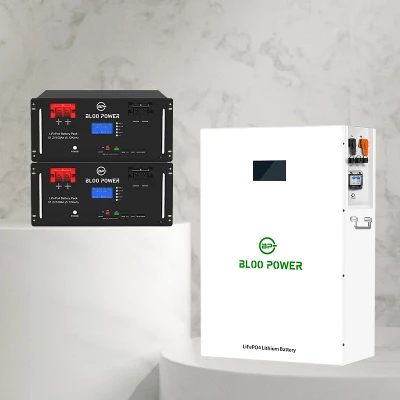
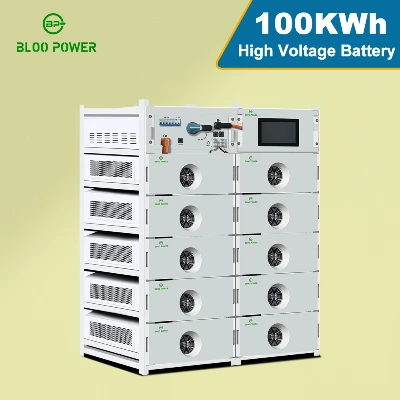
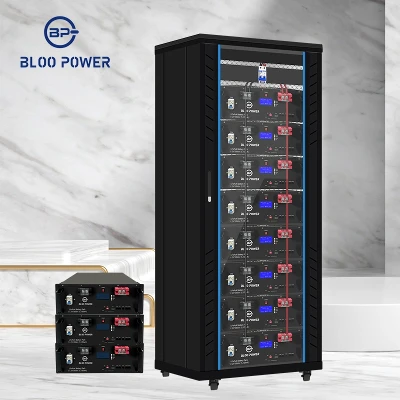
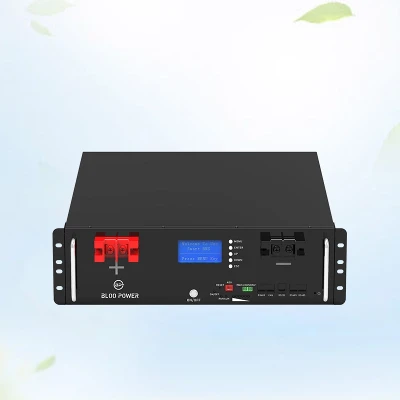
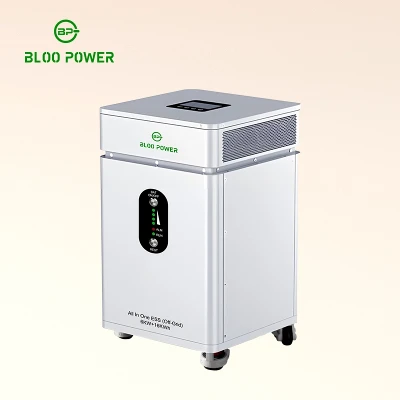
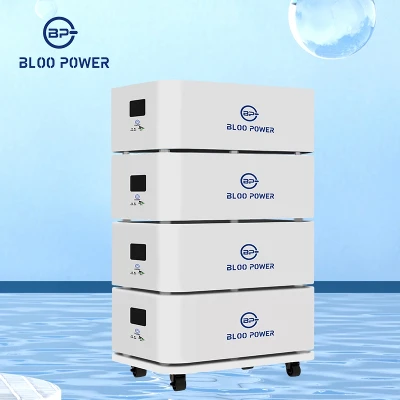
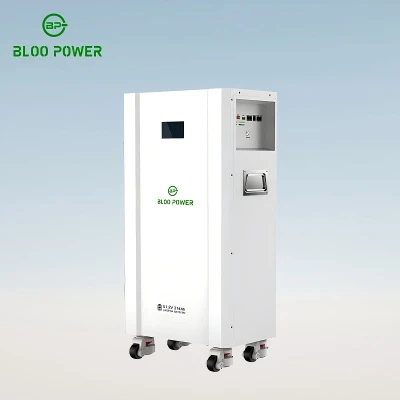
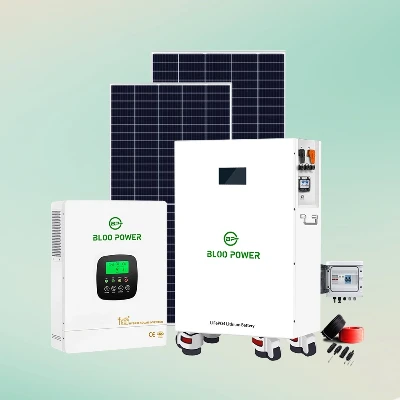
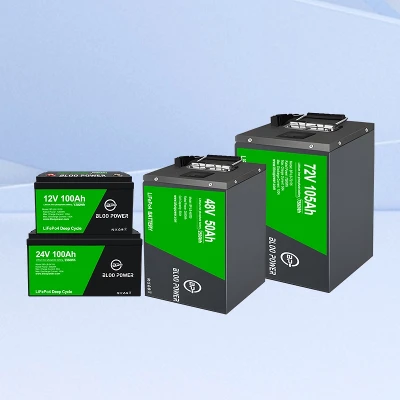
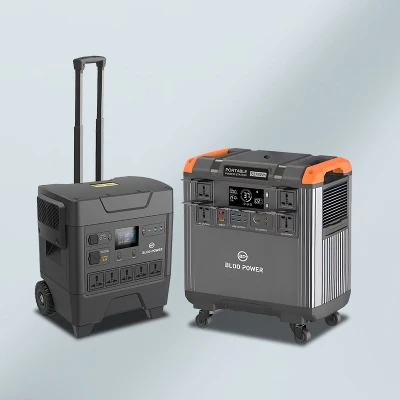
Faster, lower-cost permitting for outdoor ESS structures directly benefits developers of industrial energy storage projects and those deploying AC battery storage alongside solar arrays. Technologies emphasizing long-duration LiFePO4 solar storage, reliable AC-coupled systems for commercial sites, and integrated solutions such as those associated with BLOO POWER can now move more predictably through local approvals. The combination of streamlined classification, large-scale procurement tenders, and national setback limits strengthens the business case for pairing solar generation with high-safety lithium battery storage.
Ongoing Monitoring and Future Outlook
The Ministry has indicated it will track real-world application of the guidelines and continue inter-agency work to remove remaining barriers. Together with the ongoing KPX tenders targeting multi-gigawatt-hour volumes and the 200-meter solar setback cap, these measures position South Korea to accelerate deployment of grid-supporting storage while maintaining safety standards. As the cost of lithium batteries for solar continues to fall and industrial-scale AC battery storage becomes more accessible, the regulatory clarity provided by the new ESS classification rules removes a key source of project risk and cost uncertainty.
Send Inquiry