




















How The UK Is Advancing Long-Duration Energy Storage Technology?
Sep 27, 2026
Leave a message

UK Government Unveils Major Funding for Multi-Day Clean Power Storage
The UK government has launched a £28 million (approximately $38 million) "Long-Duration Energy Storage Challenge" aimed at developing technologies capable of providing clean electricity for over 100 hours. With the country recently experiencing another heatwave, long-duration energy storage is viewed as a critical support for a future power grid reliant on wind and solar energy. Delivered through UK Research and Innovation (UKRI), the initiative provides funding to domestic innovators for projects ranging from advanced electrochemical battery storage to underground hydrogen storage systems; the goal is to reduce reliance on natural gas during periods of low wind and solar output and to support the development of multi-day renewable energy technologies.
Supporting Research Focus on Electrochemical Solutions
As part of this broader effort, UKRI has separately launched a £3 million competition specifically targeting research and development into electrochemical batteries for long-duration energy storage. Several UK research teams are already engaged in multi-day electrochemical storage research, including the Electrochemical Science and Engineering Group at Imperial College London and battery innovation projects at the Faraday Institution. The application deadline is the end of September. Science Minister Chris McDonald stated that unlocking the potential of science and innovation can improve people's lives and leverage the UK's world-class scientific expertise to benefit all regions. Clean electricity sources are vital to meeting the nation's energy needs; successfully storing renewable energy will enhance energy security, lower energy bills in the long term, and benefit the entire population.
Global Context of the Expanding Lithium-Ion Battery Energy Storage System Market
This UK initiative arrives as the lithium-ion battery energy storage system market experiences rapid expansion worldwide. Industry analyses indicate the market was valued at approximately USD 15.2 billion in 2024 and is projected to reach USD 89.6 billion by 2034, reflecting a compound annual growth rate (CAGR) of 19.4%. Other assessments place the broader battery energy storage market at USD 42.6 billion in 2025, with forecasts rising to USD 178.4 billion by 2034 at a CAGR of 17.2%. Lithium-ion technologies dominate, holding roughly 68% of the market share in recent years due to their high energy density, improving cycle life, and declining costs. Grid-scale applications account for the majority of deployments, driven by renewable integration needs.
Role of Wholesale Energy Storage Lithium Battery Solutions in Grid Stability
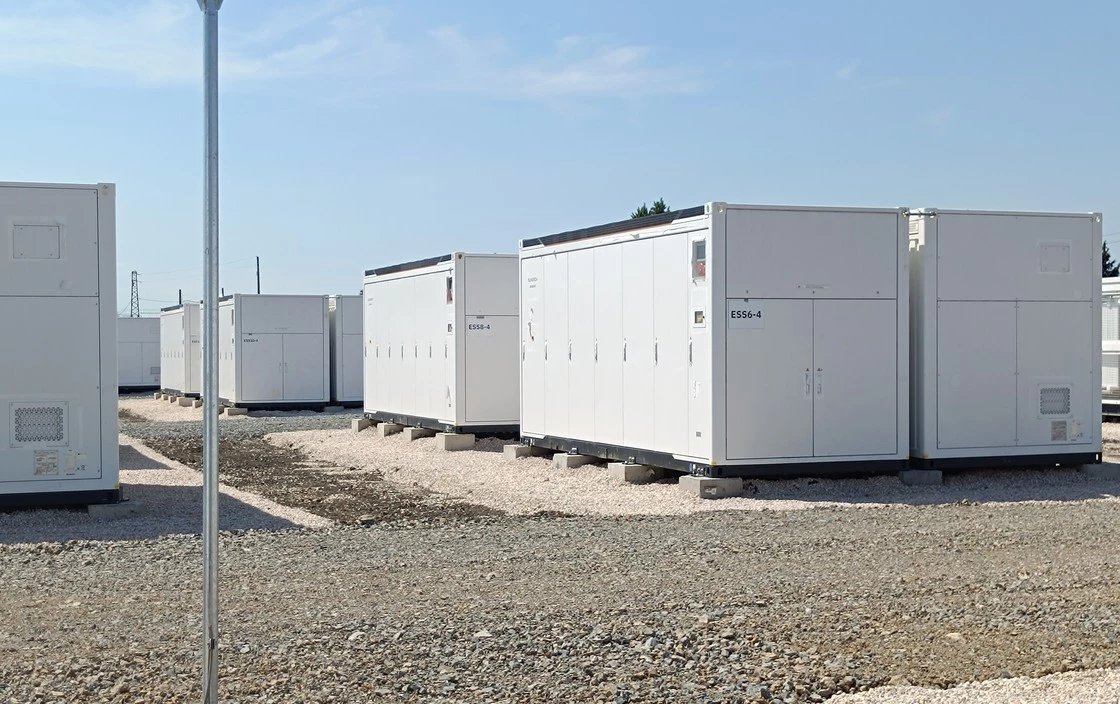
Wholesale energy storage lithium battery systems are increasingly critical for balancing intermittent renewables. Global deployments are on track for record levels, with estimates of around 92–106 GW of new capacity added in 2025 (excluding pumped hydro), and further growth expected. Lithium iron phosphate (LFP) chemistry has become particularly prominent for stationary storage because of its safety profile, longer cycle life (often exceeding 6,000 cycles), and lower cost compared with nickel-manganese-cobalt alternatives. These systems enable utilities to store excess solar and wind generation for multi-hour or even multi-day discharge, reducing curtailment and supporting grid resilience during extreme weather events similar to recent UK heatwaves.
Projected Growth of the Lithium-Ion Battery Energy Storage System Market
|
Year / Metric |
Market Value (USD Billion) |
Key Notes |
Source Insight |
|
2024 |
15.2 |
Base year valuation |
Emergen Research |
|
2025 (broader BESS) |
~42.6 |
Includes all battery types |
Dataintelo |
|
2034 Projection |
89.6 – 178.4 |
Depending on scope |
Multiple reports |
|
CAGR (2025–2034) |
17–19.4% |
Strong growth trajectory |
Industry consensus |
Contributions from China Lithium Ion Battery for Solar Energy Storage Manufacturer Capacity
China remains the dominant force in manufacturing, accounting for the majority of global lithium-ion cell and system production. Leading Chinese firms such as CATL, BYD, EVE Energy, and others supply a large share of cells used in solar energy storage projects worldwide. In 2025, Chinese companies continued to lead global energy storage cell shipments, with CATL holding a significant but declining share amid rising competition. China also leads in domestic deployments, representing over 50% of global installations in recent years. This manufacturing scale has driven sharp cost reductions-battery pack prices for stationary storage fell dramatically in 2025-making wholesale and utility-scale projects more economically viable.
Innovation Through Custom Lithium Battery Packs Revolutionizing Energy Storage
Beyond standard modules, custom lithium battery packs revolutionizing energy storage are enabling tailored solutions for diverse applications, from residential solar self-consumption to large commercial and industrial systems. These packs allow precise voltage, capacity, and form-factor matching, improving system efficiency and reducing installation complexity. Manufacturers focus on high-cycle LFP cells, advanced battery management systems (BMS), and modular designs that support scaling from kilowatt-hour home systems to multi-megawatt installations. Such customization is accelerating adoption in markets seeking longer-duration performance aligned with initiatives like the UK's Ultra-LDES Challenge.
Energy Storage System Lithium Battery Factory Capabilities and Global Supply
An energy storage system lithium battery factory ecosystem centered in Asia, particularly China, underpins current supply. Facilities with multi-gigawatt-hour annual capacity produce cells, modules, and complete containerized systems. Production has expanded rapidly to meet demand, with global energy storage cell shipments approaching or exceeding 600 GWh in 2025 and forecasts pointing higher for subsequent years. Quality certifications (UL, IEC, UN38.3) and improvements in thermal management have enhanced safety and bankability for project developers. Companies operating such factories increasingly offer OEM/ODM services to international integrators, supporting both standardized and specialized deployments.
Spotlight on BLOO POWER as a Specialized Supplier
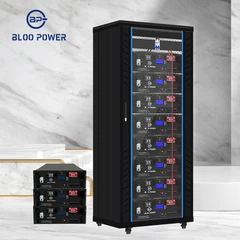
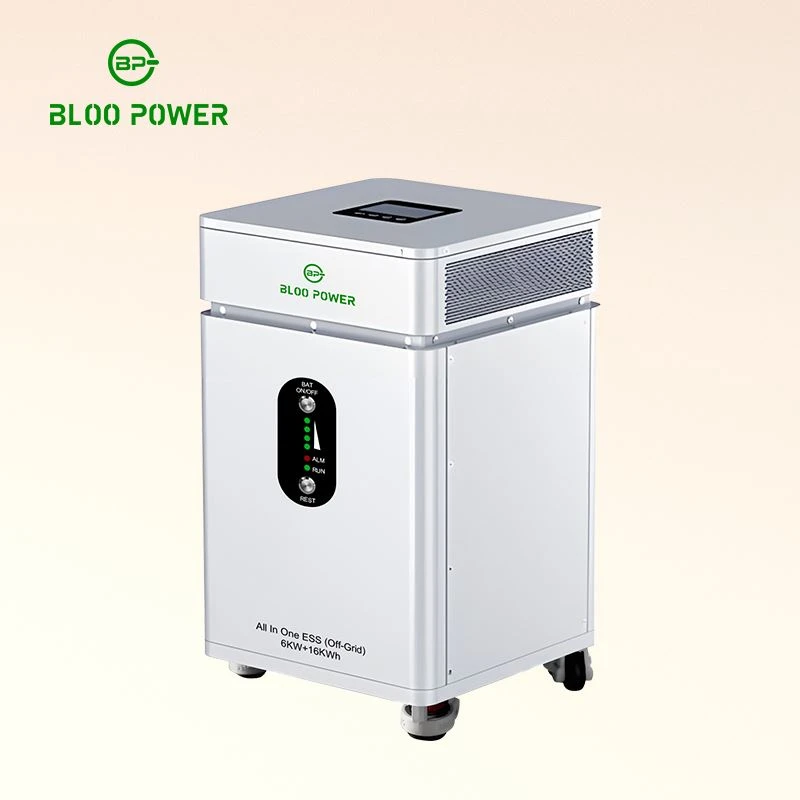
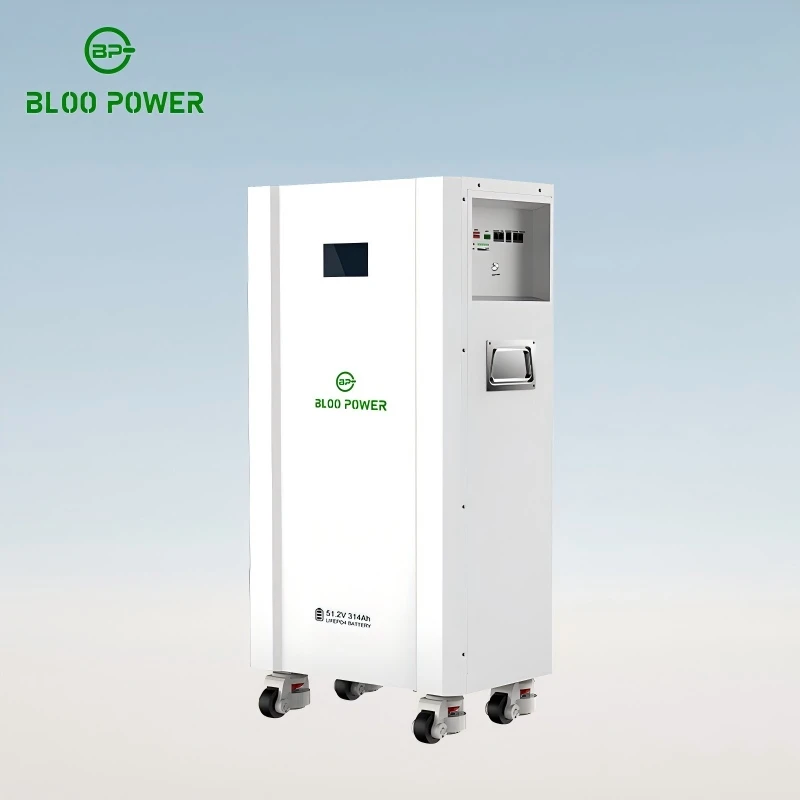
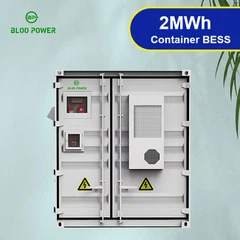
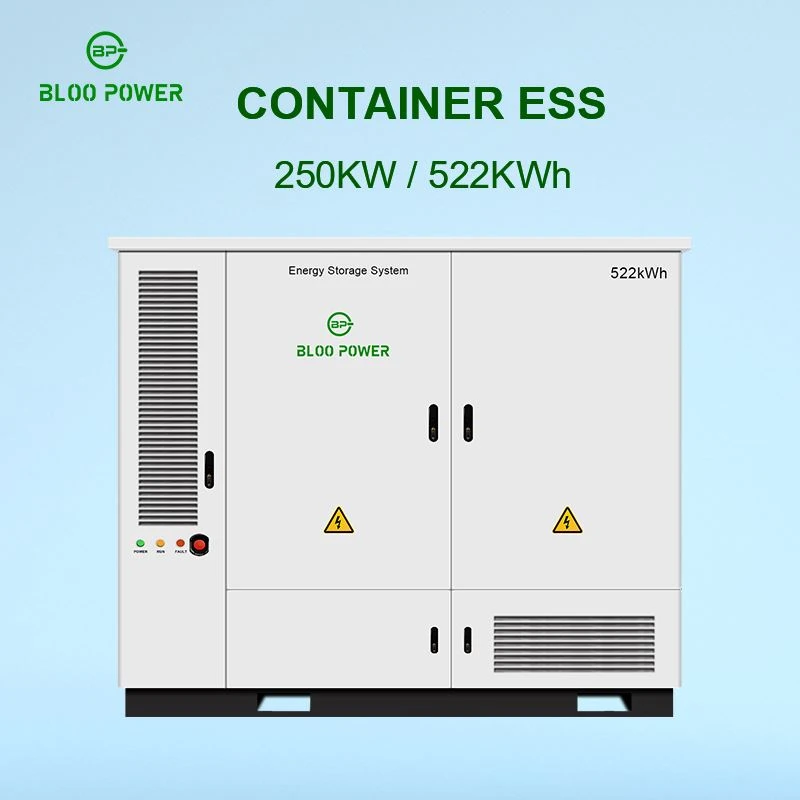
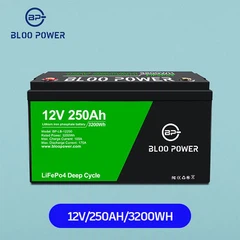
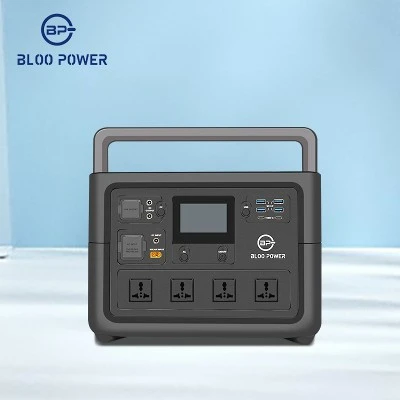
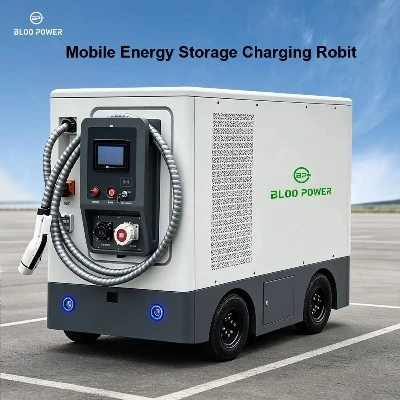
Within this competitive landscape, BLOO POWER has emerged as a notable China-based manufacturer of home energy batteries and commercial energy storage solutions. The company produces LiFePO4 systems ranging from low-voltage residential packs (12V–48V) to higher-voltage and containerized commercial units, with reported annual production capacity in the gigawatt-hour range and service to tens of thousands of global customers. Its product lines emphasize cycle life (often 6,000–8,000 cycles), integrated BMS, and configurations suitable for solar pairing, aligning with broader demand for reliable lithium-ion solutions in distributed and wholesale applications.
Long-Tail Market Opportunities and Technology Trends
Five related long-tail opportunities illustrate the depth of market evolution:
- long duration energy storage lithium ion battery solutions for multi-day grid support;
- residential solar lithium battery storage systems with high cycle life;
- utility scale wholesale energy storage lithium battery deployments;
- custom LFP battery packs for commercial solar energy storage projects;
- China-based lithium ion battery manufacturers for European energy storage markets.
These themes appear naturally across project pipelines, policy incentives, and manufacturer offerings. For example, the UK's separate £3 million electrochemical studies competition specifically targets pathways that could eventually commercialize longer-duration lithium-based or hybrid systems.
Comparative Overview of Leading Battery Technologies for Energy Storage
|
Technology |
Typical Cycle Life |
Duration Suitability |
Round-Trip Efficiency |
Key Advantages |
Primary Limitations |
|
Lithium-Ion (LFP) |
3,000–8,000+ |
2–8+ hours |
90–97% |
High efficiency, compact, declining costs |
Resource intensity, thermal management |
|
Flow Batteries |
10,000+ |
4–24+ hours |
65–80% |
Scalable duration, long life |
Higher upfront cost, lower density |
|
Advanced Lead-Acid |
500–1,200 |
1–4 hours |
70–85% |
Low cost, mature |
Limited cycle life, efficiency |
Selected Global Energy Storage Deployment and Market Indicators (Recent Data)
|
Metric |
Approximate Value |
Period / Notes |
Reference Context |
|
Global new storage capacity added |
92–106 GW |
2025 |
BNEF / Wood Mackenzie |
|
China's share of global installations |
~50–58% |
2025 |
Multiple analysts |
|
Li-ion dominance in electrochemical ESS |
>90% |
Recent years |
IDTechEx |
|
Stationary storage pack price trend |
Sharp decline (e.g., ~$70/kWh in some assessments) |
2025 |
BNEF |
|
UK Ultra-LDES funding |
£28 million + £3 million competition |
2026 launch |
UK Government / UKRI |
Broader Industry and Policy Implications
Complementary UK programs, including earlier long-duration energy storage cap-and-floor schemes that selected multi-gigawatt projects with 8–22 hour durations, demonstrate a multi-layered approach. Internationally, falling costs, policy support for renewables-plus-storage, and manufacturing scale-up continue to expand the addressable market. Research institutions and private innovators are exploring both incremental improvements to lithium-ion systems and complementary long-duration technologies such as underground hydrogen storage, which some analyses suggest could deliver substantial system cost savings over the coming decades.
Outlook for Future Deployment and Innovation
As the lithium-ion battery energy storage system market matures, the combination of wholesale energy storage lithium battery deployments, custom lithium battery packs revolutionizing energy storage, and scaled production from energy storage system lithium battery factory operations-including contributions from china lithium ion battery for solar energy storage manufacturer networks and specialized providers such as BLOO POWER-will play a central role in enabling higher renewable penetration. The UK's focused funding for technologies capable of 100-hour discharge represents one of the more ambitious policy signals to date, aiming to bridge current multi-hour lithium systems toward true multi-day capability while strengthening energy security and supporting lower long-term costs for consumers.
Send Inquiry