




















How To Select A Standalone Battery Energy Storage System From Chinese Manufacturers For The German Market?
Jun 28, 2026
Leave a message

Germany's Booming BESS Revenue Landscape Amid Market Volatility
Germany's battery storage sector continues to demonstrate strong revenue performance driven by increasing renewable penetration and market dynamics. Average monthly revenue from battery storage in April reached approximately €17,100 per MWh, marking a 26% increase from March and about 14% higher than the April 2025 level.
Drivers of Intensified Market Volatility and Arbitrage Opportunities
Market volatility has intensified due to geopolitical factors, with the Middle East situation pushing up natural gas prices and elevating peak daytime electricity prices. Simultaneously, surging photovoltaic (PV) power generation has exacerbated intraday volatility, creating enhanced arbitrage opportunities for operators of battery energy storage system solutions. April featured three distinct periods of negative electricity prices, with intraday prices plunging to several hundred euros per MWh and even below -€400 per MWh around 2 PM on April 26th. Rising prices for Frequency Containment Reserve (FCR) and automatic Frequency Restoration Reserve (aFRR) have further bolstered revenue streams.
Historical Revenue Fluctuations and Seasonal Patterns
Monthly revenues have shown significant fluctuations over the past 13 months, peaking at €19,100 per megawatt in May 2025 and reaching a low of €5,700 per megawatt in December. Summer months typically deliver higher revenues, primarily due to robust PV generation coupled with relatively lower electricity demand. Conventional generation capacity often decreases because of scheduled maintenance and reduced efficiency at gas-fired power plants during high temperatures, while wind power output remains weak. Short-term forecasting biases in PV generation further amplify market volatility, encouraging active intraday trading.
Long-Term Average Performance and Annualized Metrics
Over the past 12 months, battery storage revenue has averaged slightly above €12,600 per megawatt per month, translating to an annualized revenue of approximately €151,700 per megawatt. This performance underscores the resilience of well-optimized battery energy storage systems BESS in navigating seasonal and daily price swings.
Monthly BESS Revenue Trends in Germany (Selected Periods)
|
Period |
Revenue (€ per MW/month) |
Change from Previous |
Key Drivers |
|
April (latest) |
17,100 |
+26% from March |
High PV volatility, negative prices |
|
May 2025 (Peak) |
19,100 |
- |
Strong summer PV + ancillary services |
|
December (Trough) |
5,700 |
- |
Low demand, reduced volatility |
|
12-Month Average |
~12,600 |
- |
Annualized ~€151,700/MW |
Future Revenue Projections and System Modeling
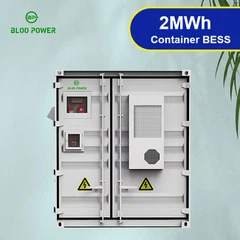
Looking ahead, based on current electricity price forecasts and the Current Efforts Q2/2026 scenario, revenue for standalone battery storage systems is projected to reach €164,600 per megawatt in 2026, approximately 9% higher than the 12-month average. The index is modeled on a 1 MW capacity / 2 MWh storage (2-hour duration) system with parameters including a daily 1.5 cycle limit, 90% depth of discharge, 97% technology availability, and 87% round-trip efficiency. It participates in intraday, FCR, and aFRR markets.
Role of Foundations and Project Development in Scaling Deployment
Robust battery energy storage system foundations are critical for large-scale projects, ensuring structural stability, efficient site preparation, and compliance with stringent German grid and safety regulations. Leading developers and battery energy storage system project exporter firms are leveraging advanced foundation technologies to accelerate deployment across utility-scale sites, reducing construction timelines and improving long-term asset reliability.
Key German BESS Market Metrics (2025-2026 Outlook)
|
Metric |
Value |
Source / Notes |
|
New EU Installations (2025) |
27.1 GWh |
SolarPower Europe |
|
Germany Grid-Scale Capacity |
~2.1-3+ GW (operational/expected) |
Modo Energy |
|
Projected 2026 Revenue |
€164,600 / MW |
Current Efforts Scenario |
|
Market CAGR (to 2030) |
~33% |
Grand View Research |
|
Pipeline Approvals |
Significant (tens of GW) |
Bundesnetzagentur |
Industry Players and Manufacturing Excellence
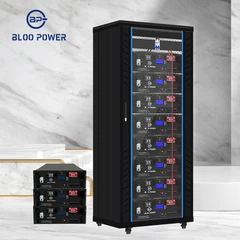
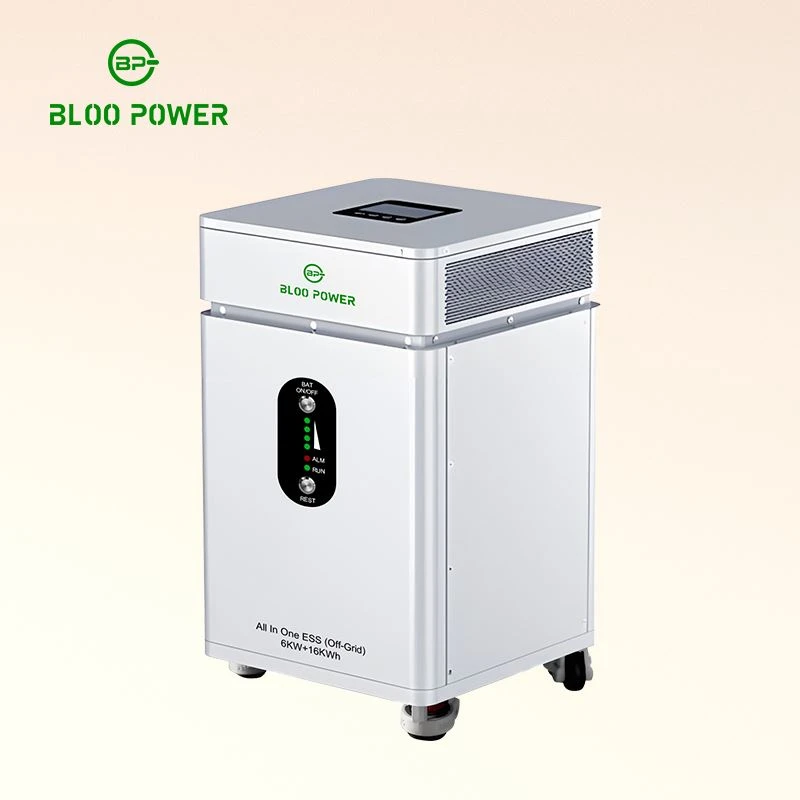
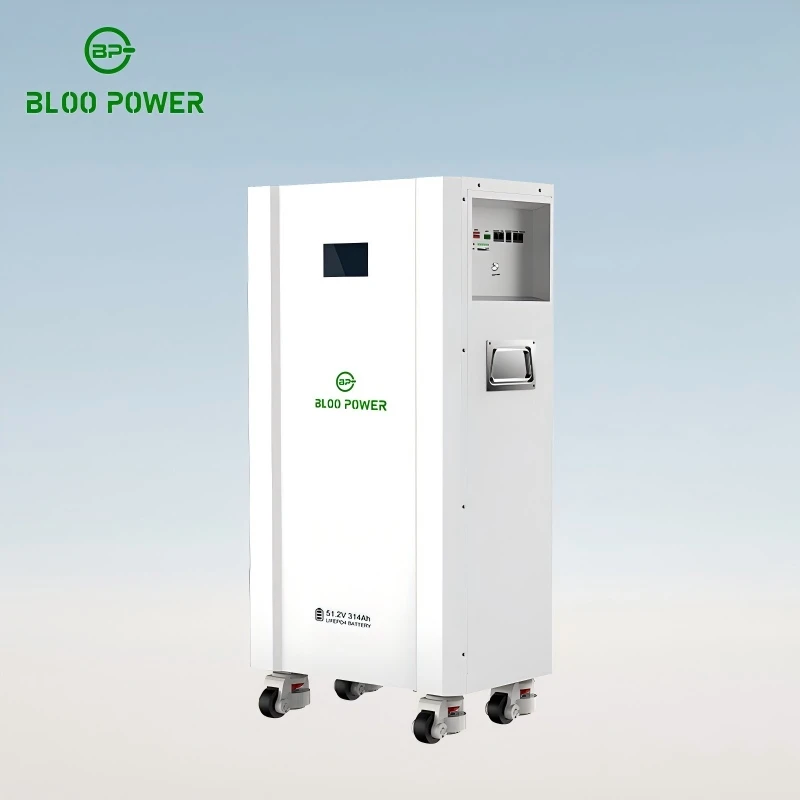
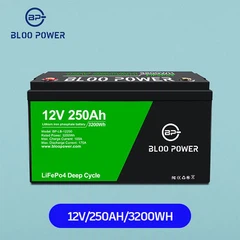
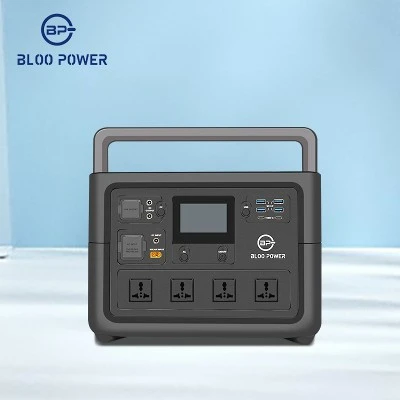
Companies like BLOO POWER, a prominent battery energy storage systems BESS factory operator and solutions provider, are contributing to the ecosystem through high-quality lithium battery manufacturing, including LiFePO4 systems for both residential and commercial applications. Their expertise supports European projects by offering reliable components and integrated battery energy storage system solutions that enhance overall system performance and safety.
Recent News: Major Projects and Market Momentum
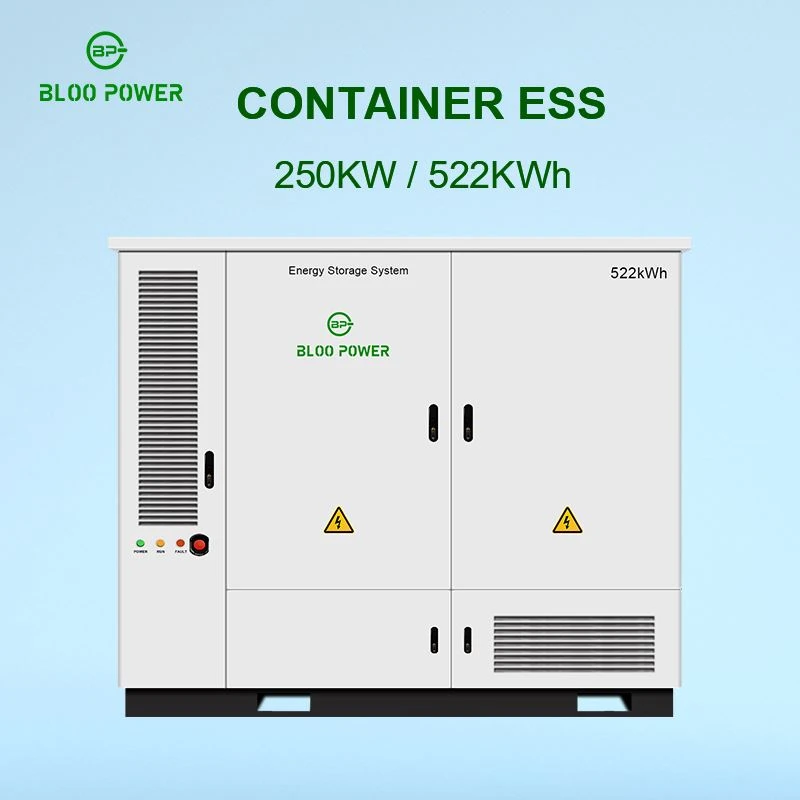
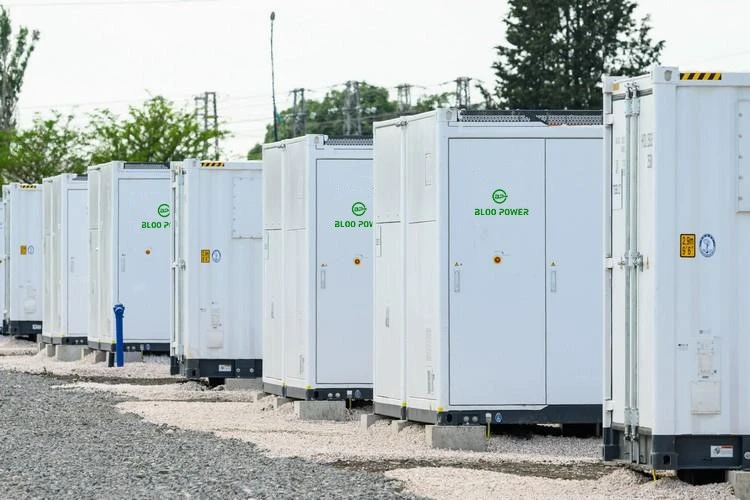
In 2025-2026, Germany has seen accelerated activity with projects such as RWE's 220 MW facilities in North Rhine-Westphalia and TotalEnergies' 221 MW portfolio developed with Kyon Energy. Containerized BESS solutions are gaining traction for their modularity and rapid deployment. Chint Solar's recent sale of a 56 MW portfolio to Second Foundation highlights strong investor appetite. These developments, supported by advanced foundations and export-oriented manufacturing, position Germany as a European leader despite grid connection challenges.
Selected Major BESS Projects in Germany
|
Project / Developer |
Capacity |
Status / Location |
Highlights |
|
RWE Neurath & Hamm |
220 MW total |
Operational (2024-2025) |
Co-located with existing plants |
|
TotalEnergies / Kyon Energy |
221 MW (6 projects) |
Under construction |
Next-gen Saft batteries |
|
Chint Solar Portfolio |
56 MW |
Sold to Second Foundation |
Saxony / Brandenburg sites |
Economic and Technical Outlook
The combination of declining equipment costs, policy support, and technological advancements from manufacturers is expected to sustain growth. However, challenges such as ancillary service market saturation and grid bottlenecks require continued innovation in project development and system optimization.
This detailed analysis highlights Germany's pivotal role in Europe's energy transition, with strong revenue potential tempered by the need for continued innovation in foundations, solutions, and project execution.
Send Inquiry