
















Spain’s Battery Energy Storage Capacity Surges 589% Following 2025 Blackout
May 17, 2026
Leave a message
One year after the massive blackout that struck Spain on April 28, 2025, technical analyses and regulatory responses have fundamentally reshaped the country's concept of electricity supply security. Expert reports indicate that the blackout was triggered by a confluence of operational and structural factors, exposing the inherent vulnerabilities of a power system with a high penetration of renewable energy sources. The incident began with the instantaneous loss of approximately 15 GW of generation capacity, triggering a cascading failure that resulted in a nationwide power outage. A primary contributing factor was insufficient voltage control capability-a issue linked to the reduction in synchronous generation. In systems with a high proportion of non-synchronous renewable sources (such as solar PV and wind), the provision of ancillary services-including system inertia and frequency regulation-becomes significantly more complex, thereby limiting the system's resilience against disturbances. At the time of the blackout, energy storage deployment was limited-totaling only about 28 MW of battery capacity-and grid interconnection levels were low; these factors further exacerbated the risks involved.
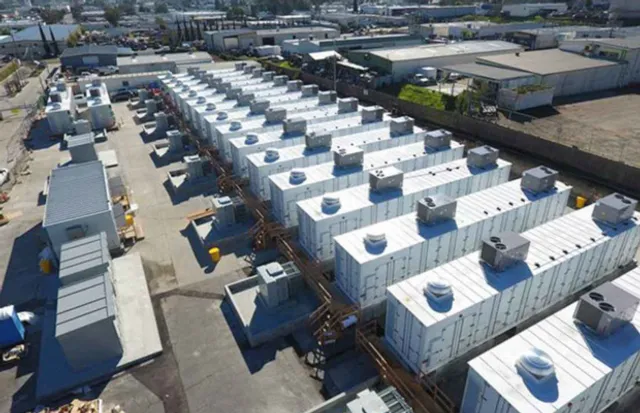
In the wake of the blackout, Spain's installed battery energy storage capacity has surged by over 500%. As of April 2026, installed capacity had risen from 28 MW in April 2025 to 193 MW-a year-on-year increase of 589%. Concurrently, the pipeline of prospective projects has skyrocketed, with the volume of projects under regulatory review increasing by 464% year-on-year. Demand for self-consumption storage solutions also saw a substantial rise; capacity in this sector grew from 155 MWh in 2025 to 339 MWh-an increase of 119%-driven by a 155% surge in residential installations and a 95% increase in commercial and industrial deployments. On the regulatory front, new mechanisms have been implemented to mandate greater transparency and real-time data sharing. The regulatory powers of the National Markets and Competition Commission (CNMC) have been strengthened, and operational protocols have been updated to permit renewable energy power plants to execute controlled start-up and shut-down procedures. Furthermore, renewable energy generators are now progressively being equipped with grid-forming voltage control capabilities.
Regarding infrastructure, the Ministry for the Ecological Transition and the Demographic Challenge (MITECO) released its 2025–2030 Transmission Network Plan following the blackout. This plan prioritizes approximately €13.6 billion in investments aimed at integrating renewable energy sources, enhancing grid interconnections, and supporting the electrification of industrial sectors, with the ultimate goal of achieving an 81% share of renewable energy in the generation mix by 2030. Additionally, a Royal Decree approved in November 2025 was enacted to facilitate the grid connection of new economic activities; this decree introduced a five-year validity period for grid access rights-a measure designed to prevent speculative hoarding-and established expedited response times for the expansion of distribution network infrastructure. Despite advancements in renewable energy deployment, Spain's total energy consumption remains over 70% dependent on fossil fuels; last year alone, the cost of natural gas and oil imports exceeded €51 billion. Grid saturation has emerged as a prominent issue; in 2025, the average curtailment rate for renewable energy reached 3.11%-peaking at over 10% in July-resulting in a total curtailment of 5,414 GWh. The number of hours with negative electricity prices hit a new record, reaching 397 hours in the first quarter. Following a major blackout, the grid relied on gas-fired generation for stabilization; from May to December 2025, gas-fired power generation increased by 50%, leading to a 9% year-on-year rise in carbon dioxide emissions from the power sector-equivalent to an additional 2.44 million tons. System operating costs reached €1.8 billion, while the cost of ancillary services rose from €0.017/kWh in February 2025 to €0.029/kWh in February 2026. Interconnection capacity remains limited, accounting for only approximately 4% of total installed capacity. In 2025, construction began on the Bay of Biscay submarine interconnection project with France; spanning 400 kilometers, the project will boost exchange capacity from 2,800 MW to 5,000 MW. Additionally, MITECO signed a Memorandum of Understanding with Ireland to explore the development of new submarine interconnections. Following nearly a year of investigation, the CNMC initiated 20 sanction proceedings on April 17: one involved a serious case against Red Eléctrica, while the remaining 19 concerned assets held by companies such as Endesa and Iberdrola. Subsequently, the investigation was expanded to cover 35 cases, with an investigation period of up to 18 months.
Send Inquiry