





















The Greek Energy Storage Industry Emphasizes The Importance Of User-side Energy Storage Systems
Jan 13, 2026
Leave a message
The Greek energy storage industry emphasizes the importance of user-side energy storage systems to optimize local consumption and grid stability.
In the early stages of photovoltaic development in Greece, the distance between ground-mounted power plants and load centers created a mismatch between power generation and consumption, increasing grid pressure and limiting connections. To address this, current energy storage deployment prioritizes utility scale battery storage through pre-meter systems, enabling rapid installation of large-capacity storage to stabilize the grid and efficiently absorb renewable generation.

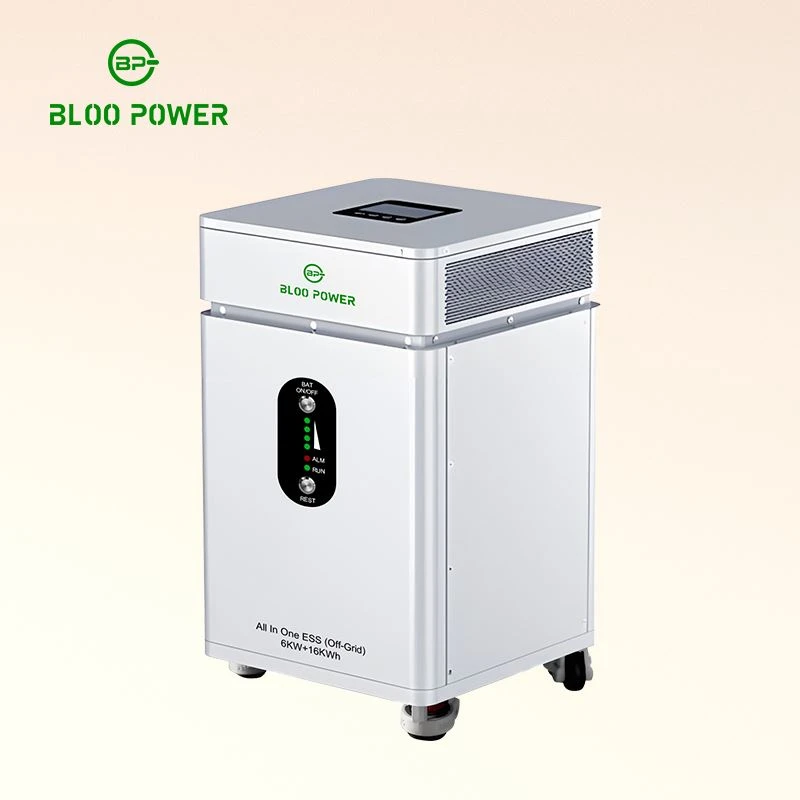
At the same time, post-meter solutions such as home solar and battery storage systems are gaining attention. Installed behind the electricity meter and directly connected to private grids, these systems allow users to maximize self-consumption, reduce electricity costs by discharging during peak pricing periods, and maintain a reliable base load during holidays or periods of grid instability. Emerging technologies-including vanadium flow battery for home applications, flywheel battery for home systems for fast response and power quality, and innovative long-duration options like sand energy storage-offer diversified pathways to enhance flexibility, resilience, and sustainability at the user level.
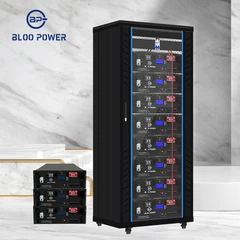
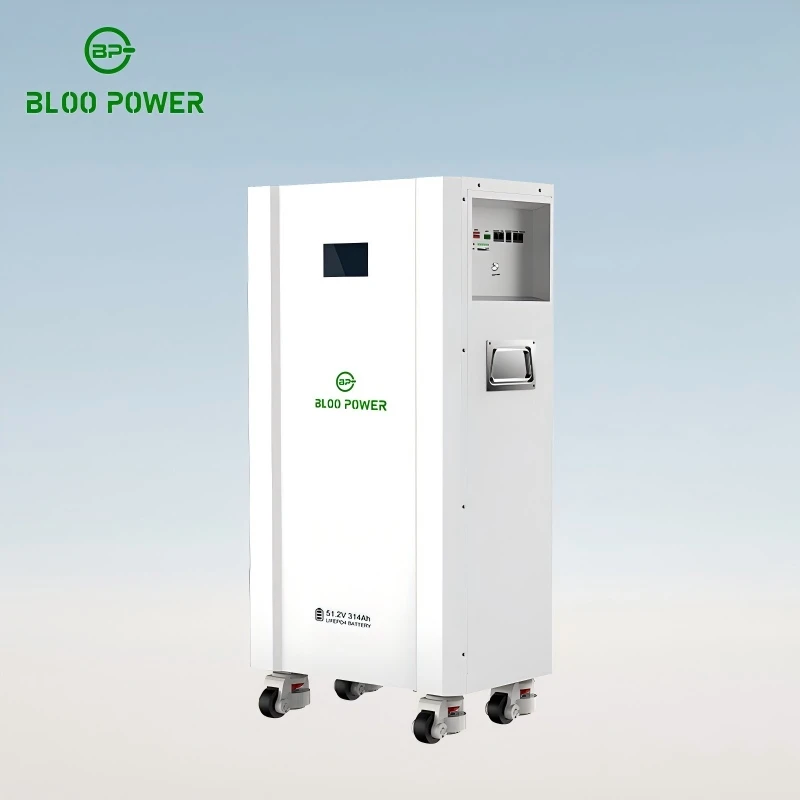
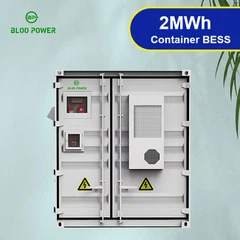
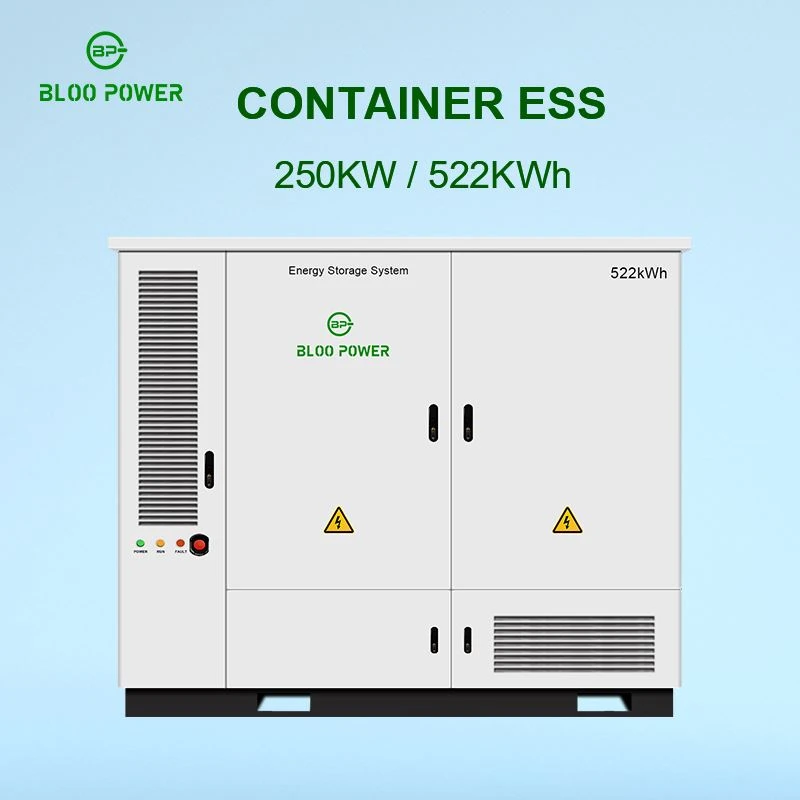
Post-meter energy storage can further relieve grid congestion by shaving peak loads, improve power quality, support electric vehicle charging, reduce carbon emissions, and strengthen crisis response capabilities. Companies such as BLOOPOWER are contributing to this transition by providing scalable and safe energy storage solutions tailored for both residential and commercial needs.

However, the expansion of post-meter energy storage still faces challenges, including high upfront costs, limited user awareness, and an incomplete regulatory framework. To accelerate adoption, recommended measures include tax incentives and low-interest financing, stronger user education and outreach programs, streamlined regulations, and enabling participation in flexibility mechanisms and energy markets to unlock additional value.
Send Inquiry