




















The U.S. Energy Information Administration (EIA) Forecasts 86 Gigawatts (GW) Of New Power Generation Capacity in 2026
Mar 11, 2026
Leave a message
The U.S. Energy Information Administration (EIA) forecasts 86 gigawatts (GW) of new power generation capacity in 2026, with solar and battery storage accounting for 79% as the core drivers

The EIA's February 2026 monthly electricity report shows that the U.S. grid is expected to add 86 GW of utility-scale generating capacity in 2026, the largest single-year increase in over two decades, nearly double the 53 GW added in 2025. This growth will be primarily driven by solar and battery storage, which together account for 79% of the projected new capacity for the year.
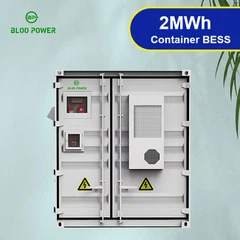
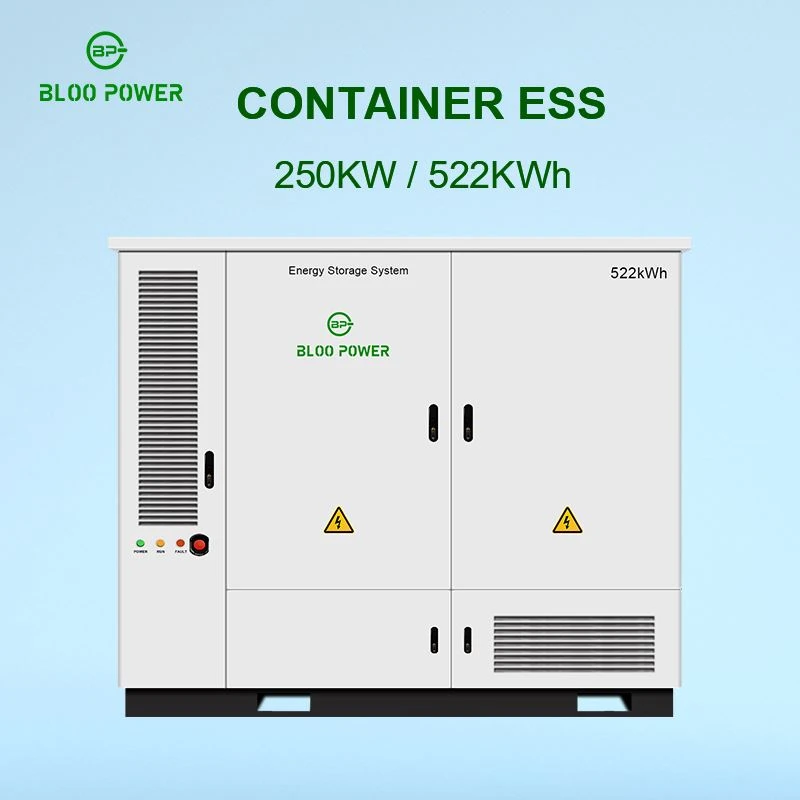
The solar industry plans to add 43.4 GW of industrial-scale photovoltaic (PV) capacity in 2026, a 60% increase from the record 27.2 GW in 2025. Texas accounts for approximately 40% of the planned capacity, or 17.4 GW, while Arizona and California each account for approximately 6%. To meet diverse grid demands, project developers are increasingly utilizing battery energy storage customized solutions to optimize performance. Overall, battery storage is projected to add 24.3 GW in 2026, surpassing the 15 GW record set in 2025. Currently, approximately 48% of grid-connected energy storage capacity is integrated with solar power to alleviate power curtailment and shift peak generation to evening demand periods.
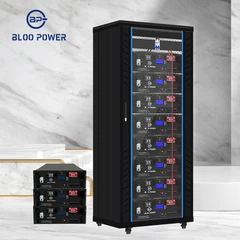
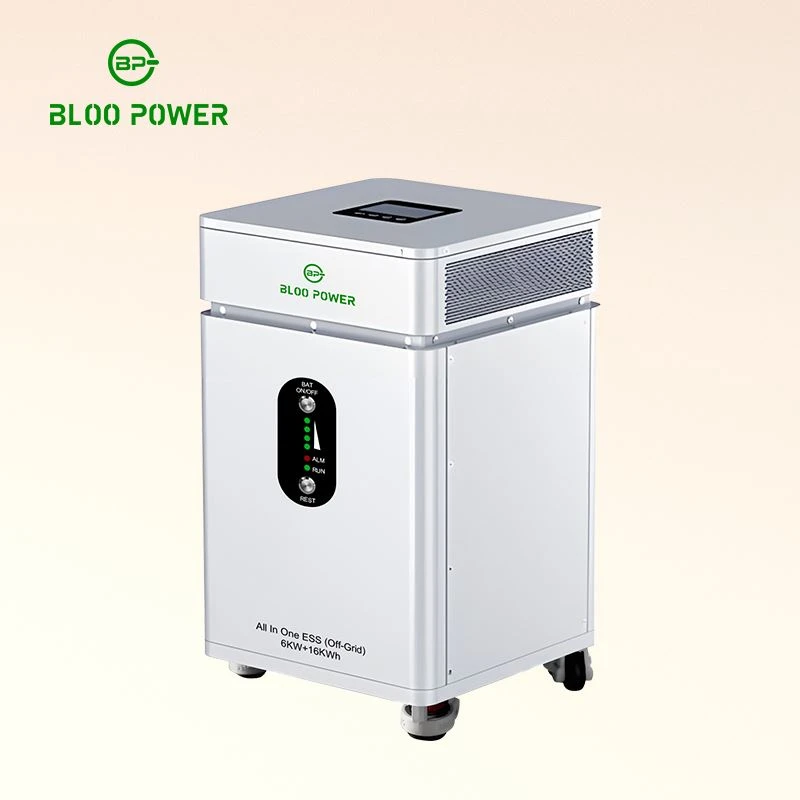
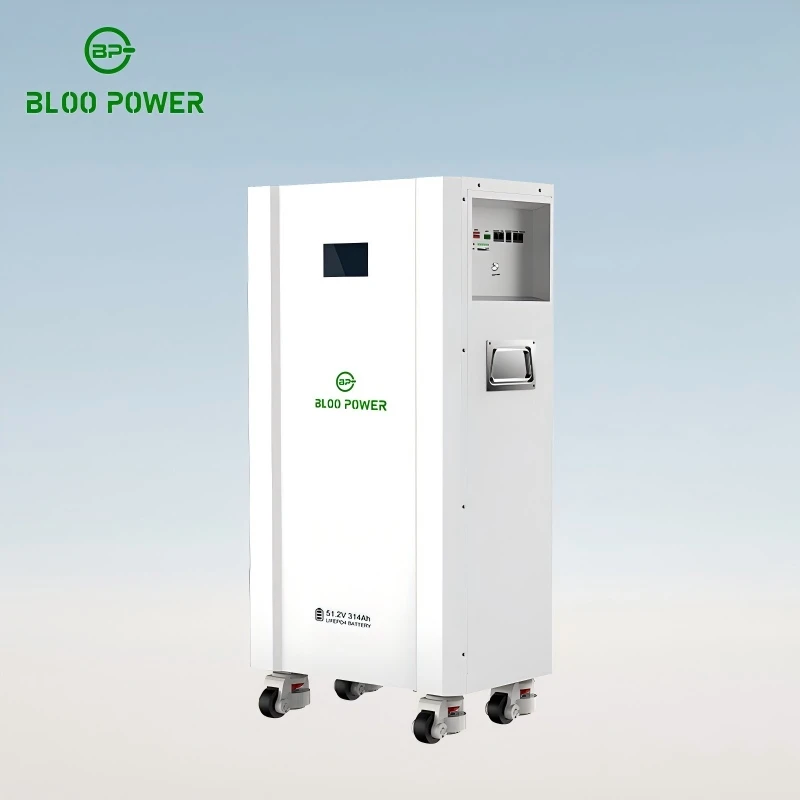
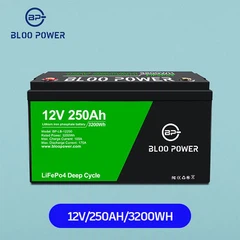
Distributed and small-scale solar power generation has increased by about 11% year-on-year, currently accounting for 2.13% of total U.S. electricity generation. Policy changes are driving a significant increase in the integration of solar power projects with energy storage; in California, residential battery installation rates have reached 69%. Analysis predicts that by 2030, one in eight U.S. households will have solar power installed. The vast majority will be equipped with energy storage, often utilizing a reliable 48v energy storage lifepo4 battery for solar systems to enhance self-consumption and mitigate the impact of low buyback prices. To achieve higher density in smaller footprints, some cutting-edge projects are exploring an advanced lithium-ion sulfur battery for high energy storage. Meanwhile, as the variety of batteries used for energy storage expands, system integrators like BLOOPOWER are playing a crucial role in deploying reliable and scalable solutions across the country.

Send Inquiry