




















Spain's Renewable Energy Curtailment Will Remain High
Mar 12, 2026
Leave a message
Spain's renewable energy curtailment will remain high, but is expected to ease from 2028 onwards

Last year, Spain's renewable energy curtailment reached a record high, more than doubling the level of 2024. July alone accounted for about one-third of the total curtailment for the year, coinciding with the peak period for photovoltaic (PV) generation. Summer curtailment reached 11%, with approximately 892 gigawatt-hours (GWh) of power restricted purely by grid constraints.
According to the Aurora model's forecast for the next decade, curtailment levels will remain high, projected to reach 3.05 TWh this year and 3.38 TWh in 2027. PV generation is expected to account for a significant share, with curtailment accounting for 2.5% of total domestic power generation and exhibiting a wide geographical distribution. The congestion threshold will remain dynamic, adjusting with grid upgrades, load distribution changes, and new generation capacity.
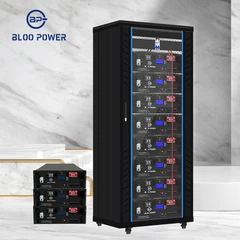
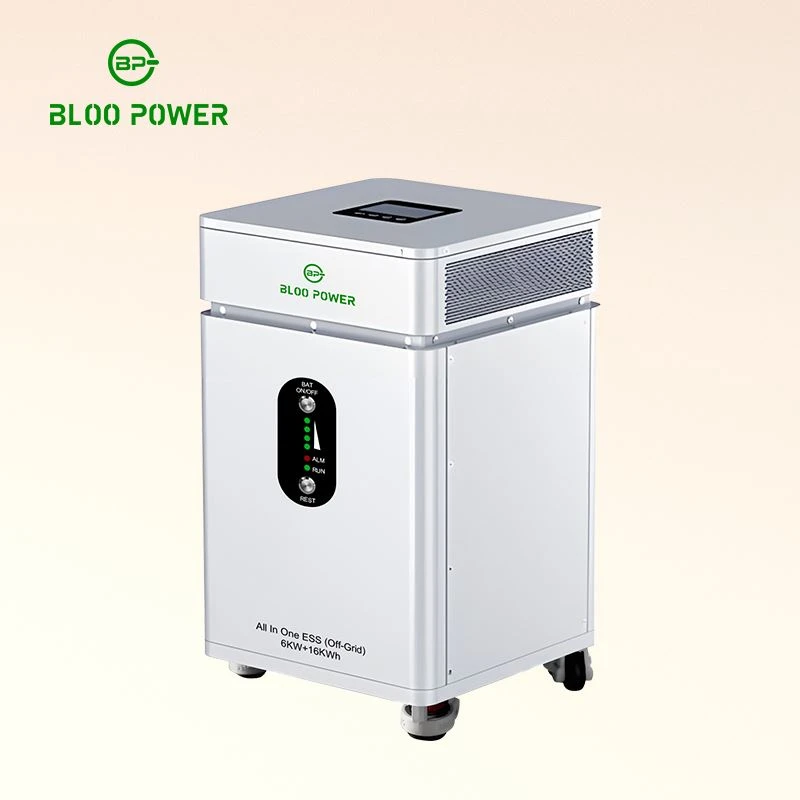
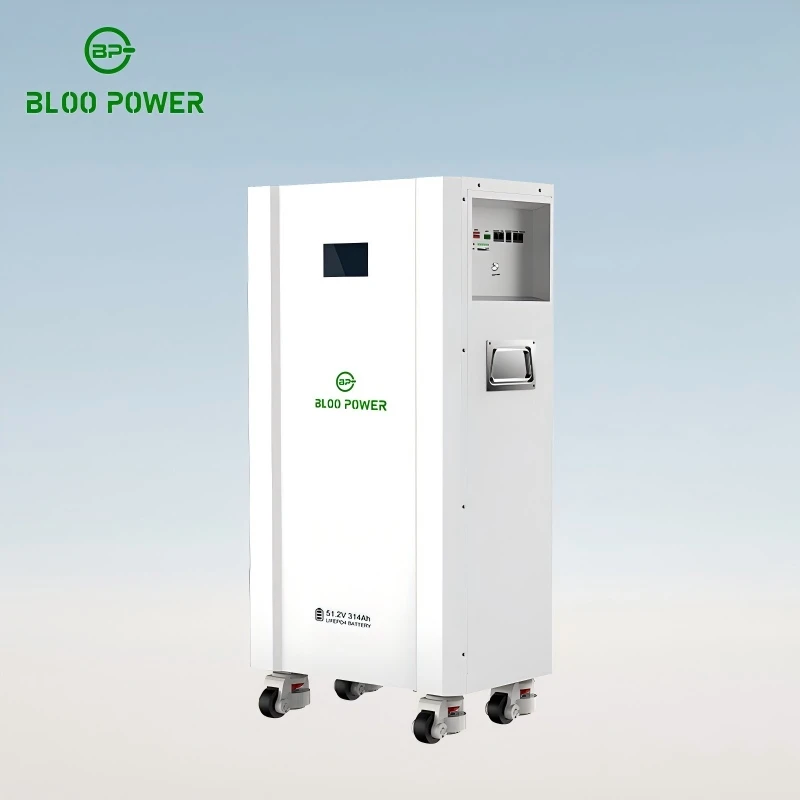
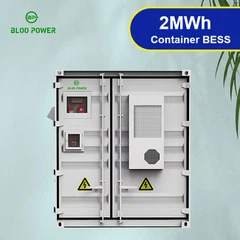
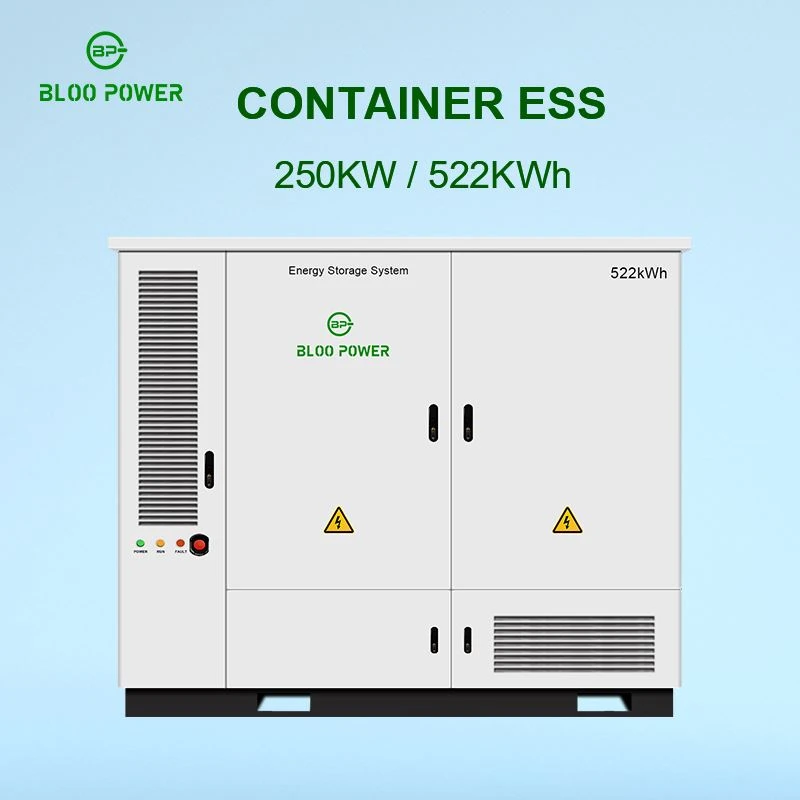
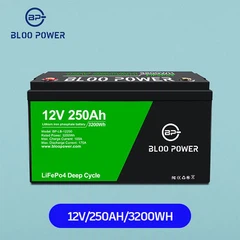
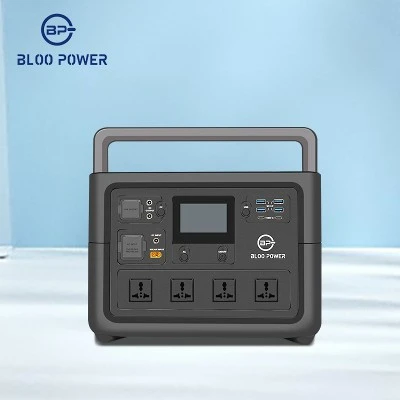
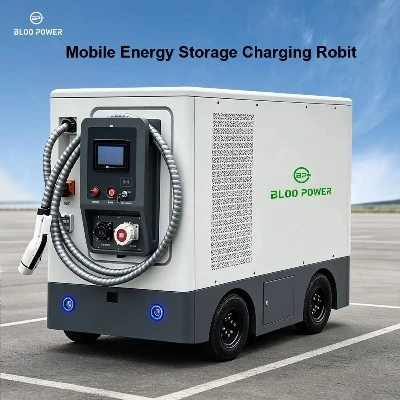
The continued curtailment of approximately 3 TWh per year until 2027 indicates structural pressures, impacting market efficiency and the financial viability of commercial projects and projects supported by power purchase agreements (PPAs). BLOO POWER is stepping in with practical solutions, including its flagship 5 mwh battery energy storage system that directly tackles these grid constraints. At its core, a storage battery stores voltage electric current electrons energy, while emerging technologies such as air pressure battery energy storage open new possibilities for flexibility. This naturally leads many homeowners to ask: are li-ion or lead-acid batteries better for home energy storage? The study indicates that if grid expansion accelerates, energy storage systems develop, and electricity demand increases, power rationing is expected to begin to ease starting in 2028.

Send Inquiry