




















How To Select A Safe Energy Storage System From Chinese Manufacturer?
Jun 30, 2026
Leave a message

Regulatory Advancements in Philippine Solar and Energy Storage Safety Standards
The Philippine Department of Trade and Industry (DTI) is advancing a mandatory product certification program for solar equipment, including photovoltaic (PV) panels and battery energy storage systems (BESS), to uphold reliability, safety, and high technical standards in the domestic renewable energy sector. This initiative addresses the growing integration of battery energy storage system solar solutions across the archipelago.
Safety Concerns Driving Mandatory Certification for BESS and Solar Components
On May 25, 2026, the DTI issued a draft executive order mandating certification for photovoltaic modules, inverters, battery storage systems, fast shutdown devices, battery charging controllers, and photovoltaic cables. The move responds to reported safety incidents such as panel overheating, electrical fires from faulty wiring or inverters, battery explosions, installation-related damage, and electric shock risks during operation and maintenance. The draft emphasizes that the rapid growth of solar deployment in the Philippines necessitates robust technical standards, safety requirements, and regulatory oversight.
Philippines BESS Market Growth and the Role of Trusted Suppliers
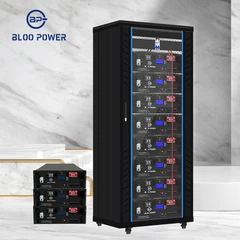
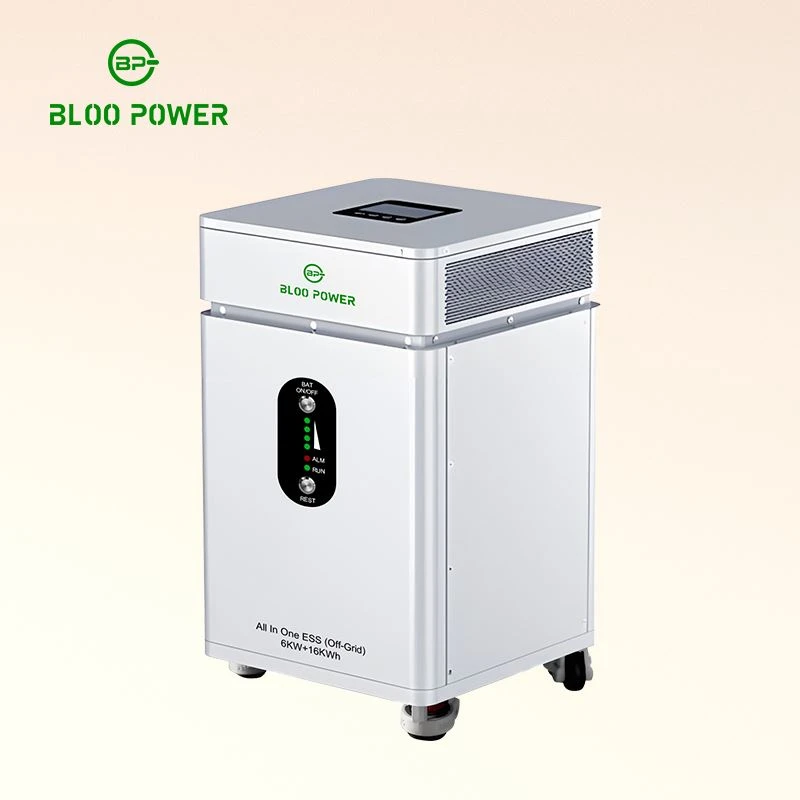
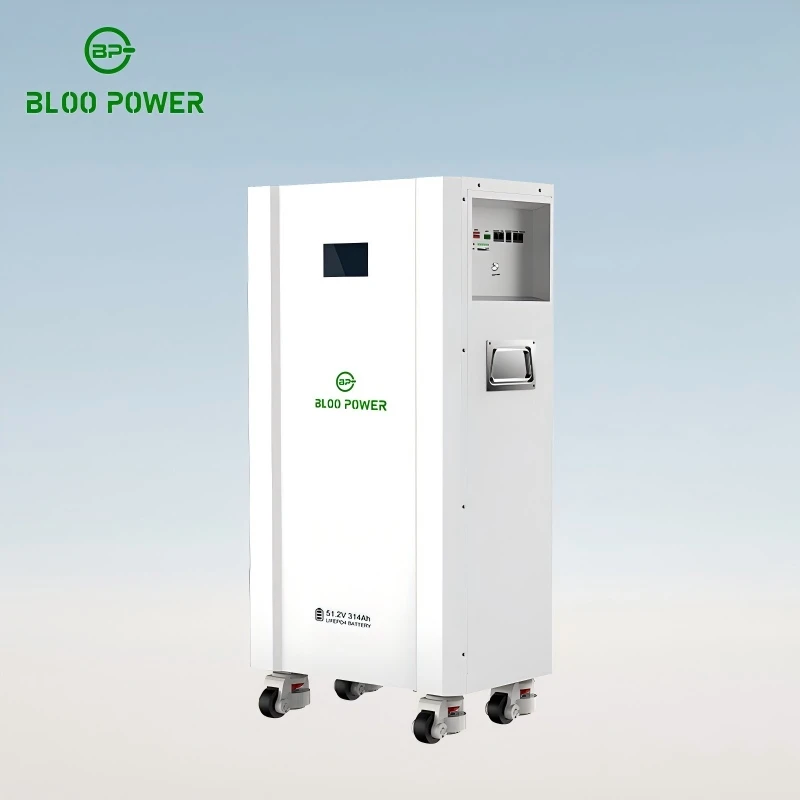
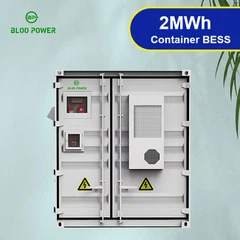
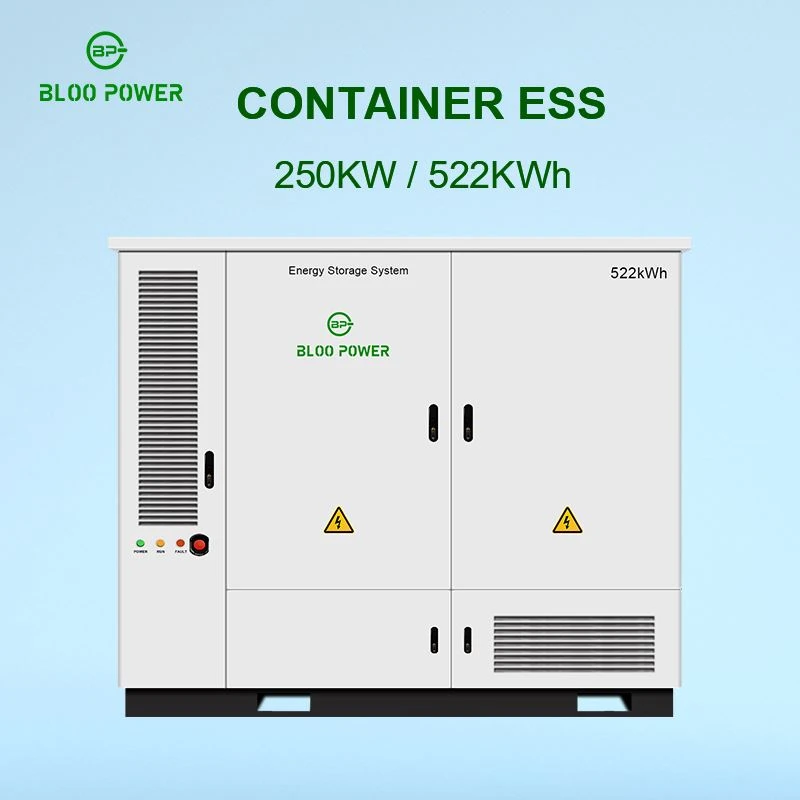
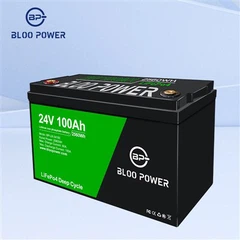
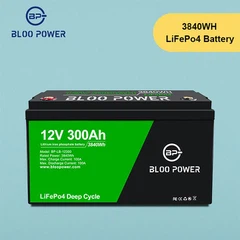
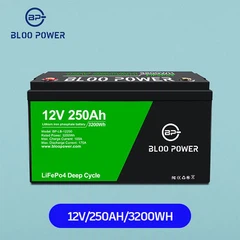
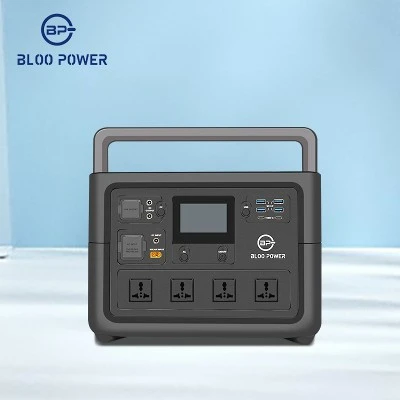
In the context of battery energy storage system Philippines, the market is experiencing significant expansion, supported by major players and suppliers. BLOO POWER, a prominent BESS supplier, offers high-quality lithium battery solutions for residential, commercial, and industrial applications, aligning with the push for reliable energy storage. Their systems, including scalable containerized options, are well-positioned to meet the demands of hybrid solar projects. Recent events like the Solar & Storage Live Philippines 2026 highlight increased interest in such technologies.
Rental Solutions Enhancing Accessibility: 600 kWh BESS Options
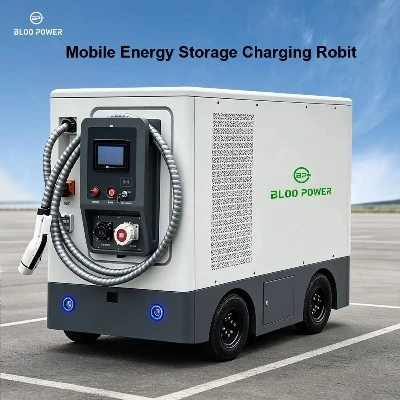
For flexible deployment, options like 600 kWh battery energy storage system rental are gaining traction, particularly for temporary or project-specific needs in remote areas or during grid maintenance. Rental providers offer mobile 75 kW / 600 kWh units that provide clean, emission-free power in stand-alone or hybrid modes, supporting construction sites, events, or backup during peak solar integration phases. These rentals lower upfront costs and allow testing of battery energy storage system solar performance before full commitment.
Recent News and Large-Scale BESS Developments in the Philippines
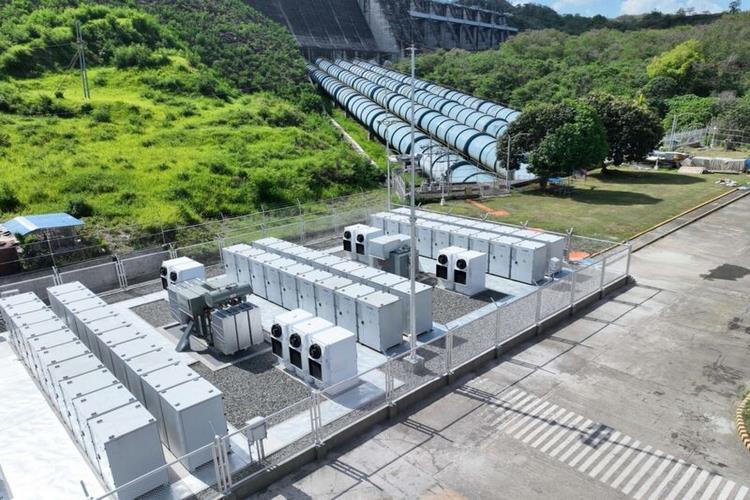
The regulatory push coincides with broader momentum in renewable integration. The Department of Energy (DOE) mandates energy storage for variable renewable energy (VRE) plants over 10 MW, requiring at least 20% of installed capacity in BESS. Flagship projects include Meralco's Terra Solar (3.5 GWp solar with 4.5 GWh BESS) and various utility-scale deployments by ACEN, Aboitiz Power, and San Miguel Global Power, which has around 1,000 MW of BESS operational or planned across multiple sites.
Major BESS Projects and Capacities in the Philippines
|
Project/Developer |
Capacity |
Status/Notes |
|
Meralco Terra Solar |
4.5 GWh BESS + 3.5 GWp solar |
Phase 1 energized |
|
San Miguel Global Power |
~1,000 MW across 32 sites |
Operational/ongoing |
|
ACEN Alaminos |
40 MW / 60 MWh |
Hybrid solar-BESS |
|
Scatec/Aboitiz JV |
80 MW (Binga & Ambuklao) |
Financial close, under construction |
Import Surge and Rooftop Solar Acceleration
The Philippines imports a substantial volume of solar components, predominantly from China. According to an Ember report, the country imported approximately 4.133 GW of Chinese solar panels from January to April 2026, with net imports rising steadily. This surge foreshadows accelerated rooftop solar deployment, with capacity reaching about 1.3 GW recently, up from 721 MW at the start of 2025. Domestic manufacturing is also scaling, exemplified by facilities like Gstar's operations.
Key Solar Import Trends in the Philippines (Ember Data)
|
Period |
Chinese Solar Panel Imports (GW) |
Notes |
|
Jan-Apr 2026 |
~4.133 |
Record surge, rooftop acceleration |
|
Full Year 2025 |
~5.068 (net) |
Up from 3.13 GW in 2024 |
|
Early 2025 |
Steady increase |
Payback periods shortening |
Public Consultation and Transition Timeline
Following the draft release, the DTI conducted public consultations with stakeholders including Meralco and the National Energy Regulatory Authority (NERA). Stakeholders have 60 days to submit comments, followed by a one-year adjustment period for the industry after implementation. All components-locally manufactured or imported-must meet Philippine National Standards enforced by the Bureau of Philippine Standards (BPS) under DTI, applicable to both commercial and residential markets.
Typical BESS Cost Ranges in Philippine Market (2026 Estimates)
|
Segment |
Cost per kWh (USD) |
Typical System Size |
Payback Period |
|
Residential |
280–420 |
5–15 kWh |
3–5 years |
|
Commercial/Industrial |
220–330 |
20–100+ kWh |
2–4 years |
|
Large-scale/Rental |
180–260 |
Containerized (e.g., 600 kWh) |
Project-specific |
Compliance Mechanisms and Market Implications
Non-compliance triggers product recalls within 15 days, with only PS safety mark and ICC-certified products allowed for distribution. Manufacturers, assemblers, and importers bear costs for audits, tests, and licensing. Violators face license suspension or revocation, with BPS publishing lists online. This framework aims to build consumer confidence while supporting BESS supplier reliability in the battery energy storage system Philippines ecosystem.
These developments position the Philippines as a dynamic market for BESS suppliers like BLOO POWER, rental solutions, and integrated solar-storage systems, fostering safer and more resilient renewable energy growth.
Send Inquiry