




















What Is The Best Way For Brazil's Energy Storage Sector To Transform?
Jul 04, 2026
Leave a message

Brazil's Pioneering Battery Storage Auction: A Milestone for Energy Transition
Government Announcement on Normative Documents
On May 22, at a national forum, Brazilian Minister of Mines and Energy Alexandre Silveira announced that the government would release normative documents for the country's first battery storage project auction in the coming days. This initiative is viewed as a strategic move to modernize Brazil's power sector and bolster national energy security, especially with the rapid expansion of renewable energy sources.
Details of the Upcoming Auction
The auction, anticipated for the second half of 2026 (with some reports pointing to December), aims to procure stationary energy battery storage systems for Brazil's national interconnected system (SIN). It targets key technologies including battery energy storage systems (BESS), with expectations of contracting around 2 GW of capacity, potentially equating to 8 GWh under a 4-hour duration scenario. Silveira highlighted energy storage's role in integrating variable renewables like solar and wind, minimizing curtailment losses, and enhancing grid stability.

Brazil's Unique Approach Without Heavy Subsidies
Unlike many countries that rely on substantial government subsidies for energy storage projects, Brazil is developing its own model informed by international best practices. This approach emphasizes market-driven mechanisms while discussing a gradual localization policy to foster domestic manufacturing in the battery and energy storage supply chain. Such steps are expected to stimulate industrial growth, create jobs, and reduce reliance on imports.
Global Context and Market Growth
Globally, the deployment of battery storage has surged dramatically. In 2025, approximately 108 GW of new battery storage capacity was added worldwide, marking a 40% increase from the prior year and bringing total installations to levels eleven times higher than in 2021. China led with about 60% of additions, followed by the United States and Europe. Projections for 2026 indicate continued robust growth, with global BESS shipments potentially reaching 600 GWh.
Market Data and Projections Table 1: Global Battery Storage Additions
|
Year |
New Capacity Added (GW) |
Key Regions Leading |
Notes/Source |
|
2025 |
~108 |
China (60%), US, Europe |
40% YoY growth |
|
2026 (Proj.) |
Significant growth expected |
US (~15 GW new), China |
Shipments ~600 GWh BESS |
Applications and Modeling of Battery Energy Storage in Power Systems
The application and modeling of battery energy storage in power systems is critical for addressing intermittency challenges. Stationary BESS support services such as frequency regulation, peak shaving, arbitrage, and microgrid support. Advanced modeling frameworks simulate real-world performance, including capacity degradation over cycles, efficiency under varying loads, and grid integration scenarios. These models help optimize system design for utility-scale deployments, ensuring reliable operation amid fluctuating renewable outputs.
Warehouse Battery Energy Storage Systems and Industrial Solutions
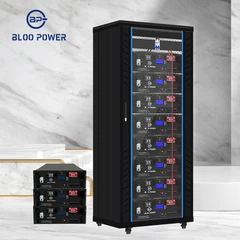
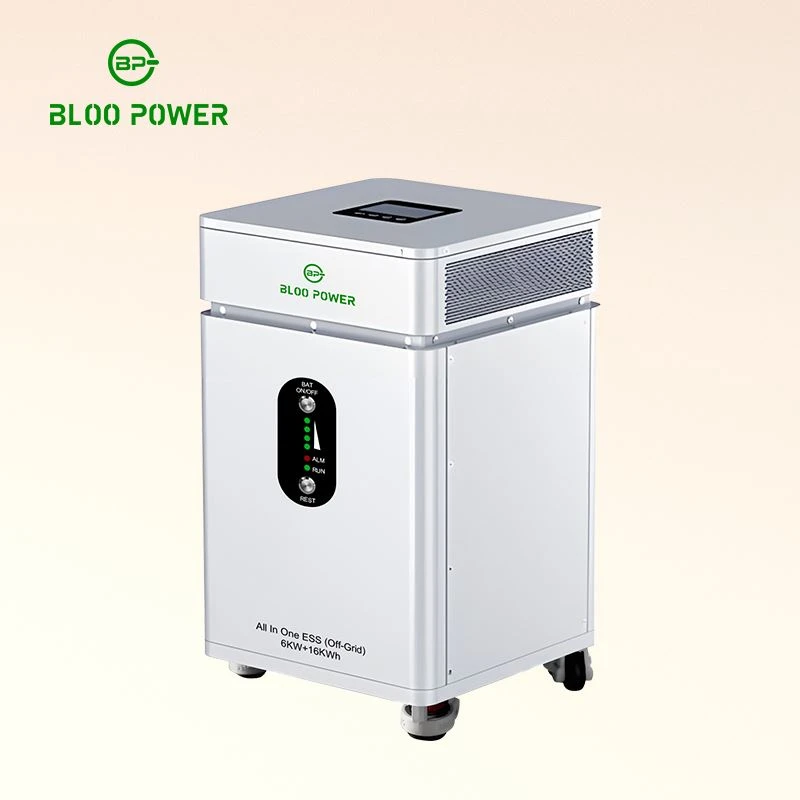
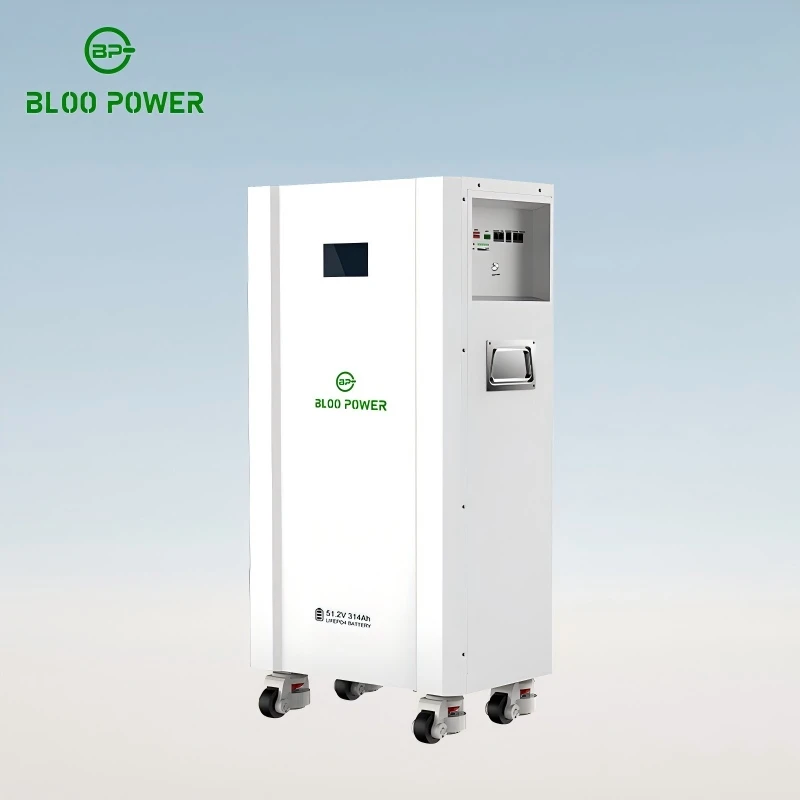
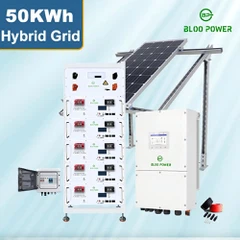
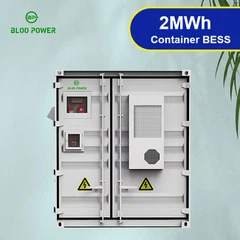
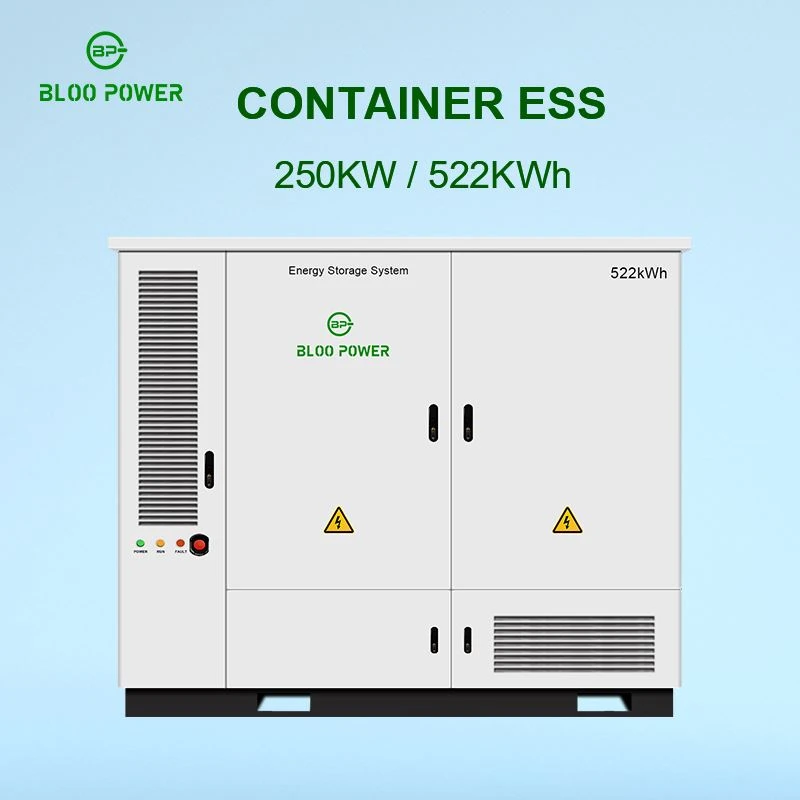
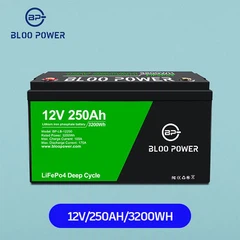
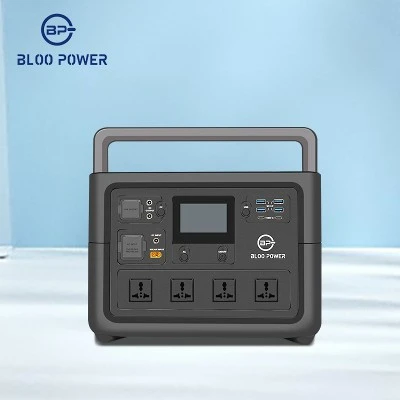
Warehouse battery energy storage systems represent a practical deployment form, often housed in containerized or dedicated warehouse structures for safety and scalability. These systems provide flexible, modular solutions for commercial and industrial users. For instance, companies like BLOO POWER, a leading manufacturer specializing in lithium battery energy storage solutions, offer products ranging from home and commercial hybrid systems to high-voltage rack-mounted batteries suitable for warehouse-scale installations. BLOO POWER's LiFePO4-based systems emphasize long cycle life (over 8000 cycles at 80% depth of discharge) and high energy density, supporting both on-grid and off-grid applications.
Hazard Assessment of Lithium-Ion Battery Energy Storage Systems
Safety remains paramount, prompting thorough hazard assessment of lithium ion battery energy storage systems. Key risks include thermal runaway, fire, and potential gas emissions (e.g., hydrogen). Industry standards like NFPA 855 guide hazard mitigation analyses (HMA) for systems exceeding certain capacities. Incidents are rare, with failure rates low compared to overall deployments, but proper design- including fire suppression, ventilation, and spacing-mitigates consequences. Regulatory frameworks continue evolving to address these challenges while enabling safe scaling.
Typical BESS Performance Metrics
|
Application |
Duration (hours) |
Efficiency (%) |
Cycle Life (approx.) |
Example Use Case |
|
Frequency Regulation |
0.25-1 |
85-95 |
5000+ |
Grid stability |
|
Peak Shaving/Arbitrage |
2-4 |
80-90 |
3000-8000 |
Commercial/warehouse |
|
Renewable Integration |
4+ |
75-90 |
Varies |
Utility-scale stationary systems |
Brazil's Broader Energy Security and Localization Strategy
Beyond the auction, discussions encompass energy security, strategic minerals, and development in regions like the equatorial edge. Localization efforts could boost Brazil's battery industry, aligning with global trends where BESS supports renewable integration and grid resilience. This positions Brazil competitively in the Latin American energy transition.
Brazil Auction Expectations
|
Parameter |
Details |
Projected Impact |
|
Capacity Target |
~2 GW / 8 GWh (4h) |
Reduced curtailment |
|
Timeline |
H2 2026 (possibly Dec) |
Modernization milestone |
|
Localization |
Gradual domestic supply chain |
Industrial growth |
(Data synthesized from industry reports and modeling studies.)
Implications for Sustainable Development Brazil's auction, combined with global advancements in stationary energy battery storage systems, warehouse deployments, sophisticated modeling, and rigorous hazard assessments, signals a maturing sector. Companies like BLOO POWER exemplify innovation in practical solutions. As Brazil advances, these technologies will play a pivotal role in achieving a resilient, low-carbon power system.
Send Inquiry