




















How To Select The Right Rooftop Energy Storage System For Vietnam From Chinese Manufacturers
Jul 05, 2026
Leave a message

Record-Breaking Electricity Consumption in Vietnam
On May 15, 2026, Vietnam's national electricity consumption hit a record high, with daily power generation reaching 1.152 billion kilowatt-hours, surpassing the 2025 peak. The national power system's peak load reached 54,654 megawatts at 2:15 PM, distributed as 26,419 MW in the north, 5,889 MW in the central region, and 23,462 MW in the south. The southern load grew by 5.5% compared to the previous year's highest value, with overall national consumption at 103.6% of the 2025 peak. This surge underscores the urgent need for flexible solutions like energy storage systems battery to balance supply and demand.
Growth of Rooftop Solar in Northern Provinces
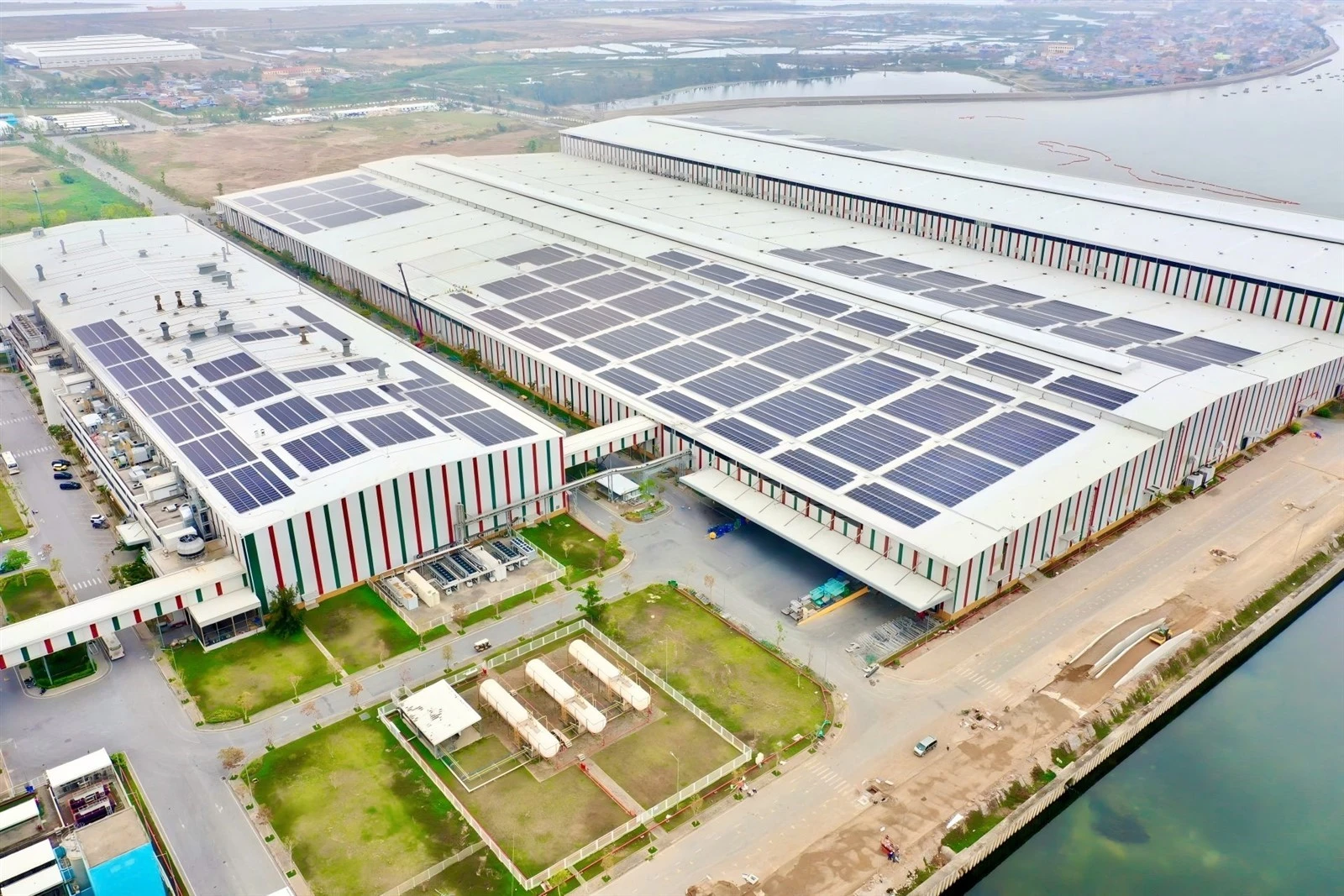
Self-produced and self-consumed solar rooftop systems are expanding rapidly in northern provinces. As of the end of April 2026, Thanh Hoa Power Company oversaw 605 customers with a total peak capacity of 66,561.34 kW. In the first four months, these systems generated 13.8 million kWh of electricity, yielding pre-tax revenues exceeding VND 29.2 billion. The Northern Power Company managed around 5,639 customers with approximately 528.1 MW total capacity, adding 4,040 customers and 204.4 MW in the first four months of 2026 alone.
Vietnam Peak Load and Solar Capacity Highlights (2026 Data)
|
Region/Metric |
Peak Load (MW) |
Solar Customers/Capacity |
Generation/Savings |
|
National Peak (May 15) |
54,654 |
- |
1.152 billion kWh daily |
|
Northern Power Company |
26,419 |
5,639 customers / 528.1 MW |
+204.4 MW added |
|
Da Nang City |
- |
>5,400 systems / 351 MW |
Significant self-consumption |
|
Crystal Martin Vietnam |
- |
3,000+ kW |
2,802 MWh/year, >US$226k savings |
Integration of Battery Storage with Solar Rooftops
Over 1,450 solar rooftop systems in the northern region have incorporated domestic battery energy storage systems, totaling about 8,600 kWh in capacity. These installations enhance energy self-sufficiency, reduce reliance on the grid during peak hours, and support stable operations amid fluctuating solar output. Grid-tie battery energy storage system configurations allow seamless synchronization with the utility grid, enabling export of excess power while providing backup during outages.
Corporate Adoption of Solar and Storage Solutions
Businesses are proactively installing solar rooftop systems to mitigate rising electricity prices and meet carbon reduction goals. Crystal Martin Vietnam deployed 3,960 solar panels with over 3,000 kW peak capacity, covering about 15% of its factory's needs, generating roughly 2,802 MWh annually, and saving more than US$226,000 per year. TNG Investment and Trading Joint Stock Company reports monthly electricity cost savings exceeding VND 70 million and plans to expand with 6-7 additional systems. Da Nang City boasts over 5,400 solar power systems totaling approximately 351 MW peak, including 1,589 self-consumed setups under Government Decree No. 58/2025/ND-CP.
National Policy Targets for Renewables
Prime Minister's Directive No. 10 targets solar rooftop installations in about 10% of government agencies and 10% of households nationwide. The broader renewable energy development phase from 2026 to 2030 aims for 20% installed capacity from such sources. Pairing these with advanced storage technologies is essential for grid stability.
Technical Considerations: Grounding and Safety in BESS
Proper electrical design is critical for safe deployment. The grounding conductor size for battery energy storage system must comply with standards such as NEC Article 250 or IEC requirements to ensure fault current handling and personnel safety. Sizing depends on system voltage, fault levels, and conductor material, typically calculated to withstand short-circuit currents while minimizing impedance. For grid-tie battery energy storage system installations, robust grounding prevents issues like ground faults that could disrupt operations or pose hazards.
Typical Domestic Battery Energy Storage Specifications
|
Parameter |
Typical Value |
Notes |
|
Capacity (Residential) |
5-30 kWh |
Suitable for rooftop solar |
|
Chemistry |
LiFePO4 |
Enhanced safety |
|
Cycle Life |
6,000-10,000+ cycles |
At 80% DoD |
|
Grid-Tie Compatibility |
Yes (with inverters) |
Export/backup functionality |
Role of BLOO POWER in Domestic Solutions
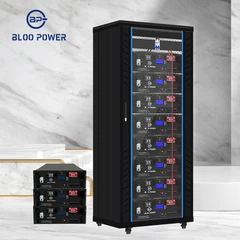
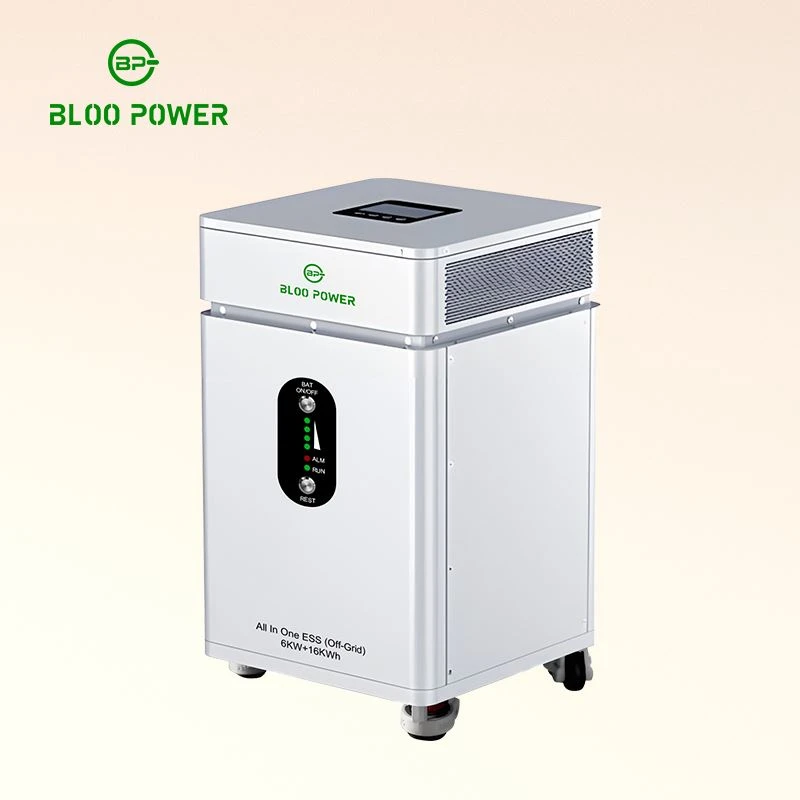
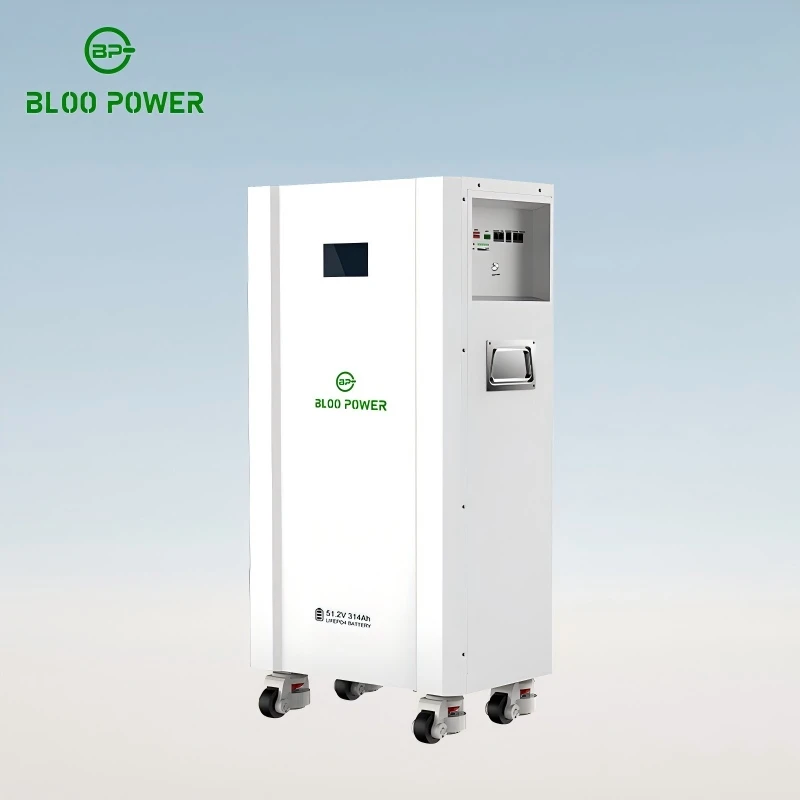
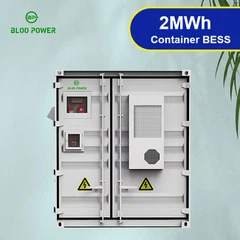
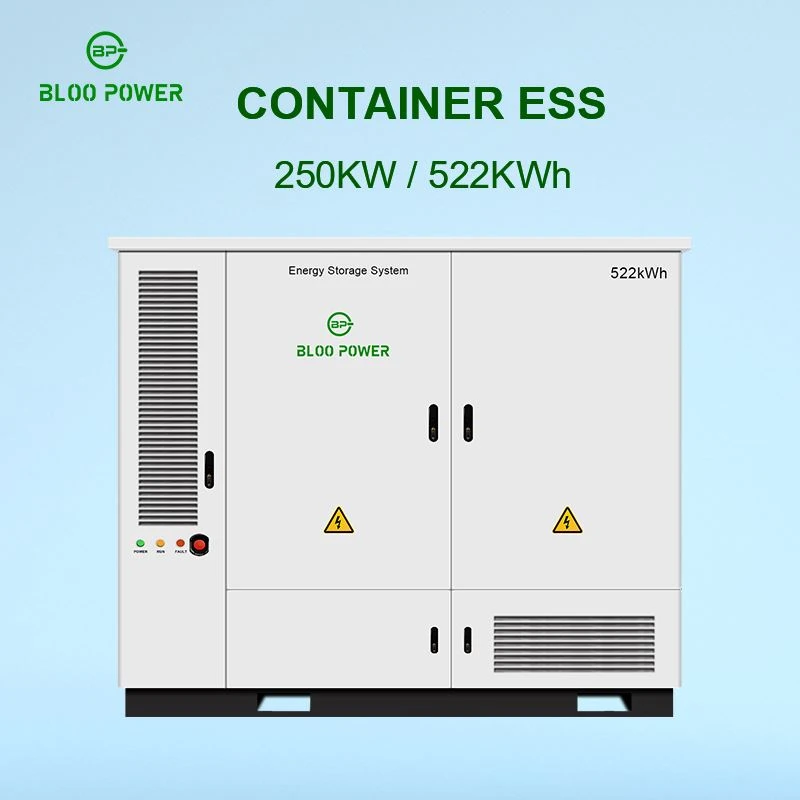
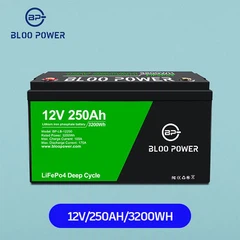
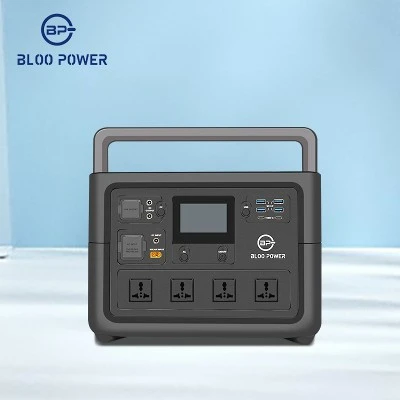
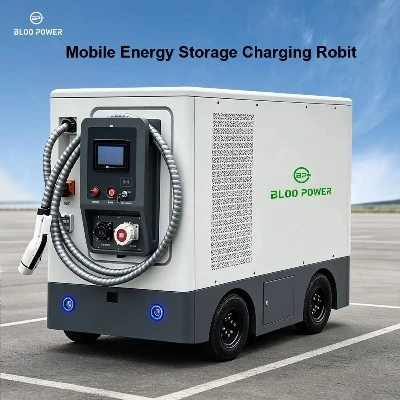
Manufacturers like BLOO POWER are supporting Vietnam's transition by providing reliable domestic battery energy storage systems and components suitable for residential and small commercial rooftop solar integrations. Their LiFePO4-based products offer high safety, long cycle life, and compatibility with grid-tie setups, helping meet local demand for affordable, high-performance energy storage.
Grounding Conductor Sizing Guidelines (Simplified for BESS)
|
System Size (kW/kWh) |
Recommended Grounding Conductor (Copper, AWG) |
Reference Standard |
|
< 100 |
6-4 AWG |
NEC/IEC basics |
|
100-500 |
4-2 AWG |
Fault current dependent |
|
>500 |
2/0 or larger |
Engineer calculation required |
Global and Regional Energy Storage Trends
Vietnam's developments align with broader Asian growth in battery storage. Globally, new battery storage capacity additions reached significant milestones in 2025, with projections for continued expansion in 2026 driven by renewable integration needs. In Southeast Asia, countries are increasingly adopting BESS to manage peak loads and solar variability.
Future Outlook for Vietnam's Energy Resilience By combining robust policies, corporate initiatives, and technologies such as grid-tie battery energy storage system and proper grounding conductor size for battery energy storage system, Vietnam is well-positioned to manage record demand while advancing renewables. Domestic solutions from providers like BLOO POWER will play a key role in scaling energy storage systems battery adoption nationwide.
Send Inquiry