




















How Austria Is Launching Its Energy Storage Offensive?
Sep 30, 2026
Leave a message

Policy Shift Toward Battery Storage and Grid Utility
Austria is realigning its renewable energy incentive policies, scaling back support for small-scale photovoltaic (PV) installations while redirecting resources toward battery storage, smart energy management systems, and solutions that enhance the grid utility of solar power. Announced by the Ministry of Economy and Energy and slated for implementation in 2027, this reform addresses challenges arising from high PV penetration in the power system: simply increasing installed capacity is no longer sufficient to manage the concentration of generation during specific periods, as this energy cannot easily be shifted to times of higher demand and peak electricity prices. The Austrian government has termed this initiative a new "storage offensive."

Oversubscription Highlights Need for Reform
Starting in 2027, general government support for standard small-scale PV installations will be reduced. A ministerial statement issued on July 10, 2026, outlined three key priorities for the new support policy: energy storage, system utility, and market integration. In the second round of investment incentive tenders for PV and storage in 2026, Austria received nearly 28,000 applications requesting approximately €120 million in funding; however, with only €20 million available, roughly 3,000 applications were approved, while about 25,000 were rejected. Approximately 16,000 applications had already been turned down in the first round. From 2027 onwards, the government will abandon the "first-come, first-served" principle and allow applications to be submitted after installation and invoicing. Details of the new scheme remain pending, and the total budget for 2027-as well as specific incentive levels for batteries and energy management systems-have not yet been announced. Current standards include €150/kWh for PV-paired storage; €150/kWp for PV systems under 10 kWp; €140/kWp for systems between 10 and 20 kWp; and a competitive process with declining caps for larger-scale systems. The standard budget for PV investment incentives in 2026 is €60 million. Retrofitting existing PV facilities with storage systems is eligible for funding if integrated with smart management systems, while support will continue for more innovative or complex applications, such as building-integrated PV (BIPV), agrivoltaics, solar canopies, floating PV, and PV integrated into noise barriers. A "Made in Europe" bonus has been confirmed, allowing for a 10% increase in incentives for European-made components, inverters, and batteries.
Market Potential and Current Installed Capacity
A ministry-commissioned study indicates that market-oriented battery capacity could reach 8 GW by 2030, delivering economic benefits to the system; however, this figure is an estimate rather than a binding target. Austria currently has over 3.2 GWh of installed battery capacity-mostly in systems under 50 kWh-alongside approximately 6.2 GW of pumped-hydro storage. The study suggests that expanding energy storage could lower wholesale electricity prices by up to €2/MWh by 2030. Taking August 15, 2026, as an example: consumption was 120.1 GWh and generation 117.8 GWh, with solar PV accounting for about 30%. Solar output peaked at 4.3 GW at noon, whereas during the evening peak of 6.1 GW, solar generation was virtually zero. Average wholesale prices were just €14/MWh between 10:00 and 16:00, rising to around €180/MWh in the evening. The government aims to use batteries and smart consumption management to absorb electricity during low-price periods and release it during peak demand. Details yet to be finalized include new incentive criteria for storage, support for energy management systems, capacity limits, and standards for assessing system "intelligence" or grid utility. Amendments to the Renewable Energy Expansion Act have entered the coordination phase; State Secretary for Energy Elisabeth Gsettner stated the bill would be submitted for review "as soon as possible," noting that recent tenders highlight the need for reform. She explained that the current financing model has reached its limits due to high demand and limited resources, and that the new policy will place greater emphasis on energy storage and grid integration.
Alignment with Broader European Flexibility Trends
Austria's approach aligns with broader European trends. The 2024 electricity market reform requires member states to regularly assess flexibility needs, set indicative targets for non-fossil flexibility, and distinguish between the contributions of energy storage and demand-side management. Following Germany's 2025 "Solar Package" measures-which restricted remuneration for new PV installations during periods of negative electricity prices-a proposal to reform the Renewable Energy Sources Act was introduced in late July 2026. This proposal aims to phase out long-term support for new small-scale PV systems under 25 kWp and limit power feed-in for new rooftop PV systems to 50% of capacity to encourage the adoption of battery storage. The Netherlands will terminate its net-metering scheme effective January 1, 2027, to encourage self-consumption and alleviate grid strain; additionally, it is launching the "Flex-e" public program to provide analysis, feasibility studies, and investment support to businesses affected by grid congestion, with subsidies for actual interventions covering up to 40% of costs. Across Europe, annual battery installations are projected to exceed 50 GWh in 2026 and approach 138 GWh by 2030 under medium scenarios, with cumulative capacity potentially reaching several hundred GWh.
Current and Projected Austrian Battery Storage Indicators
|
Metric |
Approximate Value |
Notes / Timeline |
Context |
|
Installed battery capacity |
>3.2 GWh |
Mostly <50 kWh systems |
Current (2026) |
|
Pumped-hydro capacity |
~6.2 GW |
Established long-duration asset |
Current |
|
Market-oriented battery potential |
Up to 8 GW |
Study estimate |
By 2030 |
|
Potential wholesale price reduction |
Up to €2/MWh |
From expanded storage |
By 2030 |
|
2026 PV+storage funding applications |
~28,000 (second round) |
~€120 million requested |
Limited budget approved |
Rising Demand for China Lithium Ion Battery for Solar Energy Storage Solutions
As European markets prioritize storage, demand intensifies for high-performance china lithium ion battery for solar energy storage systems capable of pairing efficiently with PV arrays. Chinese manufacturers dominate global cell and system production, supplying the majority of lithium-iron-phosphate (LFP) cells used in residential, commercial, and utility-scale projects. These batteries enable higher self-consumption rates and help mitigate the midday price collapses and evening spikes illustrated in the Austrian example. Global energy storage cell shipments have grown rapidly, with Chinese firms accounting for the bulk of volume and driving cost reductions that make wholesale and distributed storage more accessible.
Role of Energy Storage Lithium Battery Supplier Networks in Europe
An expanding network of energy storage lithium battery supplier companies is responding to policy signals across Austria, Germany, and the Netherlands. These suppliers provide complete systems ranging from residential wall-mounted units to containerized commercial installations, often incorporating advanced battery management systems (BMS) and smart energy management interfaces required under new incentive criteria. The shift away from pure generation support toward storage and grid utility creates opportunities for suppliers that can demonstrate system intelligence, European content eligibility for bonuses, and reliable long-cycle performance.
Comparative European Policy Adjustments Supporting Storage (2026–2027)
|
Country |
Key Policy Change |
Effective / Target Period |
Primary Goal |
|
Austria |
Scale back small PV support; prioritize storage & EMS |
2027 |
Increase self-consumption & grid utility |
|
Germany |
Restrict remuneration during negative prices; limit feed-in |
Ongoing / proposed 2026 |
Encourage battery adoption |
|
Netherlands |
End net-metering; Flex-e program for congestion relief |
1 Jan 2027 |
Promote self-consumption & flexibility |
|
EU-wide |
Flexibility needs assessment & non-fossil targets |
Post-2024 reform |
System-level storage contribution |
Emerging Research on Fast-Growing Brown Algae to Boost Energy Storage in Lithium-Ion Battery Anodes
Parallel scientific advances include the use of fast-growing brown algae to boost energy storage in lithium-ion battery technologies. Researchers have derived activated biochar and alginate binders from brown algae such as Sargassum species, demonstrating improved cycling stability-up to 91% capacity retention after 1,000 cycles in optimized electrolytes-and enhanced performance in silicon-based anodes. Alginate extracted from brown algae has previously been shown to enable silicon anodes with capacities several times higher than conventional graphite while mitigating volume-expansion degradation. These bio-derived materials offer a sustainable pathway to higher-capacity, longer-life cells that could complement conventional LFP chemistries in future solar-plus-storage deployments.
Contributions from Lithium Battery Energy Storage Manufacturer Capacity
Leading lithium battery energy storage manufacturer operations, particularly those specializing in LFP chemistry, continue to scale production of cells and modules optimized for stationary applications. European policy emphasis on storage, combined with "Made in Europe" incentives, encourages both local assembly and strategic sourcing from established global manufacturers. Recent projects, such as large grid-connected systems in Austria exceeding 100 MWh, illustrate the growing technical maturity of these solutions for balancing solar variability.
Adoption of Prismatic Lithium Ion Cell Battery for Energy Storage Applications
The prismatic lithium ion cell battery for energy storage format has become the preferred choice for many stationary systems due to its rectangular shape, high packing density, mechanical robustness, and favorable thermal characteristics. Prismatic LFP cells in the 280 Ah to 314 Ah range are widely deployed in commercial and utility-scale containers, offering cycle lives of 4,000–6,000 or more at high depth of discharge and reduced risk of thermal runaway compared with some alternative formats. Their efficient space utilization and ease of modular assembly make them particularly suitable for the retrofitting and new-build storage projects encouraged under Austria's forthcoming rules.
Key Technical Attributes of Prismatic LFP Cells for Energy Storage
|
Attribute |
Typical Range / Value |
Advantage for Solar Storage |
|
Cycle life (80% DoD) |
4,000–6,000+ |
Long service life matching PV system lifetime |
|
Cell capacity (common) |
280–314 Ah |
Efficient modular containerization |
|
Thermal stability |
High (LFP chemistry) |
Reduced risk, simpler thermal management |
|
Packing density |
Superior to cylindrical |
Higher energy in limited space |
|
Format |
Rectangular hard-case |
Mechanical robustness & ease of assembly |
BLOO POWER as a Specialized Provider of Integrated Solutions
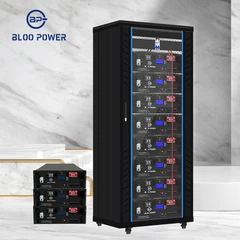
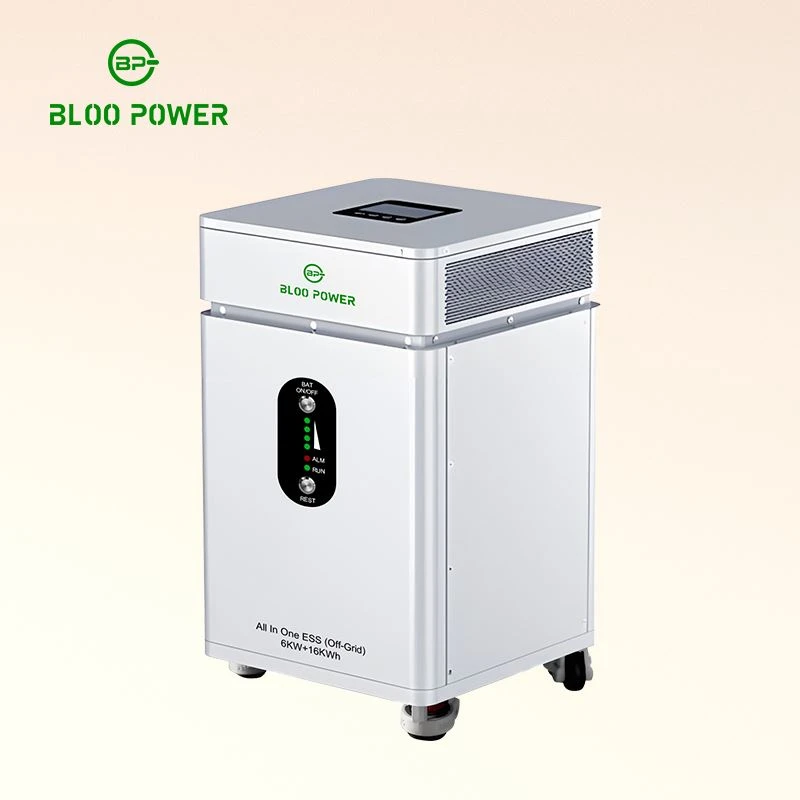
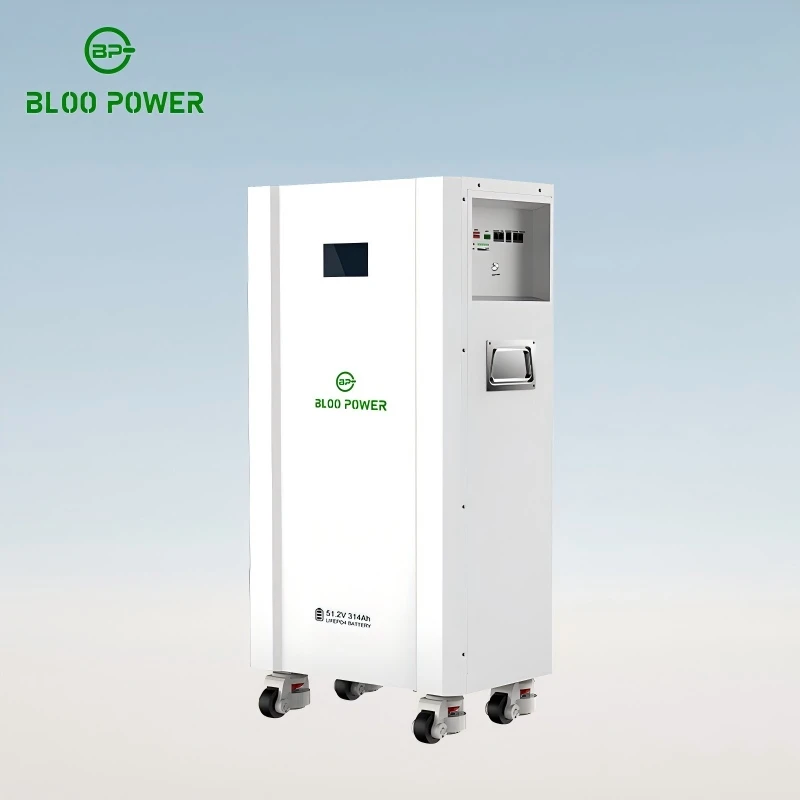
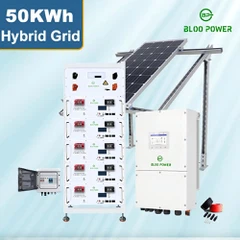
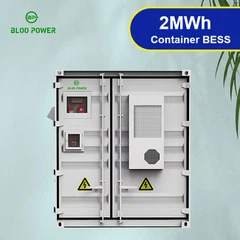
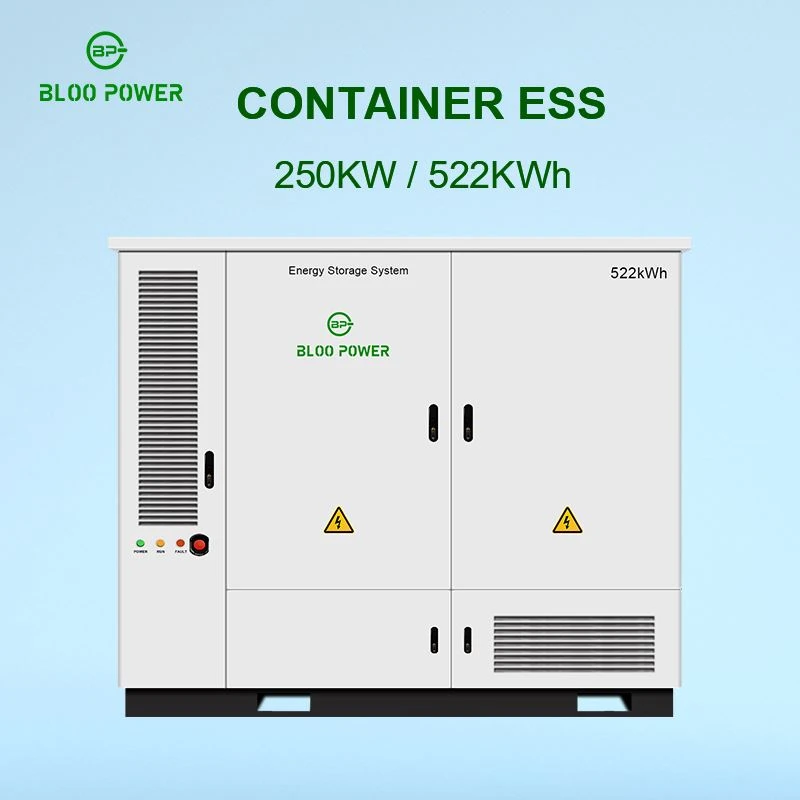
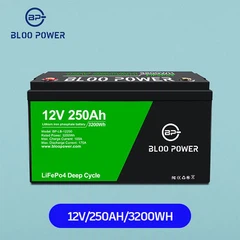
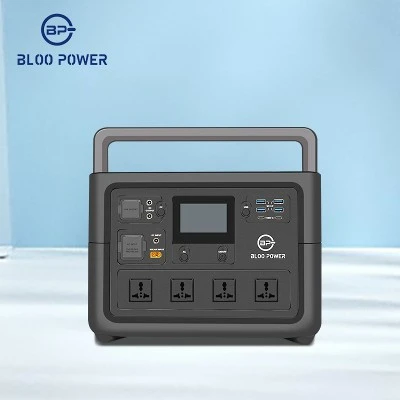
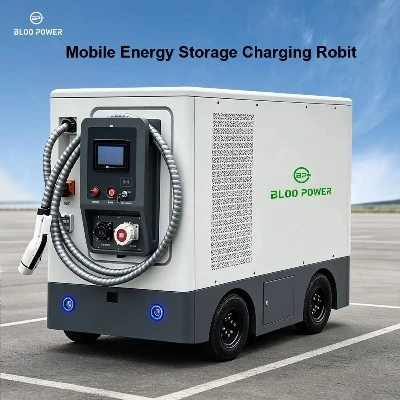
Within the competitive supplier landscape, BLOO POWER stands out as a China-based manufacturer offering home energy batteries and commercial energy storage systems based on LiFePO4 chemistry. The company produces a range of low- and higher-voltage packs, all-in-one units, and containerized solutions with cycle lives often rated at 6,000–8,000 cycles, supporting both residential solar self-consumption and larger commercial applications. Its products align with the technical requirements emerging in European markets that increasingly value reliable, long-duration lithium-ion storage paired with smart management capabilities.
Long-Tail Opportunities in the Evolving European Storage Market
Five related long-tail themes illustrate the depth of current developments:
- Residential solar lithium battery storage systems with smart energy management integration;
- Utility-scale prismatic LFP battery energy storage for grid flexibility;
- European incentives for china lithium ion battery for solar energy storage projects with Made-in-Europe bonuses;
- Custom energy storage lithium battery supplier solutions for PV retrofits;
- Bio-derived materials from brown algae advancing next-generation lithium-ion anode performance.
These opportunities appear across policy design, project pipelines, and technology roadmaps as countries move from pure generation support toward system-oriented storage.
Implications for Manufacturers, Suppliers, and Project Developers
The Austrian storage offensive, together with parallel reforms in neighboring countries, signals a structural shift in European renewable support mechanisms. Lithium battery energy storage manufacturer capacity and energy storage lithium battery supplier networks that can deliver prismatic lithium ion cell battery for energy storage systems, demonstrate grid utility, and incorporate sustainable material innovations-including those exploring fast-growing brown algae to boost energy storage in lithium-ion battery anodes-are well positioned. Specialized providers such as BLOO POWER and broader china lithium ion battery for solar energy storage supply chains will continue to play a central role in meeting the rising technical and volume requirements of these markets.
Outlook for System Integration and Cost Reduction
As incentive frameworks evolve to reward storage and intelligence rather than pure capacity addition, project economics increasingly favor systems that can shift solar generation from midday surplus to evening peak periods. Continued cost declines in lithium-ion technology, combined with policy clarity and research into advanced materials, are expected to accelerate deployment. The combination of regulatory redesign, technological maturation, and diversified manufacturing sources positions Austria and Europe more broadly to manage high renewable penetration while enhancing energy security and affordability.
Send Inquiry