




















How Germany Is Vigorously Promoting The Development Of Battery Energy Storage Systems?
Oct 03, 2026
Leave a message

Bundesnetzagentur Launches Public Consultation on Integrated Scenario Framework
On Monday, the German Federal Network Agency (Bundesnetzagentur) released the draft "Scenario Framework for Electricity, Gas, and Hydrogen (2027–2040/45)," jointly submitted by transmission system operators, and launched a public consultation; relevant associations and organizations may submit their assessments by September 28. The framework outlines three scenarios each for 2040 and 2045, aiming to drive Germany toward a climate-neutral energy system by 2045. Compared to previous versions, the new framework significantly raises projected capacity for large-scale battery energy storage while notably lowering assumptions for electrolyzer capacity; meanwhile, electricity consumption forecasts have been increased due to rising demand from data centers. This integrated approach, covering electricity, gas, and hydrogen for the first time with shared assumptions on power plant and electrolyzer locations, marks a key step in coordinating infrastructure planning across energy carriers.

Sharp Rise in Projected Large-Scale Battery Storage Capacity to Support Renewables
Using 2025 as the base year, large-scale battery storage capacity is projected to rise from the current 2.7 GW to between 84.1 GW and 102.4 GW by 2040, with storage capacity increasing from 4.1 GWh to a range of 168.2–204.8 GWh; growth beyond 2040 is expected to be marginal. Small-scale battery storage (i.e., residential storage) capacity is forecast to grow from the current 14.2 GW to between 47.4 GW and 79.5 GW by 2040, with capacity rising from 21.3 GWh to 94.8–159 GWh; similar to the large-scale segment, growth after 2040 is expected to be minimal. These elevated targets for BESS battery energy storage systems reflect the growing recognition that flexible, fast-responding storage is essential to integrate high shares of variable renewable generation, particularly solar and wind, while maintaining grid stability. Transmission system operators have roughly doubled their prior assumptions for utility-scale batteries compared with the previous Grid Development Plan, which had projected only 41.1 to 94.1 GW of 2-hour capacity.
Electricity Demand Surge Driven by Data Centers and Electrification
Total electricity consumption is projected to increase from the current 517.2 TWh to between 937.6 TWh and 1,139.4 TWh by 2040, reaching a peak of 1,208.1 TWh in 2045; within this total, consumption by data centers is expected to rise from 4.2 TWh to 141.8 TWh by 2040 and 143.2 TWh by 2045. This sharp upward revision underscores the dual pressures of digitalization and deep electrification across transport, heating, and industry. High-quality battery energy storage system BESS installations will play a critical role in managing these new load profiles, providing peak shaving, frequency regulation, and energy shifting to avoid costly grid reinforcements.
Adjustments in Hydrogen and Natural Gas Assumptions Reflect Realistic Pathways
Compared to the previous version of the "Grid Development Plan," transmission system operators have significantly raised their assumptions regarding large-scale battery energy storage-whereas previously, only 41.1 to 94.1 GW of 2-hour capacity was projected-while expectations for residential energy storage have been slightly lowered. Forecasts for installed photovoltaic capacity remain stable, projected at 275–400 GW by 2040 and 325–400 GW by 2045, though these figures are lower than the previous plan's peak forecast of 440 GW. Regarding the natural gas and hydrogen draft, hydrogen export capacities for Scenarios 1 and 2 remain largely unchanged from the previous version; however, Scenario 3 shows significant adjustments, with upward revisions to natural gas capacity and downward revisions to hydrogen capacity for 2040 and 2045, alongside an increased weighting for biomethane. Lowered electrolyzer capacity assumptions signal a more cautious view of domestic green hydrogen production timelines, placing greater emphasis on flexible electricity storage solutions such as lithium-ion battery for large scale energy storage.
Projected Battery Storage Capacity in the Draft Scenario Framework (Base Year 2025)
|
Segment |
Metric |
2025 (Current) |
2040 Range |
Notes on Post-2040 Growth |
|
Large-scale BESS |
Power (GW) |
2.7 |
84.1 – 102.4 |
Marginal |
|
Large-scale BESS |
Energy (GWh) |
4.1 |
168.2 – 204.8 |
Marginal |
|
Small-scale (Residential) |
Power (GW) |
14.2 |
47.4 – 79.5 |
Minimal |
|
Small-scale (Residential) |
Energy (GWh) |
21.3 |
94.8 – 159 |
Minimal |
Source: Draft Scenario Framework for NEP 2040/2045 (2027) as reported by transmission system operators and media analysis.
Role of Lithium-Ion Technology and Lifetime Considerations in Large-Scale Deployment
The dominant technology underpinning these ambitious targets is the lithium-ion battery for large scale energy storage, particularly lithium iron phosphate (LFP) chemistry favored for its thermal stability, cost-effectiveness, and cycle durability. Industry data indicate that well-managed grid-scale LFP systems typically achieve a design life of 10–15 years, with capacity retention often remaining above 80% of initial value after a decade under optimized conditions (moderate depth of discharge, controlled temperature, and intelligent energy management). Some advanced systems now target up to 20-year warranties with periodic augmentation. The lifetime of lithium ion energy storage batteries is influenced by calendar aging, cycle aging, state of charge windows, and temperature; proper operation can limit annual capacity fade to roughly 1–2% in early years. Extending the lifetime of lithium ion energy storage batteries through advanced battery management systems and thermal control is therefore central to the economic viability of the projected 80–100+ GW fleet.
Emerging Project Pipeline and Supplier Landscape in Germany
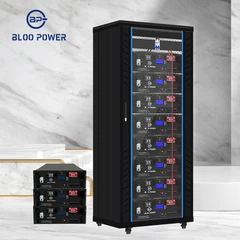
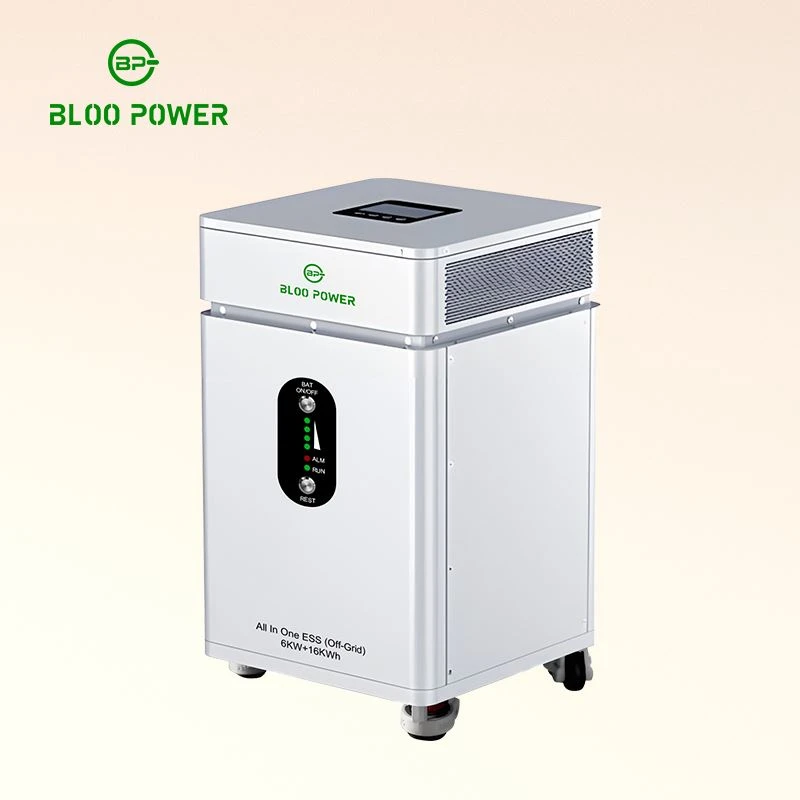
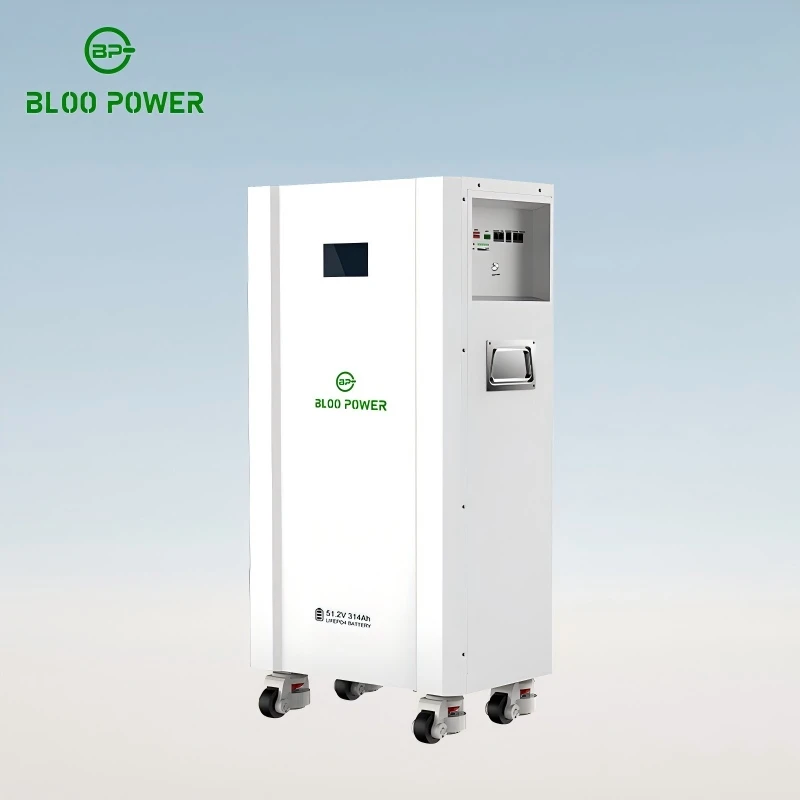
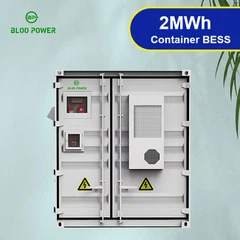
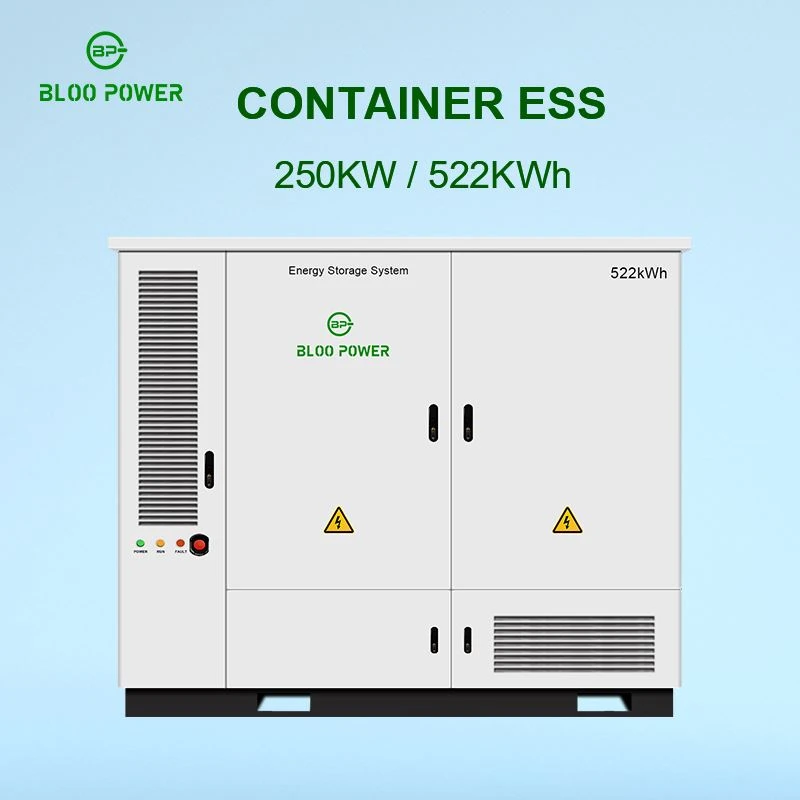
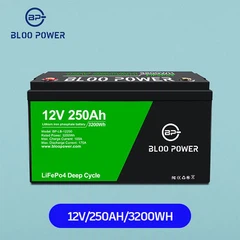
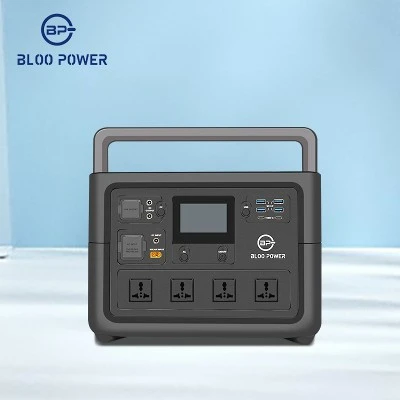
Germany is already seeing a rapid pipeline of utility-scale projects. Examples include RWE's 236 MW / 470 MWh facility at the Hambach mine (commissioning planned for 2027) and multiple 400–1,000 MW developments in regions such as Boxberg, Jänschwalde, and Klostermansfeld. Connection requests for battery storage above medium voltage have reached hundreds of gigawatts, signaling strong developer interest. In this expanding market, selecting a reliable battery energy storage system BESS supplier becomes critical. Companies offering high quality battery energy storage system BESS solutions with proven LFP cells, robust safety certifications, and long cycle life are positioned to support both German and broader European needs. BLOO POWER, a manufacturer with over 16–17 years of experience in lithium battery technology, provides containerized and modular BESS solutions ranging from residential to multi-MWh commercial and utility scales, featuring cycle lives of 6,000–8,000 cycles at 80% depth of discharge and design lives of 10 years or more. As a battery energy storage system BESS supplier focused on safe, reliable LFP systems, BLOO POWER exemplifies the type of high quality battery energy storage system BESS provider that can contribute to meeting Germany's scaled-up storage requirements.
Illustrative Comparison of Key Assumptions vs. Previous Framework
|
Parameter |
Previous Framework (approx.) |
New Draft Framework (2040) |
Direction of Change |
|
Large-scale BESS power |
41.1 – 94.1 GW |
84.1 – 102.4 GW |
Significantly up |
|
Residential BESS power |
Higher relative |
47.4 – 79.5 GW |
Slightly down |
|
Electrolyzer capacity |
Higher |
Notably lower |
Down |
|
Data center electricity demand |
Lower |
Up to 141.8 TWh |
Strongly up |
|
PV capacity (2040) |
Peak ~440 GW |
275 – 400 GW |
Stable to slightly lower |
Broader European and Technological Context for Long-Tail Opportunities
The German framework aligns with wider European trends in which Germany is expected to lead continental battery storage capacity growth. Long-tail opportunities include large scale lithium ion BESS for grid stability, high quality BESS supplier for utility scale projects, lifetime and cycle life of lithium ion energy storage batteries in Germany, BLOO POWER high quality battery energy storage system BESS solutions, and the future of battery energy storage system BESS in the European energy transition. These areas highlight the need for durable, high-performance systems capable of delivering thousands of cycles while supporting renewable integration and new loads such as data centers. Continued cost reductions in LFP cells, combined with sophisticated energy management, will further improve project bankability.
Typical Lifetime and Performance Metrics for Lithium-Ion BESS
|
Chemistry / Application |
Typical Cycle Life (80% DoD) |
Design / Calendar Life |
Capacity Retention after 10 Years (well-managed) |
Key Advantage |
|
LFP (grid-scale stationary) |
5,000 – 8,000+ |
10 – 15 (up to 20) years |
Often >80% |
Safety, longevity, cost |
|
NMC (higher energy density) |
2,000 – 5,000 |
8 – 12 years |
Variable |
Energy density |
|
General industry benchmark |
- |
15 years planning |
70–80% end-of-first-life threshold |
Augmentation possible |
Sources: Industry analyses and field studies.
Implications for Policy, Industry, and the Path to 2045
The draft scenario framework, open for comment until 28 September, signals a decisive shift toward greater reliance on flexible electricity storage rather than solely on hydrogen pathways in the near-to-medium term. By elevating large-scale BESS targets while moderating electrolyzer ambitions, German planners are prioritizing technologies that can be deployed relatively quickly and at declining cost. Success will depend on streamlined permitting, grid connection processes, and the availability of high quality battery energy storage system BESS from capable suppliers. With lithium-ion technology continuing to dominate and lifetime performance improving, the projected multi-fold increase in storage capacity positions Germany to maintain security of supply while advancing toward climate neutrality by 2045. Stakeholders across the value chain-from project developers to specialized manufacturers such as BLOO POWER-now have a clearer long-term signal to invest in the infrastructure that will underpin Europe's energy transition.
Send Inquiry