




















How Sri Lanka Is Driving Battery Energy Storage Integration Through A New Feed-in Tariff Policy?
Oct 04, 2026
Leave a message

Public Consultation Opens on Dedicated Battery Storage Tariffs
The Public Utilities Commission of Sri Lanka has launched a public consultation on battery energy storage feed-in tariffs, and the consultation period will last until September 9. The review, released in July and launched in accordance with Sri Lanka's electricity and utility regulatory regulations, plans to set feed-in tariffs for rooftop photovoltaic, utility-scale ground photovoltaic and floating photovoltaic power stations equipped with battery energy storage systems. The package of renewable energy tariffs separately approved by the Commission on August 25 has taken effect immediately and will be valid until February 24, 2027. It covers small hydropower, wind power, biomass energy and general rooftop and ground photovoltaics, and introduces dedicated battery energy storage tariffs for the first time. This marks a pivotal policy shift aimed at transforming intermittent solar generation into dispatchable power that can meet evening peak demand.

Detailed Proposed Tariffs for Solar-Plus-Storage Systems
According to the proposal reviewed in July, rooftop photovoltaic supporting energy storage systems with an installed capacity of no more than 10 kilowatts can receive a maximum electricity price of 61.12 Sri Lankan rupees per kilowatt-hour during the priority online period from 17:30 to 21:30, which will be reduced to 17.64 Sri Lankan rupees per kilowatt-hour during other periods in the 15 years before the power purchase agreement; the electricity price during the priority period for larger-capacity rooftop projects will be as high as 66.53 Sri Lankan rupees per kilowatt-hour. The electricity price during the priority period for utility-scale ground photovoltaic supporting energy storage is 51.55 Sri Lankan rupees per kilowatt-hour, and 21.58 Sri Lankan rupees per kilowatt-hour during other periods; the electricity price for floating photovoltaic supporting energy storage during the priority period is 60.26 Sri Lankan rupees per kilowatt-hour, and 29.42 Sri Lankan rupees per kilowatt-hour during other periods. These time-differentiated rates are designed to incentivize the pairing of solar generation with storage that can shift energy into the critical evening window.
Industry Perspectives on Tariff Levels and Implementation Challenges
An engineer from Sri Lanka's national system operator said that the above-mentioned energy storage electricity price is much higher than the price achieved through competitive bidding. Another source pointed out that administratively setting electricity prices is the only feasible way to keep up with the country's growth in photovoltaic grid connection and peak power consumption in the evening. Due to uncertainty about the readiness of utilities to connect energy storage dispatchable power stations, this review did not include feed-in tariffs for such power stations. Data from Sri Lanka's National Electricity Authority shows that by the end of 2025, the country's rooftop photovoltaic installed capacity will reach 1,935 MW, with 108,979 access points, compared with 1,141 MW previously; rooftop photovoltaic power generation in 2025 will reach 1,674 GWh, a year-on-year increase of 93%. The rapid expansion of distributed solar has intensified the need for flexible storage solutions to manage evening peaks and avoid curtailment.
Understanding Battery Energy Storage System BESS Definition in the Sri Lankan Context
A battery energy storage system BESS definition refers to an integrated assembly of battery modules, power conversion systems, battery management systems, and energy management software that stores electrical energy for later discharge. In Sri Lanka's emerging framework, BESS units paired with solar plants enable energy shifting, frequency support, and peak shaving. High-quality lithium battery for solar energy storage solutions are central to this model, offering high round-trip efficiency and long cycle life under tropical operating conditions. Leading bess solar battery energy storage system manufacturer options emphasize modular designs that can scale from residential to utility applications while meeting safety and performance standards required for grid connection.
Proposed Priority and Off-Peak Feed-in Tariffs for Solar-Plus-BESS (July 2026 Review)
|
System Type |
Priority Period (17:30–21:30) Tariff (LKR/kWh) |
Other Periods Tariff (LKR/kWh) |
Duration Focus |
|
Rooftop ≤10 kW with BESS |
Up to 61.12 |
17.64 |
First 15 years of PPA |
|
Larger rooftop with BESS |
Up to 66.53 |
Lower base rates |
First 15 years of PPA |
|
Utility-scale ground-mounted + BESS |
51.55 |
21.58 |
Priority vs. other |
|
Floating PV + BESS |
60.26 |
29.42 |
Priority vs. other |
Source: PUCSL July 2026 consultation document as reported in industry analyses.
Growth of Rooftop Solar and the Need for Home-Scale Storage Solutions
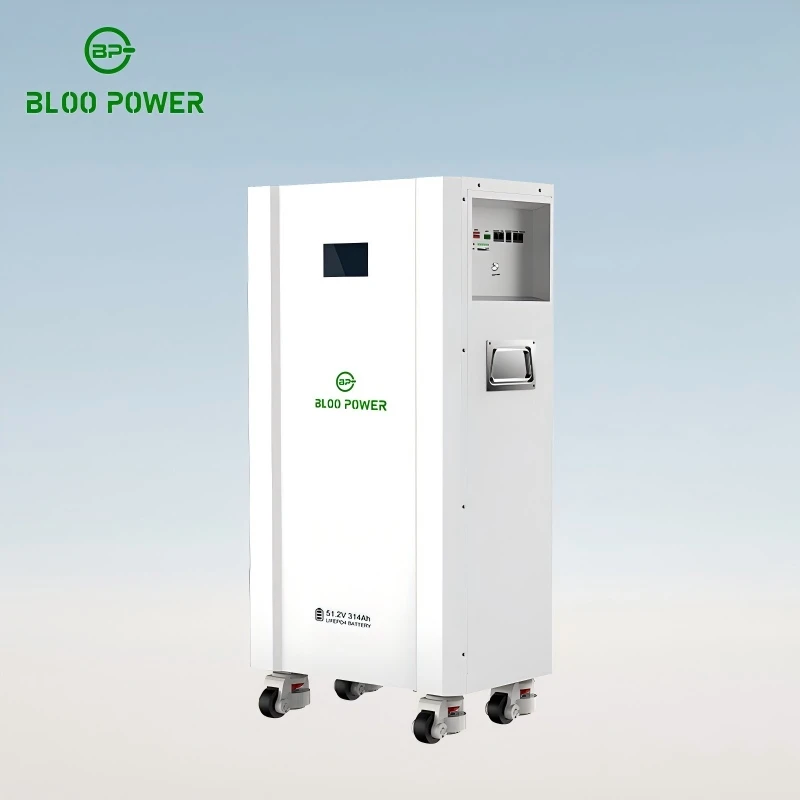
Sri Lanka's rooftop solar sector has expanded dramatically, with installed capacity rising from approximately 1,141 MW to nearly 1,935 MW by the end of 2025 and generation more than doubling year-on-year. This surge creates both opportunities and grid challenges, particularly the mismatch between daytime solar production and evening demand peaks. For residential and small commercial users, 280ah lithium ion batteries for home energy storage provide a practical capacity option-typically delivering around 14.3 kWh at 51.2 V configuration-suitable for daily cycling, backup power, and maximizing self-consumption. Affordable lithium battery for solar energy storage in emerging markets is increasingly available through specialized suppliers that focus on LiFePO4 chemistry for safety and longevity.
Role of Specialized Suppliers and Manufacturers in Meeting Demand
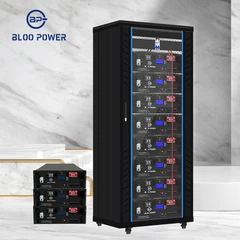
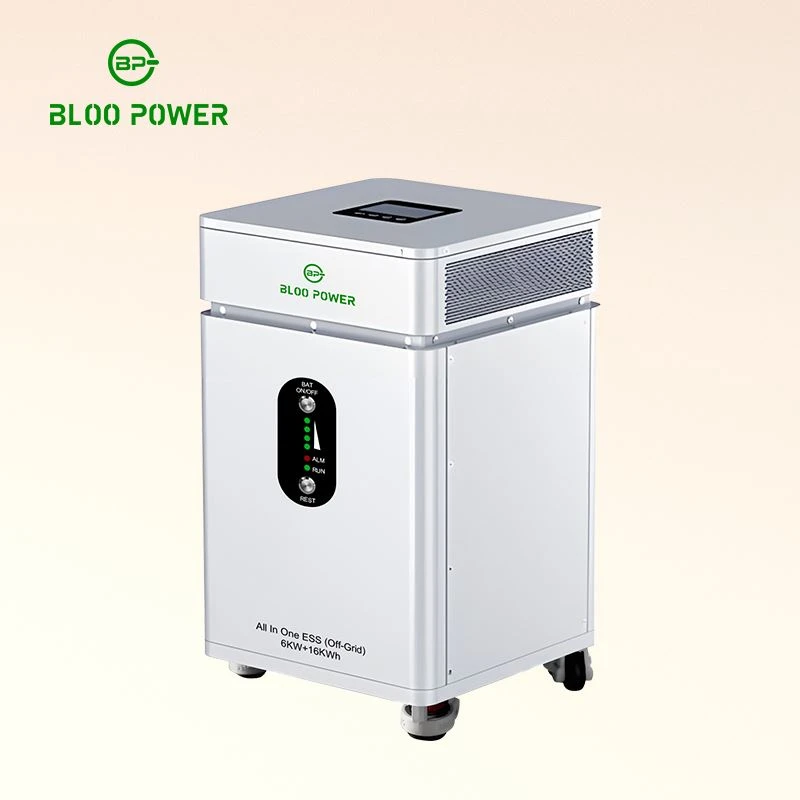
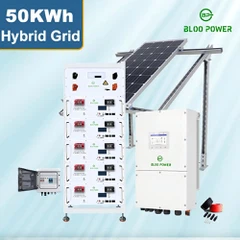
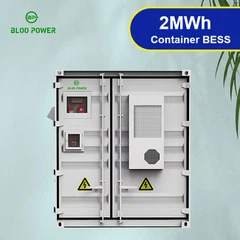
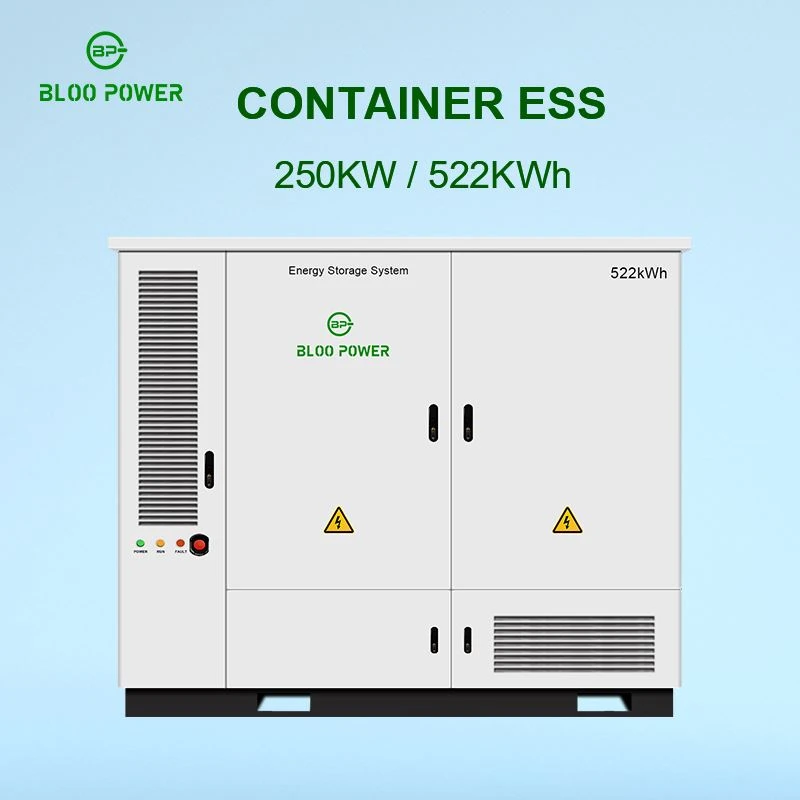
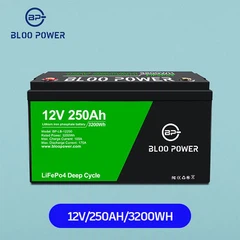
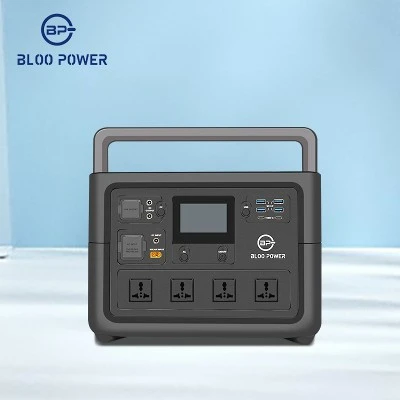
As policy incentives take hold, demand is rising for reliable lithium battery energy storage system supplier partners capable of delivering systems that comply with local interconnection standards. Best lithium battery energy storage system supplier for Sri Lanka solar projects must offer robust thermal management, intelligent BMS, and proven performance in high-temperature environments. BLOO POWER, a bess solar battery energy storage system manufacturer with extensive experience in LiFePO4 technology, supplies modular and containerized solutions that include high-capacity cells such as 280 Ah configurations widely used in home and commercial storage. These systems typically achieve 6,000–8,000 cycles at 80% depth of discharge and design lives of 10–15 years, aligning with the multi-year power purchase agreements under discussion. High capacity 280ah lithium ion batteries for home energy storage systems from such manufacturers enable households to store excess daytime solar for evening use, directly supporting the prioritized feed-in window.
Key Approved Feed-in Tariff Components Effective August 25, 2026 (Selected Categories)
|
Category |
Priority / Base Component (LKR/kWh) |
Notes / Duration |
|
New Rooftop Solar + BESS (250–1,000 kW) |
45.53 (priority, first 15 years) |
15.81 thereafter |
|
New Rooftop Solar + BESS (>1,000 kW) |
42.49 (priority, first 15 years) |
15.81 thereafter |
|
Ground-mounted Solar + BESS |
47.08 (priority) / 18.00 (other) |
Includes O&M components |
|
Floating Solar + BESS |
53.28 (priority) / 23.58 (other) |
Includes O&M components |
Source: PUCSL Annex of Approved Feed-in Tariffs, August 2026.
Broader Market Developments and Grid-Scale Progress
Beyond the tariff consultation, Sri Lanka has begun deploying its first grid-scale battery projects. A 10 MW / 40 MWh system at Anuradhapura entered operation in mid-September 2026 as the initial installation in a planned 130 MW / 520 MWh portfolio across 13 sites. Authorities have also directed the National System Operator to secure at least 450 MW of solar-plus-BESS capacity by March 2027 to address projected shortfalls. These developments create immediate opportunities for leading bess solar battery energy storage system manufacturer and lithium battery energy storage system supplier companies that can deliver both residential-scale 280 Ah modules and larger containerized systems. Understanding battery energy storage system bess definition and applications in renewable grids remains essential for policymakers, developers, and end-users as the country scales storage to support its renewable energy targets.
Illustrative Performance Metrics for Typical LiFePO4 Home and Commercial Storage Batteries
|
Parameter |
Typical Value for 280 Ah Class |
Relevance to Sri Lanka Market |
|
Nominal Capacity |
280 Ah |
Suitable for residential daily cycling |
|
Usable Energy (approx.) |
14.3 kWh (at 51.2 V) |
Matches evening peak shifting needs |
|
Cycle Life (80% DoD) |
6,000 – 8,000 cycles |
Supports multi-year PPA economics |
|
Design Life |
10 – 15 years |
Aligns with tariff support periods |
|
Chemistry |
LiFePO4 |
Thermal stability in tropical climates |
Sources: Manufacturer specifications and industry standards for stationary storage applications.
Strategic Implications for Sri Lanka's Energy Transition
The combination of administratively set storage tariffs, rapid rooftop solar growth, and early grid-scale deployments signals a determined effort to enhance system flexibility. While some stakeholders note that competitive tenders have achieved lower prices, the urgency of evening peak coverage and the 450 MW near-term target justify the current approach. Success will depend on clear interconnection procedures, quality equipment from experienced lithium battery energy storage system supplier partners, and continued monitoring of cost impacts on consumers. With manufacturers such as BLOO POWER offering proven lithium battery for solar energy storage solutions-including 280ah lithium ion batteries for home energy storage-the market is positioned to accelerate deployment of both distributed and utility-scale BESS that support Sri Lanka's broader renewable energy ambitions.
Send Inquiry