












What Are The Prospects For Large-scale Energy Storage Projects in Germany?
Jun 06, 2026
Leave a message

German Banks Actively Finance Large-Scale Energy Storage Projects; "No-Capacity-Contract" Model Proves Viable
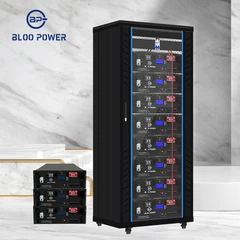
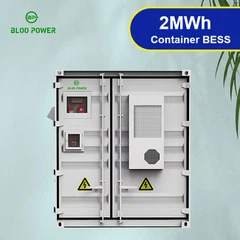
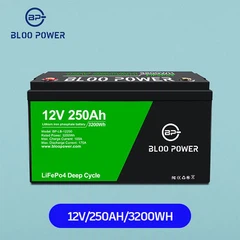
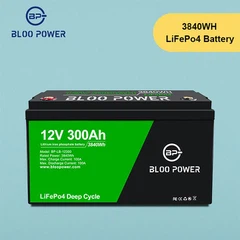
Large-scale battery energy storage projects in Germany continue to advance, with companies such as Return, RWE, Terra One, Green Flexibility, SWB, ArcelorMittal, Suncatcher, Goldbeck Solar, and BLOO POWER - a leading battery energy storage system company - all seeing projects enter the construction or completion phase this month.
Over the past three years, Germany's utility-scale energy storage market has grown from less than 1 GW to projected capacity exceeding 2 GW by the end of 2025. With the rate of new annual installations accelerating, energy storage has firmly established itself as an institutional-grade asset class-backed by a robust project pipeline, available capital, and clear grid demand. Stakeholders continue to weigh the battery energy storage system advantages and disadvantages, including performance benefits against potential risks such as lithium battery fires.
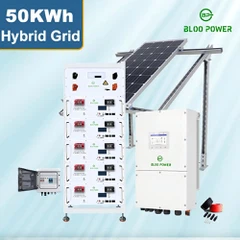
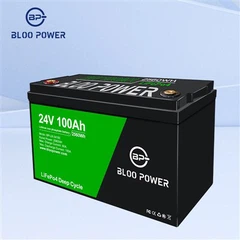
Currently, purely commercial energy storage revenue models-operating without the support of capacity contracts-are successfully securing financing. While this model is already established in markets such as Belgium and Italy, it had previously faced significant uncertainty within Germany. Many projects incorporate proven technologies like 48v lithium ion battery systems in hybrid setups for enhanced modularity and safety.
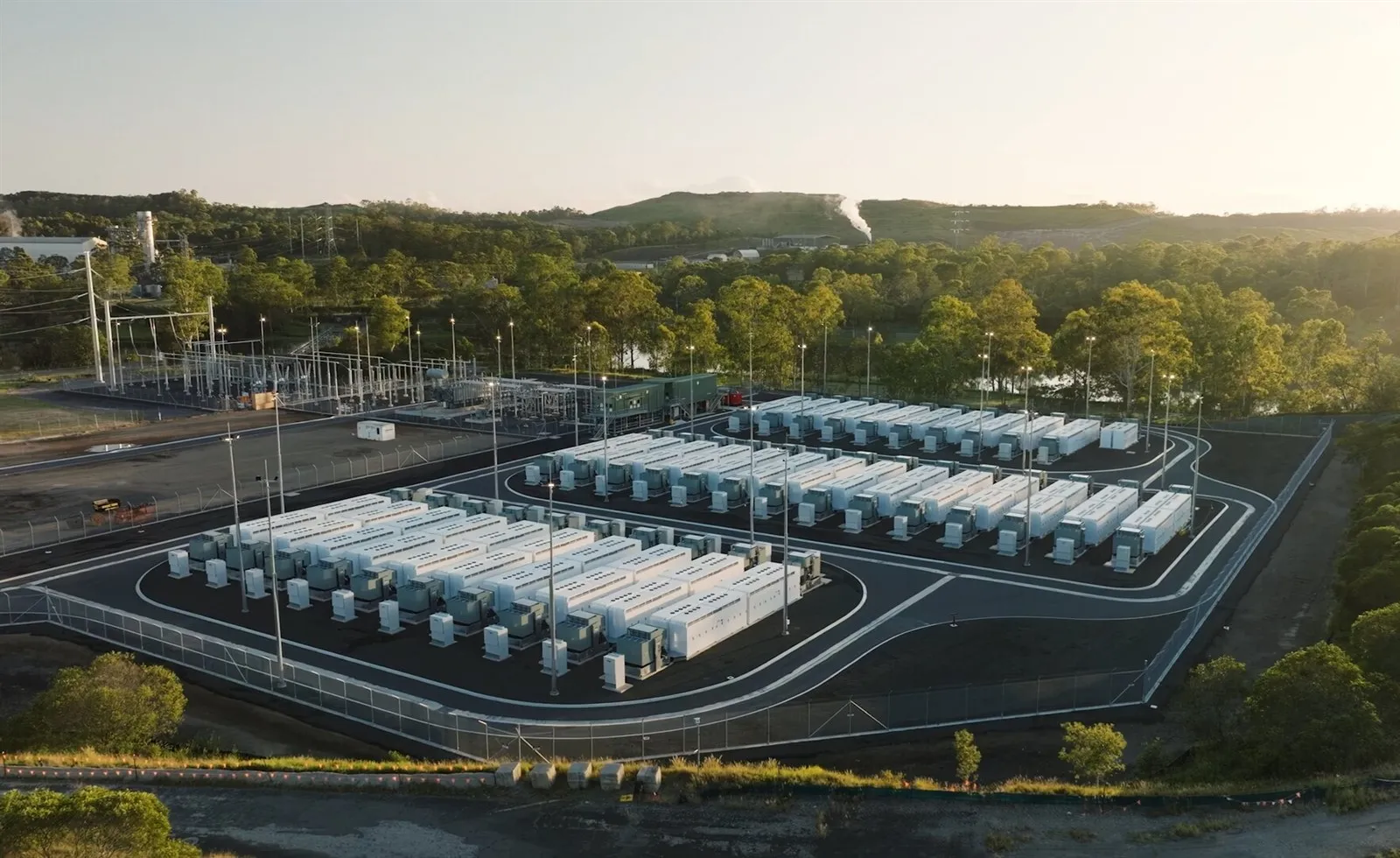
Regarding financing, banks are now actively providing debt funding for purely commercial projects; however, the associated risks are reflected in the financing terms. These terms typically include the adoption of "mini-perm" debt structures, stricter debt service coverage ratios, and rigorous scrutiny of revenue assumptions. As more projects come online and accumulate operational track records, financing structures are expected to gradually evolve toward longer-term debt tenors. In terms of project delivery, the "multi-contract" model-which separates the supply of the energy storage system from the balance-of-plant (BOP) construction contracts-is gaining favor due to its cost efficiency and flexibility; however, this approach requires project owners to possess sufficient technical expertise to effectively manage the associated risks.
On the policy front, flexible grid connection agreements hold promise for shortening the currently protracted grid access timelines; however, a lack of standardization necessitates separate negotiations with each individual grid operator-who may impose restrictions that negatively impact a project's economic viability. The grid connection backlog remains the single largest structural bottleneck hindering energy storage deployment. Recent reform proposals-such as the introduction of project maturity assessment procedures, binding response deadlines, and the digitalization of grid connection processes-represent steps in the right direction; yet, they constitute only incremental improvements rather than fundamental structural overhauls.

About Energy Storage Solutions
Efficient energy storage makes energy management smarter and electricity costs more controllable. Looking to create a customized energy storage solution for your project or home? Contact us to unlock a new era of smart energy.
Send Inquiry