




















AC-coupled system, DC-coupled system, and integrated AC/DC system
Jun 30, 2025
Leave a message
With the global promotion of clean energy, the installed capacity of renewable energy sources such as wind power and PV power has been continuously expanding, and energy storage is playing an increasingly crucial role. Usually, in the solar systems, there are AC-coupled system, DC-coupled system, and integrated AC/DC system(hybrid). The integrated AC/DC system is now becoming the hottest technology.

Learn AC-coupled System, DC-coupled System, And Integrated AC/DC System

AC-coupled system
The energy storage system and the PV system are connected on the AC side. The energy storage system (battery + battery inverter) and the PV system (PV modules, PV inverter) operate independently of each other. The energy collection point is on the AC side.
The DC generated by the PV modules is converted into AC by the PV inverter and power electrical appliances. The excess energy will be converted back into DC by the battery inverter and stored in the battery. When the energy is needed, the DC in the battery will be converted back into AC by the battery inverter and power the load. So PV and batteries are both compatible with DC. In an AC-coupled system, the current needs to be converted three times.
AC-coupled system with high flexibility. The PV inverter, battery inverter and battery are in a parallel state. PV and batteries can not only share the connection with the grid but also operate independently with their own connections, which makes it easier to add or reduce equipment. It can be applied to both an existing solar system and a new one. For example, if an additional energy storage system is added to the original solar system, it can be directly connected and used without the need for system adjustments.
DC-coupled system
The energy storage batteries and PV modules are connected to the DC side. It usually charges the battery through a solar charging controller or regulator using the PV, and converts the current into AC using a inverter. The solar panel and battery module use the same inverter and share grid interconnection, thereby reducing equipment costs.
DC-coupled system with high efficiency. The energy generated by the PV modules is directly stored in the battery through the MPPT controller. This reduces the power conversion process and avoids the need for two conversions (DC-AC and AC-DC), like in the AC-coupled system for the solar energy to be stored in the battery. Additionally, when the battery is discharging, it also requires DC-AC conversion, reducing the energy loss caused by this process. The overall efficiency can reach over 97%.

Lower cost for DC-coupled system. It usually requires one inverter. Compared with the AC-coupled system, no additional PV inverter needs to be installed. So it can save both equipment costs and installation costs. However, the flexibility of this method is not as good as that of the AC-coupled system.

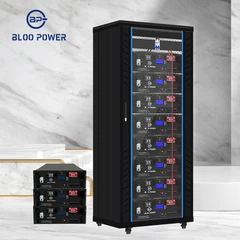
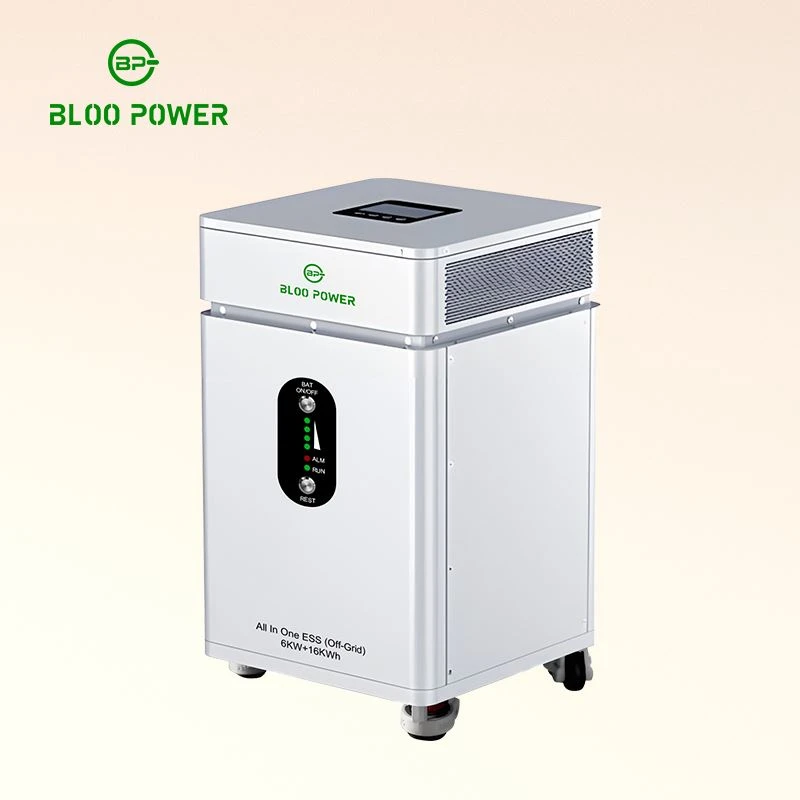
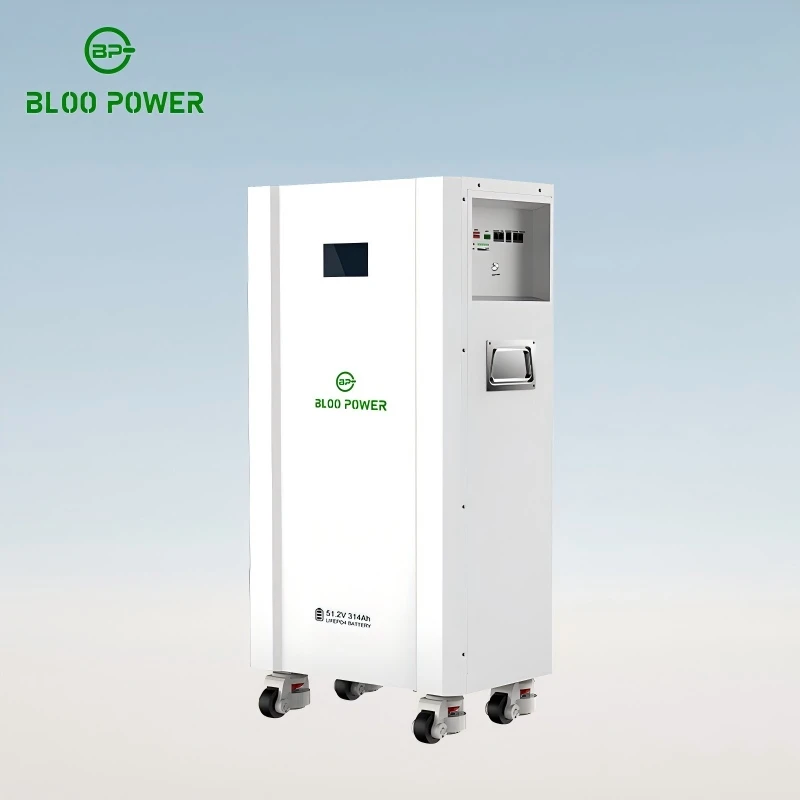
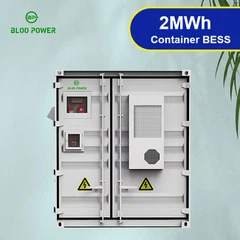
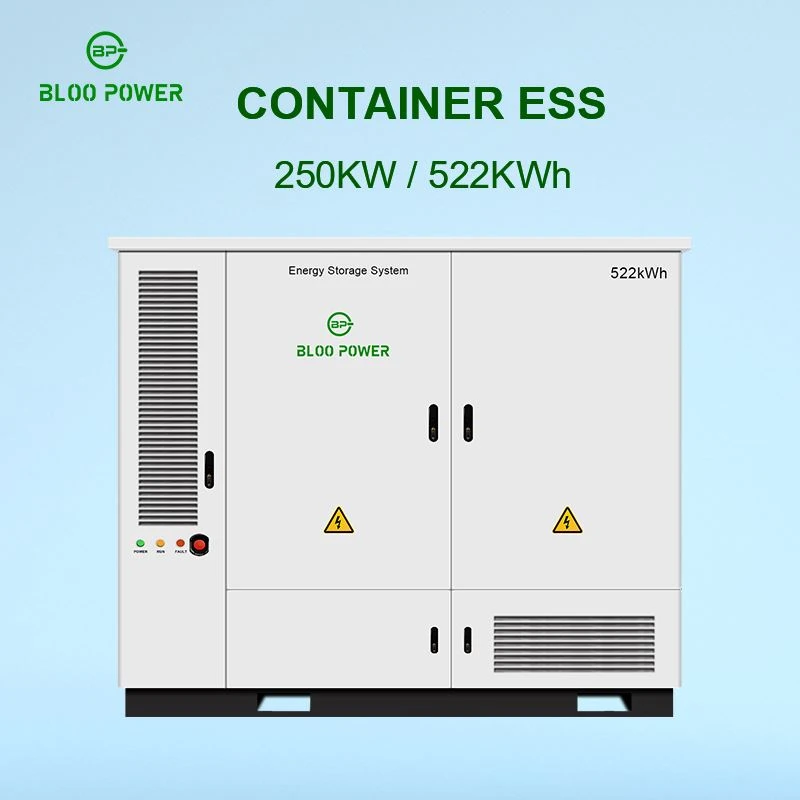
The integrated AC/DC system consists of various modules such as LiFePO4 battery packs, intelligent power conversion system (PCS), battery management system (BMS), and energy management system (EMS) in a cabinet through an internal DC bus architecture. PV converts solar energy into DC, and it passes through the DC bus cabinet, entering the AC-DC integrated system. In the integrated AC/DC system, the DC can directly provide power to DC loads, or it can be converted into AC through PCS to offer power to AC loads, and also be fed into the power grid. When charging is needed, the DC can be stored in batteries directly. When discharging is required, the DC in the batteries can be converted into AC through PCS for output.
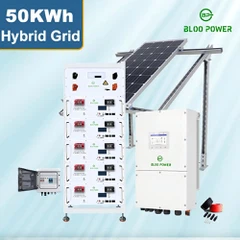
Hybrid system combines the characteristics of AC coupling and DC coupling architectures. This provides more flexibility for the integration of solar panels, battery storage, and generators. In the integrated AC/DC system, a dual-mode or hybrid inverter (PCS) is connected to the AC and DC bus. The DC bus is usually directly connected to the PV and batteries, while the AC bus is connected to the AC load and the grid. This hybrid inverter can automatically and seamlessly switch between the AC and DC modes based on the demand of the connected loads and the status of the grid.
The integrated AC/DC system has high conversion efficiency because of the less current conversion to reduce power losses. Also, by adopting an all-in-one design with fewer connections can make the whole system operate more efficiently, allowing each component to perform well. It saves on equipment (highly-integrated design)/ installation (pre-installation and pre-testing)/ maintenance costs, and requires less space.
Below are the integrated AC/DC system advantages
Charging the battery directly from PV, and only one conversion (DC-AC), which offers high system efficiency and reduces energy losses compared to the AC-coupled and DC-coupled systems.
01
Easy Installation
All-in-one design with beauty. It's pre-installation and pre-testing before shipment. Also due to the simplified structure, fewer parts result in fewer connections, which can save more space.
02
Optimize system design
With an integrated design, energy loss caused by the connection and matching issues between different devices is reduced. The operation becomes more efficient and coordinated, and the performance of each component can be better utilized.
03
Reduce cost
No need to use PV inverter and battery inverter separately like the AC-coupled system, a PCS (hybrid inverter) can replace these. Reducing the equipment, installation time, and maintenance work.
04
Intelligent management
Easy management through an application, it can automatically optimize the charging and discharging periods based on the electricity price curve, respond to the grid dispatch instructions within seconds, and use AI health management to reduce the battery degradation rate by 25%.
05
Comparison Between AC-coupled system, DC-coupled, and Integrated AC/DC
|
Feature |
AC-coupled system |
DC-coupled system |
Integrated AC/DC system |
|
Core concept |
Separate AC inverters for PV & storage. They are connected on AC side |
Share a hybrid inverters for PV & storage. They are connected on DC side |
Integrated core functional equipment in one cabinet. Operating both AC and DC modes |
|
Round-trip efficiency |
90%~94% (three conversions) |
95%~98% (one conversion) |
95%~98% (reduce conversion) |
|
PV power generation path (to load/grid) |
PV inverter- AC Bus - Load/Grid |
MPPT Controller - Battery DC/DC - Inverter - AC Bus - Load/Grid |
MPPT Controller - Battery DC/DC - Inverter - AC Bus - Load/Grid |
|
Battery charging path (from PV) |
AC bus - battery inverter AC/DC - battery |
MPPT Controller - Battery DC/DC - Battery |
MPPT controller - Battery DC/DC - Battery |
|
Battery discharging path (to load/grid) |
Battery - battery inverter (DC/AC) - AC Bus - Load/Grid |
Battery - Inverter (DC/AC) - AC Bus - Load/Grid |
Battery - Inverter (DC/AC) - AC Bus - Load/Grid |
|
Scalability |
Very high, modular expansion |
Moderate, strictly match the voltage/protocol |
Very high, expand both DC and AC elements easily |
|
Best Applicable scenarios |
Retrofit existing PV infrastructure |
New Large-scale systems |
New installations /industrial and commercial facilities /microgrid systems |
How to select the appropriate energy storage system

Energy Storage System
As the demand for energy storage systems increases, it is very important for users to choose the system that suits them best. Expecting to analyze the information mensioned above, there are a few more points that might be even more helpful for users to make their decisions.
If your energy consumption is high during the day. The AC-coupled system can efficiently supply power directly from the PV during periods of sunlight with lesser battery cycles of charging and discharging.
If your energy consumption is high during the night. The DC-coupled system, or hybrid system is more suitable. The MPPT technology can monitor the output voltage and current of the solar panel in real time. Based on changes in environmental factors such as light intensity and temperature, it automatically adjusts the operating parameters of the system, ensuring that the solar panel always operates near the maximum power point. Effectively charging the battery during the day. and power loads at night.
Future trends
Whether it is upgrading the existing system, deploying a new site, or planning for the next generation of energy demands, Packed with intelligent liquid cooling technology, the integrated AC/DC system can offer the best performance, intelligence, streamlined operation and high flexibility. It represents the mainstream direction for the upgrade of energy storage systems and accelerates the global process of energy transition.

Send Inquiry