




















Generation-Grid-Load-Storage Integration: The Core Tech Framework of New Power System
Jul 10, 2025
Leave a message

Generation-Grid-Load-Storage
What Is The Generation-Grid-Load-Storage?
"Generation-grid-load-storage" refers to a new operation mode of the power system that integrates four components: generation, grid, load, and storage. It aims to solve problems such as the integration of new energy and the stability of the grid through coordinated optimization. Generation-grid-load-storage emphasizes the shift from traditional one-way electricity flow (generation - transmission - distribution - consumption) to an integrated, flexible, and intelligent network.
The Four Main Components
Generation
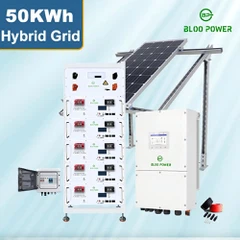
Starting point of the power system. Converting the traditional energy sources such as fossil fuels, hydro, biomass, nuclear, wind and solar, as well as renewable energy sources into electrical energy.
Grid
The power transmission and distribution network composed of infrastructure such as power lines, transformers and substations. It can efficiently and reliably transport electricity from generators to users.
Load
Represents electricity end-users, such as agricultural, commercial, industrial and residential electricity consumption. Demand fluctuates hourly, daily, and seasonally, commonly known as peak & off-peak.
Storage
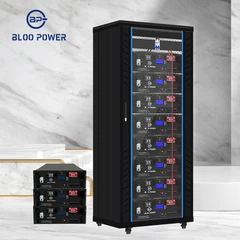
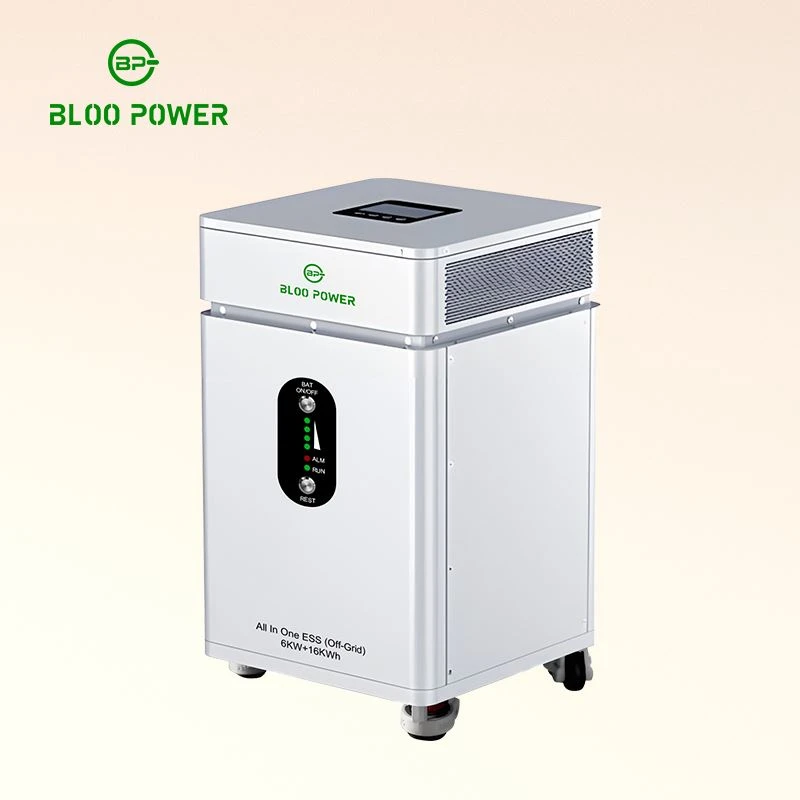
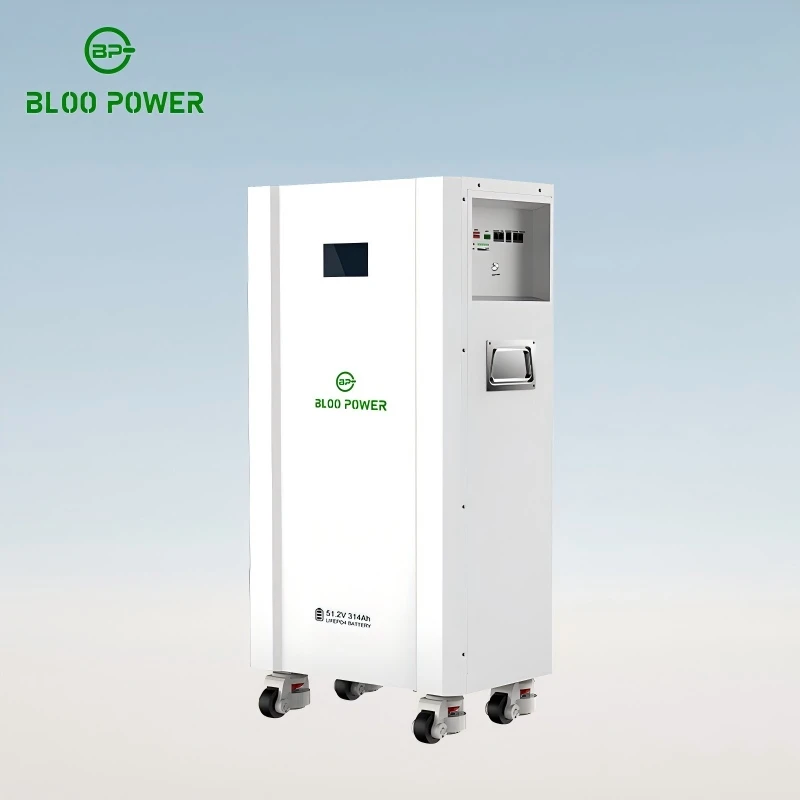
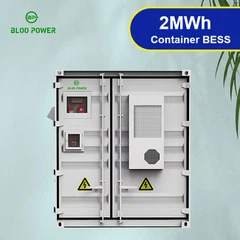
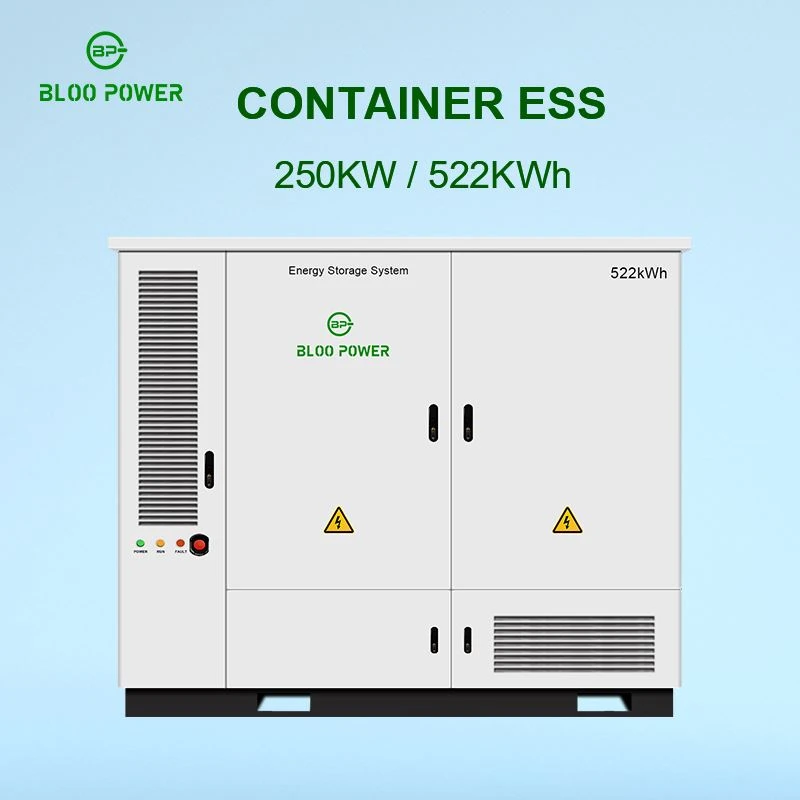
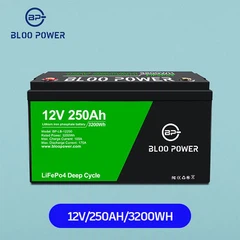
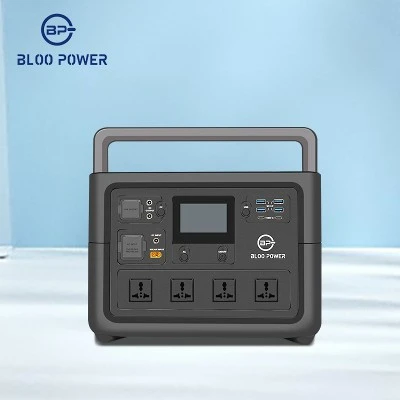
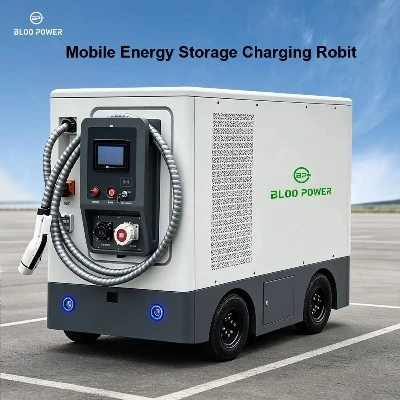
Energy storage systems, such as batteries, pumped hydro, flywheels, thermal storage, etc. Acting as a "buffer" for the grid, providing flexibility by storing excess electricity and releasing it when needed.

With renewable energy integration, grid stability & reliability, efficiency & cost reduction, and decarbonization that make the generation-grid-load-storage matter. This integration is the key to building the modern power grid (or smart grid) worldwide.
Send Inquiry