












How to choose a residential energy storage battery from a China-Based Manufacturer?
Jun 10, 2026
Leave a message

When choosing residential energy storage batteries, it's essential to consider not only price but also factors such as capacity, safety, lifespan, compatibility, and after-sales service. Here are some key selection considerations:
1. Select capacity based on household electricity needs
It is generally recommended to select the battery capacity based on the family's daily electricity consumption, and reserve 20%-30% for future expansion.

5kWh
Suitable for small households, to cope with short-term power outages or nighttime power consumption.

10kWh-15kWh
10kWh-15kWh: Suitable for ordinary households, it can meet the basic load of refrigerators, lighting, televisions, and the internet for several hours to a day.

20kWh and above
Suitable for large households, high-energy-consuming households or off-grid systems.
2. Lithium iron phosphate (LiFePO4) batteries are preferred
Comparison of three mainstream batteries (from a home user perspective)
Lithium iron phosphate (LiFePO4) (LFP) – [Preferred Choice]
Safety: Extremely high; non-flammable, non-explosive, and does not catch fire upon puncture.
Cycle life: 8,000–10,000 cycles @ 80% DOD (1 cycle per day ≈ 13–20 years)
Operating temperature: -20°C to 60°C; stable at high temperatures.
Energy density: 110–140 Wh/kg (lower than ternary batteries, but sufficient for home use)
Cost: Moderate; lowest long-term total cost (long lifespan, zero maintenance).
Suitable for: 90% of households, PV self-consumption, and long-term use.
Ternary Lithium (NCM/NCA)
Safety: Moderate; prone to thermal runaway and fire under high-temperature or puncture conditions.
Cycle life: 2,000–4,000 cycles (approximately 5–8 years for home use)
Energy density: High (180–220 Wh/kg); smaller and lighter for the same capacity.
Cost: Relatively high
Suitable for: extremely limited space, applications prioritizing light weight, and short-term use (not recommended for long-term home use).
Lead-acid (AGM / Gel)
Safety: Low (acid leakage, gas emission)
Cycle life: 300–500 cycles (1–2 years)
Cost: Low initially, but extremely high in the long run (due to frequent replacements).
Maintenance: Requires ventilation, replenishment of water, and protection against acid corrosion.
Suitable for: ultra-low-cost temporary backup, retrofitting older equipment (not recommended for new homes)
| type | Safety | Cycle life | cost | Suitable Scenarios |
| Lithium iron phosphate(LFP) | High (non-flammable and non-explosive) | 8,000–10,000 times | middle | Top choice for home use |
| Ternary lithium(NCM) | Medium (risk of thermal runaway) | 2,000–4,000 times | Medium-to-high | Space constraints and the pursuit of high energy density |
| Lead-acid (AGM / Gel) | Low | 300–500 times | Low | Extremely low budget, short-term backup |
3. Focus on cycle life
Cycle life directly affects the return on investment.
Reference standards:
● ≥8,000 cycles (80% DOD)
● The service life can reach over 10–15 years.
The longer the lifespan, the lower the average cost per kilowatt-hour of electricity.
4. View battery safety protection features
High-quality energy storage batteries should be equipped with a comprehensive BMS (Battery Management System) featuring:
Overcharge protection
Over-discharge protection
Overcurrent protection
Short-circuit protection
Temperature protection
Cell Balancing Management
These features can effectively enhance system security and stability.
5. Pay attention to inverter compatibility
Before purchasing, please verify whether the energy storage battery is compatible with common inverter brands.
Batteries that support CAN or RS485 communication protocols typically offer better compatibility.
Choose the appropriate installation method
Common Types of Residential Energy Storage Batteries
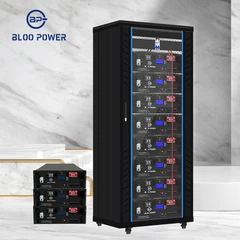
Saves space; suitable for indoor installation.
flexible capacity expansion
Suitable for equipment rooms or commercial settings.
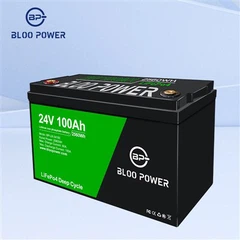
flexible installation and easy to move.
If there is a need for future capacity expansion, a modular stackable design is recommended.
Pay attention to the protection rating
If installing in a garage, on a balcony, or in an outdoor environment, it is recommended to choose:
● IP65 or higher protection rating
● Dustproof and waterproof design
● Wide operating temperature range
It can adapt to more complex operating environments.
Buying Recommendations
| Family type | Recommended capacity |
| Apartments and small-sized units | 5-10kWh |
| An ordinary family of three | 10-15kWh |
| Villa-dwelling family | 15-30kWh |
| Off-grid households | 20kWh or more |
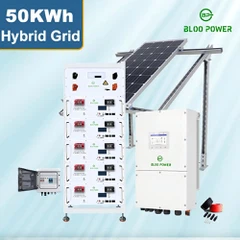
For most residential solar-plus-storage systems, 51.2V 10kWh or 16kWh LiFePO4 (lithium iron phosphate) batteries currently offer excellent value, balancing capacity, lifespan, safety, and future expandability. If you plan to pair the battery with a solar power system, you will also need to match the battery capacity to the installed PV capacity (e.g., 5kW, 8kW, or 10kW).
May Be You Will Like


Send Inquiry