




















How to Safely Install Residential Energy Storage Batteries? Complete Installation Guide (2026 latest version)
Aug 06, 2026
Leave a message

With the rapid growth of the global residential energy storage market, more and more families are installing solar energy storage systems. However, a high-quality energy storage battery can only achieve safe, efficient, and long-lasting operation when installed correctly.
According to installation guidelines from the International Electrotechnical Commission (IEC), the National Fire Protection Association (NFPA), the California Energy Commission (CEC), and the Electric Power Research Institute (EPRI), the vast majority of residential energy storage accidents are not caused by the battery cells themselves, but rather by incorrect installation location, inadequate cable specifications, insufficient protection measures, poor inverter compatibility, and unprofessional installation. Therefore, safe installation is not only related to battery life but also to the electrical safety of the entire household.

Professional Solution Design is Essential Before Installation (Never Buy Equipment First)
For residential energy storage, the first step is not purchasing batteries, but designing a system based on the family's actual electricity needs. Professional installers typically assess factors such as the family's average daily electricity consumption, maximum load power, solar power generation capacity, backup power requirements, and future plans for electric vehicle charging.
For example, a family consuming 25kWh of electricity daily, requiring 24-hour power during power outages, will find a 10kWh battery insufficient, while blindly installing a 40kWh battery would increase investment costs. Therefore, an appropriate capacity should be selected based on load analysis.
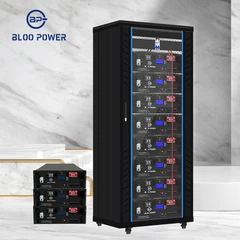
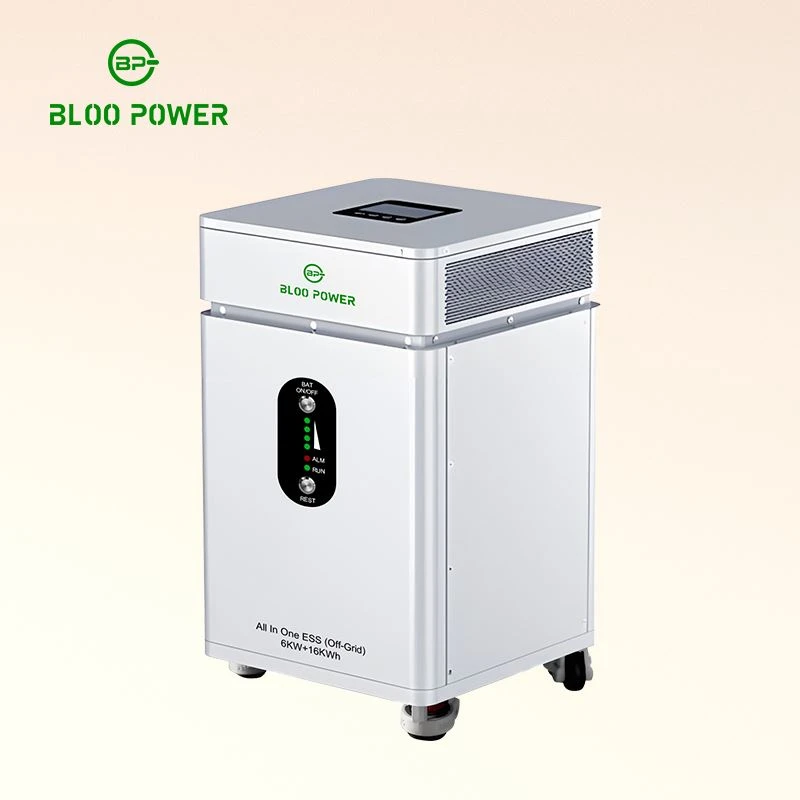
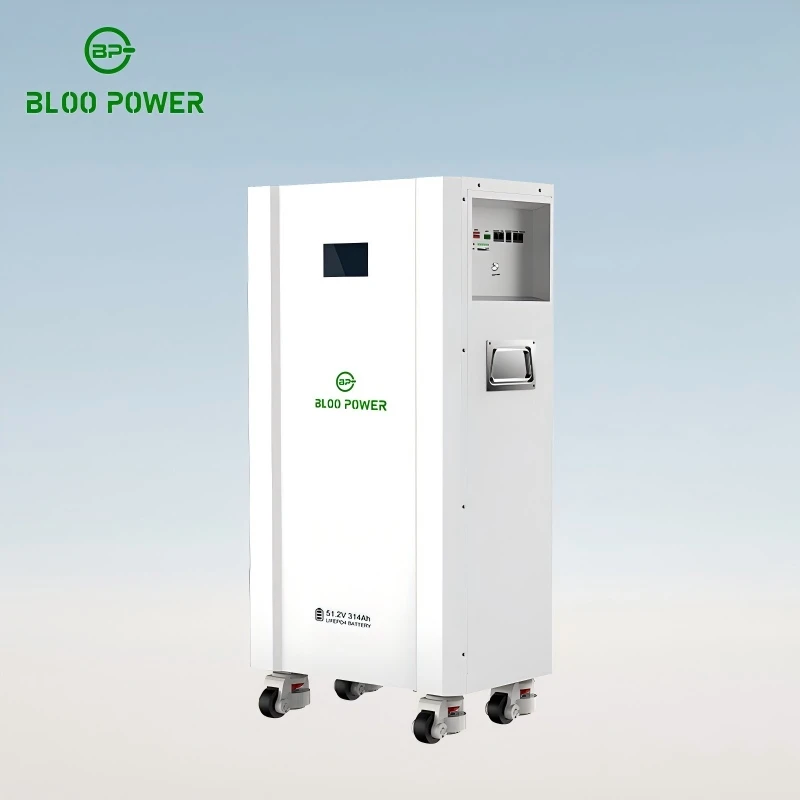
For BLOO POWER, options are available to suit different family needs:
● 5kWh wall-mounted energy storage battery
● 10kWh energy storage system
● 15kWh high-capacity wall-mounted energy storage battery
● Multiple 15kWh units connected in parallel to form large residential systems of 30kWh, 45kWh, 60kWh, or even 180kWh
Modular design allows for future capacity expansion while reducing initial investment costs.
Household electricity consumption and recommended energy storage capacity:
|
Family size |
Average daily power consumption |
Recommended Energy Storage |
|
Small family |
8–15kWh |
10–15kWh |
|
Ordinary residential |
15–30kWh |
20–30kWh |
|
large residential |
30–50kWh |
30–60kWh |
|
Villa / Off-grid |
>50kWh |
60–180kWh |
Selecting the Right Installation Location Is Crucial
The installation location directly determines system safety and heat dissipation performance.
International installation guidelines recommend:
● Installing in a cool, dry, and well-ventilated location
● Avoiding prolonged exposure to direct sunlight
● Avoiding proximity to gas appliances
● Avoiding proximity to bedroom exits
● Avoiding areas prone to water accumulation
● Avoiding locations accessible to children
For outdoor installations, products with an IP65 rating should be prioritized.
For example, the BLOO POWER IP65 wall-mounted energy storage battery can be installed on:
● Exterior walls
● Garage exteriors
● Equipment rooms
● Balconies
● Garden storage areas
Its sealed structure effectively prevents the ingress of rain and dust, making it well-suited for the diverse environmental conditions found in regions like Europe and Southeast Asia. Organizations such as EPRI and CEC also recommend prioritizing locations that are well-ventilated and away from heat sources and flammable materials, while adhering to the installation clearances specified by the manufacturer.
Compliant mounting brackets and fastening methods must be used
A 15kWh wall-mounted energy storage battery typically weighs over 100kg.
Improper installation can lead to:
● Loosening during long-term operation
● Detachment during an earthquake
● Hazards caused by insufficient wall load-bearing capacity
Therefore:
● It must be mounted on a load-bearing wall
● Use the manufacturer's dedicated mounting bracket
● Use high-strength expansion bolts
● Ensure the installation is level
BLOO POWER wall-mounted batteries come with dedicated mounting brackets that enable quick installation and support parallel configurations of multiple units.
Electrical wiring must comply with national standards.
Energy storage systems are hybrid systems involving high-voltage DC and AC components.
During installation, particular attention must be paid to:
● Cable specifications
● Wiring terminals
● Grounding system
● Leakage protection
● Circuit breakers
● Fuses
The following are prohibited during installation:
● Using substandard cables
● Mixing conductors of different specifications
● Unauthorized modification of BMS wiring
● Live-line operations by non-qualified personnel
Standards such as IEC 62619 and NFPA 855 emphasize the need to configure protective devices according to the manufacturer's requirements and ensure system compatibility.
Electrical installation inspection items:
|
Inspection Items |
Is it necessary? |
|
Grounding |
✔ |
|
Earth-leakage protection |
✔ |
|
breaker |
✔ |
|
DC Disconnect Switch |
✔ |
|
Communication cable |
✔ |
|
Cable fixation |
✔ |
Ensuring Compatibility Between Energy Storage Batteries and Inverters
The inverter serves as the "brain" of the energy storage system.
Incompatible communication protocols can lead to:
● Incorrect SOC display
● Charging failure
● Abnormal discharging
● BMS alarms
● System shutdown
Leading residential inverters currently on the market include:
● Growatt
● Deye
● Victron
● GoodWe
● Solis
● Sungrow
● SMA
BLOO POWER supports mainstream communication protocols such as CAN and RS485, ensuring compatibility with hybrid inverters from most international brands-making it an ideal choice for both new installations and retrofit projects.
Ensure Proper Heat Dissipation, Fire Safety, and Environmental Management
Although energy storage batteries utilize the safer Lithium Iron Phosphate (LiFePO₄) chemistry, they still require a suitable installation environment.
Measures to take include:
● Maintaining good air circulation
● Avoiding enclosed spaces
● Avoiding high-temperature environments
● Adhering to the installation clearances specified by the manufacturer
● Refraining from stacking flammable materials such as cardboard boxes or paint
EPRI and local fire safety guidelines recommend prioritizing outdoor or detached garage installations, mounting units on non-combustible walls, and ensuring adequate space for heat dissipation.
System commissioning is mandatory after installation
Many incidents occur during the initial startup phase; therefore, commissioning must not be overlooked.
Commissioning procedures include:
● Voltage check
● Current check
● SOC calibration
● BMS communication
● Inverter upgrade
● Charge/discharge testing
● Parallel system synchronization
The BLOO POWER system supports remote monitoring, allowing real-time viewing of:
● Battery capacity
● Temperature
● Voltage
● Current
● Cycle count
● Alarm information
This facilitates subsequent maintenance and troubleshooting.
Installation Acceptance Checklist:
|
Acceptance Items |
standard |
|
The battery is securely fastened. |
qualified |
|
Reliable electrical connection |
qualified |
|
Communication normal |
qualified |
|
Grounding complete |
qualified |
|
BMS operating normally |
qualified |
|
Passed charge/discharge testing. |
qualified |
|
No abnormal alarms |
qualified |
Establish a Long-Term Maintenance Mechanism After Installation
Even though energy storage systems require minimal day-to-day maintenance, a regular inspection schedule should be established.
Recommendations:
● Check operating status monthly
● Inspect cables and terminals quarterly
● Inspect mounting brackets semi-annually
● Conduct comprehensive maintenance by professionals annually
If any of the following conditions are observed, cease use immediately and contact a professional:
● Battery casing bulging
● Abnormal heating
● Liquid leakage
● Burning odor
● Continuous alarms
Prioritize Products with International Certifications
Product certification is directly linked to safety and project acceptance.
For residential energy storage systems, it is recommended to prioritize products that hold the following certifications:
● IEC 62619 (Safety requirements for lithium batteries)
● CE
● UN38.3 (Transport safety)
● Certifications against relevant international standards such as IEC/EN
International standards require products to pass various safety tests-including overcharge, short-circuit, crush, vibration, and temperature rise tests-to verify their safety performance in stationary energy storage applications.
Conclusion
The safe installation of residential energy storage batteries is critical not only for equipment longevity but also for the safety of the home and property. A properly executed residential energy storage project requires a comprehensive, end-to-end approach-encompassing initial capacity design, installation site selection, electrical installation, thermal management and fire safety measures, and system commissioning, through to ongoing maintenance. The BLOO POWER wall-mounted LiFePO₄ energy storage system-featuring a modular design, support for CAN/RS485 communication, an IP65 protection rating, modular capacity expansion, and compliance with international safety standards-enables installers to deploy the system efficiently while providing homeowners with a long-term, safe, and stable energy solution. During actual installation, strict adherence to local building, electrical, and fire safety regulations is essential, and the work must be performed by qualified professionals to ensure the system's long-term, reliable operation.
Send Inquiry