




















What Are The Safety Guidelines For Residential Energy Storage Systems?
Aug 07, 2026
Leave a message


With the rapid growth of the global residential solar and home energy storage markets, an increasing number of households are installing lithium-battery energy storage systems as a key component of their backup power and energy management strategies. However, safety remains the paramount consideration for these systems. A well-designed, properly installed system that complies with international standards offers a significantly higher level of safety than substandard products or non-compliant installations.
In accordance with guidelines from the U.S. Environmental Protection Agency (EPA), the National Fire Protection Association (NFPA), and UL safety certification protocols, residential energy storage systems generally adhere to international standards such as UL 9540, UL 9540A, UL 1973, UL 1741, and NFPA 855. These standards impose rigorous requirements regarding product design, thermal runaway management, fire and explosion protection, installation clearances, and operational management.
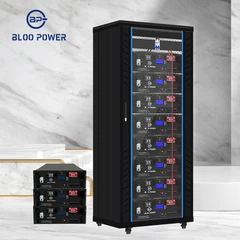
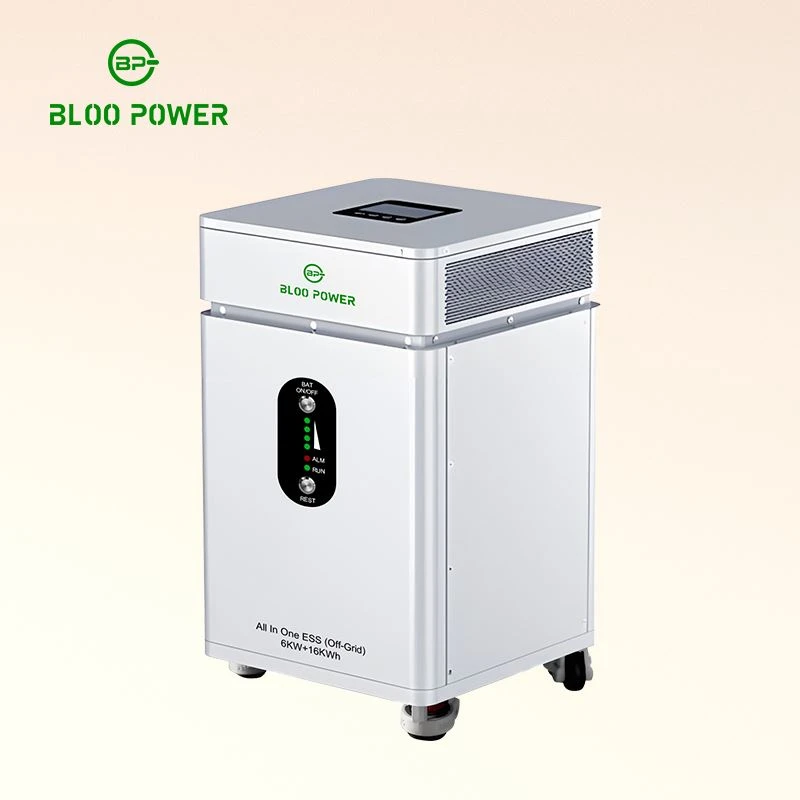
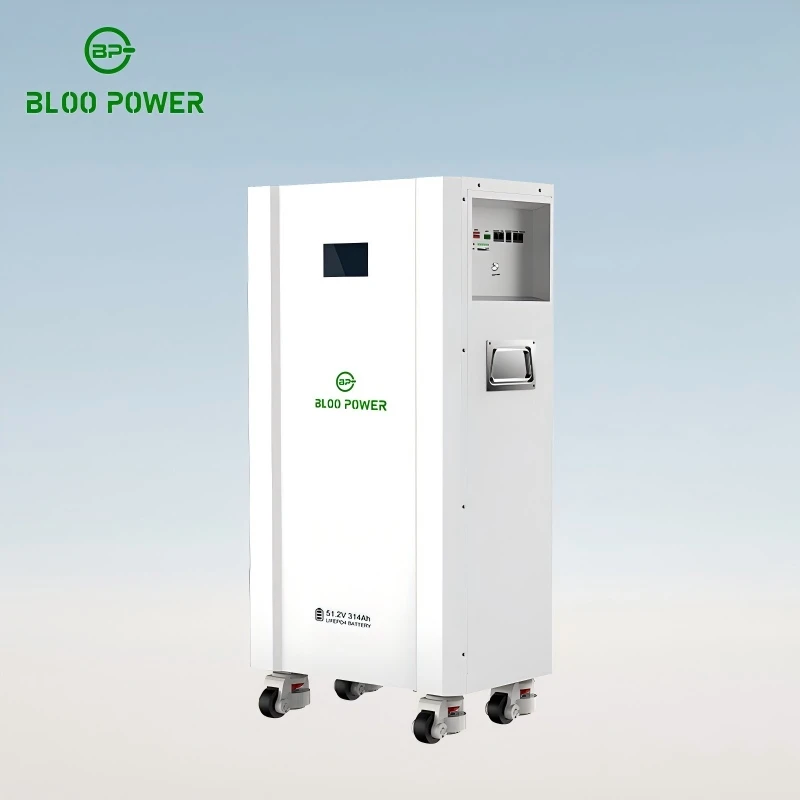
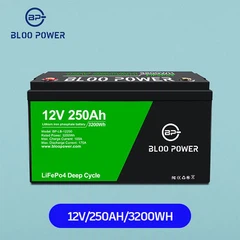
As a professional manufacturer of energy storage systems, BLOO POWER offers wall-mounted, stackable, and high-voltage storage products. These systems utilize LiFePO₄ (lithium iron phosphate) cells, intelligent Battery Management Systems (BMS), multiple safety protections, and modular designs, ensuring safe, stable, and long-term operation for residential energy storage applications.
Selecting internationally certified energy storage products is the first line of safety assurance.
The safety of residential energy storage systems begins with the product itself. Truly reliable energy storage batteries not only utilize high-quality cells but also undergo rigorous safety testing-including mechanical impact, overcharge, short-circuit, nail penetration, and thermal runaway propagation tests. UL 9540 and UL 9540A address system-level safety and thermal runaway propagation respectively, serving as key standards for international market entry, while NFPA 855 outlines installation and fire safety requirements for stationary energy storage systems.
BLOO POWER utilizes Grade A LiFePO₄ cells and integrates an intelligent BMS with a multi-layer protection design, making the products suitable for residential energy storage, off-grid systems, and solar-plus-storage-plus-charging applications.
Key Recommendations:
● Choose products certified by UL, IEC, or CE.
● Prioritize LiFePO₄ battery technology.
● Review manufacturer test reports.
● Avoid batteries from unknown sources.
Prioritize Lithium Iron Phosphate (LiFePO₄) Technology
Lithium iron phosphate (LiFePO₄) batteries are currently the primary choice for residential energy storage. Compared to traditional ternary lithium batteries, they offer superior thermal stability and a lower risk of thermal runaway. With a cycle life typically exceeding 6,000 to 10,000 cycles, their safety profile makes them better suited for residential applications.
BLOO POWER's wall-mounted series (5kWh, 10kWh, and 15kWh) and high-voltage energy storage systems all utilize LiFePO₄ technology, ensuring stable operation across a wide temperature range.
Recommendations:
● Choose LiFePO₄ chemistry
● Avoid mixing batteries from different brands
● Do not disassemble the battery yourself
● Use genuine accessories
Safety Comparison of Common Residential Energy Storage Batteries:
|
Comparison items |
LFP |
NMC |
|
Thermal stability |
★★★★★ |
★★★ |
|
Cycle life |
6000-10000+ times |
3000-6000 times |
|
Risk of thermal runaway |
Lower |
Higher |
|
Suitability for Residential Energy Storage |
Perfectly suited |
General |

Standardize Installation Location: Keep Away from High Temperatures and Flammable Materials
The installation environment directly impacts system safety. NFPA 855 recommends a comprehensive assessment of factors such as building structure, fire protection, fire separation distances, and ventilation; energy storage equipment should not be installed in locations subject to sustained high temperatures, accumulations of combustible materials, or a risk of mechanical impact.
Recommended installation areas:
● Garage walls
● Dedicated equipment rooms
● Outdoor areas (IP65-rated)
● Cool, dry locations
Avoid installation in:
● Bedrooms
● Kitchens
● Near high-temperature boilers
● Near stacks of firewood
Ensure Professional Installation and Standardized Wiring
Even with high-quality products, improper installation can pose safety risks. Professional installers should configure AC, DC, grounding, and protection systems in accordance with local electrical codes, ensuring proper matching of the inverter, battery, and power distribution system.
BLOO POWER products support CAN and RS485 communication and are compatible with mainstream hybrid inverters, helping to minimize system compatibility issues.
Installation Requirements:
● Professional, certified installation
● Independent circuit breaker
● Grounding protection
● Lightning protection measures
Ensure Proper Heat Dissipation and Ventilation
Energy storage systems generate heat during charging and discharging. Adequate ventilation helps lower battery cell temperatures, thereby improving system efficiency and lifespan. While modern residential energy storage systems typically feature temperature monitoring and automatic protection functions, installation in enclosed spaces should still be avoided.
Precautions:
● Maintain adequate space for heat dissipation
● Do not block air intakes
● Regularly clean away dust
● Increase ventilation in high-temperature regions
Recommended installation environment specifications:
|
items |
Parameters |
|
Operating temperature |
-10℃~55℃(Subject to product specifications.) |
|
Relative humidity |
≤95% non-condensing |
|
IP grade |
IP65(Outdoor Recommendations) |
|
Installation method |
Wall-mounted/Rack-mounted |
The Smart BMS: The Brain of the Energy Storage System
The Battery Management System (BMS) continuously monitors voltage, current, temperature, SOC (State of Charge), and SOH (State of Health). It automatically cuts off charging and discharging during abnormal conditions, effectively mitigating risks such as overcharge, over-discharge, overcurrent, and short circuits. The BMS is also a critical component of safety design for modern residential energy storage systems.
BLOO POWER's smart BMS supports:
● Individual cell balancing
● Temperature monitoring
● Fault alarms
● Remote monitoring
Proper Configuration of Inverters and Protection Devices
The energy storage system must operate in coordination with the inverter, the power grid, and PV modules. The inverter should feature comprehensive protection functions-such as over-voltage, under-voltage, anti-islanding, and fault detection-and maintain active communication with the battery system.
Recommended configuration:
● Hybrid inverter
● Residual Current Device (RCD)
● Lightning protection SPD
● Fuse
Establish a Routine Inspection and Maintenance System
Although home energy storage systems require minimal maintenance, it is recommended to regularly inspect the equipment-including cables, connectors, cooling vents, and operation logs-to detect potential issues in a timely manner.
Recommended maintenance tasks:
● Check for loose connections
● Review system alarms
● Clean cooling vents
● Update firmware
Developing a Household Emergency Response Plan
Although the probability of serious accidents involving modern energy storage systems is low, households should familiarize themselves in advance with procedures for handling abnormal alarms and power outages, as well as emergency contact information. The EPA recommends that operators and users establish emergency response protocols-including fire safety system integration and equipment isolation measures-based on relevant standards.
Emergency measures:
● Familiarize yourself with the location of the emergency power cutoff.
● Shut down the system immediately upon receiving an abnormal alarm.
● Contact professional after-sales support.
● Follow local fire safety guidelines in the event of a fire.
Choose Reliable Brands with Comprehensive After-Sales Service
Long-term, stable operation depends not only on the product itself but also on the manufacturer's R&D capabilities, quality control, and after-sales support. Reputable brands typically offer robust quality management systems, remote technical support, and warranty services, helping users minimize long-term operational risks.
BLOO POWER offers:
● Wall-mounted home energy storage (5–15 kWh)
● Stackable modular systems
● High-voltage residential energy storage systems
● C&I (Commercial & Industrial) energy storage solutions
● OEM/ODM customization services
Implementing Proactive Safety Management via Smart Monitoring
Modern residential energy storage systems increasingly support monitoring via mobile apps or cloud platforms, enabling real-time tracking of State of Charge (SOC), battery temperature, charge/discharge power, and historical operational data. Proactive monitoring helps detect anomalies early and schedule maintenance, thereby reducing the risk of downtime.
Smart management recommendations:
● Enable remote monitoring
● Configure anomaly alerts
● Regularly review operation logs
● Keep system software up to date
Safety advantages of BLOO POWER residential energy storage products:
|
items |
BLOO POWER Solution |
|
Battery cell |
LiFePO₄ |
|
Battery Management |
Intelligent BMS |
|
IP grade |
IP65(Some models) |
|
Communication protocol |
CAN / RS485 |
|
Capacity expansion method |
Modular parallel connection |
|
Application Scenarios |
Grid-tied, off-grid, and backup power |
Summary
The safety of residential energy storage systems relies on four key factors: high-quality products, proper installation, prudent usage, and ongoing maintenance. Utilizing Lithium Iron Phosphate (LiFePO₄) batteries that meet international standards-such as UL and IEC-combined with intelligent Battery Management Systems (BMS), professional installation, and sound daily management, can significantly reduce operational risks and extend system lifespan. For users planning to deploy residential energy storage, selecting products like those from BLOO POWER-which feature modular LiFePO₄ technology, comprehensive safety protections, and adherence to international certification standards-will help establish a safer, more efficient, and reliable home energy system. International standards such as NFPA 855 have incorporated requirements for fire protection, thermal runaway management, ventilation, and emergency response; the EPA also recommends adhering to these standards during product selection, installation, and O&M to ensure the long-term safe operation of residential energy storage systems.
Send Inquiry