




















Australia Has Installed Approximately 280,000 Energy Storage Systems Over The Past Year
Apr 08, 2026
Leave a message
Australia's Federal Government Home Battery Subsidy Scheme: Nearly One Year In, Approximately 280,000 Storage Systems Installed with a Total Capacity of 7 MW

Since its launch in mid-2025, the Australian Federal Government's "Cheaper Home Batteries" initiative has been hailed as a significant achievement in the clean energy sector, with nearly 280,000 battery systems installed nationwide, totaling approximately 7 megawatts of capacity. While the scheme has generated immense market momentum, it has also brought to light several areas requiring attention.
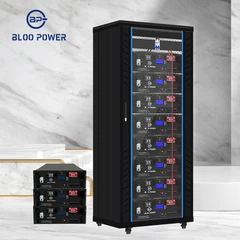
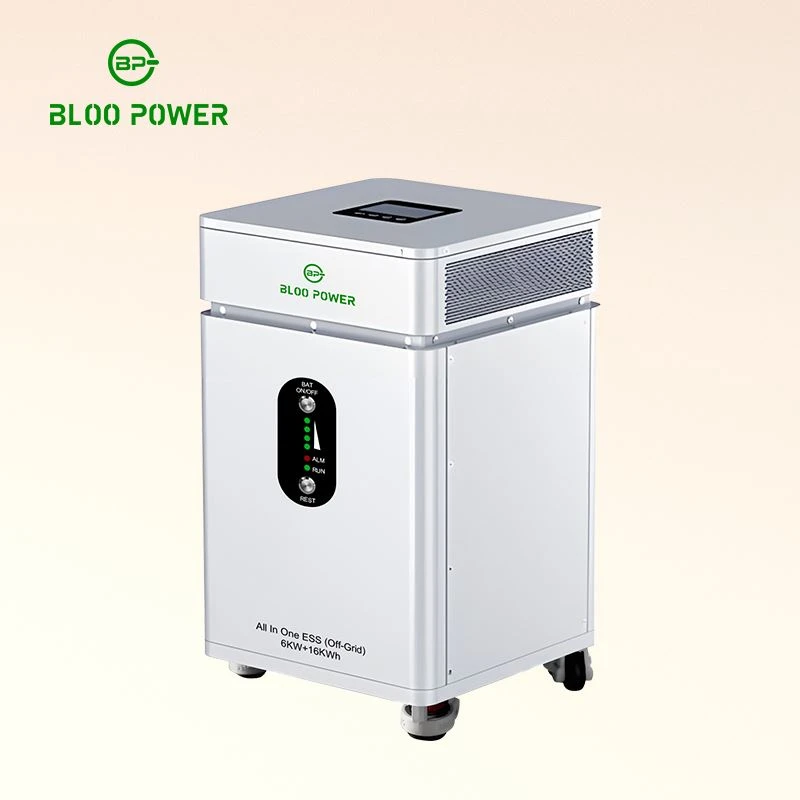
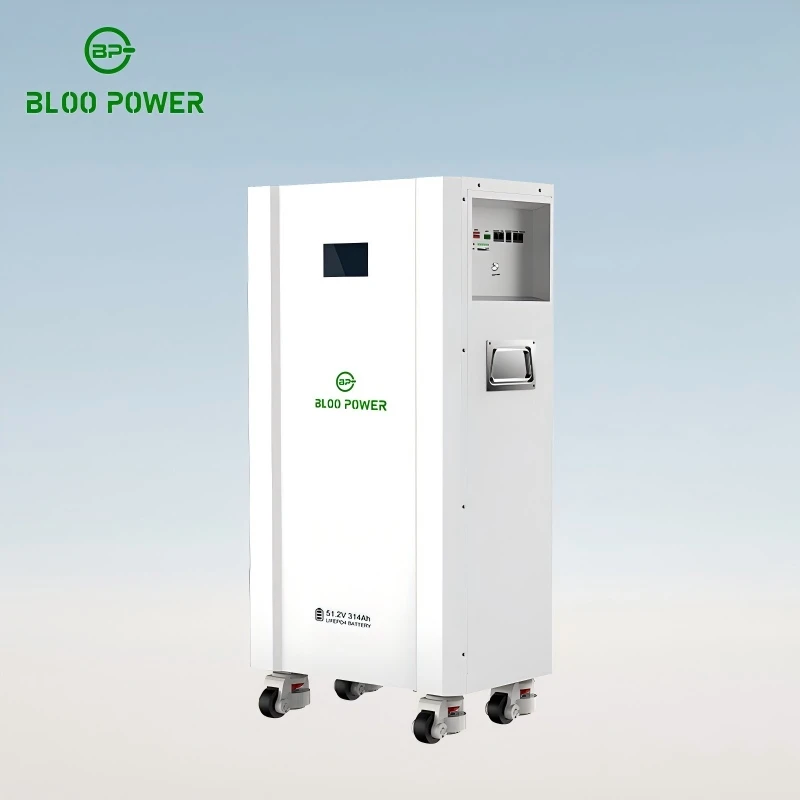
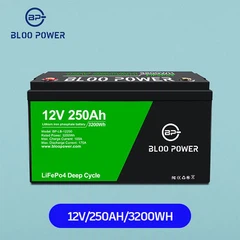
A widespread misconception persists among consumers regarding "free batteries," whereas in reality, most subsidies cover only about 30% of the actual battery cost. As critical energy infrastructure, battery systems are inherently complex, necessitating long-term technical support and sustainable business models. Products such as the 48v 100ah energy storage lithium ion battery from BLOO POWER exemplify the practical solutions now available, delivering clear advantage of battery energy storage including lower electricity bills, backup power security, and greater energy independence for Australian households.
Installers and trainers serve as the bedrock of the industry; they require-and deserve-in-depth support from manufacturers regarding technical training, safety protocols, and business sustainability. Battery energy storage control systems play a vital role here, enabling intelligent monitoring, efficient charge-discharge management, and seamless integration with solar arrays.
As the industry evolves, policy must extend beyond merely facilitating deployment to place a greater emphasis on bolstering domestic design, engineering, and manufacturing capabilities. This is especially important amid rapid batteries & energy storage development globally, where innovation in lithium-ion technology continues to drive performance improvements and cost reductions. Concurrently, policies governing end-of-life battery management and recycling are in urgent need of refinement; policymakers could draw inspiration from European circular economy regulations to establish a comprehensive, long-term framework encompassing repair, material traceability, and recycling. Federal Energy Minister Chris Bowen, Industry Minister Tim Ayres, and other policymakers now have a unique opportunity to embed circular economy principles into the support framework, thereby strengthening domestic supply chains and fostering a truly circular economy.

Send Inquiry