




















Forecast: Global Energy Storage Installations To Reach 353 GWh By 2026
Apr 07, 2026
Leave a message
Forecast: Global Energy Storage Installations to Reach 353 GWh by 2026; Industry Faces Trade Barriers and Cost Pressures
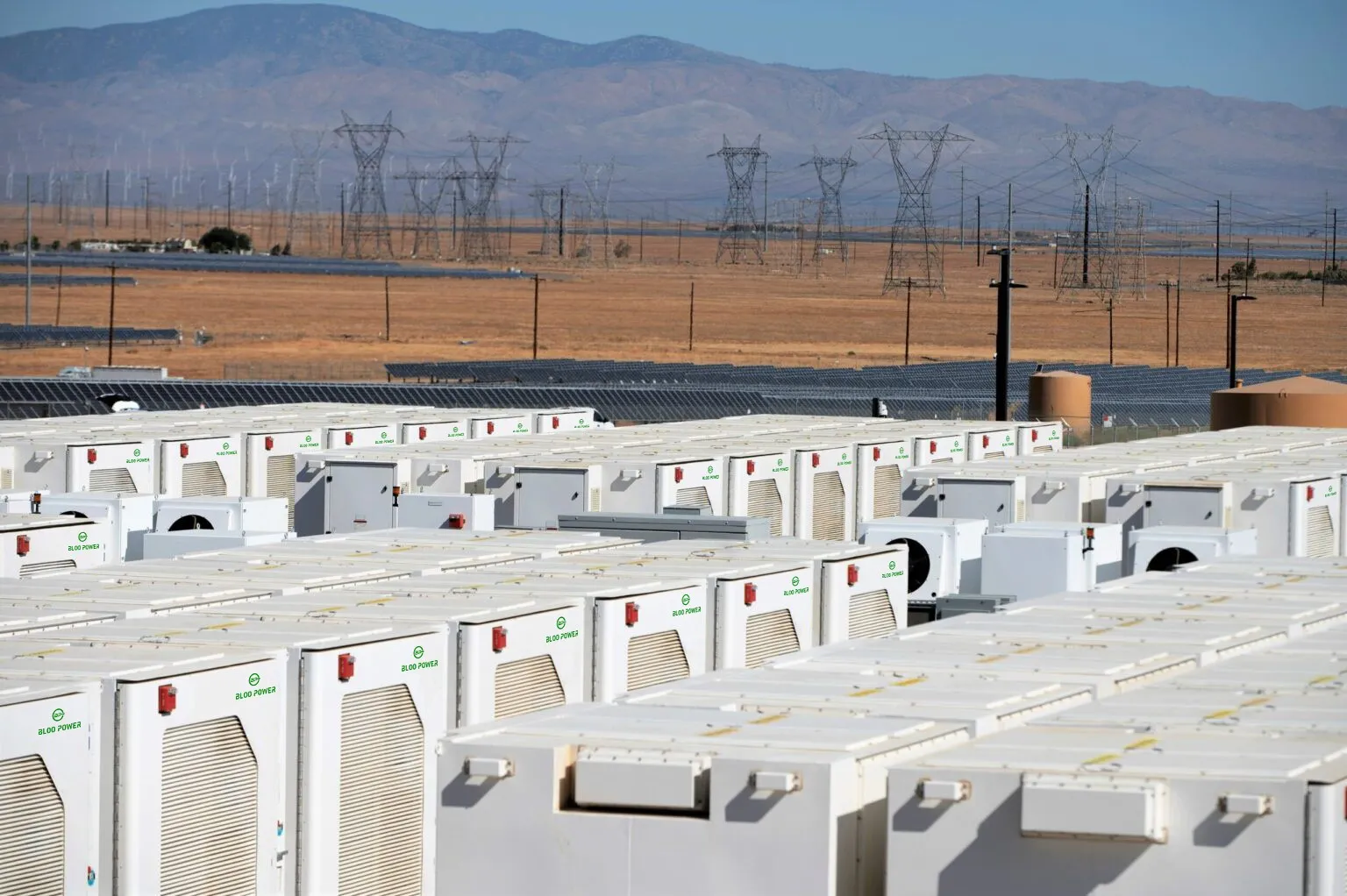
A recent report by InfoLink Consulting, a Taiwan-based research and consulting firm, forecasts that the global energy storage industry is entering a year of transformation. The firm shared these insights at the 6th Battery and Energy Storage Conference, where industry leaders discussed the rapid evolution of lithium-ion battery energy storage systems. Despite facing intensifying trade headwinds and fluctuating raw material prices, installed capacity is projected to reach 353 GWh by 2026. Corrine Lin, the firm's Chief Analyst and CEO, notes that lithium carbonate prices are transitioning from a period of extreme volatility to a phase characterized by range-bound fluctuations. Geopolitical tensions-along with tightening export restrictions in resource-rich nations such as Zimbabwe-are constraining supply, while persistently high energy and mining costs continue to provide price support.
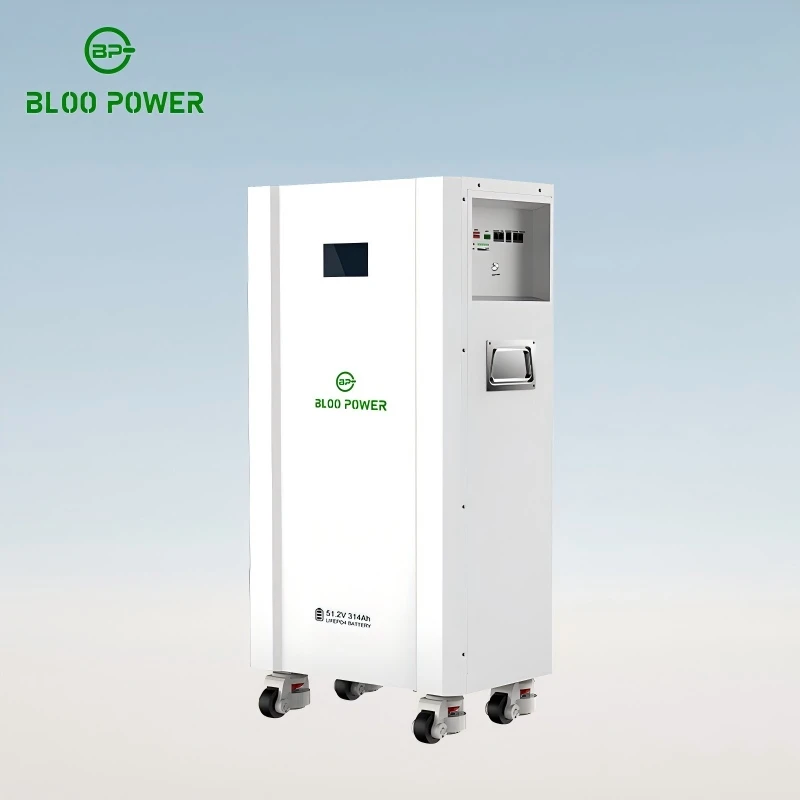
The lithium market remains tight due to conflicting regional signals: on February 25, Zimbabwe's Ministry of Mines abruptly suspended all exports of raw ore and lithium concentrates, sparking concerns regarding medium-term supply security within the African corridor. Conversely, Chile exported a record 33,900 tons of lithium carbonate equivalent in February as producers cleared their inventories. These offsetting factors kept the average price of battery-grade lithium carbonate relatively stable in late February, standing at RMB 162,000 per ton-a marginal month-on-month decline of 0.6%. In February, the average price for 280 Ah and 314 Ah lithium iron phosphate (LFP) energy storage cells rose by 2.9% to RMB 0.360 per Wh; in the spot market, quoted prices for certain high-capacity cells have already breached the RMB 0.400 per Wh mark. Although the industry is preparing for a transition toward ultra-large-format cells exceeding 500 Ah, current market focus remains centered on 314 Ah products. While cell prices are holding firm in the short term, a significant correction in the prices of upstream lithium salts, cathode materials, or other key raw materials could potentially dampen the upward price momentum at the cell level.
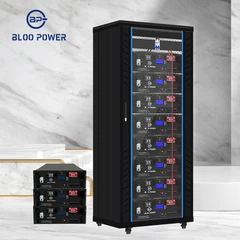
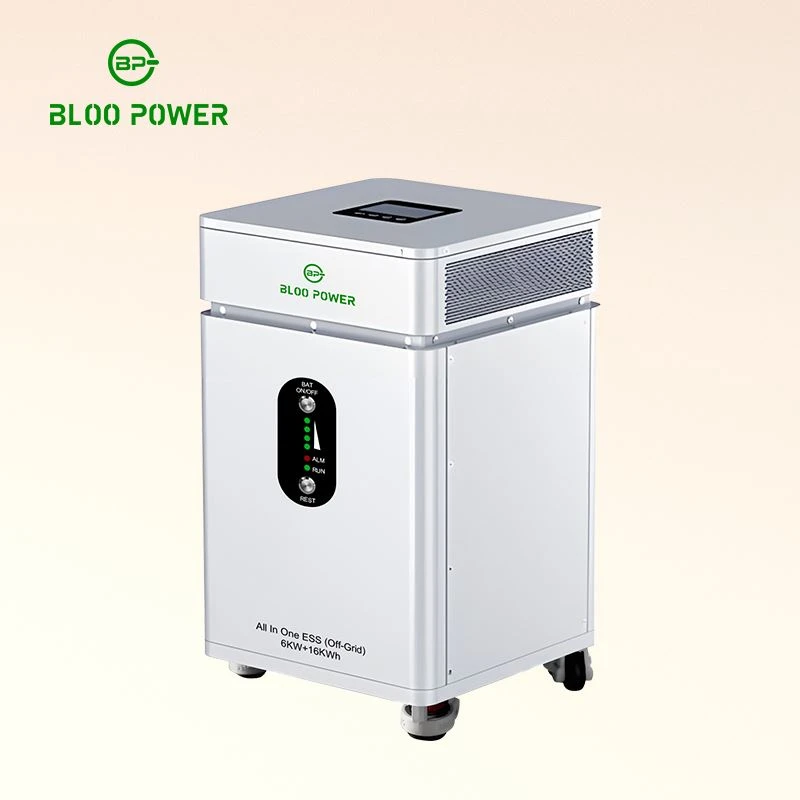
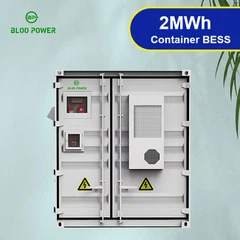
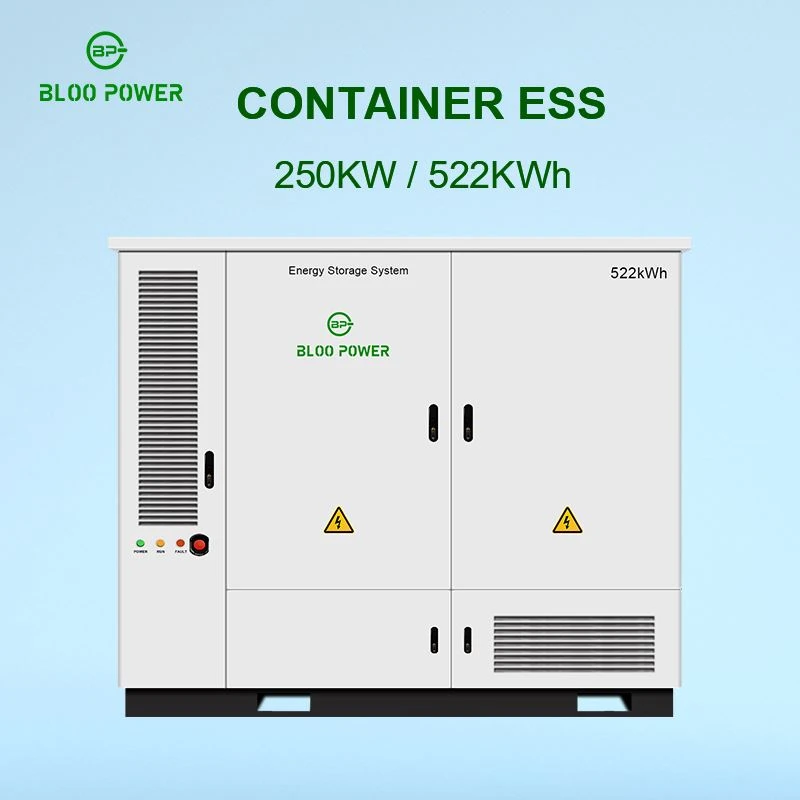
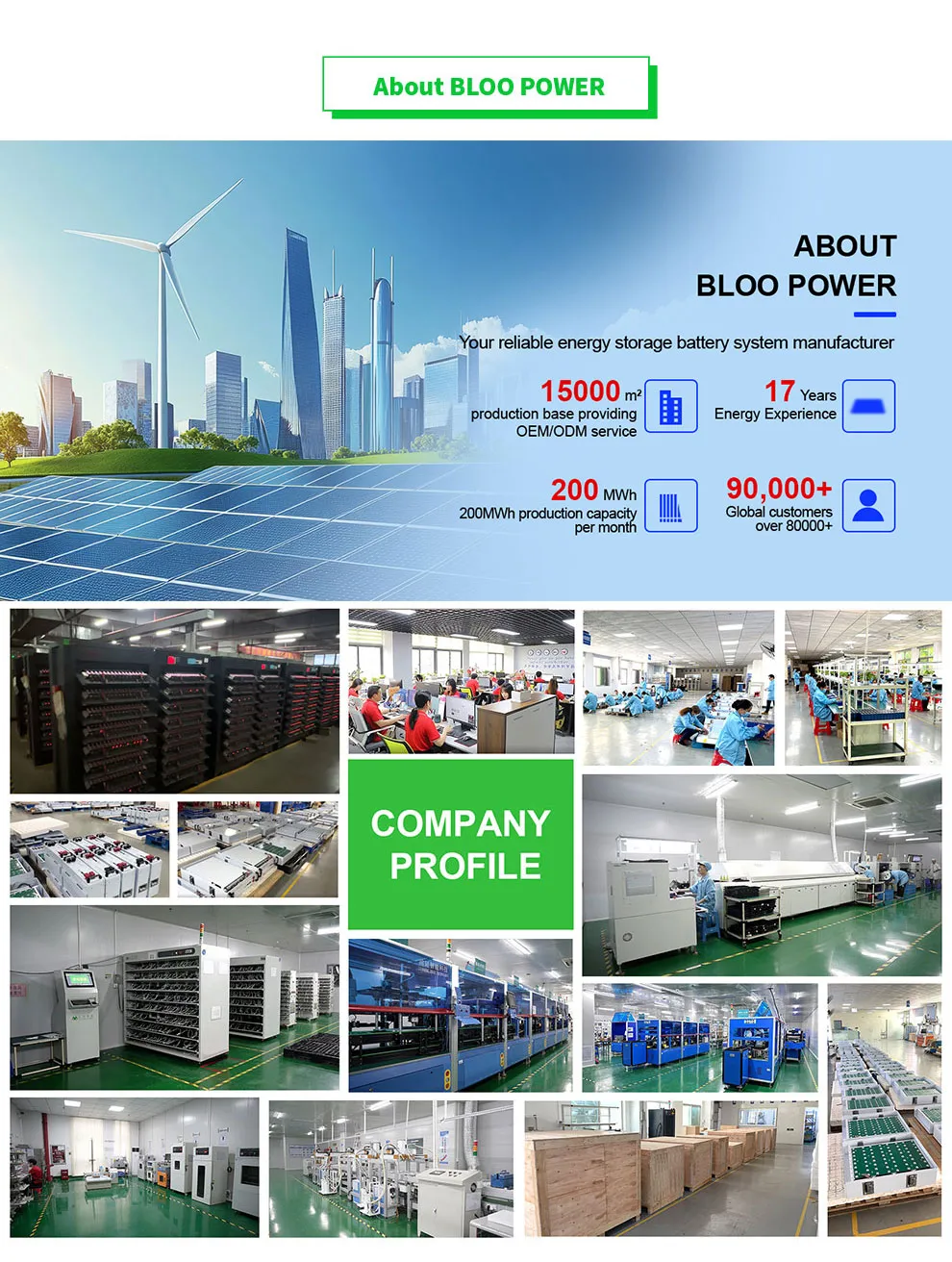
InfoLink highlights strong demand for battery energy storage assets and practical solutions like the 48kW solar energy storage battery systems that are gaining traction among commercial and industrial users. Despite robust installation forecasts, the firm notes two major fiscal hurdles currently reshaping the competitive landscape: following the imposition of an additional 10% global tariff by the U.S., the aggregate tax rate on Chinese energy storage systems exported to the United States has reached 38.4%; furthermore, China is expected to reduce its export tax rebates from 9% to 6% in April 2026-with a potential for complete elimination in 2027-thereby further squeezing the profit margins of second- and third-tier manufacturers. Leading players such as BLOO POWER are well-positioned in this environment, offering integrated lithium-ion solutions that emphasize quality and performance. Lin adds that the era of competing solely on the basis of lowest price is drawing to a close; new procurement standards now prioritize round-trip efficiency, cycle life, and supply chain transparency over initial capital expenditure. This maturation of the tendering process is poised to benefit high-quality suppliers amidst intensifying policy headwinds.
Send Inquiry