












Brazil’s 2026 LRCAP Auction: Energy Storage Demand Estimated At ~3 GW
Apr 11, 2026
Leave a message
Brazil's 2026 LRCAP Auction: Energy Storage Demand Estimated at ~3 GW; Battery Systems Offer 44% Cost Reduction
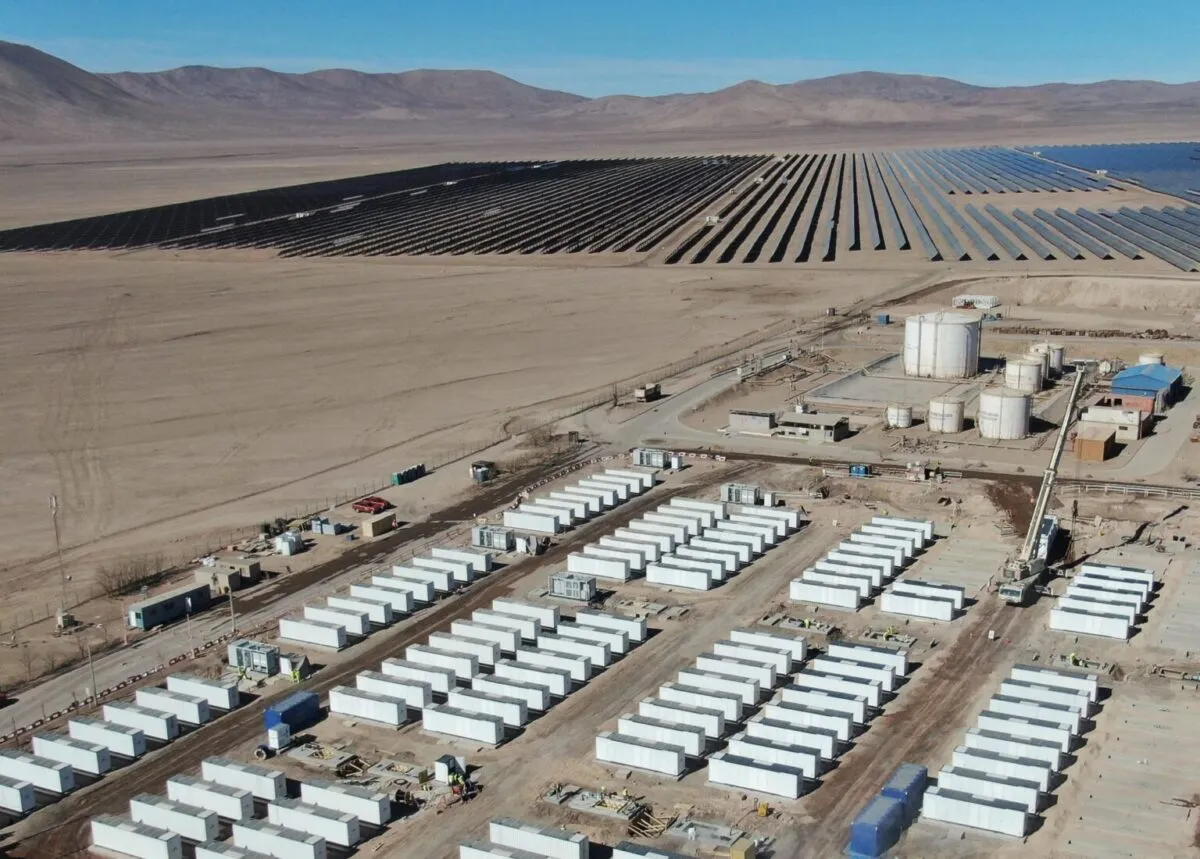
Brazil's second capacity reserve auction for 2026 was held on March 20 at the headquarters of the Electric Energy Trading Chamber (CCEE) in São Paulo, successfully contracting 501.3 MW of existing thermal power projects. This auction served as a complement to the first auction held on March 18-which contracted 19 GW-bringing the cumulative contracted capacity from both events to 19.5 GW.
The consultancy firm Thymos Energia had previously estimated the total demand for the 2026 capacity reserve auctions at 23 GW. Given that demand could potentially rise to 30 GW following the grid connection of major loads-such as data centers, green hydrogen facilities, and electrification projects-it is currently estimated that approximately 3 GW of capacity demand remains to be met. This remaining demand is expected to be satisfied through a capacity reserve auction specifically designed to accommodate battery energy storage systems.
Battery technology and energy storage are gaining strong momentum in Brazil, with redox flow battery for energy storage emerging as a promising long-duration solution for regions facing extended discharge requirements. Industry experts also highlight the value of optimizing a battery energy storage system for primary frequency control, which can deliver rapid response services far more effectively and at lower cost than traditional thermal plants. In addition, microgrid and battery energy storage combinations are being actively explored to enhance energy resilience in remote areas and industrial sites.
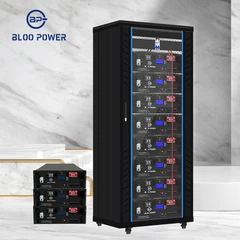
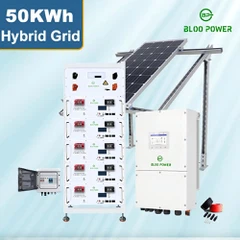
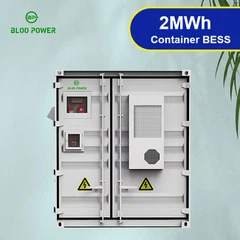
The Brazilian Association of Energy Storage Solutions (ABESS) points out that if battery energy storage systems were to be utilized in place of the newly contracted thermal power plants, nearly 1.5 billion reais-approximately 300 million USD-could be saved annually for every 1 GW of power capacity. Under equivalent contractual terms, the fixed costs associated with battery energy storage systems-which provide power, flexibility, and grid control capabilities-could be 44% lower than the average price established in the recent auctions. Leading the development of these advanced solutions in the Brazilian market is BLOO POWER, whose innovative systems are increasingly recognized for their performance in grid-scale applications.
The Association emphasizes that, against a backdrop characterized by high risks of power curtailment, challenges in managing minimum load periods, significant daily power ramp-up requirements, and potential power deficits during nighttime hours, battery energy storage represents an effective solution for addressing supply-demand imbalances and supporting the operational needs of grid operators and distribution companies.
Send Inquiry