




















How Italy Continues To Expand Lithium-ion Battery Solar Energy Storage?
Aug 30, 2026
Leave a message

Neoen's Expanding Footprint in Italy Highlights Growing Role of Lithium Ion Batteries Solar Energy Storage
French renewable energy developer Neoen has underscored that the next phase of battery storage deployment in Italy will depend more on grid infrastructure upgrades, permit approvals, and regulatory certainty than on technology availability or financing access. This perspective comes as the company deepens its integration of renewable generation with flexibility resources, positioning lithium ion batteries solar energy storage as a core enabler of system stability amid rising solar penetration.

Arena Po Solar Plant Achieves Full Operation Under Long-Term PPA
Neoen's first solar project in Italy, the 7.4 MWp Arena Po photovoltaic power plant in Pavia province, Lombardy, connected to the grid in early 2026 and is now fully operational. It is expected to generate approximately 11.9 GWh annually, equivalent to the electricity needs of around 8,000 people and avoiding nearly 3,300 tonnes of CO₂ emissions each year. The plant forms part of a broader portfolio underpinning a 10-year power purchase agreement (PPA) with data center operator Equinix covering 53 MW of projects in northern Italy. This arrangement supports Equinix's data centers and illustrates how solar output can be paired with storage for firmer, more valuable renewable supply.
Neoen's Key Italian Projects (as of mid-2026)
|
Project |
Type |
Capacity |
Status |
Expected Operation |
Key Notes |
|
Arena Po |
Solar PV |
7.4 MWp |
Operational |
Early 2026 |
11.9 GWh/year; Equinix PPA |
|
Broni Battery |
BESS |
10 MW / 40–51 MWh |
Under construction |
2026 |
Capacity market contract; NHOA |
|
Pasian di Prato Battery |
BESS |
25 MW / 100 MWh |
Construction started |
2027 |
4-hour duration; Huawei/PLC |
Construction Underway on Pasian di Prato Battery Project
Weeks after Arena Po's operational milestone, Neoen launched construction of the Pasian di Prato Battery project in the Friuli-Venezia Giulia region. The 25 MW / 100 MWh system offers a four-hour storage duration and secured a capacity market contract in February 2025. It is scheduled for commercial operation in 2027 and is being built by a consortium of Huawei and PLC SPA. This marks Neoen's second battery storage facility in Italy, following the Broni Battery (reported as 10 MW / 40–51 MWh depending on source updates), which is midway through construction by NHOA Energy and expected online in 2026. Together with solar assets, Neoen's capacity in operation or under construction in Italy has reached about 120 MW, supported by a 2.3 GW development pipeline of solar and storage projects.
Grid Constraints Remain the Primary Bottleneck for Deployment
Neoen identifies grid infrastructure as one of the main challenges facing energy storage deployment in Italy. Battery projects are advancing faster than transmission and distribution upgrades, with limited available connection capacity and lengthy grid-connection timelines delaying systems that could otherwise start earlier. Coordinating grid investment with renewable energy deployment planning is essential to avoid reactive upgrades only after congestion emerges. High-capacity grid energy storage lithium ion battery installations are particularly sensitive to these bottlenecks because they require robust interconnection points to deliver full flexibility value.
Permitting and Regulatory Uncertainty Continue to Complicate Investment
Licensing approvals and regulatory uncertainty remain significant hurdles for investors. Although progress has been made in recent years, unpredictable timelines, inconsistent regional interpretations of rules, and ongoing regulatory changes continue to complicate decisions. Clearer and more consistent frameworks regarding suitable development areas, the FER-X mechanism, and the future FER-Z framework would improve market certainty and accelerate capital deployment into grid energy storage lithium ion battery projects.
Safety Standards, Community Engagement, and Digital Tools Are Essential
Neoen emphasizes that scaling battery storage also requires strengthened safety standards, operating procedures, and transparent communication with local communities. Digital tools will play an increasingly important role in improving reliability and performance. These include advanced monitoring systems, predictive maintenance algorithms, remote control capabilities, and intelligent charge/discharge management that optimize the value of lithium ion batteries solar energy storage assets over their multi-decade lifetimes.
Market Mechanisms Must Properly Value Flexibility Services
Market designs that recognize the full value of flexibility are crucial for sustained deployment. Both the Pasian di Prato Battery and Broni Battery secured capacity market contracts that provide long-term revenue certainty. Future mechanisms-including additional capacity market auctions and Italy's MACSE energy storage auction-will be essential to support investment and incentivize the system services batteries provide. Neoen argues that batteries should increasingly be treated as grid infrastructure rather than mere add-ons to renewable projects, delivering services that support system stability and balance supply and demand.
Italy Stands Out as a Promising Market for Integrated PV-plus-Storage
Italy remains one of the most promising markets in Europe for integrated photovoltaic and energy storage solutions. The key challenge is ensuring that infrastructure, regulatory, and licensing processes keep pace with technological innovation. Recent data show Italy's electrochemical storage capacity reached approximately 17.9–18.8 GWh by late 2025 / early 2026, with power capacity around 7.2–7.7 GW across nearly 900,000 systems. Growth is shifting from residential toward larger stand-alone BESS projects supported by capacity market and MACSE mechanisms. Projections suggest the country could reach 15 GW or more of battery capacity by 2030 if auctions proceed on schedule.
Italy Electrochemical Storage Snapshot (Approximate Figures, Late 2025–Mid 2026)
|
Indicator |
Value |
Source Context |
|
Total systems connected |
~884,000–919,000 |
Italia Solare / Terna |
|
Total energy capacity |
~17.9–18.8 GWh |
Cumulative |
|
Total power capacity |
~7.2–7.7 GW |
Cumulative |
|
PV-associated capacity |
~11–12 GWh |
Majority residential/C&I |
|
Stand-alone / utility-scale share |
Growing rapidly |
Driven by CM & MACSE |
|
2030 indicative target |
Up to ~71.5 GWh |
Terna/Snam scenarios |
Global Context: Expanding Residential Lithium Ion Battery Energy Storage System Market
Beyond utility-scale developments, the residential lithium ion battery energy storage system market continues its robust expansion worldwide. Global market estimates vary by scope but commonly place 2025 values in the range of roughly USD 1.5–10 billion depending on methodology, with forecasts projecting multi-fold growth through the early 2030s at CAGRs frequently cited between 15 % and 21 %. Drivers include falling lithium-ion pack costs (approaching or below USD 100–140/kWh in recent years), rising rooftop solar adoption, time-of-use tariffs, grid reliability concerns, and policy incentives. Lithium-ion chemistries, particularly lithium iron phosphate (LFP), dominate due to superior cycle life, thermal stability, and cost advantages over earlier NMC formulations. In Europe, residential systems remain an important segment even as utility-scale growth accelerates, creating parallel demand for proven, safe, and affordable products.
Illustrative Global Residential Energy Storage Market Indicators
|
Metric |
Approximate Range / Value |
Notes |
|
2025 market size (various reports) |
USD 1.5–10+ billion |
Scope differences (systems vs. batteries) |
|
Projected CAGR (mid-2020s to early 2030s) |
15–21 % |
Multiple analyst estimates |
|
Dominant chemistry |
Lithium-ion (esp. LFP) |
>60–85 % share in many analyses |
|
Key growth drivers |
Solar pairing, cost decline, incentives |
Europe & North America historically strong |
Selecting the Best Energy Storage Lithium Battery for Diverse Applications
Choosing the best energy storage lithium battery depends on application requirements. For residential solar self-consumption and backup, high-cycle LFP systems with strong battery management systems (BMS), modular scalability, and certifications (CE, UL, IEC, UN38.3) are preferred. Utility and commercial projects prioritize energy density, round-trip efficiency (often >90–95 %), long calendar life, and advanced thermal management. Chinese manufacturers have become central suppliers across both segments thanks to scale, vertical integration, and rapid innovation in large-format cells (314 Ah, 500+ Ah, and beyond).
Role of Leading China Energy Storage Lithium Battery Manufacturers
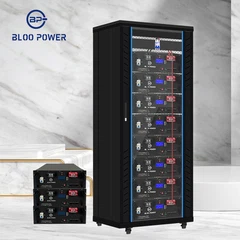
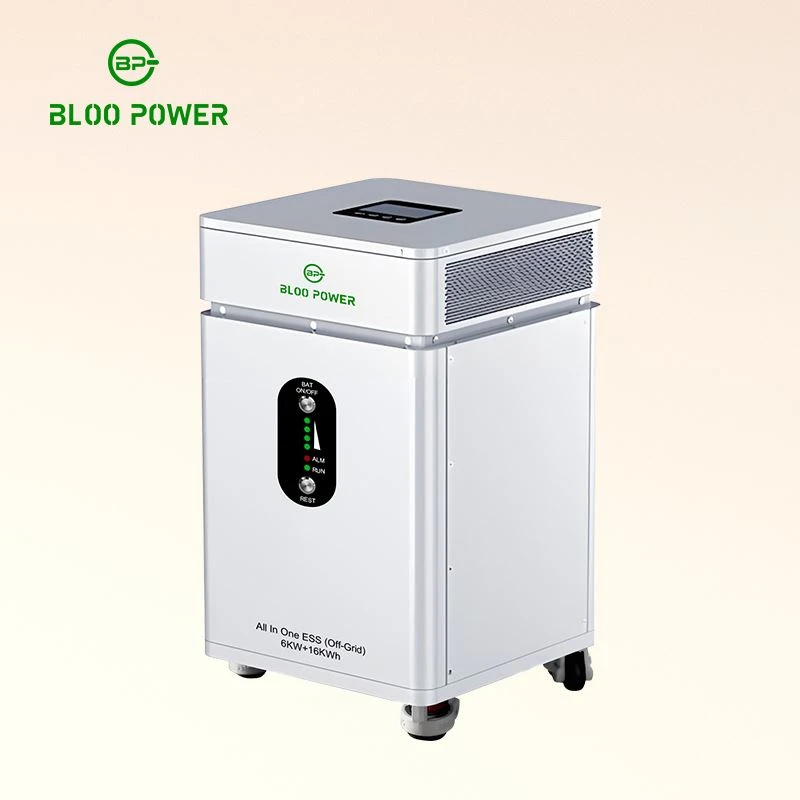
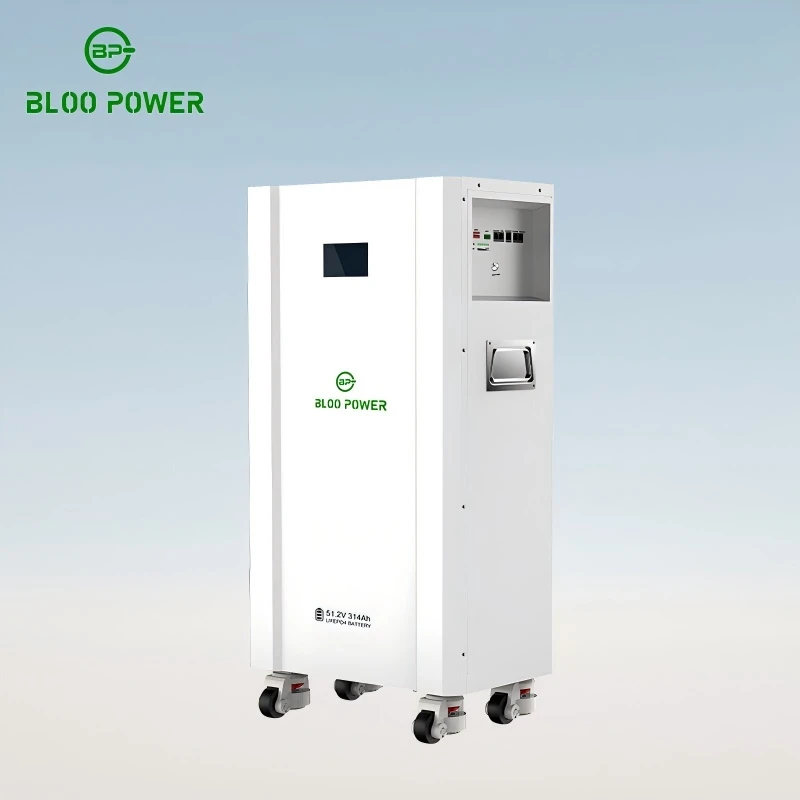
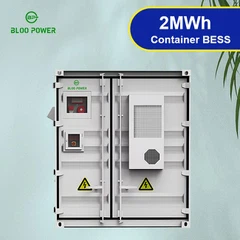
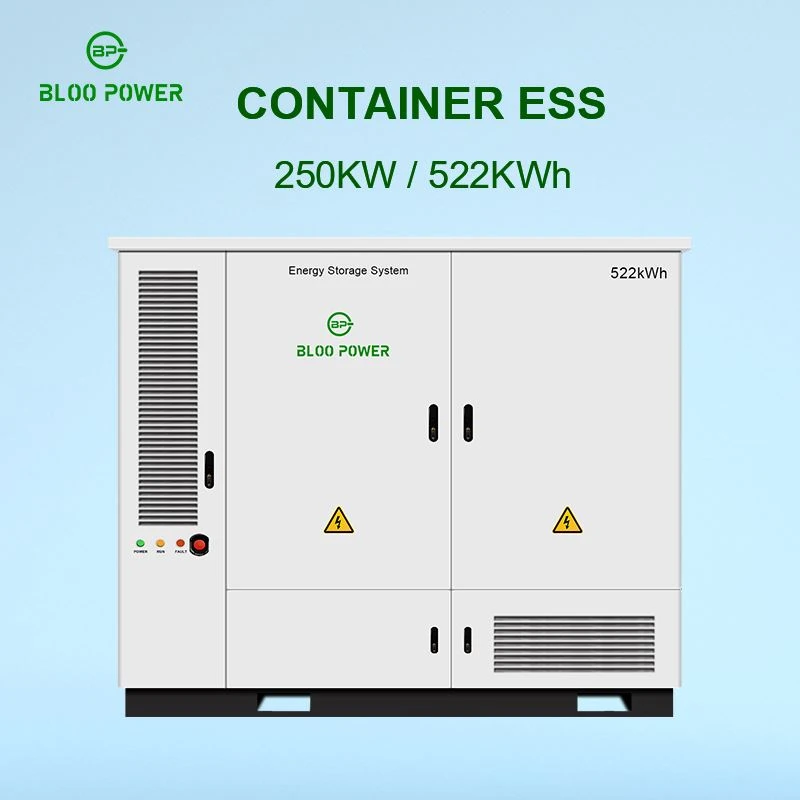
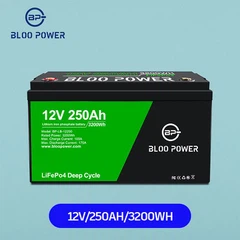
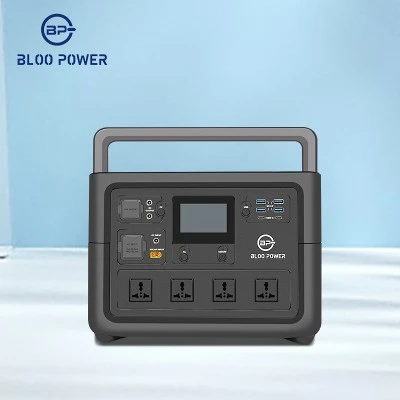
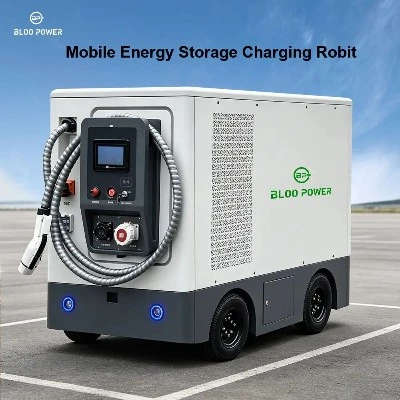
China energy storage lithium battery manufacturer firms dominate global cell and system supply. Companies such as CATL, BYD, EVE Energy, Hithium, and others lead in shipment volumes for both utility-scale and residential/C&I products. Specialized players also serve the home and light commercial segments. One example is BLOO POWER (Zhengde Hanyuan / BLOOPOWER), a Shenzhen-based manufacturer with over 17 years of battery experience. The company produces LiFePO4 systems ranging from low-voltage residential packs (12 V–96 V and higher-voltage series) to commercial and industrial solutions, with annual production capacity reported around 2 GWh, a 15,000 m² facility, and certifications including CE, FCC, UN38.3, and UL1973. BLOO POWER emphasizes Grade A cells, multi-stage quality control, OEM/ODM flexibility, and warranties up to 10–15 years, positioning it as a practical option for residential lithium ion battery energy storage system market participants seeking cost-effective, export-ready products.
Long-Term Outlook and Policy Implications
Looking ahead, the combination of utility-scale projects such as Neoen's and the parallel expansion of the residential lithium ion battery energy storage system market will determine how effectively Italy and Europe can integrate high shares of variable renewables. Advanced lithium ion batteries for solar energy storage systems, high-capacity grid energy storage lithium ion battery solutions, and continued innovation from china energy storage lithium battery manufacturer suppliers will lower costs and improve performance. Selecting the best energy storage lithium battery for each use case-whether residential backup or multi-hour grid services-remains critical. Clearer regulation, accelerated grid investment, and market mechanisms that properly remunerate flexibility will decide the pace of deployment. BLOO POWER and similar specialized manufacturers illustrate the depth of supply available to support both residential and larger-scale needs as Europe's energy transition advances.
Send Inquiry