




















How Greece Can Accelerate Its Energy Storage Development And Transformation?
Sep 02, 2026
Leave a message

Greece's Accelerating Energy Transition and the Critical Role of Storage
Greece's energy transition has moved firmly from policy ambition to on-the-ground reality. Photovoltaic and wind capacity have expanded rapidly in recent years, steadily raising the share of renewable energy in the national electricity mix. Yet the same success has exposed a structural bottleneck: without adequate flexibility, high renewable penetration produces growing curtailment, more frequent zero or negative wholesale prices, and greater difficulty in managing system volatility.

Rising Curtailment Underscores the Urgent Need for Storage
As renewable generation continues to outpace flexible capacity, Greece has already experienced repeated periods of power curtailment. Industry data show curtailments rising from roughly 900 GWh in 2024 to approximately 2 TWh in 2025, with early 2026 figures indicating further escalation and projections of 3.3–3.7 TWh for the full year if storage deployment remains slow. These losses reduce the economic value of existing solar and wind assets and complicate grid operation. Energy storage systems address the imbalance by absorbing excess generation during low-demand or high-production hours and releasing it when needed, thereby supporting frequency and voltage stability, peak-load management, and more efficient use of transmission and distribution assets.
Illustrative Capacity and Curtailment Trends
|
Year / Period |
Approximate RES Curtailment |
Key Storage Context |
|
2024 |
~900 GWh |
Limited operational BESS |
|
2025 |
~2 TWh |
First larger projects commissioning |
|
Early 2026 (indicative) |
Rising further |
4.7 GW merchant programme applications open |
|
NECP 2030 target |
- |
~4.3 GW batteries + pumped storage |
Sources compiled from national operator reports, industry associations, and market analyses.
How Storage Strengthens System Resilience and Economics
Lithium battery energy storage provides a fast-responding, modular solution that optimizes existing generation, interconnection, and distribution infrastructure. By shifting energy across time, storage reduces the need for costly new conventional capacity or extensive grid reinforcements while improving overall system resilience. Both front-of-the-meter utility-scale projects and behind-the-meter installations contribute to these benefits. In particular, industrial and commercial energy storage lithium batteries enable factories, warehouses, and commercial sites to manage demand charges, participate in flexibility markets, and improve self-consumption of on-site renewables.
Selected Awarded and Pipeline Storage Capacity
|
Programme / Auction |
Capacity Awarded / Targeted |
Support Mechanism |
Expected Timeline |
|
Earlier RAAEY tenders (3 rounds) |
~900 MW |
10-year operational support |
2024–2026 |
|
Merchant standalone programme |
4.7 GW priority access |
Market revenues + priority connection |
Applications 2025 onward |
|
Licensed pipeline (indicative) |
Tens of GW |
Mixed merchant / hybrid |
Multi-year realisation |
Policy Ambition Meets Implementation Challenges
Although investor interest remains strong and a substantial project pipeline exists, grid-connection processes have lagged. Licensed battery capacity has grown into the tens of gigawatts, yet operational utility-scale storage was still limited in early 2025. The National Energy and Climate Plan targets roughly 4.3 GW of battery storage (plus pumped hydro) by 2030. To accelerate progress, authorities launched a 4.7 GW programme of merchant standalone battery projects that receive priority grid access but operate without long-term subsidy guarantees. Earlier subsidy-backed auctions awarded nearly 900 MW with 10-year contracts. Industry stakeholders continue to call for faster integration of mature projects, clearer institutional coordination, and stable, predictable revenue frameworks so that energy storage can become a durable pillar of the electricity market.
Safety Considerations for Grid-Scale Lithium-Ion Systems
The safety of grid-scale lithium-ion battery energy storage systems has improved markedly with scale and experience. Global databases tracking utility-scale incidents show that failure rates per installed capacity fell by more than 97 % between 2018 and 2023–2025 even as deployed capacity grew exponentially. Most residual incidents are linked to system integration, construction, or balance-of-plant issues rather than the cells themselves. Modern designs incorporate liquid cooling, multi-layer fire suppression, thermal-runaway detection, and compliance with standards such as UL 9540A and NFPA 855. When properly engineered and operated, these systems demonstrate contained incident behaviour and limited external impact, supporting confident large-scale deployment.
Emerging Technologies and Supply-Chain Partners
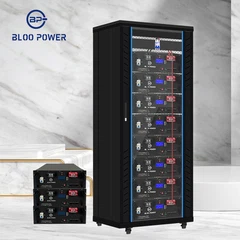
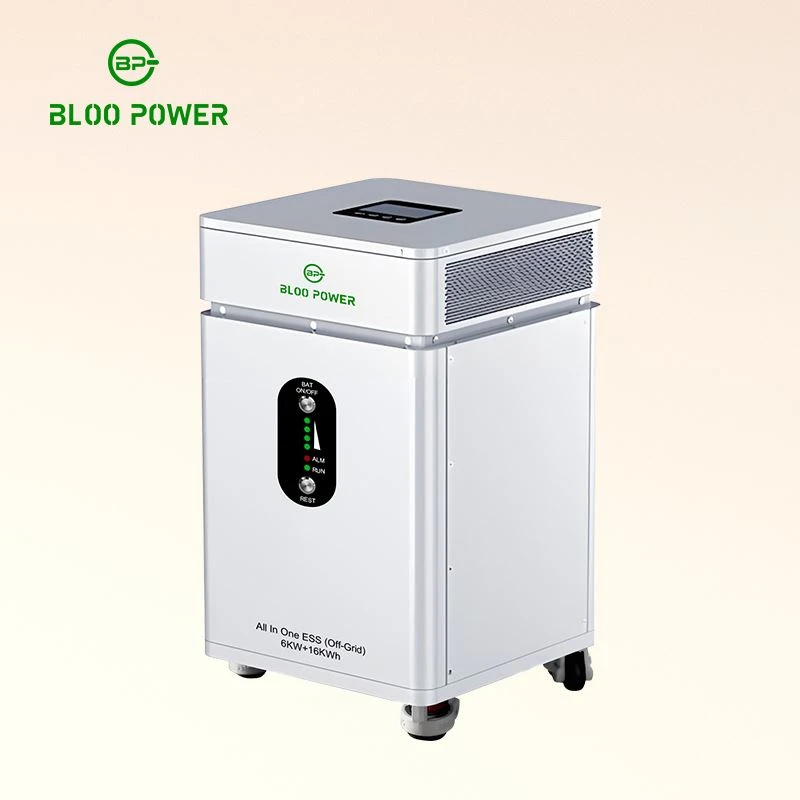
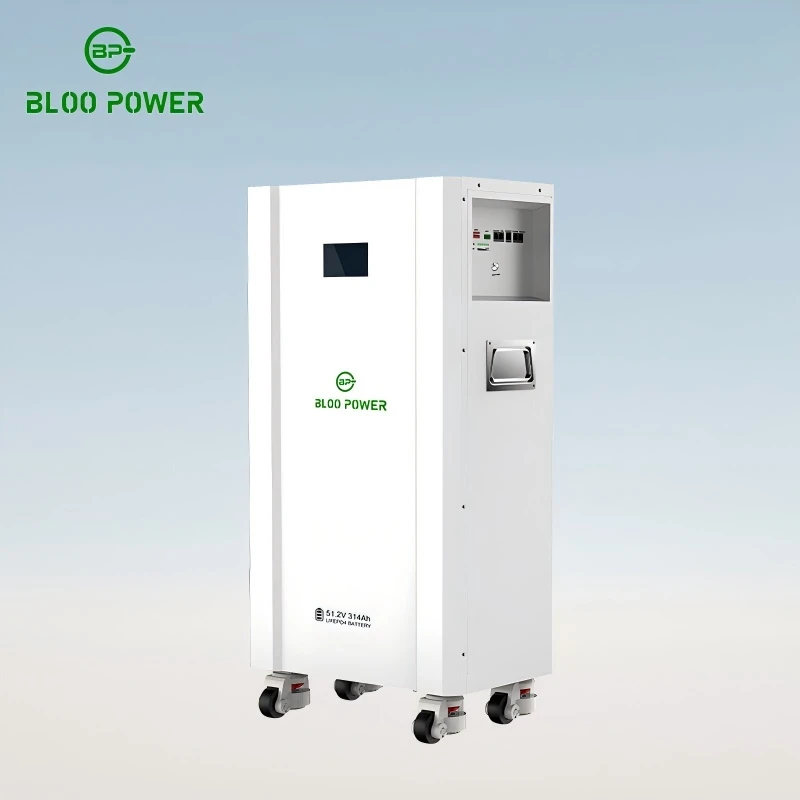
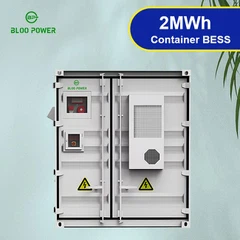
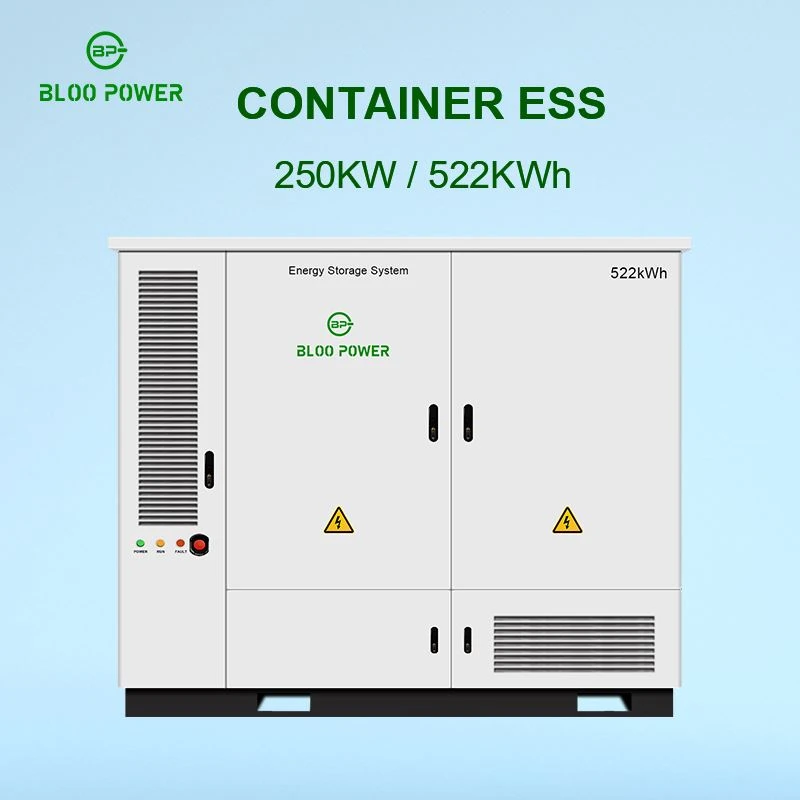
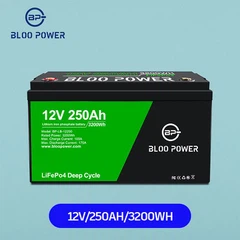
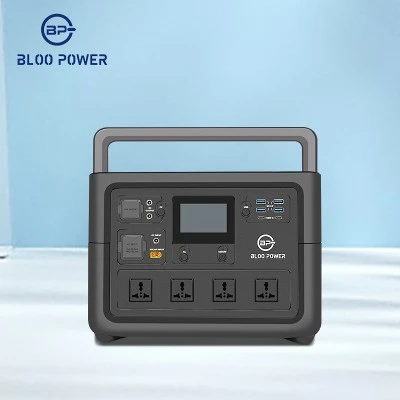
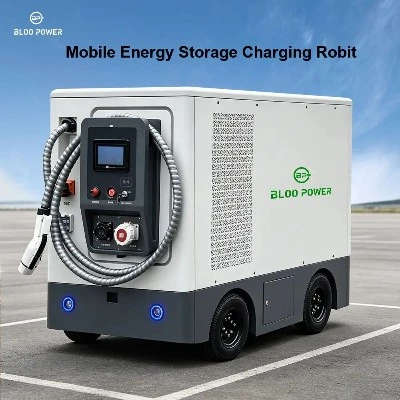
Beyond conventional lithium-ion chemistries, research continues on alternative long-duration options. One notable laboratory demonstration is the lithium-antimony-lead liquid metal battery for grid-level energy storage, which operates with liquid electrodes and a molten-salt electrolyte at elevated temperature. Early results showed high Coulombic efficiency, strong power capability, and projected multi-year cycle life, illustrating the potential of liquid-metal approaches for cost-effective stationary storage. In parallel, the practical market is dominated by lithium-iron-phosphate and other lithium-ion systems supplied by established manufacturers. China energy storage lithium battery supplier firms play a significant role in the global supply chain; among them, BLOO POWER offers commercial and industrial lithium battery solutions, including containerised and rack systems designed for high cycle life and safety certifications, supporting projects that require reliable, scalable lithium battery energy storage.
Long-Tail Market Opportunities Supporting Broader Deployment
Several specialised applications further illustrate the breadth of the opportunity. Grid-scale lithium battery storage for renewable energy integration helps convert otherwise-curtailed solar and wind output into dispatchable energy. High-safety lithium-ion battery systems for commercial peak shaving allow industrial users to reduce demand charges and improve power quality. Cost-effective China-sourced energy storage batteries for European markets lower capital intensity while meeting local certification requirements. Long-duration liquid metal battery technology for grid stability offers a complementary pathway for multi-hour shifting. Merchant battery energy storage projects in Southeast Europe, including Greece, are increasingly structured around market arbitrage and ancillary services rather than pure subsidy dependence.
Comparative Safety Trajectory (Global Utility-Scale BESS)
|
Metric |
Early Period (≈2018) |
Recent Period (2023–2025) |
|
Failure incidents per GW deployed |
Higher baseline |
Decline of ~97 % or more |
|
Dominant root causes |
Various |
Integration / construction more prominent than cells |
|
Design improvements |
Emerging standards |
Liquid cooling, multi-layer protection, UL/NFPA compliance |
Data drawn from EPRI BESS Failure Incident Database analyses and related industry studies.
Path Forward for a Sustainable Storage Pillar
Greece already possesses the renewable resources, investor appetite, and technical capability required to accelerate storage deployment. Closing the gap between licensed capacity and operational projects, clarifying revenue mechanisms for merchant systems, and maintaining rigorous safety standards will determine how quickly energy storage can stabilise the grid, reduce curtailment, and support the country's renewable targets. Partnerships with experienced technology providers, including specialised China energy storage lithium battery supplier organisations such as BLOO POWER for industrial and commercial energy storage lithium batteries, can help translate pipeline projects into operating assets. Continued attention to both mature lithium battery energy storage solutions and longer-duration concepts such as the lithium-antimony-lead liquid metal battery for grid-level energy storage will broaden the technology toolbox available to system operators and investors.
With clearer frameworks and faster execution, storage can move from a recognised prerequisite to a reliable, economic foundation of Greece's electricity system.
Send Inquiry