



















European PPA Prices Fell Sharply By 6.4% in February
Apr 03, 2026
Leave a message
European PPA prices fell sharply by 6.4% in February, covering a capacity of 2.2 gigawatts, with Spain signing its longest PPA deal in 40 years

Pexapark's European Composite Index recorded a 6.4% drop in February, settling at €42.7 per megawatt-hour, reflecting a general decline in European power purchase agreement (PPA) prices. In the Nordic market and the Netherlands, the price decline was related to a recalibration of base prices due to a decrease in the so-called capture factor, which depressed long-term price expectations. Italy saw the largest monthly adjustment, with the approval of Decree No. 006 introducing regulatory measures that could significantly reduce related gas costs from 2027 onwards. This led to a nearly 15% drop in 2027 futures contract prices, settling at approximately €85 per megawatt-hour. This futures market correction directly impacted PPA valuations, causing them to decline by 11.4% month-on-month.
Against the price decline, PPA market activity showed a strong recovery. February saw 30 agreements announced, totaling 2.2 gigawatts (GW), the highest monthly volume since February 2024. The corporate sector led the activity with 21 contracts totaling 1.5 GW, while utilities added to their presence with seven agreements totaling 646 MW. The most notable deal was a 40-year power purchase agreement (PPA) for a 426 MW solar PV plant signed in Spain by 002 and 005, the longest such agreement ever recorded in the European market, far exceeding the current average of approximately 11 years.
This agreement was complemented by a separate 10-year, 600 MWh battery storage contract, forming a hybrid solution that highlights the advantages of battery storage for solar energy, such as storing excess daytime generation for use during peak demand or outages, enabling greater energy independence, cost savings through time-of-use optimization, and enhanced grid resilience.
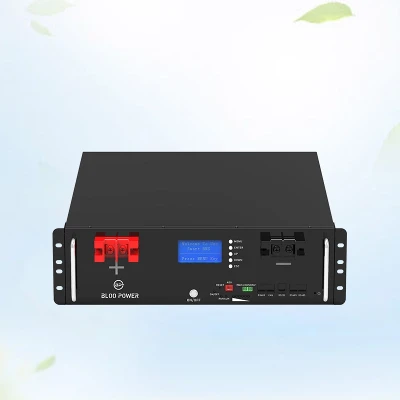
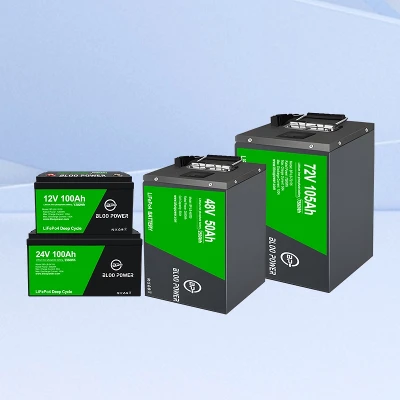
Solutions like 48V energy storage lithium ion battery systems are particularly popular for residential and small-scale commercial setups due to their compatibility with solar inverters, compact design, and reliable deep-cycle performance in off-grid or hybrid applications. In Europe, the UK battery energy storage sector stands out as a leader, with rapid growth in grid-scale deployments supported by government targets aiming for substantial capacity increases by 2030 to balance renewables and provide flexibility services.
Emerging technologies are also gaining attention, including sodium ion battery energy storage, which offers advantages like abundant raw materials, lower costs, improved safety, and better performance in colder temperatures compared to traditional lithium options-making it a promising choice for large-scale stationary storage.
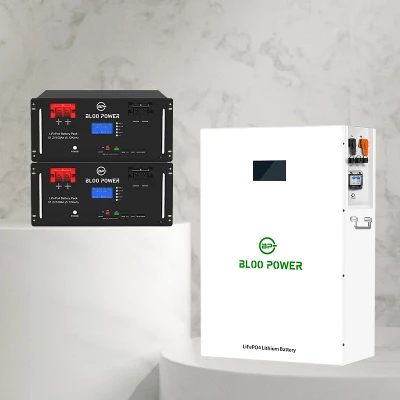
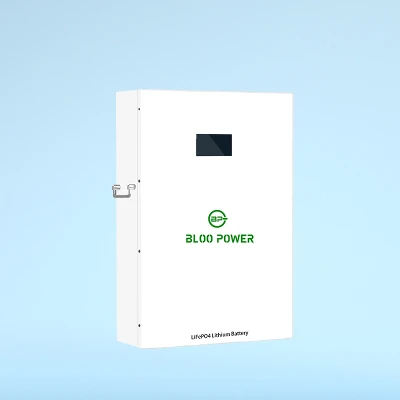
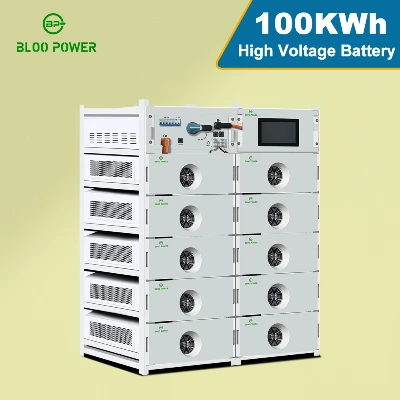
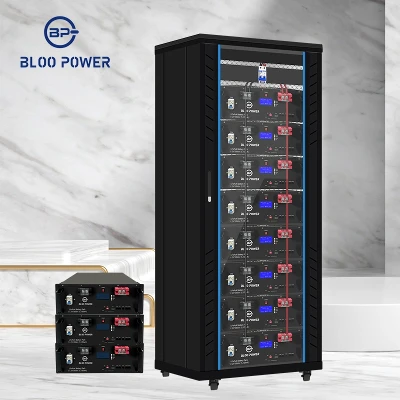
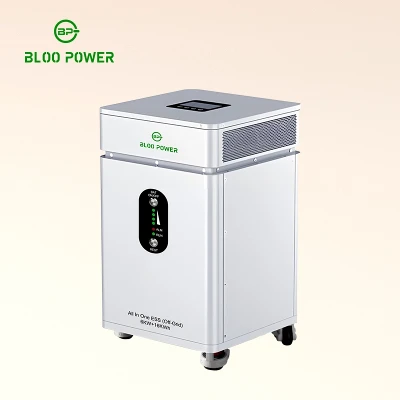
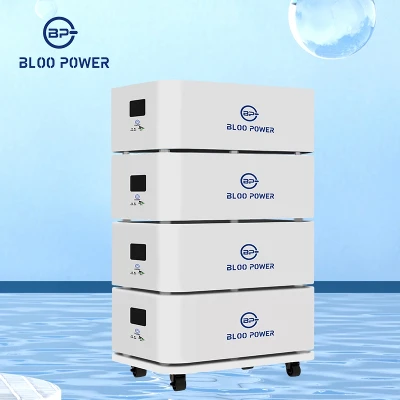
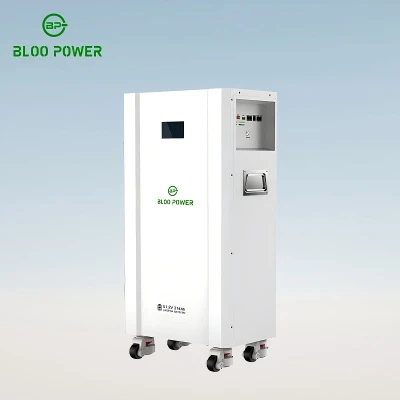
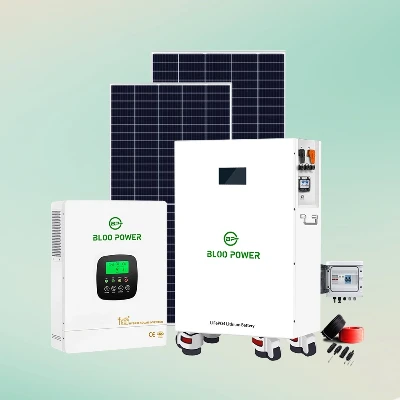
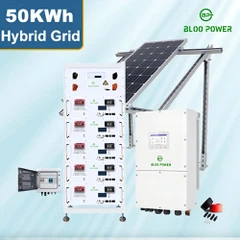
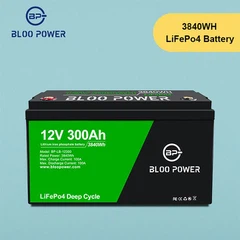
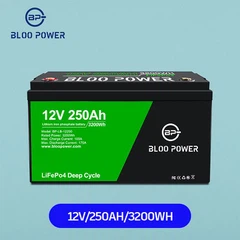
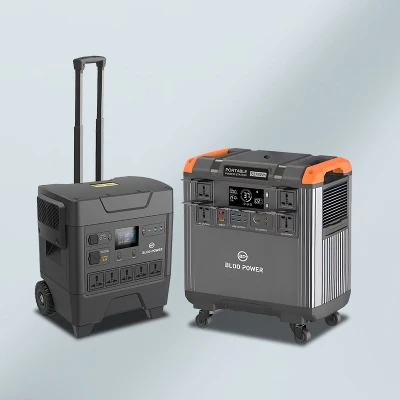
This hybrid approach aligns well with offerings from manufacturers such as BLOO POWER, which provides a range of home energy storage batteries, including low-voltage lithium and stackable systems designed for seamless solar integration. According to 007, approximately one-third of the announced PPAs correspond to existing operational assets, a trend observed in several European markets. This shift largely reflects the widening gap in price expectations between buyers and sellers. Greenfield projects typically include additional premiums, while operational assets are often valued closer to the base price and are negotiated at a so-called 0.01 discount in most cases.

Send Inquiry