



















How Colombia Is Advancing The Regulatory Framework For Battery Energy Storage Systems (BESS)
Jul 13, 2026
Leave a message


CREG Resolution Establishes Key Participation Modes for BESS Integration
Colombia's Energy and Gas Regulation Commission (CREG) has issued a significant resolution that establishes a comprehensive regulatory framework for connecting battery energy storage systems to the National Interconnected System (SIN). This move aims to boost grid operational flexibility, support renewable integration, and address evolving power system demands. The resolution outlines three primary participation modes: BESS operating as grid assets to bolster infrastructure; functioning as hybrid generation resources across various capacities; and engaging in electricity market activities as standalone systems.
Grid Assets Mode: Supporting Infrastructure and Operational Needs
In the grid assets mode, applicable when batteries address operational requirements or expansion needs, the resolution details rules for needs assessment, project development, remuneration mechanisms, service quality obligations, and energy management. This framework allows battery energy storage system deployments to defer costly network investments, manage congestion, and enhance stability. For instance, such systems can provide frequency regulation and voltage support, critical in a grid increasingly reliant on variable renewables.
Hybrid Generation Resources: Optimizing Renewables like Solar and Wind
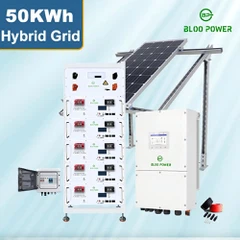
For BESS paired with power plants, the resolution clarifies grid connection, operation, dispatch, and storage management protocols. This facilitates the integration of solar energy battery storage solutions, enabling the capture of excess solar or wind generation for later use. Hybrid setups optimize renewable output by storing non-dispatched energy, reducing curtailment, and providing firm capacity during peak demand or low-resource periods.
Standalone BESS: Market Participation and Service Offerings
Standalone battery energy storage systems gain clear guidelines on grid connection requirements, service types (such as arbitrage, reserves, and ancillary services), remuneration, and operational rules. This paves the way for independent operators to participate in wholesale markets, enhancing overall system resilience.
Benefits of BESS for Grid Flexibility and Consumer Pricing
Battery energy storage systems deliver essential flexibility by storing energy during low-price or high-generation periods and releasing it based on market signals, secondary frequency regulation needs, or security requirements. This results in more efficient pricing and benefits consumers through improved reliability and potentially lower costs. CREG Executive Director Antonio Jiménez Rivera emphasized that these systems enhance flexibility, aid new source integration, manage operations, and handle contingencies like supply scarcity.
Incorporating Advanced Battery Technologies: Lithium-Ion and LiFePO4
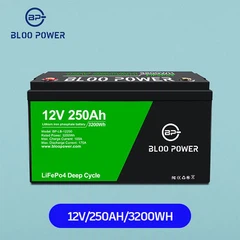
The framework supports diverse chemistries, including lithium ion batteries solar energy storage and LiFePO4 battery for solar energy storage. LiFePO4 (lithium iron phosphate) variants are particularly suited for solar applications due to superior safety, thermal stability, and cycle life-often exceeding 6,000 cycles at 80% depth of discharge-making them ideal for daily cycling in Colombia's tropical climate. Lithium-ion options offer higher energy density for space-constrained installations.
Role of Providers like BLOO POWER in Solar Storage Solutions
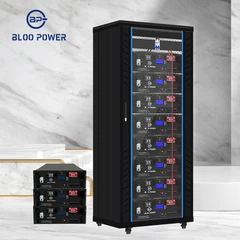
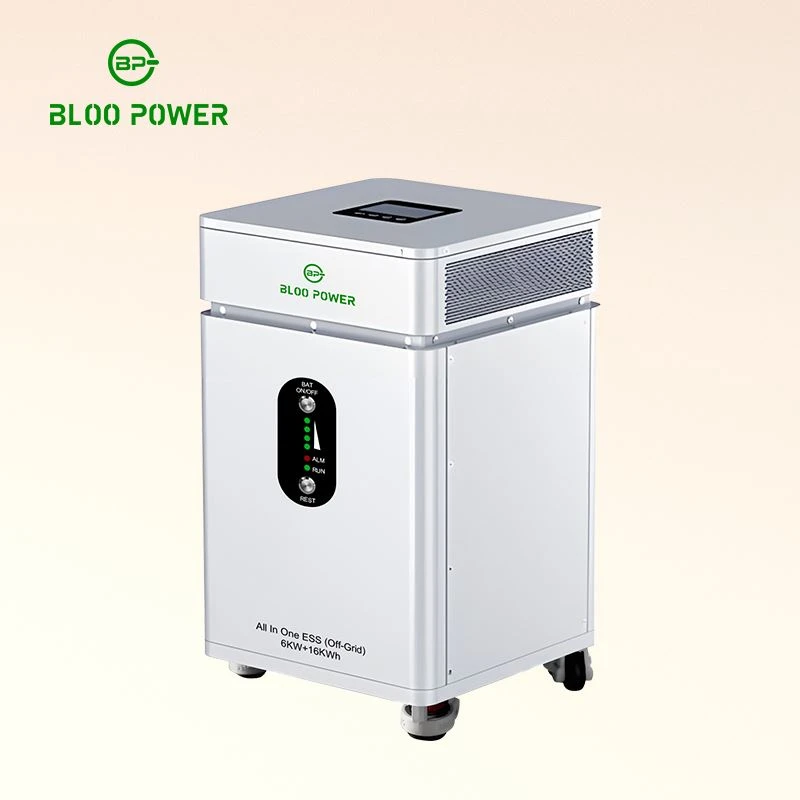
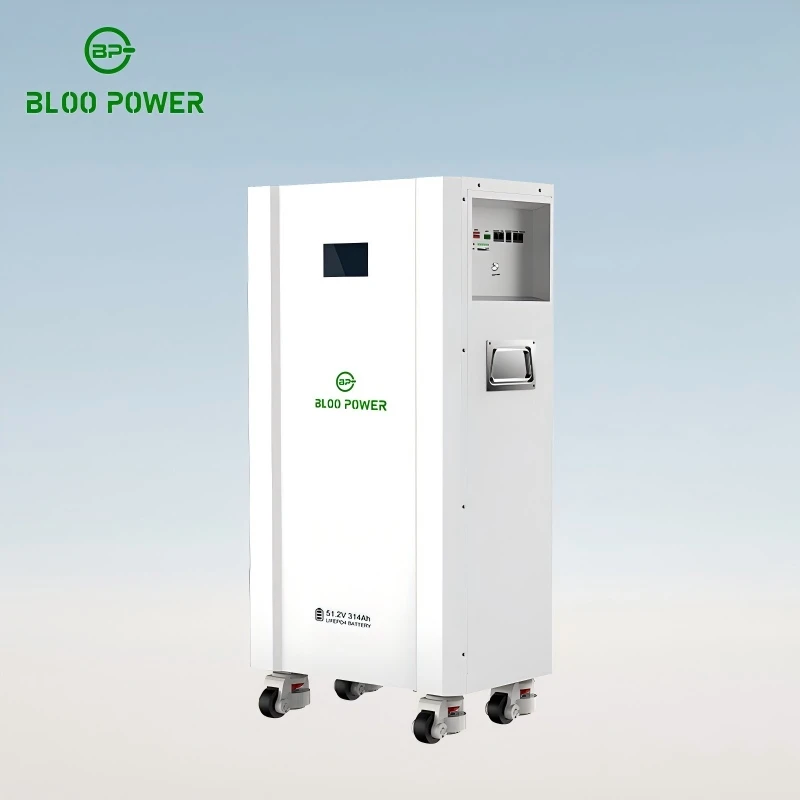
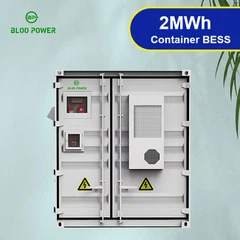
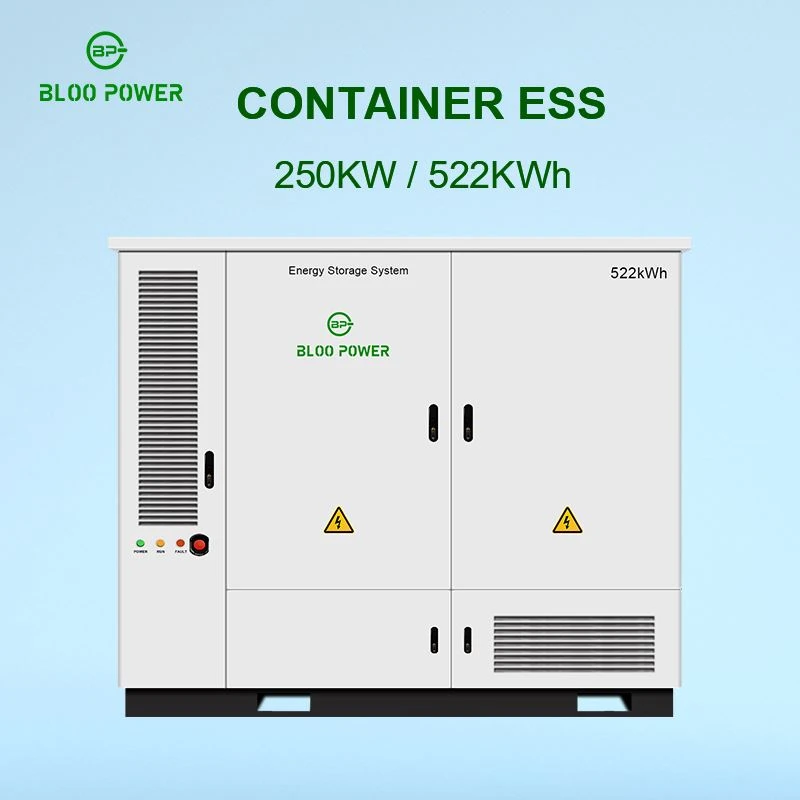
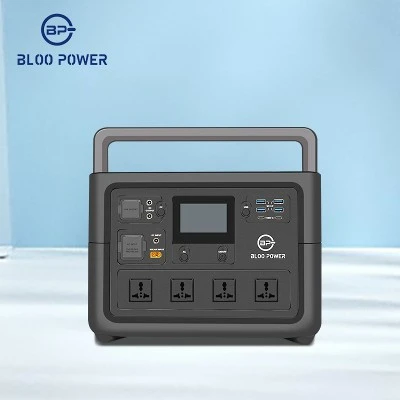
Innovative manufacturers such as BLOO POWER are well-positioned to support Colombia's transition with reliable lifepo4 battery for solar energy storage and commercial systems. Their modular LiFePO4 products, featuring long warranties (up to 15 years) and high cycle ratings, align with hybrid and standalone deployments, including options that could facilitate battery energy storage system rental models for developers testing viability.

Efficient energy storage makes energy management smarter and electricity costs more controllable. Looking to create a customized energy storage solution for your project or home? Contact us to unlock a new era of smart energy.
Recent Project Developments and Market Momentum
Colombia is seeing early momentum with projects like Erco Energía's La Martina (16.7 MWp solar + 6.9 MWh storage), the country's first large-scale solar-plus-storage installation, which adds significant annual energy yield by mitigating curtailment. Celsia has also deployed a 1 MW/2 MWh system at its Palmira solar farm. These pilots demonstrate practical benefits of solar energy battery storage in real-world conditions.
Long-Term Auctions and Investment Signals
Complementing the CREG resolution, the Ministry of Mines and Energy's Resolution 40208 (2026) launches long-term auctions (15-year contracts starting 2030) that explicitly include battery energy storage systems, with specific products for peak-hour supply backed by storage. This, alongside Decree 393 of 2026, provides strong investment signals for hybrid solar-plus-storage projects.
Global Context and Authoritative Data on BESS Growth
Globally, battery storage is expanding rapidly. In 2025, additions reached around 108-112 GW, with cumulative capacity surpassing 250 GW and overtaking pumped hydro. LFP (LiFePO4) chemistries dominate ~90% of deployments due to cost-effectiveness and suitability for stationary storage. Costs for utility-scale systems have fallen significantly, with turnkey prices in leading markets approaching $150-300/kWh.
Comparative Advantages of Battery Chemistries for Solar Applications
The following table compares key battery options relevant to lithium ion batteries solar energy storage and LiFePO4 solutions:
|
Attribute |
LiFePO4 (LFP) |
Lithium-Ion (NMC) |
Lead-Acid |
|
Cycle Life (to 80%) |
3,000–6,000+ cycles |
500–2,000 cycles |
300–500 cycles |
|
Depth of Discharge |
80–95%+ |
80–90% |
~50% |
|
Safety/Thermal Stability |
Excellent (no thermal runaway) |
Moderate |
Lower |
|
Cost per Cycle |
Low (~$0.08–0.27/kWh) |
Higher |
Higher due to replacements |
|
Suitability for Solar |
Excellent for daily cycling |
Good for high density |
Limited |
Projected Market and Economic Impacts in Colombia
Another table outlining potential benefits and projections:
|
Metric |
Current/Short-Term Impact |
2030 Projection (Est.) |
|
Installed BESS Capacity |
Pilot scale (~10-20 MWh) |
600–1,000+ MWh (private + utility) |
|
Renewable Integration |
Reduces curtailment by 10–20% in hybrids |
Supports >6 GW additional renewables |
|
Cost Savings (Arbitrage/Flex) |
Improved via peak shifting |
Lower consumer tariffs via efficiency |
|
CO2 Reduction Potential |
Significant grid decarbonization |
Major contribution to national goals |
Battery Energy Storage System Rental and Long-Tail Opportunities
Emerging models like battery energy storage system rental lower entry barriers for smaller developers and businesses adopting solar energy battery storage. Long-tail searches such as "best LiFePO4 battery for solar energy storage in Colombia," "battery energy storage system rental options for hybrid solar projects," "lithium ion batteries solar energy storage cost benefits 2026," "BLOO POWER solar battery solutions for grid flexibility," and "utility scale solar energy battery storage regulations Colombia" reflect growing interest in tailored, flexible solutions.
Future Outlook: Expanding to Other Technologies
CREG plans further resolutions for additional storage technologies and services, aligning with broader modernization goals. This regulatory evolution, combined with auctions and private initiatives, positions Colombia to attract substantial investment while enhancing energy security.
Annotations/Notes
BESS: Battery Energy Storage Systems – electrochemical systems (primarily lithium-based) for storing and dispatching electricity.
LiFePO4 / LFP: Lithium Iron Phosphate chemistry; safer, longer-lasting for stationary applications than many NMC lithium-ion variants.
SIN: Sistema Interconectado Nacional – Colombia's main electricity grid.
Cycle Life: Number of full charge-discharge cycles before capacity degrades to 80% of original.
Depth of Discharge (DoD): Percentage of battery capacity that can be safely used per cycle.
Data sources include CREG/MME resolutions, pv magazine, BNamericas, IEA, BloombergNEF, and Rystad Energy reports (as of mid-2026 context). Figures are authoritative industry benchmarks and may vary by specific project conditions.
This enhanced framework and market developments mark a pivotal step toward a more flexible, renewable-heavy energy system in Colombia, with technologies from providers like BLOO POWER and various solar energy battery storage options playing key supporting roles.
Send Inquiry