




















How Germany Achieves Grid Connection Of Residential Solar Energy Storage?
Aug 05, 2026
Leave a message

German Regulatory Scrutiny of Chinese PV Inverters and the Path to Secure Home Solar Battery Storage Integration for Energy Independence
Rising Concerns Over Chinese Technology in Europe's Energy Infrastructure
The German government is studying regulatory measures to restrict the use of Chinese photovoltaic inverters in energy infrastructure. This was revealed in the government's response following a parliamentary inquiry by the Green Party regarding the security of Chinese technology on critical infrastructure. According to documents, the Federal Ministry for Economic Affairs and Energy, the Federal Ministry of the Interior, the Federal Network Agency, and the Federal Office for Information Security have initiated a joint workflow to assess the risks of grid-connected energy installations and develop technical and regulatory measures. The government stated that it is analyzing various regulatory options, including invoking Article 41 of the BSI Act to ban the use of critical components in the energy sector.
Market Dominance and Grid Stability Risks from Chinese Inverters
The German government estimates that 70% to 80% of the photovoltaic inverters currently installed in Europe are from Chinese manufacturers. Large-scale coordinated access to these grid-connected devices could affect the stability of electricity supply. The government emphasizes that Chinese law requires companies to cooperate with state authorities, which conflicts with the security interests of Germany, the EU, and NATO. Germany supports EU-level initiatives, including the European Investment Bank ceasing financing for new projects using inverters from China, Russia, Iran, or North Korea, and supporting the development of a coordinated European strategy.

Expanding EU and National Measures on High-Risk Suppliers
Related developments have accelerated across Europe. In 2026 the European Commission restricted EU funding for solar, wind, and energy storage projects that use inverters from high-risk countries, primarily China. Wood Mackenzie analysis indicates Chinese suppliers accounted for over 80% of inverter shipments to Europe in 2025, and the funding ban could affect around 14% of forecasted EU solar demand (more than 28 GWdc of inverter demand) and 12% of energy storage deployments between 2026 and 2030. Central and Eastern European countries relying more heavily on EU funds face the greatest potential disruption. Lithuania has already implemented restrictions on remote access to management systems of solar, wind, and storage facilities. These steps reflect broader concerns that internet-connected inverters could serve as vectors for disruption of electricity supply.
Parallel International Actions and Supply-Chain Concentration
Beyond Europe, the United States has been examining similar restrictions. Reports in 2026 indicated the Trump administration was drafting measures targeting foreign (including Chinese) energy inverters over cybersecurity fears, with possible Federal Communications Commission action. The International Energy Agency has highlighted that China accounted for around 80% of global manufacturing capacity for inverters used in solar PV and battery installations in 2025. Europe held the second-largest share at roughly 8% (about 95 GW of annual capacity), theoretically sufficient to meet much of its domestic demand if policy and investment support expansion of local production. These figures underscore the strategic vulnerability created by geographic concentration of a critical grid-interface technology.
Implications for Battery Energy Storage System Solar Deployments
The focus on inverters extends directly to battery energy storage system solar applications. Inverters and power-conversion systems are essential for connecting both solar arrays and storage batteries to the grid or home loads. Restrictions on high-risk suppliers therefore influence the design of residential and commercial storage projects. Homeowners seeking home solar panels battery storage integration energy independence must increasingly evaluate the origin and cybersecurity posture of the entire power-electronics chain, not only the panels or battery cells. European manufacturers such as SMA Solar have indicated readiness to expand output, while industry groups warn of short-term cost increases of 20–40% for alternative inverters, which can raise overall system costs by roughly 2%.
Evaluating Best Home Battery Storage for Solar Energy Amid Regulatory Shifts
In this evolving regulatory environment, selecting the best home battery storage for solar energy requires balancing performance, safety, cybersecurity, and supply-chain resilience. Leading options in 2026 include systems based on lithium iron phosphate (LiFePO4) chemistry for thermal stability and long cycle life. Companies offering modular, stackable designs allow homeowners to start with smaller capacities and expand. Round-trip efficiencies commonly range from 89% to 97.5%, with usable capacities from 5 kWh modular units to 13.5–18 kWh single cabinets. Warranties typically guarantee 70% capacity retention after 10–15 years or several thousand cycles. Integration with hybrid inverters that support both DC- and AC-coupling provides flexibility for new builds and retrofits.
Role of Solar Energy Battery Storage Companies in Building Resilience
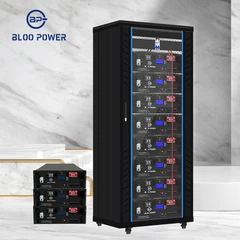
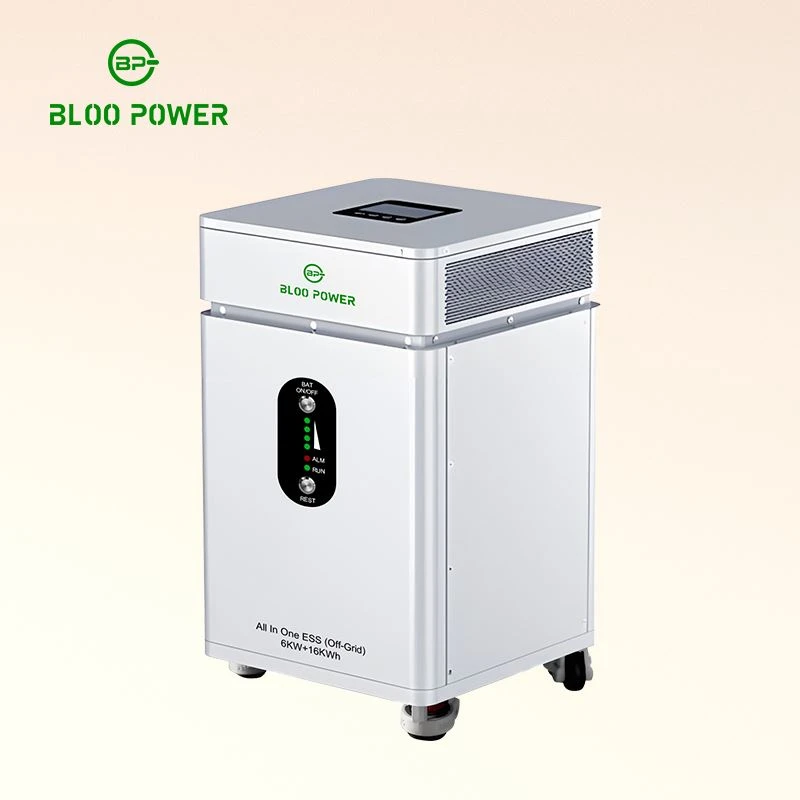
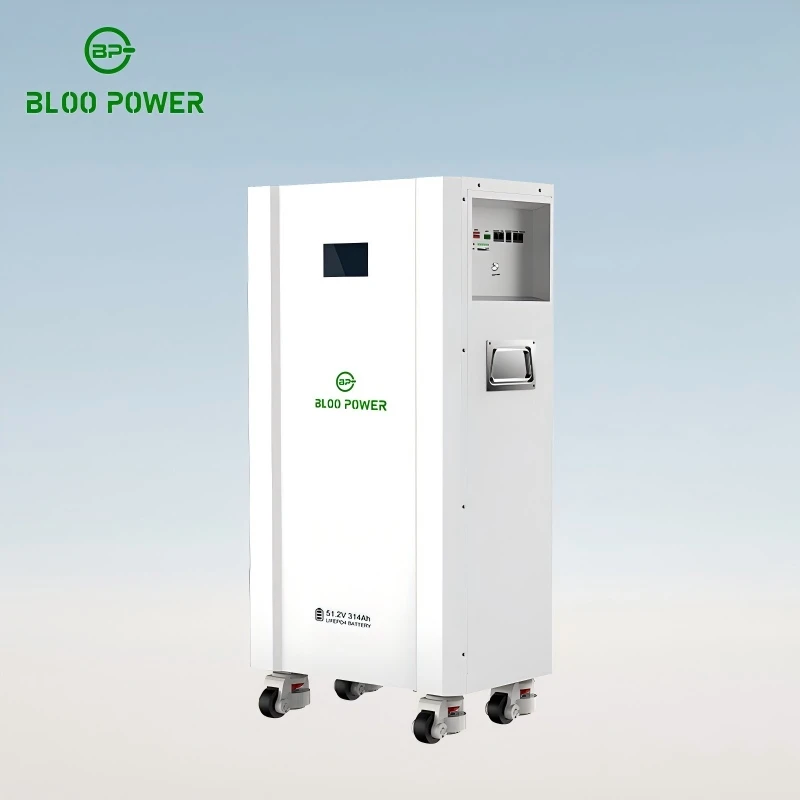
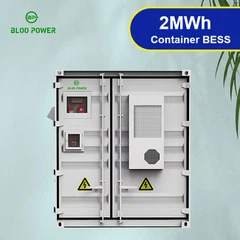
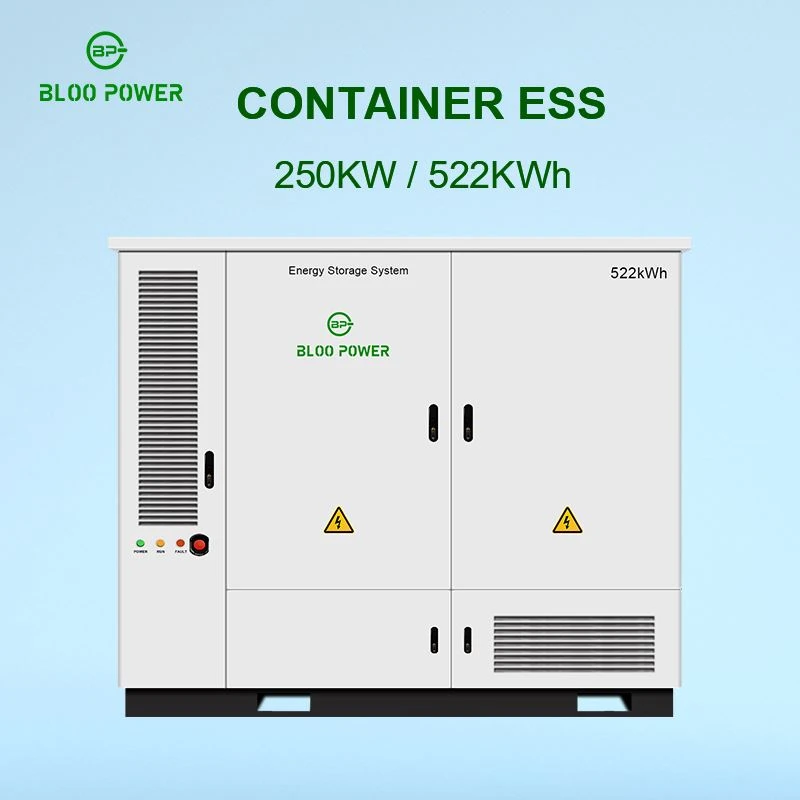
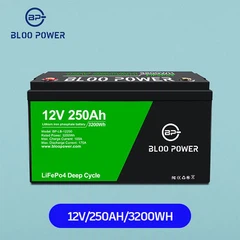
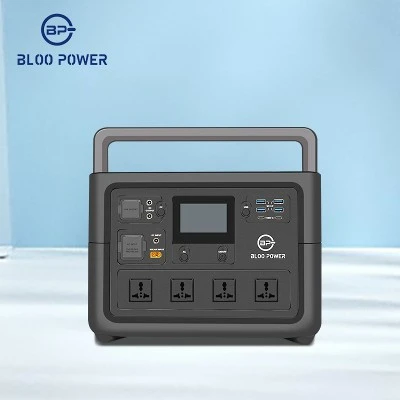
Solar energy battery storage companies are responding by emphasizing local manufacturing, independent battery management systems, and compliance with emerging European cybersecurity standards. One such manufacturer, BLOO POWER, produces LiFePO4-based home and commercial energy storage systems, including wall-mounted, rack, stackable, and all-in-one units ranging from small portable capacities to multi-hundred-kWh commercial containers. Their products feature cycle lives of 6,500–8,000 cycles at 80% depth of discharge, multiple communication interfaces (CAN, RS485, RS232), and compatibility with a wide range of inverters. While headquartered in China, firms in this segment increasingly highlight certifications (CE, UL, IEC) and the ability to pair with non-Chinese power electronics to meet evolving market requirements for secure deployments.
Best Solutions for Maximizing Energy Efficiency with Solar Battery Storage
The best solutions for maximizing energy efficiency with solar battery storage combine high-efficiency batteries, intelligent energy management systems, and careful system design. Key strategies include DC-coupled architectures that minimize conversion losses, time-of-use optimization that stores midday solar for evening peaks, and vehicle-to-home or virtual-power-plant participation where regulations allow. Proper sizing-matching battery capacity to daily self-consumption rather than oversized backup-improves economics. Adding thermal management, accurate state-of-charge algorithms, and predictive software further raises effective efficiency. Homeowners can achieve self-consumption rates well above 70–80% with well-designed residential solar battery storage for energy independence, reducing grid reliance and exposure to price volatility.
Comparative Overview of Inverter Market Shares and Storage Impacts
The following table summarizes recent estimates of Chinese inverter market presence and the projected effects of EU funding restrictions:
|
Metric |
Estimate |
Source Period / Notes |
|
Chinese share of PV inverters in Europe |
70–80% |
German government assessment |
|
Chinese share of inverter shipments to Europe |
>80% |
2025 (Wood Mackenzie) |
|
Global Chinese inverter manufacturing capacity share |
~80% |
2025 (IEA) |
|
Affected EU solar demand 2026–2030 |
~14% (>28 GWdc) |
Wood Mackenzie |
|
Affected energy storage deployments 2026–2030 |
~12% |
Wood Mackenzie (mainly utility-scale) |
Sample Residential Battery Specifications for Secure Integration
A second table illustrates representative specifications of modern home battery systems suitable for pairing with solar (figures drawn from manufacturer data and independent 2026 reviews; actual performance depends on installation and conditions):
|
System Example |
Usable Capacity |
Continuous Power |
Chemistry / Cycle Life |
Typical Warranty |
|
High-capacity all-in-one (e.g., Tesla Powerwall-class) |
13.5 kWh |
11.5 kW |
Li-ion / 10-year |
10 years to 70% |
|
Modular LFP (e.g., Enphase-style) |
5 kWh per unit (stackable) |
~3.8 kW per unit |
LFP / 6,000+ cycles |
15 years |
|
Stackable / rack LFP (BLOO POWER-class examples) |
5–16+ kWh modular |
Configurable |
LiFePO4 / 6,500–8,000 cycles @80% DoD |
10–15 years design life |
|
Whole-home high-capacity |
15–18 kWh |
9–10 kW |
LFP / long-cycle |
10–12 years |
Pathways Toward Diversified and Cyber-Secure Storage Ecosystems
Germany is also drafting a new Investment Control Act to systematize foreign investment screening and studying an Industrial Acceleration Act that could impose stricter conditions (equity structure or joint-venture requirements) on investments in strategic sectors. These measures aim to prevent circumvention of trade restrictions through overseas subsidiaries. At the same time, European inverter capacity already exceeds current regional demand in aggregate, offering a foundation for diversification if policy support, financing, and standards accelerate domestic and allied production. For residential users, the practical implication is greater scrutiny of the full system-panels, battery energy storage system solar components, inverters, and software-when pursuing energy independence.
Long-Term Outlook for Residential Energy Independence
As regulatory frameworks tighten around critical grid-connected components, the combination of high-quality home solar panels, resilient battery storage, and secure power electronics becomes central to genuine energy independence. Homeowners and installers who prioritize transparent supply chains, independent cybersecurity assessments, and modular designs that can accommodate future inverter upgrades will be best positioned. Continued monitoring of EU Cybersecurity Act amendments, national implementation of Article 41-type powers, and parallel developments in the United States will shape the available technology mix over the next several years. In this context, carefully selected systems from established solar energy battery storage companies that emphasize safety certifications, long cycle life, and flexible integration offer a practical route to maximizing both efficiency and security.
Send Inquiry