



















How Does Germany Maintain The Robustness Of Its Battery Energy Storage System?
Aug 02, 2026
Leave a message

German Battery Storage Revenues Remain Robust in May 2026 Amid Strong Solar Influence
Enervis Releases May 2026 Battery Energy Storage Index Results
Enervis released the German Battery Energy Storage Index for May 2026. The achievable battery energy storage revenue that month was approximately 17,800 euros per megawatt, an increase of approximately 4% from April, but approximately 7% lower than the high in May 2025. Market conditions are generally similar to April, with spot market spreads remaining high, driven by still high natural gas prices and strong photovoltaic power generation. The electricity price fell to minus 500 euros per megawatt hour before May 1, and reached a peak of about 467 euros per megawatt hour on May 28. The frequency regulation market also contributed high revenue through higher FCR prices and negative aFRR prices.
These revenue levels highlight the growing importance of advanced battery for solar energy storage solutions that can capitalize on solar-driven price volatility. In the broader solar energy and battery storage market, systems optimized for rapid response continue to deliver strong returns, particularly when paired with high-quality lithium chemistries.
Revenue Volatility Across the Past Year Reflects Seasonal Solar Patterns
In the past 13 months, the monthly revenue of battery energy storage has fluctuated greatly, reaching a maximum of 19,100 euros per megawatt in May 2025 and a minimum of 5,700 euros per megawatt in December 2025. Revenues are typically higher in the summer as electricity demand is low due to strong photovoltaic generation, conventional generation capacity becomes less efficient due to maintenance and high temperatures, wind power availability is lower, and photovoltaic forecast deviations exacerbate intraday market volatility. The average monthly revenue in the past 12 months was approximately 12,500 euros per megawatt, and approximately 150,400 euros for the full year.
This seasonal pattern underscores why the best batteries for solar energy storage are those capable of frequent cycling and high round-trip efficiency. High performance lithium battery for solar energy storage systems excel in these conditions by capturing midday solar surplus and discharging during evening peaks. Residential 48v lifepo4 battery for solar energy storage units and larger commercial systems both benefit from the same market dynamics that drove May's solid performance.
Full-Year 2026 Revenue Forecast and Modeling Assumptions
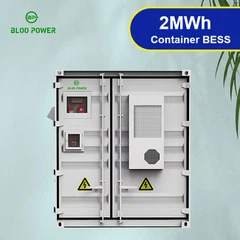
Based on the Enervis Q2/2026 current price scenario, forecast revenue for the full year 2026 is €164,600 per MW, approximately 9% higher than the average achievable revenue over the past 12 months. The energy storage parameters remain unchanged, and the model is based on battery storage with 1 MW power and 2 MWh capacity (2 hours), with a daily cycle limit of 1.5 times, a discharge depth of 90%, a technical availability of 97%, a round trip efficiency of 87%, and revenue sources including the intraday market, primary frequency regulation and secondary frequency regulation markets.
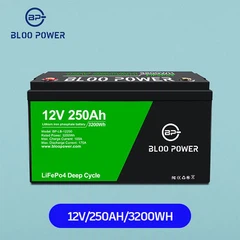
These modeled parameters closely match the performance characteristics of modern lithium battery for solar energy storage systems, especially 48v energy storage lifepo4 battery for solar configurations that offer excellent cycle life and thermal stability. Manufacturers such as BLOO POWER supply precisely this class of technology, enabling both residential and commercial operators to achieve high utilization rates under similar constraints.
|
Metric |
May 2026 Value |
Comparison |
Notes |
|
Monthly Revenue |
~€17,800 / MW |
+4% vs April 2026; –7% vs May 2025 |
Driven by solar and gas price spreads |
|
12-Month Average Monthly |
~€12,500 / MW |
- |
Annual equivalent ~€150,400 / MW |
|
2026 Full-Year Forecast |
€164,600 / MW |
+9% vs past 12-month average |
Q2/2026 price scenario |
|
Modelled System |
1 MW / 2 MWh (2 h) |
Daily cycles ≤1.5; DoD 90%; RTE 87% |
Availability 97% |
Broader Context of the German and European Solar Energy and Battery Storage Market
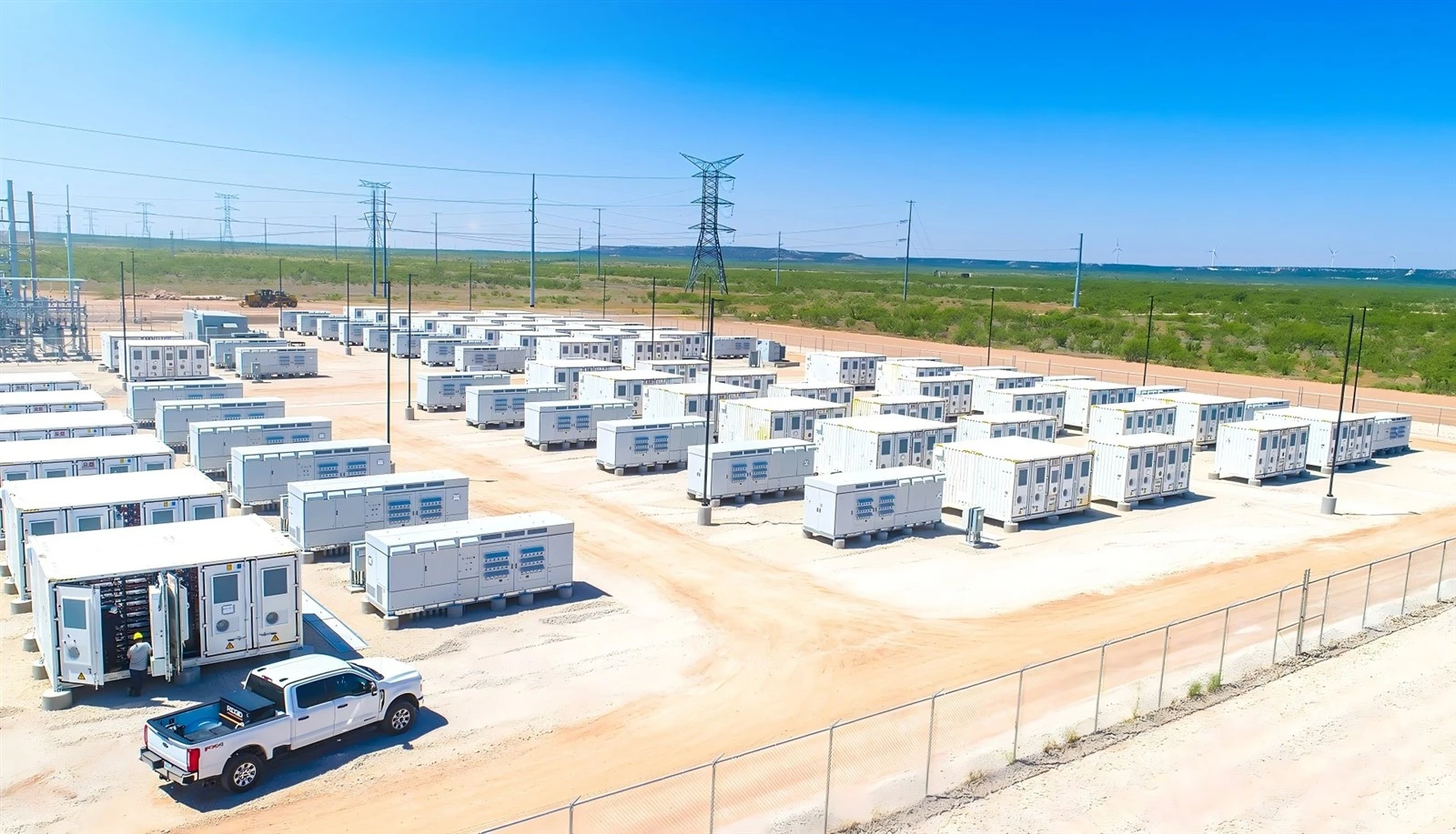
Germany continues to lead Europe in both large-scale and distributed battery deployment. By the end of 2025 the country hosted more than 2.5 GW of large-scale battery capacity-roughly a quarter of the EU total-and residential systems numbered well over one million. In the first quarter of 2026 alone, new battery storage capacity grew by 67% year-on-year to a record level, even as new solar installations moderated slightly. Analysts project European annual battery installations will exceed 50 GWh in 2026 and approach 138 GWh by 2030 under medium-growth scenarios.
Within this expanding solar energy and battery storage market, LiFePO4 chemistry has become the preferred choice for stationary applications because of its long cycle life (often 6,000–10,000 cycles), enhanced safety, and competitive cost. A 48v energy storage lifepo4 battery for solar is particularly popular in residential and small commercial settings due to its compatibility with standard hybrid inverters and ease of modular expansion. Commercial battery for solar energy storage solutions increasingly favor the same chemistry at higher voltage or parallel configurations to support multi-hour discharge and grid services.
Why Lithium Battery Technologies Dominate Revenue-Generating Applications
The revenue stack in Germany-comprising intraday arbitrage, Frequency Containment Reserve (FCR), and automatic Frequency Restoration Reserve (aFRR)-rewards batteries that can respond in seconds, maintain high availability, and sustain repeated daily cycles. Modern lithium battery for solar energy storage systems meet these requirements with round-trip efficiencies typically between 85% and 92% and depth-of-discharge capabilities of 90% or higher without significant degradation.
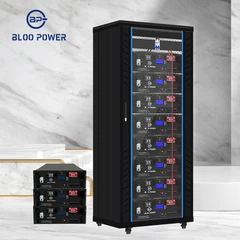
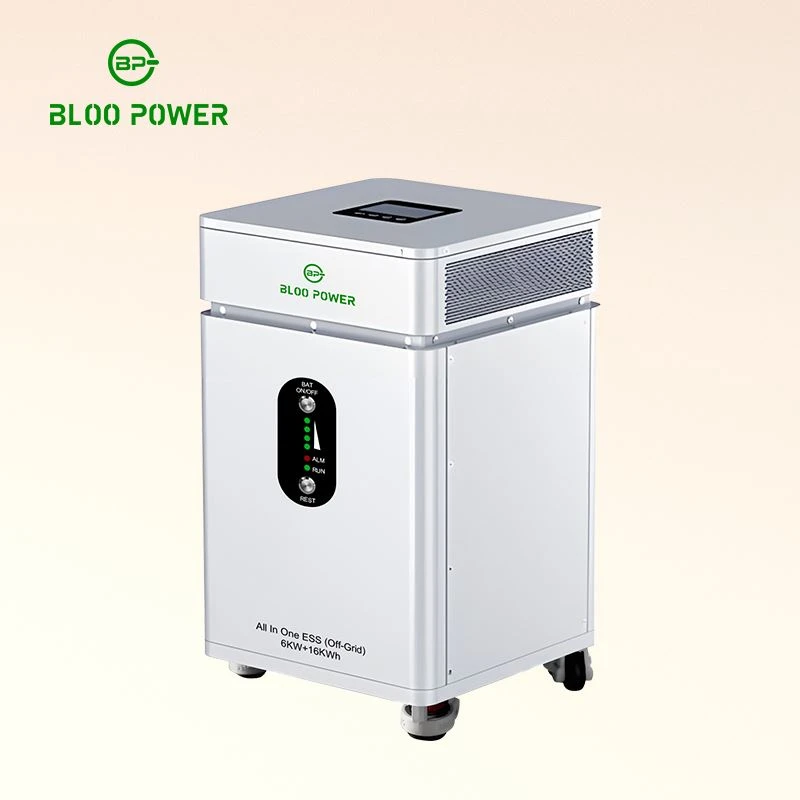
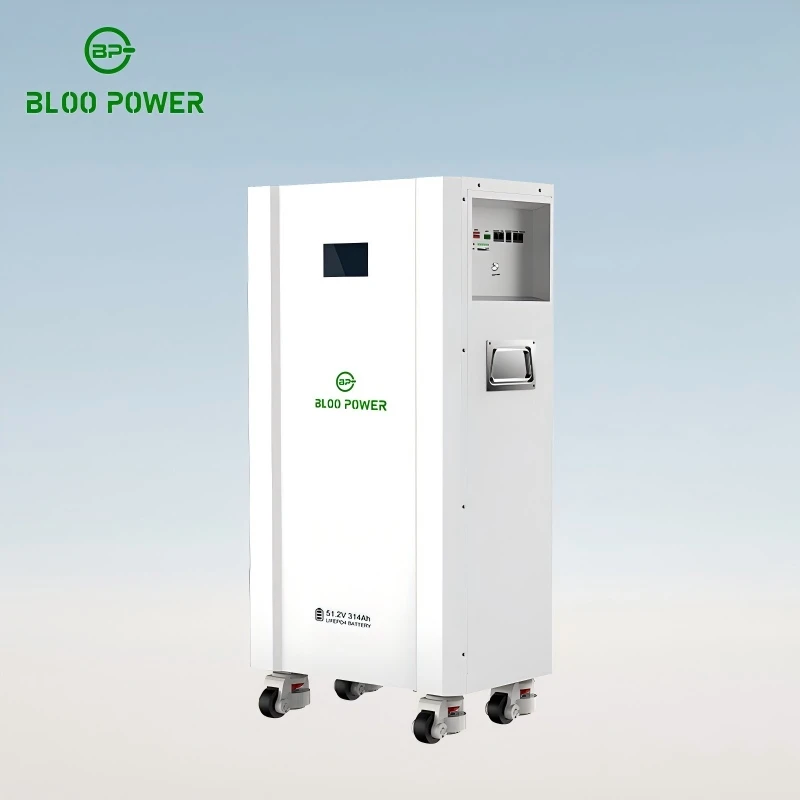
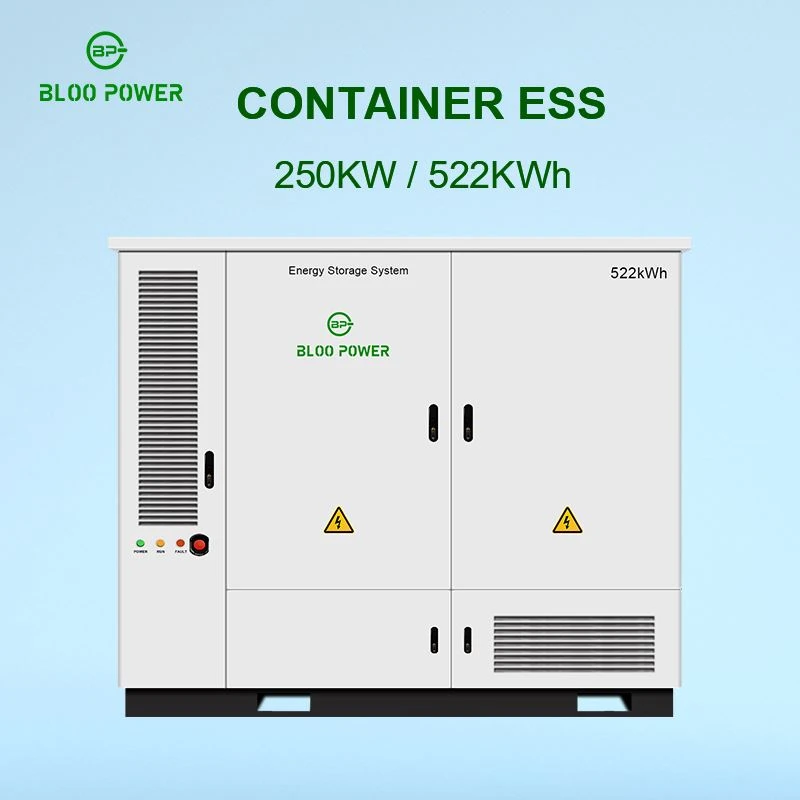
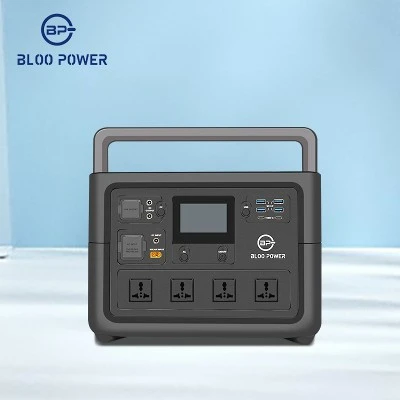
BLOO POWER, a specialist provider of home and commercial energy storage systems, offers a wide range of LiFePO4 products including wall-mounted, rack-mounted, and stackable 48 V modules that align closely with the technical parameters used in Enervis modeling. Their solutions support both pure solar self-consumption optimization and participation in wholesale and ancillary markets, making them relevant for operators seeking the best batteries for solar energy storage.
|
Battery Chemistry / Type |
Typical Cycle Life (at 80–90% DoD) |
Round-Trip Efficiency |
Common Voltage Configurations |
Suitability for German Market Revenues |
|
LiFePO4 (LFP) |
6,000–10,000+ |
87–92% |
48 V residential; higher for commercial |
Excellent – safety, longevity, cost |
|
NMC / NCA |
3,000–6,000 |
90–95% |
Higher energy density packs |
Good for space-constrained sites |
|
Lead-acid (legacy) |
500–1,500 |
70–85% |
48 V systems |
Limited – lower efficiency & life |
Seasonal Drivers and the Role of Photovoltaic Generation in Battery Economics
Strong photovoltaic output remains the dominant driver of summer revenue spikes. Midday solar surplus frequently pushes wholesale prices into negative territory, creating large spreads that batteries can exploit by charging at low or negative prices and discharging later. At the same time, forecast errors and rapid ramps increase intraday volatility, while reduced conventional plant availability (due to maintenance and heat-related derating) and lower wind output further widen the opportunity set.
In this environment, a well-designed battery for solar energy storage acts as both a price arbitrage tool and a grid-stabilizing asset. Systems equipped with advanced battery management systems (BMS) and accurate state-of-charge forecasting can maximize the 1.5 daily cycle limit assumed in the Enervis model while staying within the 90% depth-of-discharge and 97% availability constraints.
Outlook for Operators and Technology Providers
Looking ahead, Enervis' full-year 2026 forecast of €164,600 per MW suggests continued attractive returns for merchant and hybrid solar-plus-storage projects, even as ancillary service markets gradually saturate. Longer-duration systems (4-hour and beyond) are expected to capture a growing share of wholesale spreads, while 2-hour systems remain well suited to frequency regulation and shorter intraday opportunities.
Providers offering the best LiFePO4 batteries for solar energy storage applications-including modular 48v energy storage lifepo4 battery for solar products-are well positioned to serve both the residential self-consumption segment and the expanding commercial and utility-scale pipeline. BLOO POWER's portfolio of scalable LiFePO4 solutions, spanning residential wall-mounted units to larger commercial systems, exemplifies the technology that can deliver the performance parameters underpinning these revenue projections.
|
Revenue Component |
Typical Contribution in High-Solar Months |
Key Drivers |
|
Intraday / Spot Market Spreads |
High |
Negative prices from PV surplus; evening peaks |
|
Primary Frequency Regulation (FCR) |
Significant |
Elevated prices during system stress |
|
Secondary Frequency Regulation (aFRR) |
Notable |
Negative pricing opportunities |
|
Other Ancillary / Capacity |
Growing |
Grid congestion and flexibility needs |
As the solar energy and battery storage market continues its rapid expansion across Germany and Europe, the combination of strong summer solar-driven volatility and declining battery costs will keep high-quality lithium systems-particularly LiFePO4 configurations-at the center of profitable energy storage strategies.
Send Inquiry