












Massachusetts Government Signs Executive Order Setting Targets Of 10 GW Of New Energy And 5 GW Of Energy Storage By 2035
Apr 05, 2026
Leave a message
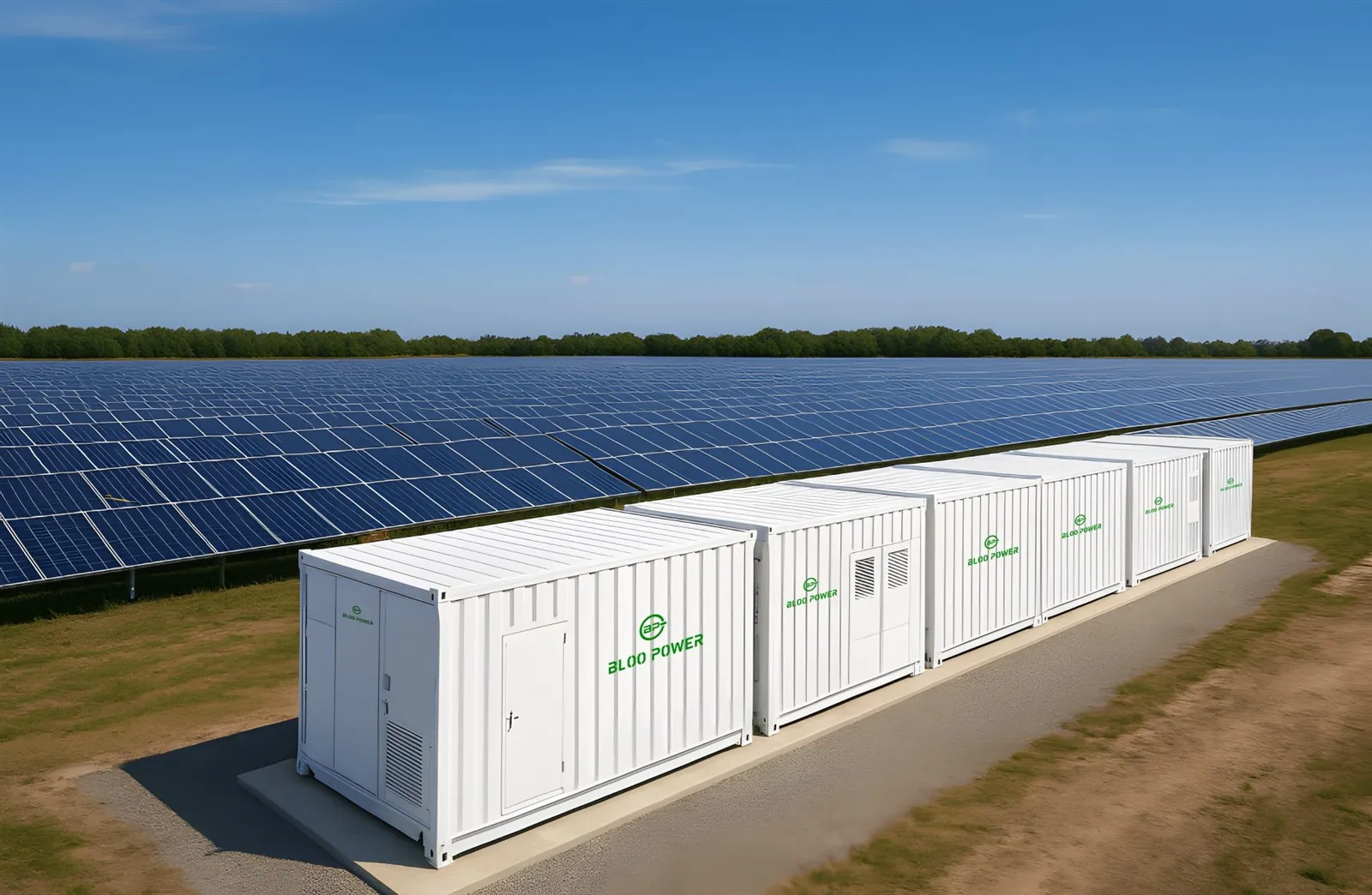
Massachusetts Governor Maura Healey has signed an executive order directing the state to support the development of 10 GW of energy resources by 2035, while also establishing a separate target of 5 GW for energy storage. This ambitious 10 GW new resource target includes 4 GW of solar energy and 3.5 GW of new electricity demand reductions-encompassing energy efficiency, virtual power plants, and electric vehicle charging management.
Battery energy storage technology for power systems is increasingly recognized as a critical enabler for integrating high levels of renewables, providing grid stability, and balancing supply and demand. Alongside conventional lithium-ion solutions, next-generation technologies such as li o2 and li s batteries with high energy storage capacity are attracting significant research interest due to their potential to deliver much higher energy densities than current lithium-ion batteries, which could dramatically improve both performance and cost-effectiveness for large-scale applications.
The executive order directs the state's Executive Office of Energy and Environmental Affairs to review and accelerate existing and planned initiatives aimed at supporting new solar, energy storage, and wind power resources, as well as to refine policies to reduce barriers to deployment. It also requires the state's Department of Public Utilities to assess existing oil and gas storage capacity and to coordinate with relevant stakeholders to determine how storage assets-such as the Everett Marine Terminal-can help meet regional energy supply needs.
When evaluating long-duration options, many experts compare hydrogen energy storage vs battery solutions. Hydrogen offers advantages for seasonal storage and very long-duration needs, while batteries typically provide faster response times and higher round-trip efficiency for daily cycling. Both technologies are expected to play complementary roles in achieving Massachusetts' clean energy goals.
Business and clean energy leaders within the state view the order as instrumental in building a more cost-effective and resilient clean energy system. For professionals looking to deepen their expertise, specialized course on battery energy storage system programs are now widely available, covering technical design, safety standards, grid integration, and economic modeling of modern storage projects.
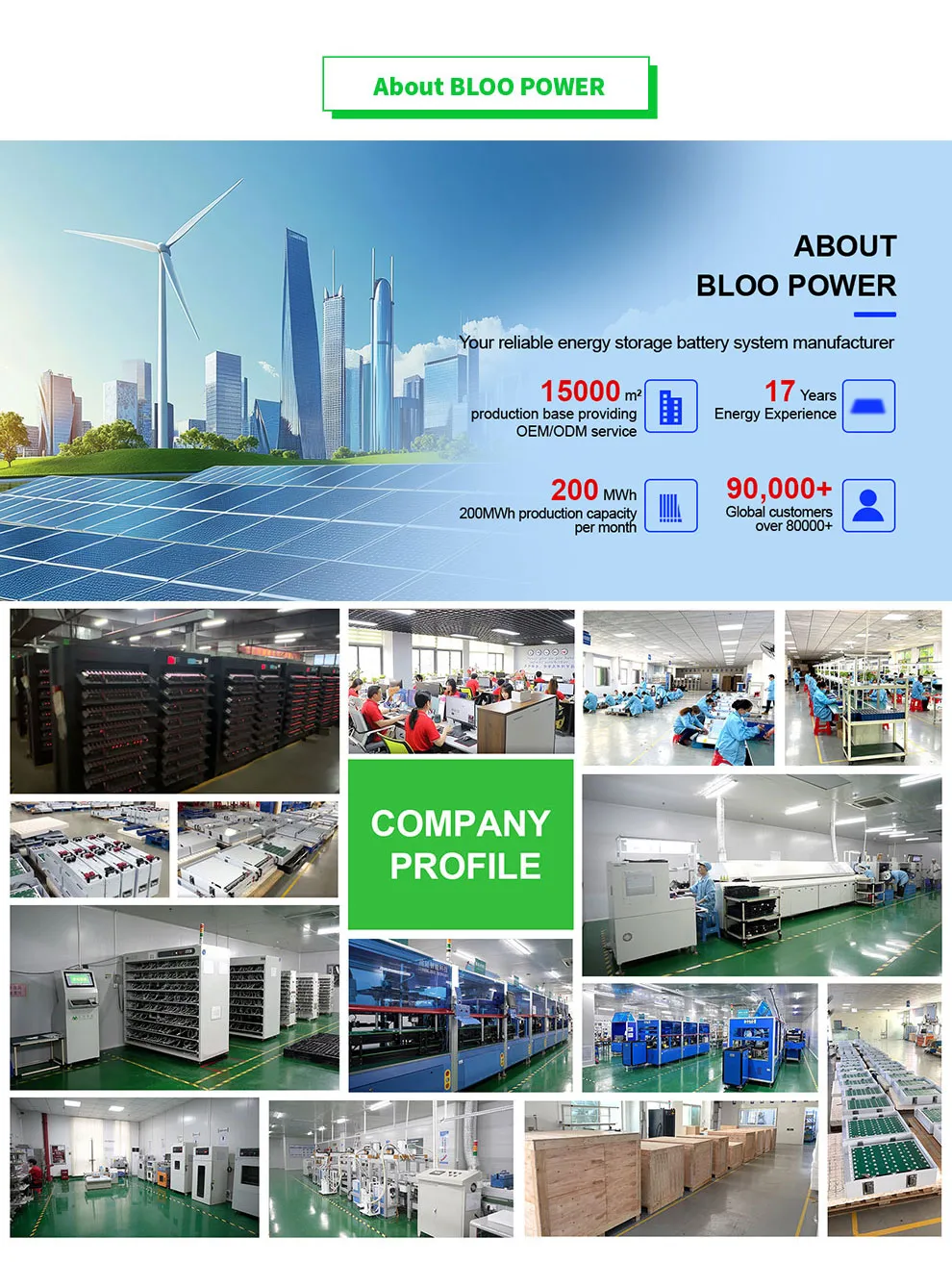
Critics, however, have argued that the policies outlined in the order will drive up energy costs. The Acadia Center, a clean energy advocacy group, praised the order for its prudent focus on fostering new clean electricity supplies, energy storage, grid interconnections, and demand-side flexibility measures. Companies like BLOO POWER, with extensive experience in advanced lithium battery systems, are well-positioned to support such state-level targets by delivering reliable, high-performance battery energy storage technology for power systems.
Send Inquiry