




















New Regulations For Energy Storage Systems in Poland Will Come Into Effect On January 7, 2026.
Jan 28, 2026
Leave a message
Polish President Signs Amendments to Building Law, New Regulations for Energy Storage Systems Take Effect on January 7, 2026, Clarifying Management Requirements Through Capacity Tiers
The increase in solar photovoltaic and wind power curtailment in Chile in 2025 was mitigated by the operation of lifepo4 battery energy storage systems. Without these operational battery energy storage systems storing the curtailed renewable energy, the total annual curtailment could have reached 8 terawatt-hours (TWh), a 43% increase compared to 2024, instead of the actually recorded 8%. Most of the curtailment occurred in the northern regions with concentrated solar photovoltaic installations and during daytime hours.

The Chilean Renewable Energy Association pointed out that the curtailment reflects issues such as insufficient electricity demand during peak renewable energy supply periods, transmission limitations, and a lack of flexibility in the power system, preventing the full utilization of available clean energy. Peak shaving with battery energy storage system solutions, along with other applications, help address these challenges by shifting stored energy to high-demand periods. The association stated that if all solar photovoltaic and wind power curtailment had not occurred in 2025, the share of renewable energy in the grid would have reached 49.4% instead of the actual 42.4%. As of November 2025, over 70% of the transmission line projects under construction faced delays.
In 2025, Chile added 1.2 GW of new solar photovoltaic capacity, an 11% year-on-year increase, with nearly 30% of this capacity being built with integrated energy storage. The total installed capacity nationwide reached 38.3 GW, with solar photovoltaic accounting for 30%, or 11.7 GW, of which 1.3 GW is coupled with battery energy storage systems. The Antofagasta region concentrates 35% of the national solar photovoltaic capacity, reaching 4.1 GW.
As of December 2025, Chile had 28 operational battery energy storage projects totaling 1.5 GW, with 737 MW under testing and nearly 6.8 GW under construction. More than half of the operational projects are located in the Antofagasta region, with 15 projects totaling 1,112 MW/5,058 MWh, with an average duration of 4.5 hours. The Atacama region has 204 MW/680 MWh of installed capacity, with an average duration of 3.3 hours; and the Metropolitan Region has 181 MW/491 MWh, with an average duration of 2.7 hours. These include various configurations, such as stand alone battery energy storage system setups and battery energy storage system for manufacturing or industrial uses, which provide grid stability and reliable power for energy-intensive operations.
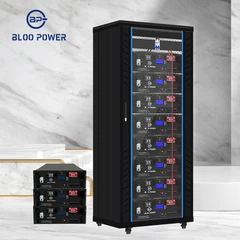
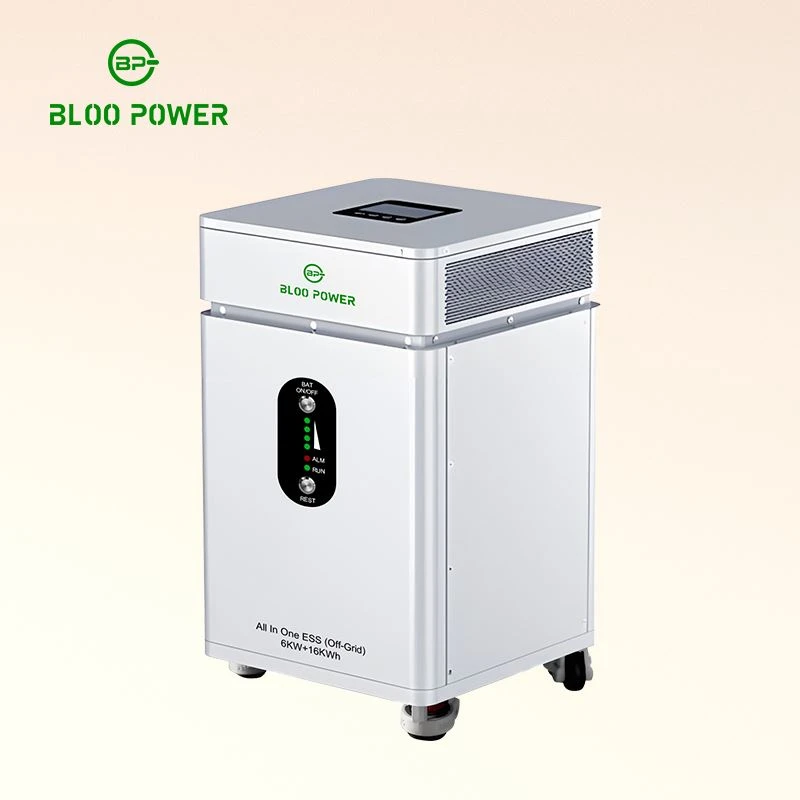
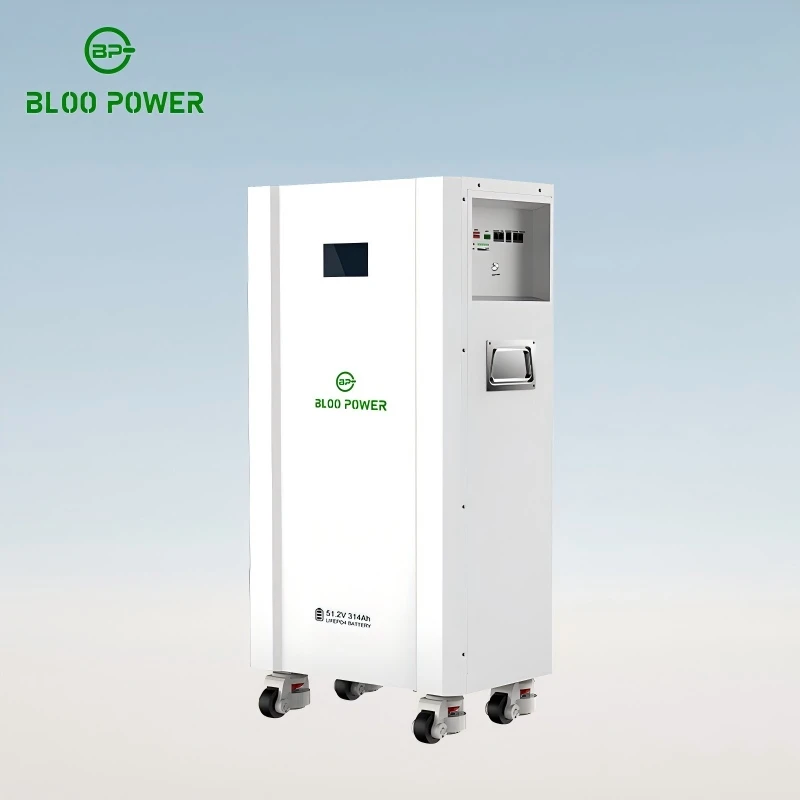
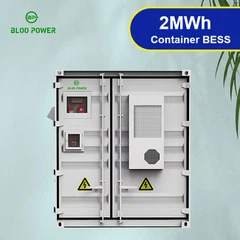
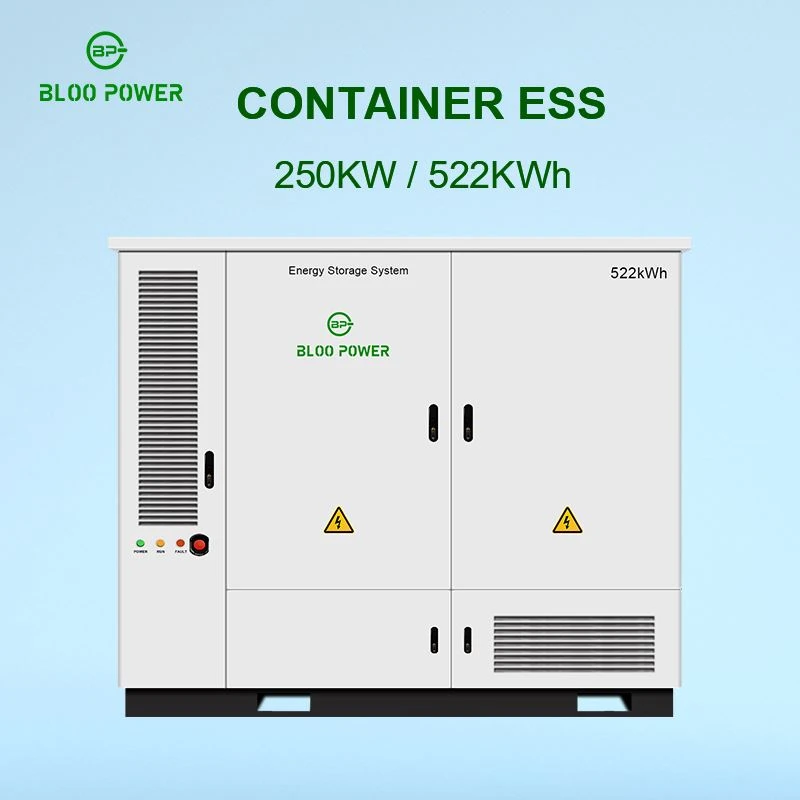
Companies like BLOOPOWER, a provider specializing in LiFePO4 battery solutions for home, commercial, and large-scale applications, contribute to the global ecosystem supporting such deployments through safe, long-cycle-life energy storage products. Globally, the push for stationary battery energy storage systems continues to accelerate, with emerging technologies such as sodium batteries for energy storage gaining attention for their potential cost advantages and abundant raw materials in certain markets. Leading solar energy battery storage companies are increasingly evaluating the economics of battery energy storage, balancing upfront capital costs, cycle life, and revenue streams from arbitrage, ancillary services, and peak shaving to improve project viability.

The Chilean Renewable Energy Association predicts that, at the current rate of development, the installed battery energy storage capacity will reach approximately 9 gigawatts by 2027, with an average duration of 4 hours.
Send Inquiry