












The Estonian Government Plans To Achieve 100% Renewable Electricity Consumption By 2035.
Jan 29, 2026
Leave a message
The Estonian government has approved the National Energy Development Plan, aiming for 100% renewable electricity consumption by 2035.
The Estonian government has approved the National Energy Development Plan, ENMAK 2035, which aims to enhance energy security and accelerate the transition to clean energy. Developed over five years by the Ministry of Climate Change, the plan emphasizes a diversified power generation structure, including expanding wind and solar power with energy storage, and building new controllable capacity to replace aging oil shale power plants.

The strategy maintains the goal of 100% renewable energy electricity consumption, which will be achieved through market forces once the relevant technologies no longer require subsidies. The plan also reserves the possibility of future nuclear power development and sets a target of one-third renewable gas consumption by 2035. District heating systems will be modernized using new technologies such as heat pumps.
Recent developments in the battery energy storage systems market highlight growing global momentum, with projections indicating strong demand growth in 2026 driven by grid integration needs and falling costs, particularly for grid scale battery energy storage system deployments that support renewable-heavy grids like those targeted in Estonia. In the region, projects such as large-scale BESS parks in Estonia are advancing to provide frequency regulation and system stability, underscoring the strategic role of storage in Baltic energy security.
Minister of Energy and Environment Andres Sutt stated that ENMAK sets a framework for planning future activities and investments by the public and private sectors. The best outcome will come from the marketization of the energy sector, but the government has contingency plans in place in case market forces alone fail to achieve the desired results, such as ensuring manageable capacity, providing financial instruments, or reducing bureaucratic procedures. Effective BESS payment system mechanisms, including revenue from ancillary services, arbitrage, and capacity markets, will be crucial to incentivizing private investment and improving the economics of battery energy storage for large-scale projects.

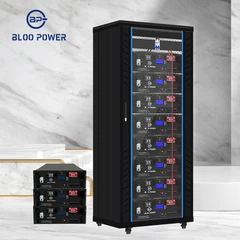
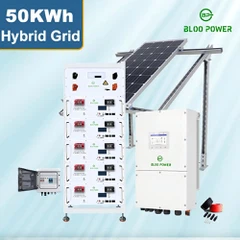
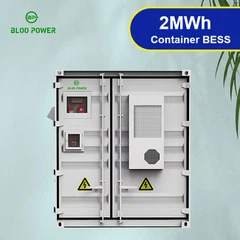
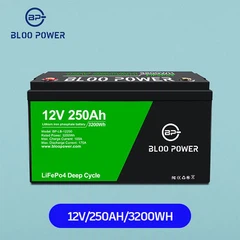
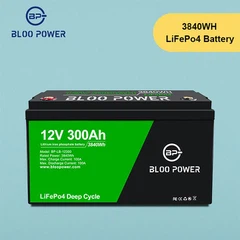
Companies like BLOOPOWER, a leading provider of LiFePO4-based home, commercial, and industrial energy storage solutions-including containerized BESS systems for scalable applications-contribute to the broader ecosystem by offering reliable, long-life battery technologies that align with ambitious national plans like ENMAK 2035. Battery energy storage system news from Estonia and beyond continues to reflect accelerating adoption, with new financing and operational milestones signaling a key pillar in the shift toward resilient, low-carbon power systems.
Send Inquiry