




















New Regulations in The Dominican Republic Require 50% Energy Storage Capacity For Renewable Energy Projects Ranging From 20 To 200 Megawatts.
Jan 31, 2026
Leave a message
New regulations in the Dominican Republic require 50% energy storage for renewable energy projects with capacities between 20 and 200 MW, but the lack of a clear critical service compensation mechanism has raised investor concerns.
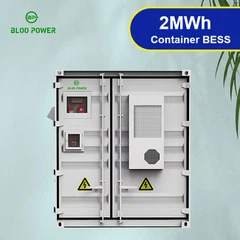
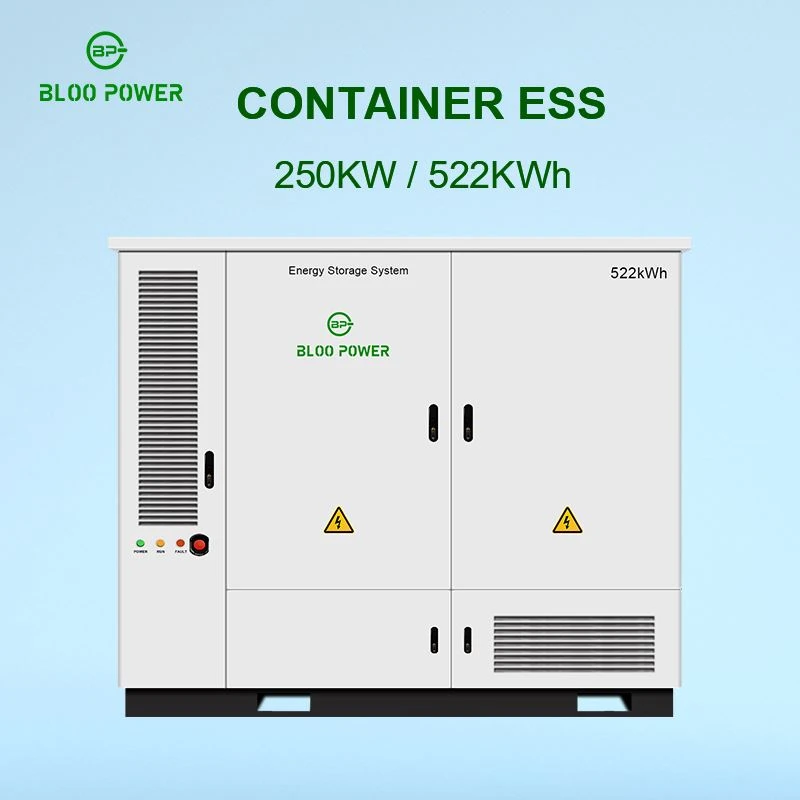
The Dominican Republic's Electricity Regulatory Authority recently issued Resolution SIE-178-2025-MEM, introducing new regulations for the grid connection of battery storage systems to renewable energy projects connected to the national grid. This represents a significant step for utility scale battery energy storage systems in the region. The rule requires renewable energy projects with an installed capacity between 20 and 200 MW to be equipped with an energy storage system equivalent to 50% of their installed capacity for at least four hours. Projects exceeding 200 MW will be subject to case-by-case assessment by the National Energy Commission. The new regulations impose stringent operational standards on battery storage systems, including grid-connected operation capabilities and the ability to independently establish voltage and frequency without external references. These advanced capabilities demand sophisticated bess power system analysis from the outset to ensure stability and compliance.

The system must also be able to dampen oscillations, perform black starts, and respond to rapid weather fluctuations. Under planned operating conditions, the ramp rate is limited to 25% of rated power per hour, and to 10% per minute during sudden changes in renewable energy availability. Furthermore, energy storage systems must provide 100% of rated power within 5 minutes, with a response time of up to 200 milliseconds. The industry generally acknowledges the technical necessity of these requirements, but the main criticism focuses on the economic aspects of the new regulations. Mandating the integration of battery systems will significantly increase capital expenditures and operating costs for renewable energy projects; however, the resolution does not establish a compensation mechanism, such as recognizing solar energy credits battery storage systems 2025 could generate, for the services already mandated. The lack of clear price signals creates uncertainty for developers and investors.
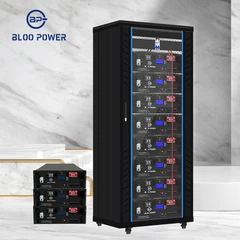
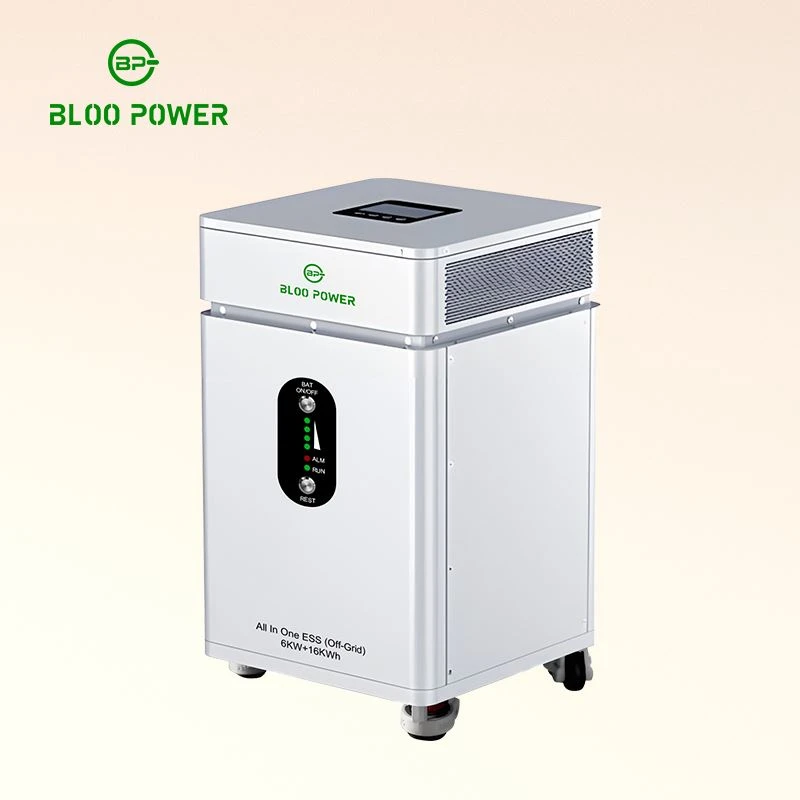
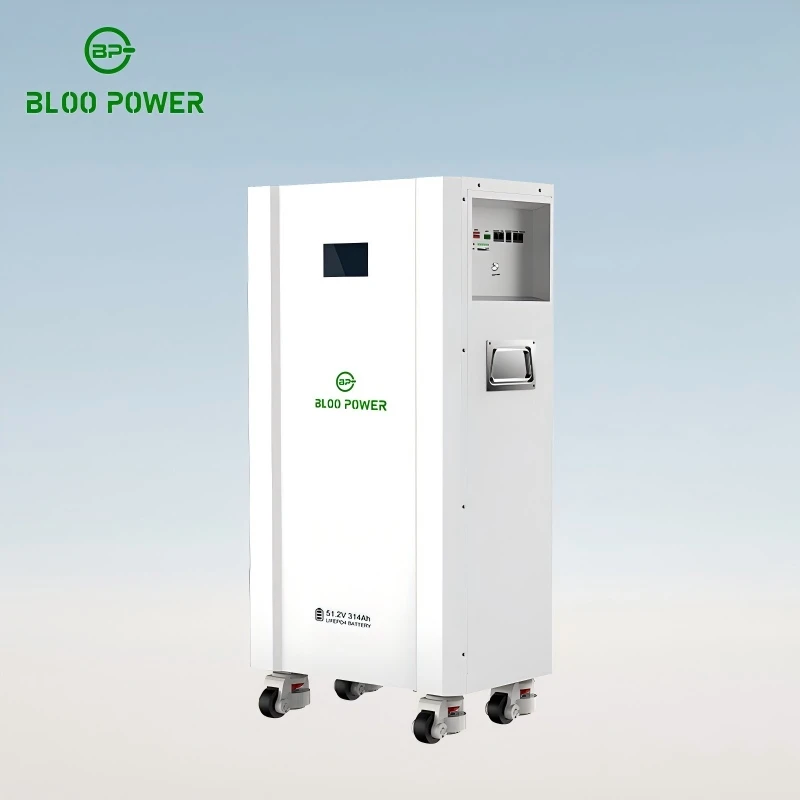
Meanwhile, the Electricity Regulatory Authority also issued Resolution SIE-164-2025-MEM, clarifying the authorization procedures for the installation of battery energy storage systems, covering aspects from site planning to physical infrastructure like cable tray for battery energy storage system bess. From a technical perspective, the new framework brings the Dominican Republic closer to other Latin American markets that have made progress in energy storage integration, but the key difference lies in the economic approach. The industry consensus is that without economic justification for the services batteries provide to grid stability, large-scale energy storage deployment may slow down. Companies like BLOOPOWER, which specialize in delivering integrated, compliant storage solutions, are closely monitoring these regulatory developments to align their offerings with both the technical mandates and the evolving economic landscape.

Send Inquiry