




















Germany Simplifies Tax Filing Process For Small Photovoltaic And Energy Storage System Operators
Jan 17, 2026
Leave a message
German Solar Industry Association Welcomes Electricity Tax Law Amendments, Simplifying Tax Filing for Small Photovoltaic and Energy Storage System Operators
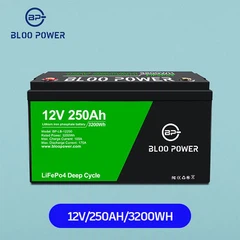
The German Solar Industry Association (Bundesverband Solarwirtschaft e.V.) has welcomed the amendments to the electricity tax law passed by the Bundestag, a development widely covered in recent battery energy storage system news across Europe. The revised legislation represents a major step toward simplifying administrative procedures for operators of small photovoltaic systems, charging infrastructure, and energy storage assets, including projects based on energy storage system lithium battery technologies. For the first time, the amendments establish a uniform, cross–electricity tax law framework for such facilities and formally recognize bidirectional charging as part of the regulatory system.

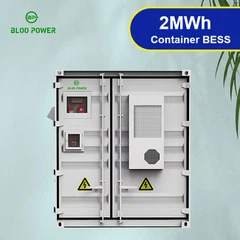
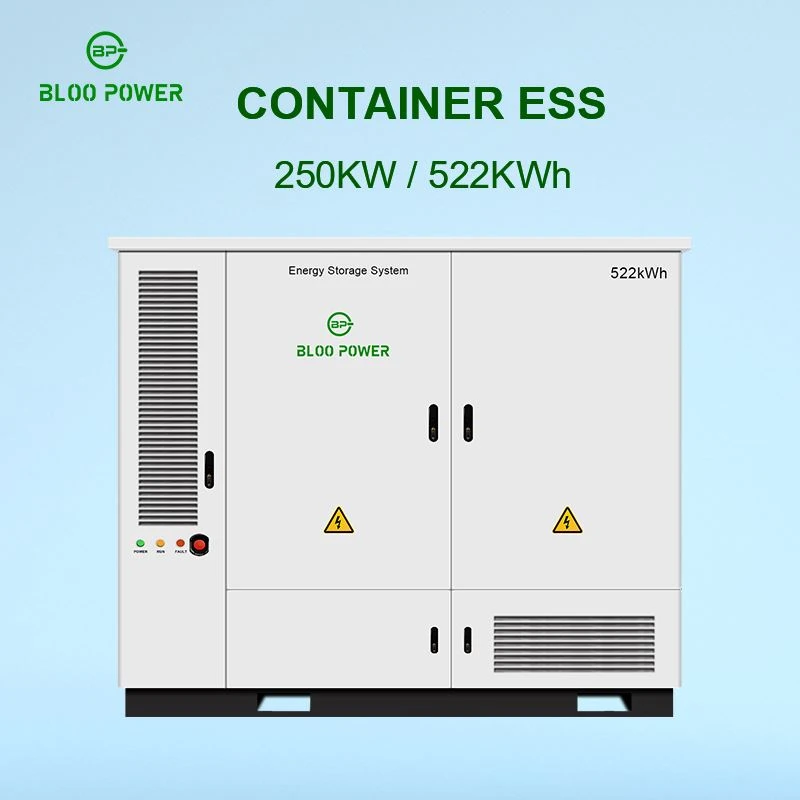
The association also praised the newly approved building code exemption for battery storage systems, a long-standing request from the solar and storage industry. This exemption particularly benefits modular installations such as containerized battery energy storage system solutions, which are increasingly deployed at commercial and industrial sites. With the electricity tax law amendments entering into force, significant restrictions will be applied to the traditional supplier concept. The association views this shift positively, as it reduces administrative burdens for photovoltaic and storage operators. In the future, operators of full-feed-in photovoltaic systems with a rated output above 2 megawatts will no longer be classified as electricity suppliers, eliminating the need for annual declarations of tax-exempt electricity quantities in many cases.
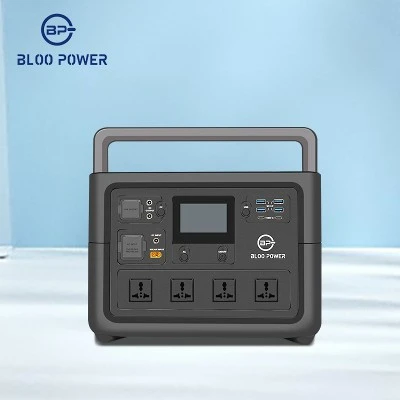
According to the association's CEO, the main customs office will now play a central role in implementing these simplifications in practice. Smaller photovoltaic and battery operators that supply electricity directly to end-users outside the public grid can, in many cases, be entirely excluded from supplier status. This also applies to on-site electricity sharing between multiple operators. A new general exemption for electricity used in generation at wind farms and photovoltaic power plants will be introduced without the need for formal permits, supporting self-consumption models that increasingly rely on the best li ion battery for solar energy storage to maximize on-site energy utilization while minimizing energy losses in battery storage.
The amendments also introduce a unified definition of facilities under electricity tax law, based on the same operator, technology, and location. Importantly, cross-site facility linking for installations up to 2 megawatts under the same direct marketer will be abolished. This change is particularly attractive for commercial solution providers operating multiple small and medium-sized installations, where prior regulations often highlighted the disadvantages of battery energy storage systems from a compliance and cost perspective rather than a technical one. The updated rules also enable electricity tax exemptions for charging parks directly connected to large photovoltaic or wind power plants exceeding 2 megawatts.

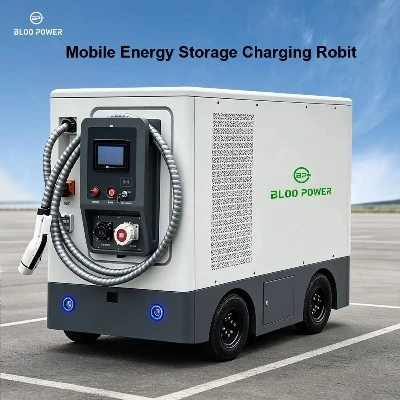
Finally, the association strongly supports the future provisions that improve the regulatory treatment of energy storage. Multi-purpose battery systems will receive partial electricity tax exemptions when feeding stored power back into the grid. It has now been clearly clarified that electricity originally exempt from tax remains tax-exempt after storage, eliminating the risk of unintended double taxation. This clarification is particularly important for advanced storage developers such as BLOOPOWER, which focus on integrated solar-plus-storage and bidirectional charging solutions. The simplified classification of charging stations as end-users, combined with explicit recognition of bidirectional charging, further strengthens the investment environment for next-generation battery energy storage across Germany.
Send Inquiry