




















How Is Energy Storage Expanding in The United States? Policy And Regulatory Developments.
Oct 07, 2026
Leave a message

U.S. Energy Storage Capacity Reaches New Heights in Q2 2026
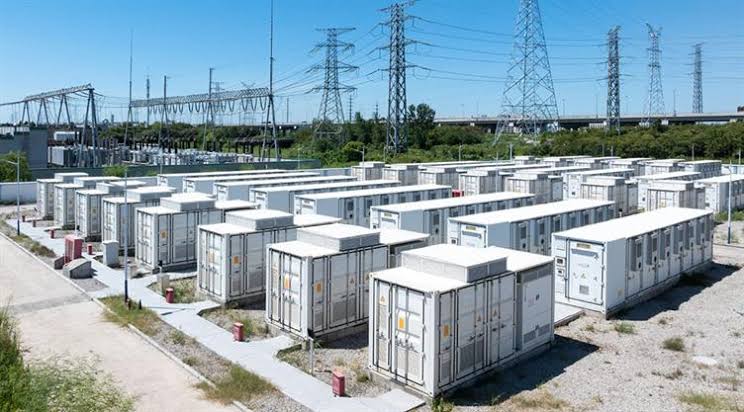
In the second quarter of 2026, the United States added 20.2 GWh of energy storage capacity, corresponding to a continuous power output capability of 6.7 GW. According to the Q3 2026 Energy Storage Market Outlook report released by the Solar Energy Industries Association (SEIA) and Benchmark Mineral Intelligence, the country's cumulative installed energy storage capacity has reached 165 GWh-doubling the figure from just 18 months ago. Driven by accelerated installation rates and sustained demand growth, the two organizations raised their forecast for new US energy storage installations in 2026 to 71 GWh (a 20% increase over the 59 GWh recorded in 2025) and increased the cumulative installation target for 2030 to 683 GWh. This rapid expansion highlights the central importance of the BESS battery energy storage system as a cornerstone of grid reliability and renewable integration.
Grid-Scale Deployments Dominate Quarterly Additions
Of the 20.2 GWh added in the second quarter, grid-scale installations accounted for approximately 18 GWh, with Arizona, California, Utah, and Texas each deploying more than 2.5 GWh. Arizona alone recorded a historic 6.2 GWh, the strongest single-state quarterly performance on record. Commercial and industrial (C&I) installations added 1.8 GWh, while the residential sector added 657 MWh. During the quarter, 44% of energy storage capacity was co-located with solar PV, with the remainder deployed as standalone systems. C&I installations set a quarterly record, rising over 52% year-over-year, primarily driven by rapidly expanding demand for energy storage at data centers. Residential installations fell by 27% year-over-year; analysts attribute this decline to a rush of installations prior to the expiration of the 25D tax credit at the end of 2025, followed by a subsequent drop-off in deployment. These trends reinforce the growing market for high-performance lithium battery for 2C energy storage system market applications that support frequent, high-power cycling.
U.S. Energy Storage Installations by Segment – Q2 2026
|
Segment |
Capacity Added (GWh) |
Share of Total |
Year-over-Year Change |
|
Utility-scale (grid-scale) |
~18.0 |
~89% |
Strong growth |
|
Commercial & Industrial |
1.8 |
~9% |
+52% |
|
Residential |
0.657 |
~3% |
–27% |
|
Total |
20.2 |
100% |
Record quarter |
Source: SEIA / Benchmark Mineral Intelligence, Q3 2026 Energy Storage Market Outlook.
Policy and Regulatory Developments Supporting Further Expansion
The report also covers key policy developments from the first half of the year, including Illinois' Clean and Reliable Grid Affordability Act, which sets a target of deploying 3 GW of energy storage by 2030, and Virginia's updated statutory targets requiring the addition of 16.78 GW of short-duration storage by 2040 and 4.52 GW of long-duration storage by 2045. The U.S. Federal Energy Regulatory Commission (FERC) required six major regional grid operators and their transmission owners to either justify the fairness and reasonableness of existing electricity rates-given the lack of specific provisions for large-load customers-or propose modifications; the relevant responses were submitted on August 17 and have entered the review process. These measures are expected to further accelerate deployment of BESS battery energy storage system projects nationwide.
Rising Importance of Hazard Assessment for Lithium-Ion Systems
As cumulative capacity scales rapidly, the industry places increasing emphasis on the hazard assessment of lithium ion battery energy storage systems. Thermal runaway remains the primary concern, potentially leading to fire, explosion, or release of toxic gases. International standards such as IEC 62933-5-2 and UL 9540A provide structured frameworks for risk identification, mitigation analysis, and system-level safety evaluation. Best practices include robust battery management systems (BMS), adequate separation distances, advanced detection and suppression systems, and comprehensive hazard mitigation analyses performed early in project design. Utilities and developers now routinely incorporate these assessments to ensure that large-scale installations meet evolving code requirements and insurance expectations.
Growth in High-Rate and Modular Battery Technologies
Parallel to utility-scale expansion, demand continues to rise in the lithium battery for 2C energy storage system market. Batteries capable of sustained 2C charge/discharge rates enable faster response for frequency regulation, peak shaving, and data-center backup applications. Market analyses project this segment will expand significantly through the early 2030s, driven by the need for high-power density solutions that complement longer-duration systems. Manufacturers are responding with lithium iron phosphate (LiFePO4) chemistries optimized for both energy and power performance while maintaining superior thermal stability compared with higher-nickel alternatives.
Popular Modular Solutions: 48V 50Ah Lithium Battery Pack Energy Storage
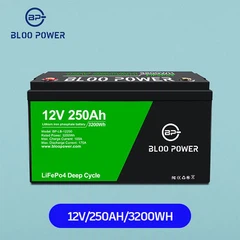
In the distributed and C&I segments, the 48V 50Ah lithium battery pack energy storage configuration has become a widely adopted modular building block. Typical units deliver approximately 2.4–2.56 kWh of usable energy, support continuous discharge currents of 50 A (with higher peak capability), and offer cycle lives exceeding 5,000–6,000 cycles at 80% depth of discharge. These packs are frequently deployed in parallel or series arrangements for residential solar storage, telecom backup, light electric vehicles, and small commercial systems. Their compact size, integrated smart BMS, and compatibility with common inverters make them an attractive option for scalable installations.
Advantages of Lithium Deep Cycle Battery Technology
The shift toward lithium deep cycle battery technology continues to displace traditional lead-acid solutions across residential and commercial applications. Lithium deep cycle batteries, particularly LiFePO4 variants, deliver higher usable capacity (often 80–100% depth of discharge versus ~50% for lead-acid), longer cycle life, faster charging, lower weight, and minimal maintenance. These characteristics translate into lower total cost of ownership and greater reliability for daily cycling in solar-plus-storage systems and off-grid applications.
Manufacturing and Supply Chain Progress
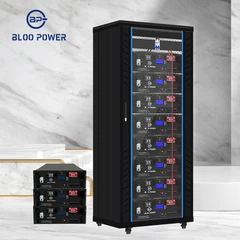
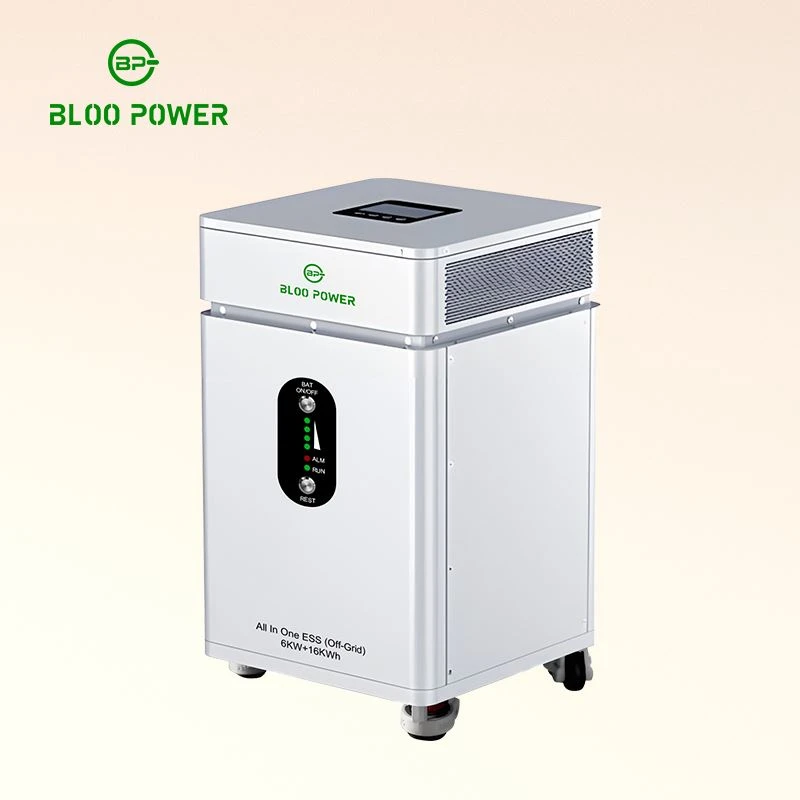
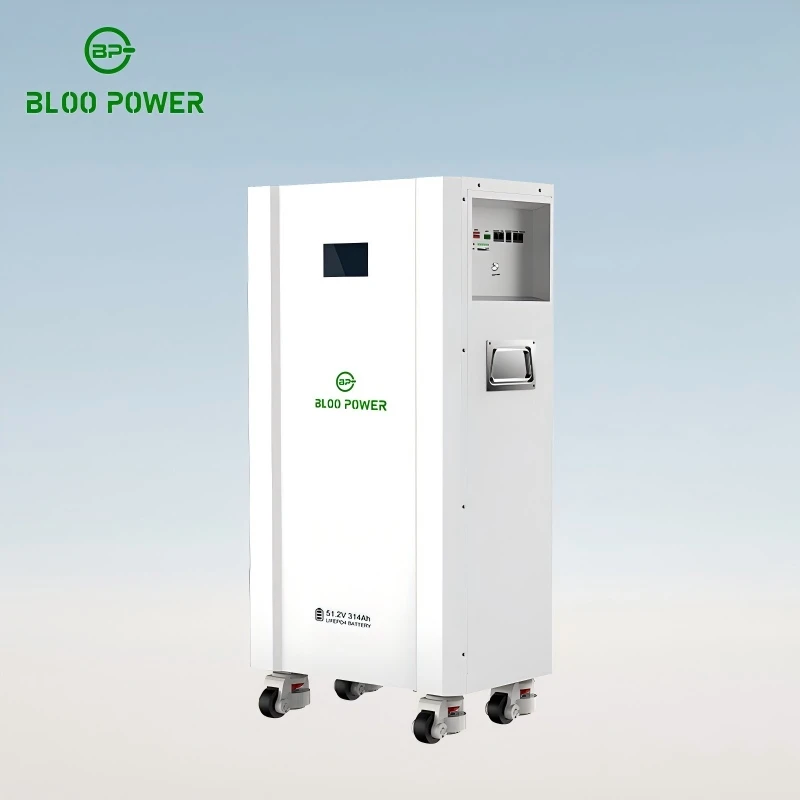
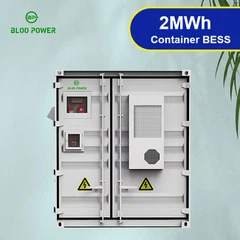
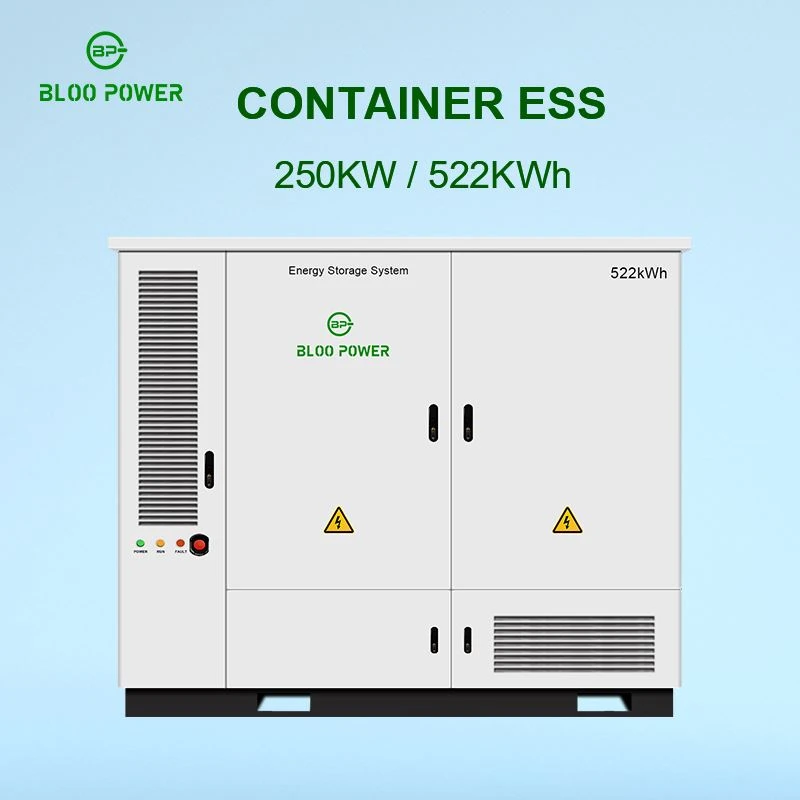
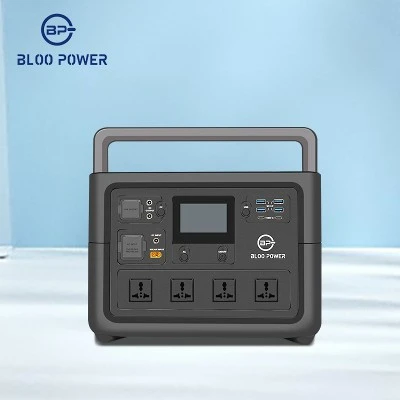
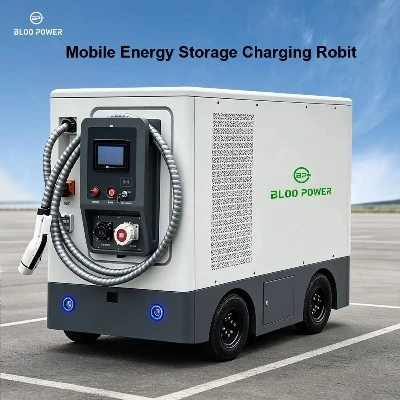
Domestic manufacturing capacity also advanced in Q2 2026, with the opening of new battery cell facilities in Ohio and Tennessee and a 50 GWh module facility in Texas. Combined cell and module capacity reached record levels, supporting greater domestic content in deployed systems. Companies such as BLOO POWER, a specialized manufacturer of LiFePO4 home and commercial energy storage solutions, continue to expand product portfolios that include rack-mounted, wall-mounted, and containerized systems ranging from residential-scale packs to multi-hundred-kWh C&I units. Their offerings emphasize long cycle life (often 6,000+ cycles), independent BMS architectures, and certifications including UL 1973 and IEC 62619, aligning with growing market requirements for safety and performance.
Representative Specifications of Common 48V Lithium Battery Packs
|
Parameter |
Typical Value (LiFePO4 48V 50Ah) |
Notes |
|
Nominal Voltage |
51.2 V |
- |
|
Nominal Capacity |
50 Ah |
~2.56 kWh |
|
Continuous Discharge |
50 A |
Higher peak available |
|
Cycle Life (80% DoD) |
5,000–6,500+ |
At recommended rates |
|
Operating Temperature |
Charge 0–55 °C; Discharge –20–60 °C |
With optional heating |
|
Communication |
CAN / RS485 / Bluetooth |
Common |
|
Weight (approx.) |
20–35 kg |
Varies by enclosure |
Sources: Manufacturer datasheets for commercial 48V 50Ah LiFePO4 packs.
Longer-Duration Systems and Future Outlook
National average system duration increased notably, reflecting a broader move toward longer-duration resources for resource adequacy. Industry forecasts now project cumulative U.S. energy storage capacity approaching or exceeding 683 GWh by 2030 under the revised SEIA/Benchmark outlook, with continued strong contributions from both co-located solar-plus-storage and standalone BESS battery energy storage system projects. Emerging long-tail demand areas include grid-scale lithium-ion BESS safety standards, high C-rate lithium batteries for energy storage applications, residential 48V lithium iron phosphate battery packs, deep cycle LiFePO4 batteries for solar energy storage, and commercial and industrial battery energy storage system manufacturers.
Selected State-Level Utility-Scale Deployments – Q2 2026
|
State |
Approximate Capacity Added (GWh) |
Key Notes |
|
Arizona |
6.2 |
Record single-state quarter |
|
Texas |
3.8 |
Strong standalone growth |
|
California |
3.6 |
Significant co-located projects |
|
Utah |
>2.5 |
Gigawatt-scale project contribution |
|
Others |
Remaining balance |
Broadening geographic spread |
Source: Aggregated from SEIA / Benchmark and industry reporting.
Conclusion: Safety, Performance, and Scale Drive the Next Phase
The record Q2 2026 results confirm that energy storage has transitioned from a niche technology to essential grid infrastructure. Continued attention to the hazard assessment of lithium ion battery energy storage systems, expansion of the lithium battery for 2C energy storage system market, and widespread adoption of reliable modular products such as the 48V 50Ah lithium battery pack energy storage and lithium deep cycle battery solutions will be critical. Manufacturers including BLOO POWER are well-positioned to supply safe, high-performance systems that meet both utility-scale and distributed needs as the United States advances toward its elevated 2030 capacity targets.
Send Inquiry