












How To Build A Battery Energy Storage in Massachusetts US?
Jun 01, 2026
Leave a message


Massachusetts' Distributed Solar Potential Reaches 92 GW; Paired Storage Could Meet 2050 Peak Demand
A report by the Applied Economics Clinic indicates that Massachusetts possesses a distributed photovoltaic (PV) technical potential of 92 GW-approximately four times the state's projected peak electricity demand for 2050. As the electrification of the building and transportation sectors advances, peak electricity demand is expected to double by 2050, reaching 24 GW. "Behind-the-meter" resources-such as rooftop and carport PV systems paired with battery energy storage system for home solutions-can meet this growing demand; if storage is paired at a ratio of 0.4, it would yield a storage capacity of 40 GW, equivalent to 165% of the projected 2050 peak demand.
Leading BESS battery storage system manufacturer companies are now offering advanced lithium ion polymer battery technology that enhances both performance and safety. Currently, only 157 MW of behind-the-meter storage has been installed in the state. The report identifies project design-rather than technology itself-as the primary obstacle. Grid interconnection presents a critical challenge for developers; while hundreds of systems enter the queue annually, very few receive timely authorization. Traditional cost-attribution models, which require project owners to bear the full cost of grid upgrades, hinder the advancement of behind-the-meter projects. Although the Department of Public Utilities has introduced an interim cost-sharing mechanism, projects that do not meet specific utility standards continue to face prohibitively high barriers.
High upfront costs have resulted in extremely low participation rates among low-income and environmental justice communities. The average cost of a 5 kW PV system is $15,510, while a 13 kWh energy storage system averages $21,970. Modern systems increasingly incorporate battery energy storage system fire suppression features to address safety concerns, particularly in residential installations. Existing incentive programs-such as SMART and ConnectedSolutions-offer only performance-based payments and do not cover initial installation costs. The report puts forward 23 policy recommendations, including setting a target of 50% participation within environmental justice communities, providing upfront subsidies for low-income households, and reinstating storage incentives for small-scale systems.

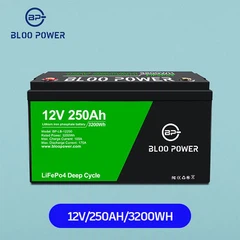
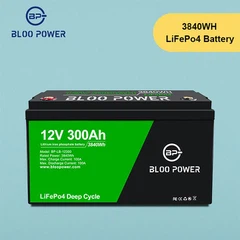
Innovative providers like BLOO POWER are helping to drive adoption by delivering reliable, safe, and cost-effective residential storage solutions. Distributed energy resources can reduce the need for transmission and distribution upgrades, lower wholesale electricity prices, and provide backup power for critical facilities such as hospitals.

About Energy Storage Solutions
Efficient energy storage makes energy management smarter and electricity costs more controllable. Looking to create a customized energy storage solution for your project or home? Contact us to unlock a new era of smart energy.
Send Inquiry