




















How To Select A Suitable Large-Scale Energy Storage System From Chinese Manufacturers For The US Market?
Jun 19, 2026
Leave a message

Most U.S. states continue to face significant regulatory obstacles for solar-plus-storage projects, primarily due to outdated interconnection procedures that slow down clean energy integration. A report from the "Freeing the Grid" initiative, a collaborative effort by the Interstate Renewable Energy Council (IREC) and Vote Solar, highlights how "one-size-fits-all" grid capacity assessments are impeding deployment.
Interconnection Rules Evaluation and State Performance
The initiative assessed distributed energy resource interconnection rules across 10 categories using 56 criteria in a 63-point grading system. Most states lack modernized procedures. New Mexico earned the only "A" grade, while states like Arizona and California received "B" grades. Sixteen states scored "C," 14 received "D," and 13-including Alabama and Alaska-got "F" for lacking standardized statewide rules.
Bottlenecks in Solar-Plus-Storage Projects
For solar-plus-storage projects, a major issue is utilities evaluating grid impact using the system's gross nameplate capacity instead of actual output capacity. This leads to unnecessary delays and project cancellations.
BATRIES Toolkit Recommendations for Output-Based Modeling
The BATRIES project, a collaboration between IREC and the Energy Storage Interconnection Committee, offers a toolkit promoting the use of "output capacity" definitions. It supports power control systems certified under the UL 1741 standard, enabling modeling based on programmed output limits. Small inverter-based systems (nameplate under 50 kW, controlled output under 25 kW) qualify for streamlined processes, while larger assets use "15% of peak line load" screening based on output capacity to avoid lengthy studies.
Fee Caps, Cost-Sharing, and Queue Management Strategies
To reduce cancellations, the toolkit suggests capping application fees at $300 for systems under 25 kW and $2,000 for those under 5 MW, with supplemental review fees at $2,500. It advocates cost-sharing to limit grid upgrade costs to 10-30% of initial estimates and introduces "line-item design modification" to allow configuration adjustments during review, preventing queue removal due to technical screening failures.
Broader Context of BESS Storage Systems Growth
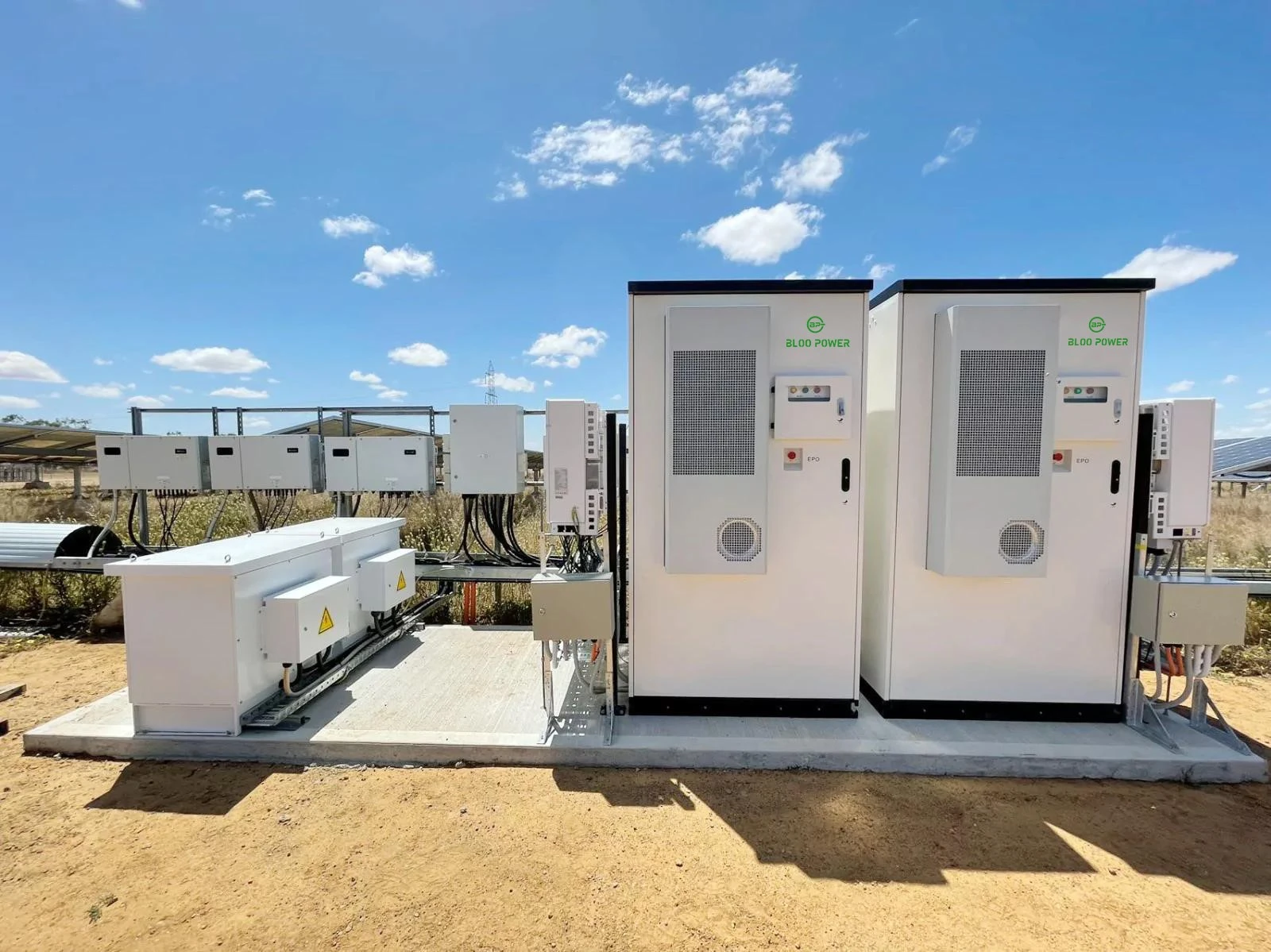
BESS storage systems have seen explosive growth amid these challenges. U.S. battery energy storage capacity surged over 1,000% from 2020 to 2024, with projections exceeding 170 GW by 2030. These systems provide grid flexibility, peak shaving, frequency regulation, and renewable integration support. As deployments accelerate, standalone battery energy storage systems-not co-located with generation assets but charged from the grid-play a key role in providing independent services like black start capability and congestion relief.
Safety Considerations: Lithium Ion Battery Energy Storage System Fires
Rapid scaling of lithium ion battery energy storage system fires incidents has drawn attention, though failure rates are decreasing as a percentage of deployments. Notable events include fires at facilities like Moss Landing and Gateway in California, often linked to thermal runaway. Industry responses emphasize advanced thermal management, proper spacing, NFPA-compliant suppression systems, and rigorous monitoring. EPRI databases track such incidents globally to improve safety protocols.
Largest Battery Energy Storage System in the World
The largest battery energy storage system in the world continues to evolve, with projects like California's Edwards & Sanborn (3,287 MWh) previously holding records, alongside massive developments in China, Australia, and the Middle East reaching multi-GWh scales. These megaprojects underscore the potential for grid optimization but also highlight interconnection and safety imperatives.
Role of Innovative Providers like BLOO POWER
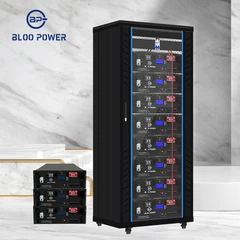
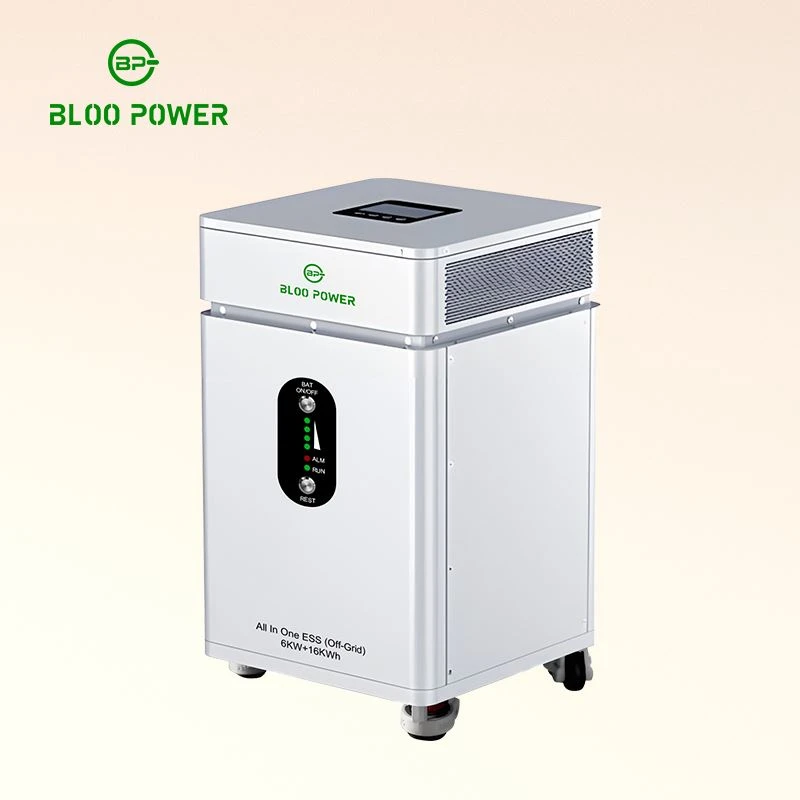
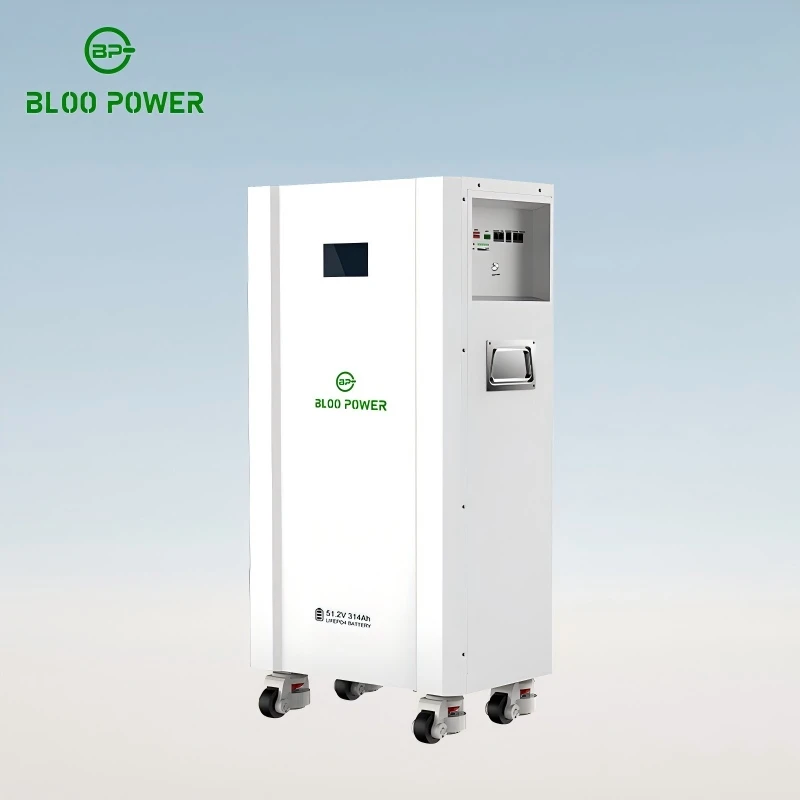
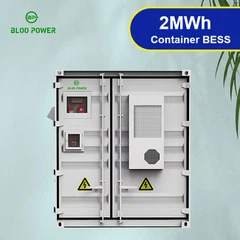
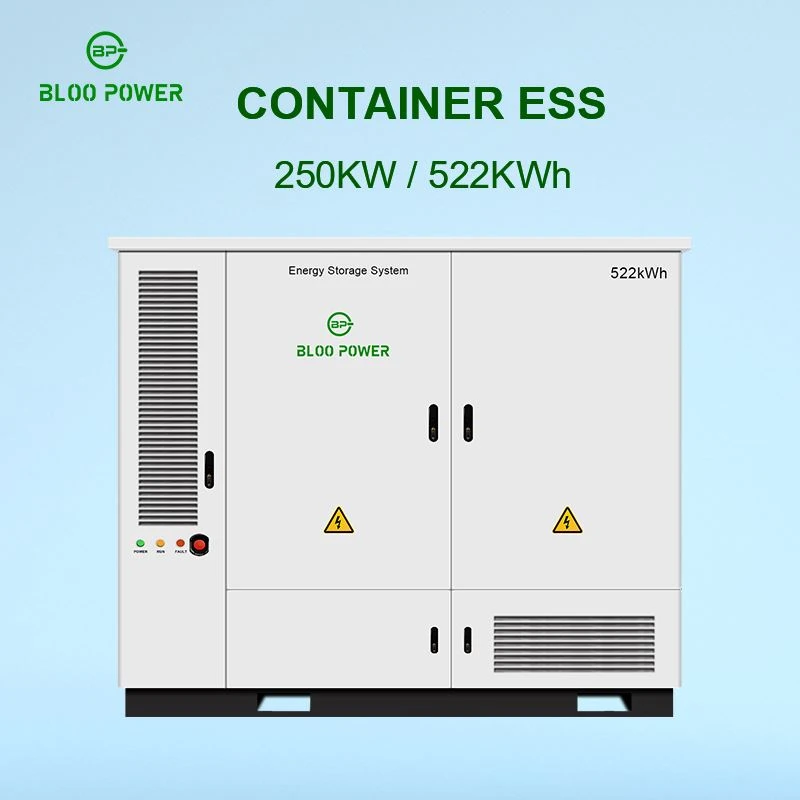
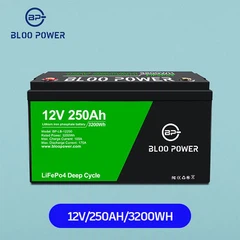
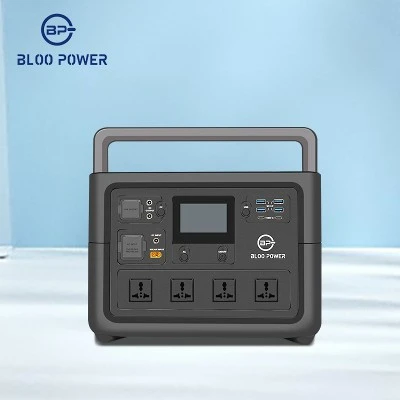
Companies such as BLOO POWER, a provider of home and commercial energy storage solutions including LiFePO4 systems, contribute to safer, more efficient BESS technologies through advancements in battery management and modular designs suitable for both standalone and hybrid applications.
Send Inquiry