












The EU Is Projected To Add 27.1 Gigawatt-hours Of Battery Storage Capacity in 2025
Feb 28, 2026
Leave a message
The EU is projected to add 27.1 gigawatt-hours of battery storage capacity in 2025, with utility-scale storage becoming the main driver of market growth.
The European Union is expected to add 27.1 gigawatt-hours of battery storage capacity in 2025, marking the 12th consecutive year of record growth. Around 55% of this new capacity will come from utility-scale installations, confirming that standalone battery energy storage systems have become the primary growth engine of the EU energy storage market.

In contrast, residential battery storage capacity is projected to decline by 6% year-on-year to 9.8 gigawatt-hours, mainly due to lower electricity prices and reduced subsidy support in several member states. Nevertheless, specific regional markets-such as solar energy battery storage Scotland and the broader energy storage battery UK sector-continue to demonstrate resilience, driven by grid flexibility needs, renewable integration, and long-term decarbonization targets.
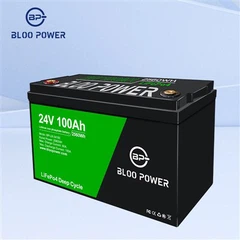
On the supply side, the EU battery manufacturing industry reached a nominal cell production capacity of approximately 252 gigawatt-hours in 2025. However, significant bottlenecks remain in the availability of cathode and anode active materials, reinforcing the importance of diversified sourcing strategies and the growing relevance of the global lfp energy storage battery market, which is valued for its safety, long cycle life, and cost stability.
To accelerate large-scale battery deployment, the EU must create more favorable market conditions by simplifying project approval processes, removing tariff and trade barriers, strengthening battery supply chains, and ensuring the safe and sustainable integration of energy storage systems into the power system. These measures are particularly critical for scaling up utility-scale and standalone battery projects that support grid stability and renewable energy penetration.

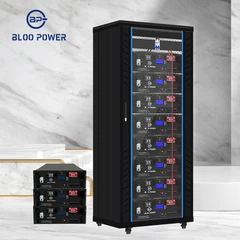
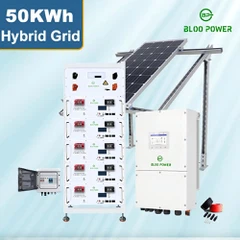
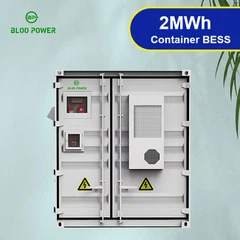
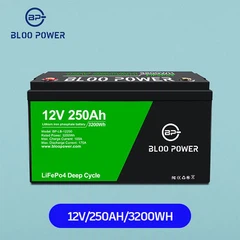
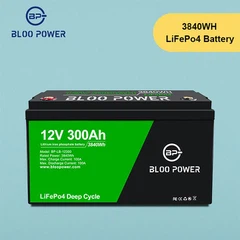
According to a report by SolarPower Europe, meeting the EU's energy flexibility requirements by 2030 will require an additional 750 gigawatt-hours of battery storage capacity on top of the current installed base of 77.3 gigawatt-hours. Against this backdrop, international energy storage solution providers such as BLOOPOWER are well positioned to support Europe's transition by delivering reliable, LFP-based standalone battery energy storage systems aligned with evolving market requirements across the EU and the energy storage battery UK market.
Send Inquiry